Category: Healthylife® QuitWell™

  • I’Ve Relapsed

    Healthylife® QuitWell™

    Part 1

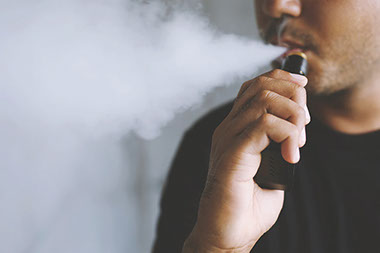
    Man vaping and blowing smoke from his mouth.

    Relapse means you have returned to your old habit. This is different from a lapse, which is a slip-up or small step back in your active quit process. Lapses are very common and do not always lead to a full relapse.

    It can be discouraging to relapse. You are not back to start, though, as there are many things you can learn from trying to quit.

    What went well for you? What helped you to quit?

    What tripped you up? Is this something that could trip you up in the future? When you are ready to think about quitting, this may be an area to focus on.

    Give Yourself Credit

    Give yourself credit for trying to quit. It can take many attempts to be successful. If you went a day or more without using tobacco, you also gave your body a little break!

    What’s Next?

    Where do you want to go from here? Go back to the ‘Stages of Change’ model. Which stage do you feel fits where you are at right now?

    Not Ready (pre-contemplation):In this stage, you may not think your habit is a problem or really don’t want to think about it right now. Remember, change is your choice. If you find yourself here, you can work through the thought exercises in Part 1 and 2 of this guide. Or, schedule a time to check in with yourself in a few weeks.

    Maybe (contemplation):In this stage, you are interested in change, though not ready to make any specific changes. This is a common place to return to after a relapse. Reflect on what went well and not-so-well for you. Think about how your motivation, support team, environment, or life events have changed since you started.

    © American Institute for Preventive Medicine

  • Move Your Body

    Healthylife® QuitWell™

    Part 5

    Couple outside stretching.

    All physical activity has benefits for the body and mind. View exercise as a break from your day. Use this time to focus on the present, instead of past or future problems and worries. What are your favorite ways to be physically active?

    Physical activity can help you quit and stay quit. It can also improve your energy level, ability to learn, and focus.

    Emotional Health

    Exercise releases endorphins and increases levels of serotonin and dopamine in the brain. These brain chemicals help create feelings of happiness and euphoria. You may start to feel these benefits after just a few minutes of moderate exercise. This leads to a happiness buzz and overall mood boost!

    Stress Management

    Norepinephrine is a chemical that can moderate the brain’s response to stress. Exercise helps to increase that chemical. Exercise can decrease worry and tension. These may be triggers for you to smoke, dip, or vape. Exercise also enhances the mind’s ability to deal with daily stressors. Managing stressors can reduce urges to reach for your old habit. The calming effect of exercise can last at least four hours after the exercise is over.

    Physical Health

    Exercise helps strengthen your muscles and bones. This helps you have good posture and keeps your joints and body more aligned. Exercise strengthens your heart muscle so your heart is more efficient. This also helps reduce your risk of having a heart attack or blood clot. Exercise can also help lower your blood pressure. Your ability to breathe also improves, especially as you reduce and eliminate smoking. Exercise improves the circulation of immune cells in your blood that fight off viruses and bacteria. Exercise also helps combat damage done to cells, tissues, and organs.

    Recommendation: Be physically active for at least 2 ½ hours (150 minutes) per week. You can do this for 10, 15, 20, or 30 minutes at a time. Consult your doctor before beginning an exercise routine if you:

    *  Have a chronic health problem, such as heart disease or diabetes.

    *  Have high blood pressure.

    *  Feel faint or dizzy when you try to exercise.

    *  Have an injury or bone or joint problems, such as arthritis, that have been or could become aggravated by exercise.

    Reduce Sit-Time

    Find ways to move more throughout the day.

    *  Set an alarm on your watch or phone to get up every hour, if sitting.

    *  Stretch and walk for a few minutes to get more oxygen flowing through your body.

    *  Drink water regularly so you need to use the bathroom every few hours.

    *  Get up during commercial breaks on TV to tidy up a room or dust.

    *  Walk outside for a few minutes. Take a deep breath of fresh air.

    *  Walk to get lunch.

    Move in Different Ways

    All exercise and movement help give you the benefits. Finding activities you like doing and that you will keep doing is important for long-term success.

    Cardiovascular (cardio) training uses large movements that involve multiple muscle groups, such as your legs, buttocks, and abdominals, all at once. Popular aerobic activities are brisk walking, running, cycling, swimming, and dancing.

    Resistance training uses body weight or weights to build muscle. Move slowly through exercises, breathing regularly. Squats, lunges, push-ups, calf raises, and bicep curls are basic resistance movements.

    Stretching helps your body be more flexible. This helps you prevent injury during exercise and everyday activities. Stretching can also help you relax.
    © American Institute for Preventive Medicine

  • Review & Prepare 3

    Healthylife® QuitWell™

    Part 5

    Image of couple running.

    This section gave you more strategies to add to your quitting toolbox. By knowing more about yourself and what may trip you up, you can be more prepared to succeed when challenges arise. Taking a whole-body approach to quitting by adding exercise and healthy eating to your quit plan can also help you quit for good.

    *  Answer these questions as you review this section.

    *  What are your top 3 relapse triggers you will prepare for?

    *  What other lifestyle changes are you making to help improve your success with quitting?

    © American Institute for Preventive Medicine

  • Smokeless Inhalation

    Healthylife® QuitWell™

    Part 4

    Senior women deep breathing.

    This is one of the best Urge Tamers you will learn. Do this deep breathing when you have an urge.

    1. Breathe in deeply through your nose.

    2. Hold your breath for 3 seconds.

    3. Slowly breathe out through pursed lips to make a “whooshing” sound.

    4. Keep breathing this way until the urge goes away. Sometimes you may need to do the smokeless inhalation 2-3 times, or up to 12-13 times. An increase in oxygen helps you feel relaxed.

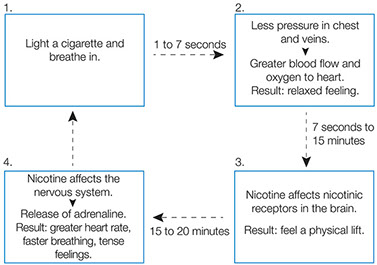
    The smoking cycle:

    Avoiding tobacco/nicotine and using smokeless inhalation can help you break the cycle.

    © American Institute for Preventive Medicine

  • Why Does It Matter If I Quit?

    Healthylife® QuitWell™

    Part 1

    Man smoking, while half his body in vanishing into smoke.

    Tobacco and nicotine products can affect many areas of your life.

    *  If you aren’t sure if you want to quit, read this section to learn more about how tobacco/nicotine use may be affecting your current and future life. Think about how important each of these reasons is to you. This may change over time, or if you start noticing impacts in your life.

    *  If you are ready to quit, consider adding these to your list of reasons you are making this change. Building a longer and stronger list of reasons you are choosing to make this change can help when the going gets tough.

    *  If you have already quit and are trying to stay quit, this information can help you talk yourself through a craving or tough situation. It may reinforce your decision and help you feel good about the change you have made.

    © American Institute for Preventive Medicine

  • Be Assertive 2

    Healthylife® QuitWell™

    Part 5

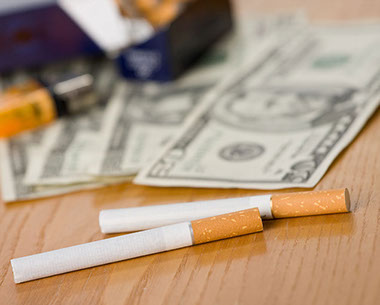
    Image of cigarettes and money.

    Learn the differences between passive, aggressive, and assertive communication.

    Passive

    *  You lack expression for yourself.

    *  You do not stand up for your rights and needs.

    Result: You usually do not achieve your goal. You may feel like someone is walking all over you.

    Aggressive

    *  You stand up for your rights and needs, but at the expense of someone else.

    Result: You usually put down or hurt someone else. You gain no respect and may even start a conflict.

    Assertive

    *  You stand up for your rights and needs without putting down or hurting someone else.

    Result: You build self-respect and feel good about yourself. You are likely to achieve your goal.

    Example

    Your co-worker offers you a cigarette, saying that you can have just one, even though you recently quit. This person wants to smoke with you for old time’s sake. You know this could send you back to using tobacco.

    Passive Response:“All right, I’ll have a cigarette with you, but just this one.”

    Aggressive Response:“You really have some nerve offering me a cigarette. I hate cigarettes and I think it’s disgusting that you smoke. You should smell your breath. Don’t ever come near me with a cigarette again.”

    Assertive Response:“No, thank you. I have quit smoking and I plan to stay that way. Even one can trigger my old addiction. You can help me remain an ex-smoker by not offering me any.”

    © American Institute for Preventive Medicine

  • Day 3

    Healthylife® QuitWell™

    Part 6

    Women giving high-five while walking with friends.

    Note Positive Changes & Celebrate Success

    Make a list of the good things you have noticed since you stopped using tobacco/nicotine products:

    *  Easier breathing

    *  Better sense of taste

    *  Better sense of smell

    *  More money in my pocket

    What are you especially proud of?

    What situations have you gotten through that would have led to tobacco/nicotine use in the past?

    What daily habits have changed for you?

    Today’s Affirmation:

    I am taking care of my body by quitting.

    © American Institute for Preventive Medicine

  • I Quit & Want To Stay Quit

    Healthylife® QuitWell™

    Part 1

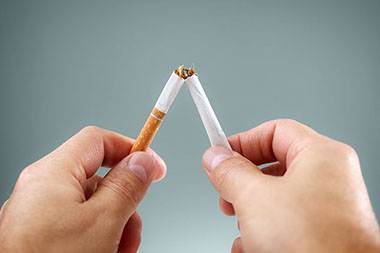
    Image of cigarette being broken in half.

    The maintenance phase of quitting starts after you have been quit for about six months. At this point, your tobacco/nicotine free lifestyle has started to feel more normal and routine. It can take years to feel like tobacco/nicotine is truly in the past, though. In this phase, you may not be thinking of your old habit on a daily basis, but reminders are still all around you. Your new habits are still young.

    What do you enjoy about being tobacco/nicotine free?

    What challenges have you overcome to get here?

    If you have quit before and relapsed, what tripped you up?

    Stress is one of the most common triggers for relapse. This guide has many tools for responding to things that happen to you. While it may not be possible to control what happens in your life, you can control your response.

    Deepen your motivation, understand your barriers (even if you already overcame them), and build a supportive team you can lean on when the going gets tough.

    © American Institute for Preventive Medicine

  • Moving Through Stages

    Healthylife® QuitWell™

    Part 1

    Image of couple walking down a paved trail.

    Over the next few weeks, as you move through the QuitWell™ program, you might notice yourself moving back and forth between the stages as different factors affect your thinking. For example, a stressful day at work can make you feel like you’ve taken a step backward. Don’t let that stop you! This guide will give you tools to work through challenges and be better prepared for future ones.

    You can try out nearly all the activities in this guide, though pay special attention to the activities highlighted for your stage of change. Look for the tips throughout the guide that help you fit an activity to your stage of change. This will help you feel good about where you are at and help you feel more confident about the future. When you feel yourself moving forward in the stages of change, you can go back to these activities and do them again, using the tips for your new stage of change.

    In a few words, describe how you are feeling right now about quitting. What brought you here? What stage of change do you feel fits you best right now?

    © American Institute for Preventive Medicine

  • Strengthening Your Defense

    Healthylife® QuitWell™

    Part 5

    Group of friends outside exercising.

    Keep practicing the urge tamers you learned in Part 4. These tools can help you get through cravings when they happen.

    This section will explore how to manage a lapse and prevent relapse. You will learn about common relapse triggers so you can be on the lookout for them. If you are prepared for a trigger, you are much more likely to respond in a positive way.

    You will also learn how lifestyle habits like sleep, physical activity, and nutrition can help you reduce triggers and feel better. These tips are helpful for all stages of quitting.

    HealthyLife® QuitWell™

    QUICK LINKS: PART 5

    Managing Slip-Ups

    Know Your Triggers

    Relapse Rehearsal

    Be Assertive

    What Assertive Looks Like

    Use the L.A.D.D.E.R. Technique

    Creative Imagination

    Get Enough Sleep

    Move Your Body

    Nutrition

    Review & Prepare

    © American Institute for Preventive Medicine