Category: Healthylife® QuitWell™

  • Identify Your Strengths

    Healthylife® QuitWell™

    Part 2

    Image of smiling women.

    *  What are you really good at?

    *  What have you overcome in your life?

    *  How do you help others?

    *  How do you take care of yourself?

    Trust that the things that make you strong will continue to be there during your quit attempt. Repeat after me: “I am strong.” Say it again. And again. Say it out loud to add some ‘oomph’ to your statement. Continue to repeat as needed!
    © American Institute for Preventive Medicine
  • Negative Reinforcement

    Healthylife® QuitWell™

    Part 4

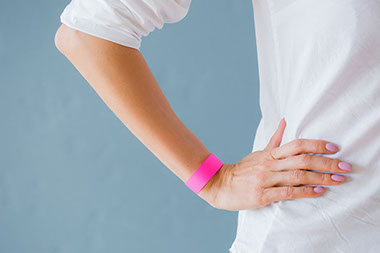
    Women wearing a rubber band around wrist.

    If you are punished for doing something, you are less likely to keep doing it. If a person threw a bucket of water in your face each time you walked around the block, you would take fewer walks.

    Urge Zapper

    1. Place a stretchy band on your wrist.

    2. Snap your wristband whenever you have an urge to use tobacco/nicotine.

    Tobacco Consequence Control

    When you get an urge, think of something you want to avoid-shortness of breath, cancer, heart disease, or letting someone down. What do you want to avoid?

    As the urge goes away, reward yourself by thinking of something you are looking forward to with quitting-feeling in control, breathing more easily, or having more money. What do you look forward to?

    Butt Bottle Revival

    1. Keep your butt bottle where you can see it.

    2. Open it up and smell.

    3. Add water to highlight the foul odor.

    © American Institute for Preventive Medicine
  • Plan Problem-Solving 2

    Healthylife® QuitWell™

    Part 2

    Image of smiling women at desk.

    Your worries and concerns take up time in your day. Many issues cannot simply be ignored or brushed aside. To avoid letting these thoughts trigger smoking or chewing habits, plan time to address them.

    Steps to Address Your Worries

    1. Write a worry at the top of a piece of paper. It may seem old-fashioned to write this down on paper, when so much is done on the computer or a smartphone. However, writing things down can be powerful.

    2. Divide the paper into three columns:

    a. What I can’t do. Recognize what is out of your control.

    b. What I can do. List possible actions that are within your control. Write things you know how to do and that are realistic actions for you to take.

    c. What I will do and when. Decide which action you are ready to take first. This action may not solve every part of the problem, but it is a small step toward a solution. Write when you will do this.

    3. After you have taken an action towards a solution, repeat this process the next day or when you are ready to take another step.

    © American Institute for Preventive Medicine

  • Spend Time With Animals

    Healthylife® QuitWell™

    Part 4

    Man and his dog.

    Spend time with a pet. Volunteer at a shelter. Spend time with a friend or family member’s pet. Go to a pet store, or look into adopting a rescue animal.

    Spending time with a pet can:

    *  Decrease production of cortisol, a stress hormone that can put you on edge and make you ill over time.

    *  Increase serotonin, which helps you feel relaxed and happy.

    *  Help you feel secure. Pets, especially dogs, can love unconditionally and may sense when you need extra support. Some pets are trained to help you manage certain emotions, like anxiety.

    © American Institute for Preventive Medicine

  • Buy Smaller Amounts

    Healthylife® QuitWell™

    Part 3

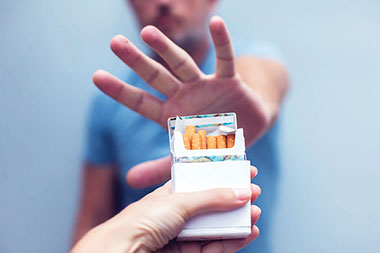
    A hand offering cigarettes and another hand rejected them.

    If you smoke, buy cigarettes one pack at a time, not by the carton. If you dip, buy one can at a time. If you vape, smoke cigars, or use another form of tobacco/nicotine, buy the smallest quantity available. If you vape, buy a lower concentration of nicotine or fewer cartridges. This makes your habit less convenient (more trips to the store) and it will be helpful to have less at home when you are ready to be completely done.

    Note for e-cigarettes: Start by stepping down to the next lowest concentration. If you’re using 18 mg cartridges, switch to 12 mg, and so on, until you’re down to 0 mg.

    While you’re cutting back:

    *  Focus on keeping your inhaling as consistent as possible. It might be tempting to inhale more forcefully to get a bigger nicotine hit.

    *  Avoid taking more hits than you did on higher doses of nicotine.

    © American Institute for Preventive Medicine
  • Day 6

    Healthylife® QuitWell™

    Part 6

    Healthy foods are on the table in the kitchen.

    Embrace the Ripple Effect

    Now that you have quit, you may want to make positive changes in other areas of your life:

    *  Self-image

    *  Managing stress

    *  Eating more nutritious food

    *  Moving more/being more physically active

    *  Getting more involved with your community

    *  Helping others work on their goals

    You have learned many skills in QuitWell™ that can be helpful in other areas of life. The information in this guide only scratched the surface for these topics.

    What do you feel inspired to do next?

    What personal strengths can you apply to another project? For example, maybe being assertive helped you avoid a slip-up or mindfulness helped you be more aware of the unexpected triggers during your day.

    Today’s Affirmation:

    Quitting has set me up for success. I choose what I do next.

    © American Institute for Preventive Medicine
  • Keep Track

    Healthylife® QuitWell™

    Part 3

    Man typing on his phone.

    Use a notebook, or a note in your phone. You can also find a sample scorecard at the end of this program.

    Each time that you use tobacco or nicotine, mark down the time. If you have space to write more, jot down the trigger or what you were doing right beforehand. At the end of each day, add up your total for the day.

    Do this for a few days to get an average. You many not use the same amount every day. Get your average for working days and days you have off. You will likely have different tobacco habits.

    © American Institute for Preventive Medicine

  • Nicotine Replacement Therapy

    Healthylife® QuitWell™

    Part 3

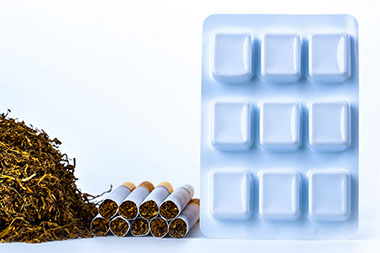
    Image of nicotine gum to help stop smoking.

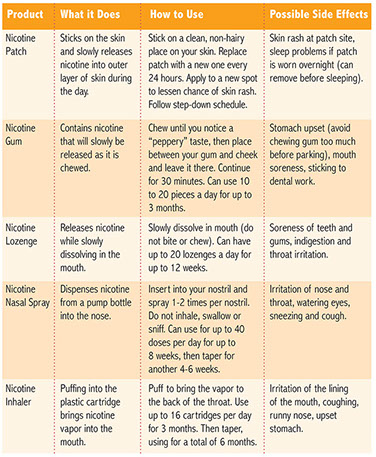
    All of these products contain nicotine. Patches, gum, and lozenges are available other-the-counter. The nicotine nasal spray and nicotine inhaler require a prescription.

    © American Institute for Preventive Medicine
  • Positive Reinforcement

    Healthylife® QuitWell™

    Part 4

    Image of money in a jar.

    Anytime you are given a reward for something you do, chances are you will do it again. For example: If a person popped out and handed you a $100 bill each time you walked around the block, you would take a lot of walks.

    The more rewards you get for quitting (from yourself and others), the more likely you will be successful.

    Ciggy Bank

    Take a jar and place it next to your “Butt Bottle.” Each day put the amount of money you would have used to buy tobacco in the jar. Write a reward you might buy with the money. Past QuitWell™ participants have taken vacations with their family, bought tickets to sporting events and concerts, and even bought a boat with the savings from quitting.

    The Little Things

    Give yourself a reward each day that you are successful. Choose things and activities that bring you joy. They don’t have to cost money.

    *  Buy or pick flowers

    *  Picnic in the park

    *  Call an old friend

    *  Take your car to the carwash

    *  Rent or stream a movie

    © American Institute for Preventive Medicine

  • Stages Of Change 2

    Healthylife® QuitWell™

    Part 1

    Broken cigarette with a paper ripped to spell Possible from Impossible.

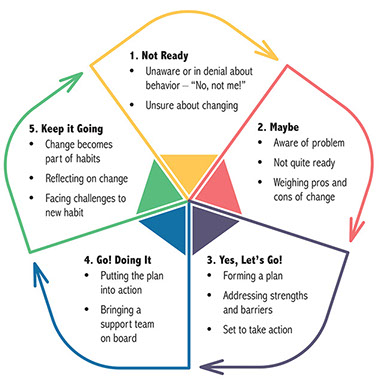
    This program does not assume you are ready to change. Or, you may be ready to make certain changes but not others. Other changes you may not have even thought of yet! The tools and strategies in this guide are designed to help you move forward through the stages of change.

    Using the diagram below, consider which stage you are at. What best describes where you are at today?

    Diagram showing the different stages of quitting.

    © American Institute for Preventive Medicine