Category: Healthylife® Weigh

  • Sporting Events And Concerts

    Healthylife® Weigh

    Part 3

    Couple enjoying snacks at an outdoor event.

    Food courts and concession stands usually have very limited menus. Stadiums or arenas may not allow you to bring your own food or drink into the venue. Here are some tips to help you stick to your healthy goals:

    *  Eat before you go.

    *  Order water.

    *  Follow the fast food guidelines.

    *  Split a meal or snack with a friend.

    *  Choose treats wisely.

    *  Limit alcohol.

    What to do when no healthy choices are available:

    1. If you are hungry, eat something small. It may not be the healthiest choice, but it is important to listen to your body’s physical hunger cues.

    2. Drink water.

    3. Chew on sugar-free gum with xylitol.

    4. Make your next meal or snack a healthy one.

    5. Plan ways to make healthy choices for future events. If possible, eat a meal or have a healthy snack before the event. Plan to limit how much you will eat of items sold at the event.

    © American Institute for Preventive Medicine

  • Use Social Media For Support

    Healthylife® Weigh

    Part 4

    People using social media.

    Today’s social world goes beyond the people you see on a daily basis. From Facebook to Twitter, Instagram to Snapchat, social media may be a big part of your life. Perhaps you follow friends, family, sports and entertainment personalities, or online groups and message boards.

    Social media can be a powerful, positive part of your healthy lifestyle change. What you read, see, and hear can affect your mood, knowledge, what you think is normal, and how you feel about yourself. It can also be negative and make it harder for you to reach your goals.

    Positive ways to use social media:

    *  Follow friends, nutritionists, and food bloggers who promote positive, healthy body and mind messages.

    *  Un-follow or block individuals who tend to post negative comments or who engage in arguments on social media.

    *  Share what inspires and motivates you on social media.

    *  Instead of reading or listening to short clips of news, read more investigative and thorough articles that make you think. Use this as food for thought on your next walk or in a discussion.

    *  Explore websites that bring people who share a common interest together. Join an outdoor adventure club or social group on MeetUp! (www.meetup.com).

    *  Support your friends and family who you see working to make changes in their lives, whether in health or another area of life.

    *  Follow friends, bloggers, or magazines that share ideas for meals, snacks, or workouts.

    *  Share what challenges you face and ask for support from friends & family.

    *  Share your goals to improve accountability.

    *  Note how much time you spend on social media sites. Could this time be spent planning a grocery list, going for a quick walk, or getting to bed earlier?

    Follow & Subscribe

    Tune into positive influencers on social media. Subscribe to recipe-packed magazines and blogs. Find new information, colorful ideas, and inspiring people to help you stay motivated and find social support.

    Magazines (and corresponding websites):

    *  Clean Eating (www.cleaneating.com)

    *  Eating Well (www.eatingwell.com)

    *  Cooking Light (www.cookinglight.com)

    *  Vegetarian Times (even if you’re not a vegetarian, this magazine provides great plant-based meal and snack ideas!)(www.vegetariantimes.com)

    *  Experience Life (www.experiencelifemag.com)

    Blogs & Social Media Accounts

    Pinterest (www.pinterest.com) – Think of Pinterest as a picture-book guide to meal plans, recipes, printables, workout ideas, and inspiration. This site offers much more than tips for healthy eating, but here are some search terms to get you started: “clean eating” “healthy recipes” “healthy (food item, like stir fry or quiche)” or “easy workouts.”

    @SproutedKitchen (Twitter, Instagram) andwww.sproutedkitchen.com– Whole foods inspiration and recipes

    @Veggieful (Twitter, Instragam)- Ideas for incorporating more fiber-rich, plant-based foods into your diet

    @Skinnytaste (Twitter, Instagram) andwww.skinnytaste.com– A healthy take on many easy, familiar recipes

    Content and advertising in these publications and websites may or may not reflect the opinion of the American Institute for Preventive Medicine or that of its Medical Review Board.

    Filter Your Social Media

    *  Who or what do I want to start following?

    *  Who or what do I need to stop following?

    *  How can I reduce the time I spend on social media?

    Comparing Yourself to Others

    Avoid physical comparisons with others. You will never look exactly like someone else. Instead, look at the qualities you admire in others.

    *  Who is someone I admire? What values does this person show by their actions? Underline the values you want to have yourself (e.g., sense of adventure).

    *  What actions can I take to start living one of those values?

    © American Institute for Preventive Medicine

  • Avoid Drowsy Driving

    Healthylife® Weigh

    Part 3

    Alert driver.

    Driving while sleepy can severely impair your driving and cause an accident. Studies have linked sleepiness and fatigue to decreases in reaction time, decision-making, and mind and body coordination. All of these factors are very important for safe driving.

    According to estimates from the National Safety Council in 2017, one out of every five deadly traffic crashes is due to drowsy driving.

    Drive when you feel alert. On long drives, plan 15-minute breaks to get out and stretch your legs every 2 hours. Avoid using food to stay alert. Closing your eyes for even a second (called microsleep) can be enough to travel blindly down the road (or off the road). If you drive while you are fatigued, you and anyone around you is at serious risk.

    Signs of Fatigue

    *  You can’t stop yawning.

    *  You have trouble keeping your head up.

    *  Your eyes close for a moment or go out of focus.

    *  You have wandering, disconnected thoughts.

    *  You have no memory of driving the last few miles.

    *  You miss seeing a sign or your exit.

    *  You slow down when you don’t mean to or brake suddenly or too late.

    *  You drift across the road or veer off onto rumble strips.

    What to do:

    *  Pull to the side of the road or go to a rest stop.

    *  Take a 15-20-minute nap. If you can, have 250-300 mg of caffeine (about 2 cups of coffee) before the nap.

    *  Get a non-drowsy person to drive or find some way of getting to your destination without driving yourself.

    *  Drive to a motel or place where you can sleep.

    © American Institute for Preventive Medicine

  • Coffee And Tea

    Healthylife® Weigh

    Part 3

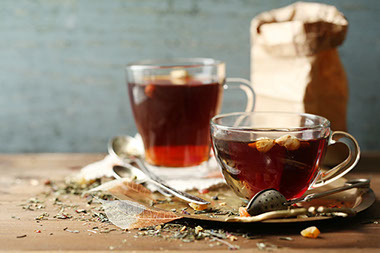
    Herbal tea.

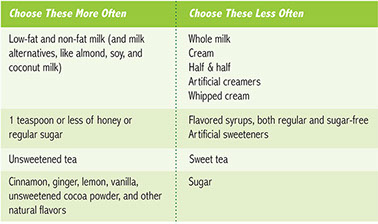
    Coffee and tea drinks made with added ingredients can be a major source of sugar and saturated fat in your diet. The calories can also add up, pushing you over what your body needs for the day and not leaving enough room for nutrient-dense foods. Without anything added, coffee and tea drinks have fewer than 5 calories.

    Example chart of what to choose and not choose.

    If your favorite coffee or tea drink has more add-ins from the column on the right, save this drink for a special treat. Or, start to gradually cut back on how much of these you add to your drink. You can get used to new tastes. You may even like the new version better!

    Different teas can have a lot of natural flavor and sweetness. Experiment with lemon, chai, chamomile, fruit, and herbal teas.

    © American Institute for Preventive Medicine

  • Estimate Serving Sizes

    Healthylife® Weigh

    Part 2

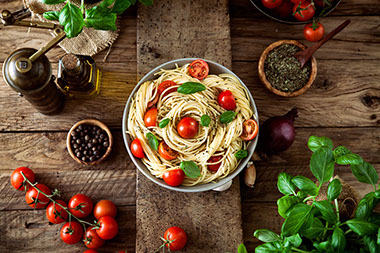
    Pasta with olive oil, garlic, basil and tomatoes.

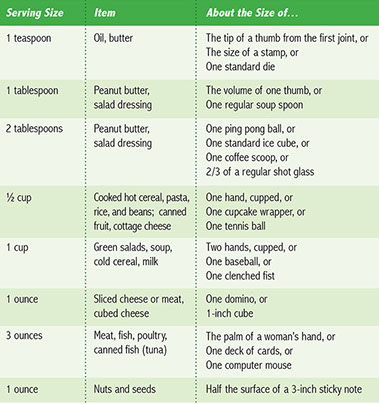
    To stay within the food group guidelines for your calorie needs, you need to use correct serving sizes. To be exact, you could use measuring cups and spoons or weigh foods on a scale. Do this when you can or when you are learning, but this is not always practical. You can estimate serving sizes using familiar objects.

    Chart showing serving sizes and items.

    © American Institute for Preventive Medicine

  • Grow A Garden

    Healthylife® Weigh

    Part 7

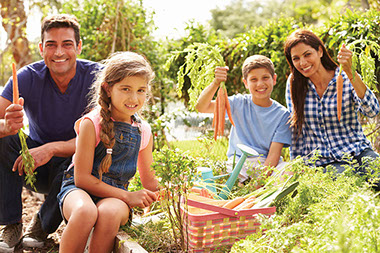
    Family tending to backyard garden.

    Growing your own food is a great way to know where your food comes from. Garden-fresh vegetables and fruits can have more flavor and nutrients than what is at the supermarket. You can also skip the drive to a store and get some sunshine and fresh air!

    Tips for Growing a Garden:

    1.Keep It Small.Keep the size of your garden small and choose a few vegetables to grow. You’ll need fewer supplies to get started. It’ll also take less time to maintain and you’ll have fewer issues to troubleshoot. Pick foods you like. Buy small seed packets at a grocery or gardening store.

    2.Use Containers.Containers can be moved around as needed. Containers can be flower pots, buckets, wooden boxes, or leftover food containers. Cut off the top of a gallon milk jug and use the bottom for a planter. If you are starting from seeds, start plants indoors and move the containers outside when they have started to sprout. Many plants can also be planted directly in the ground outside.

    3.Allow Drainage.Make sure water can drain from the containers. Poke holes in the bottom of containers that don’t already have holes. If plants are indoors or on a patio, put a dish under the pot to catch the water.

    4.Use Quality Soil.Fill the pots with dirt. Use organic potting soil to avoid chemical add-ins. Mix in peat moss to help the soil drain. Go to a store that carries garden supplies. Ask for advice. Or, talk to neighbors who have gardens to learn what works well for them.

    5.Season + Sunlight.Read the label on the back of a seed packet. It will tell you the right time of year to start your seeds. It will also tell you how much sunshine is needed. Some plants may grow best in hot, direct sunlight. Others may prefer shade and cooler temperatures. Most vegetables, on average, need about 6 hours of sunlight per day.

    6.Give Plants Space.Read the back of your seed packet. Plant your seeds according to package directions. Be sure to leave enough space between seeds. This will give plants enough room to develop strong root systems and produce healthy, tasty crops. If you are planting more than one vegetable in a container, look at tips on the seed packet for companion planting. Companion planting is putting plants next to each other that grow well together. Some vegetables, like tomatoes and kale, don’t like sharing pots but tomatoes and spinach are quite happy sharing space.

    7.Water Regularly.Give your plants the right amount of water. Check by sticking your finger in the dirt about an inch. If it feels wet or damp, the plant is probably getting enough water. If it feels dry, add some water. Don’t leave your plants in standing water. If water came out the bottom into another container you’re using to catch the water, empty this out. If the leaves are wilting or drooping, water may perk them up!

    8.Harvest When Ready.Keep up the care of your seeds and plants and before you know it, you’ll be eating what you grow!

    Visit these websites for more information:

    National Agricultural Library (USDA)

    www.nal.usda.gov/topics/home-gardening

    Centers for Disease Control and Prevention (CDC)

    www.cdc.gov/family/gardening

    © American Institute for Preventive Medicine

  • Join The Team: The Rest Of Your Kitchen

    Healthylife® Weigh

    Part 4

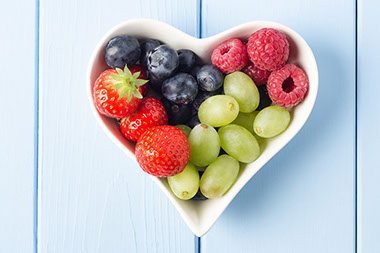
    Selection of fruits in a heart shaped bowl.

    Avoid going to battle every day with unhealthy choices. Learn your own strengths and weaknesses. If you are more likely to chop veggies after shopping than after coming home from work, do this after shopping and store in clear containers. If having visible candy is tempting, keep it in a tin in the basement, out of sight and inconvenient.

    Dish Cupboards

    *  Stock small bowls and plates on easy-to-reach shelves. Put large plates and bowls in a hard-to-reach place or in another closet in the house.

    *  Put smaller wine glasses in front of larger ones. Use tall, narrow glasses for non-water drinks.

    *  Make it easier to cook. Have a blender on the counter and organize your pots and pans to make it easy to pull out a frying pan or pot.

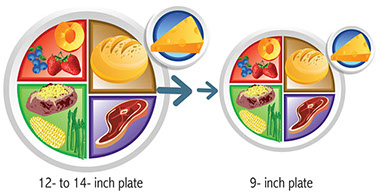
    Use a smaller plate (9-10 inches) and downsize your cereal bowl. This helps reduce portion sizes, even if what is on your plate has not changed.

    Use dessert forks, appetizer forks, or child-sized utensils to eat your meals. This will help you take smaller bites and eat slower. You may find you feel full before you’ve finished your meal! You may also be satisfied with less.

    Counter Tops & Kitchen Space

    *  Add a fruit bowl to the counter with two or more fruits. Tomatoes can go in here too! Roma tomatoes can make for a refreshing, convenient, and filling snack!

    *  Organize counter tops and decrease kitchen clutter-even on the refrigerator door.

    *  Take out the lounge factor-no TV, tablets, comfy chairs, etc. Spending extra time in the kitchen could lead to munching and eating when you are not hungry.

    *  Don’t sit down to a meal unless it includes a fruit or vegetable.

    Pantry

    *  Keep healthy choices at eye level-oatmeal, quinoa, nut butters, beans, canned fruit in water or juice, whole grain pasta, rice, etc.

    *  Move foods you want to eat less of to a less convenient location (like in a cupboard you need a stool to reach) or to a different place in the house where you do not go as often (like the basement or laundry room).

    *  Store packaged, processed foods in solid-colored bins in a closed pantry or closet.

    *  Make less healthy foods less visible and harder to reach. Make healthy foods more visible and easier to reach.

    Now Go! Take a Look

    *  Is there food sitting out in the open in your kitchen? If so, what is visible (e.g., bags of chips or boxes of cereal on top of the fridge, bowl of fruit on the table)?

    *  Where do you keep “treat” foods (desserts, sweet snacks, chips, etc.)?

    *  How quickly can you reach for these? Is it easy?

    *  Where else can you store highly processed snacks and high-sugar treats? If options are limited, put them in a solid-colored plastic container or put them on a shelf that is not at eye level. These changes might help everyone else in your household too!

    *  When you drink water, do you prefer filtered, chilled water, or tap water? Is your preferred water easily accessible?

    © American Institute for Preventive Medicine

  • Manage Your Time

    Healthylife® Weigh

    Part 5

    Couple on a walk.

    Incorporate more movement into your daily activities. Take the stairs, park farther away from the building, and get up to stretch every hour. Also, plan at least 30 minutes each day, most days of the week, to engage in moderate-to-intense exercise. Add exercise to your daily schedule.

    Decrease Time Wasters

    If you feel time is a barrier for you, look at how you spend your time now. Keep a time log for a full day. Block off chunks of time when you sleep and are at work or school. Write down how much time you spend getting ready to go places, preparing food, relaxing, doing household chores, watching TV, or browsing social media.

    *  Decrease time spent watching TV or browsing social media. Set limits for yourself. Record shows so you can skip through commercials.

    *  Prepare meals ahead of time. Make more than one meal at once.

    *  Get help from others, especially with household chores and meal preparation.

    It may not be practical to make changes in all areas or plan physical activity every day. Start by taking small steps, such as being active on a weekend day or getting up a little earlier one morning to walk around the neighborhood.

    © American Institute for Preventive Medicine

  • Review And Prepare

    Healthylife® Weigh

    Part 1

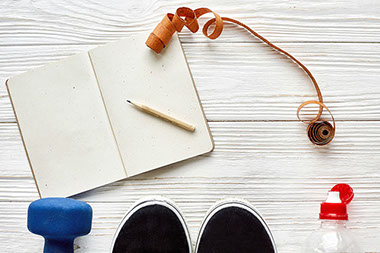
    Fitness concept with notebook pencil for sport goals and resolutions, dumbbells and sneakers and water bottle.

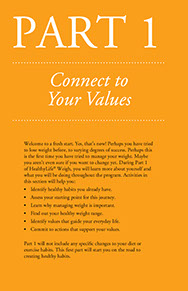
    Getting ready to make a change is important. The next part will continue this process and guide you in taking steps toward a healthier you. Follow along with the activities at your own pace. They are designed to help you move forward.

    Answer the following questions to finish Part 1:

    *  Name one value you could wear on your shirt today.

    *  What actions are you taking that line up with this value?

    *  By choosing to manage your weight, list three of your values that you are putting into action.

    *  Do you need to talk to your doctor about making changes to your diet and exercise habits? You may have a chronic health condition, take medication, or have concerns about your health. If so, talk to your doctor before making any changes to your diet and exercise habits.

    Are you ready for another week of self-discovery, learning new skills, and living out your values?

    © American Institute for Preventive Medicine

  • Plan A Balanced Day

    Healthylife® Weigh

    Part 2

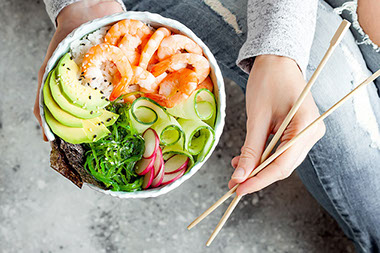
    Person holding a shrimp bowl with seaweed, avocado, cucumber, radish, sesame seeds.

    1. Select a healthy eating plan based on the calorie needs you identified. Or, follow these guidelines:

    – Plan A: best suited for women who are currently less active and want to lose more than 10-15 pounds. This calorie level is generally too low for men.

    – Plan B: best suited for women who are moderately active and for men who are less active and want to lose more than 10-15 pounds.

    – Plan C: best suited for men and for women who are very active and need to lose less than 10 pounds.

    2. Learn how much to eat from each food group. Meet, but don’t go over, your goals for each food group.

    3. Make healthier choices within each group. Choose nutrient-dense foods that meet your body’s needs.

    4. Make changes, as needed, to your plan. Meet your goals while having enough energy to do your favorite activities.

    5. Plan activity: Be physically active for at least 2 ½ hours (150 minutes) per week. You can do this for 5, 10, 15, 20, or 30 minutes at a time.

    © American Institute for Preventive Medicine