Category: Healthylife® Weigh

  • Review And Prepare 2

    Healthylife® Weigh

    Part 2

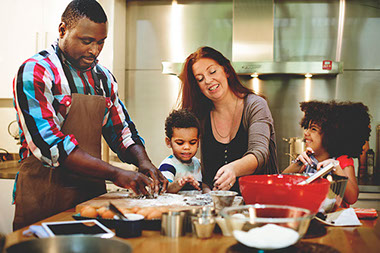
    Family cooking together in kitchen.

    This section covered a lot of nutrition information. Don’t worry if you aren’t ready to use all of it right away. The next section will help you form a plan and put this information into action. For now, choose one or two simple steps.

    Strategy

    *  I will eat the vegetables on my plate first.

    *  I will have a glass of water before each meal or snack.

    *  I will put 25% less food on my plate than I usually do.

    *  If I am full, I will stop eating, even if there is more food on my plate.

    *  I will eat something within two hours of waking up.

    *  I will choose low-fat dairy over full-fat options.

    *  I will drink one less sugar-sweetened beverage a day.

    *  I will not consume any sugar-sweetened beverages.

    *  I will choose to eat half my grains from whole grains every day.

    *  I will choose to fill half my plate with fruits and vegetables.

    Make a small change. Stick with it. It becomes routine. Add another small change. Stick with it. It becomes routine. You’ll get there.

    © American Institute for Preventive Medicine

  • Plan Myplate

    Healthylife® Weigh

    Menus & Recipes

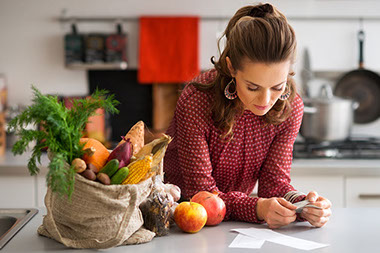
    Woman reading shopping list, next to her on the kitchen counter is a burlap sac with a variety of fruits.

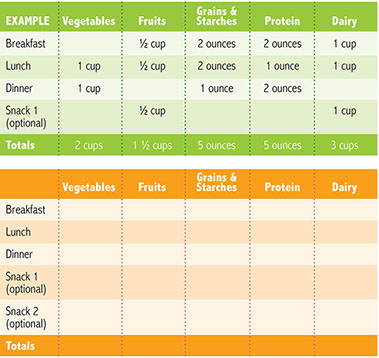
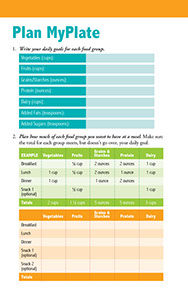
    1. Write your daily goals for each food group.

    *  Vegetables (cups)

    *  Fruits (cups)

    *  Grains/Starches (ounces)

    *  Protein (ounces)

    *  Dairy (cups)

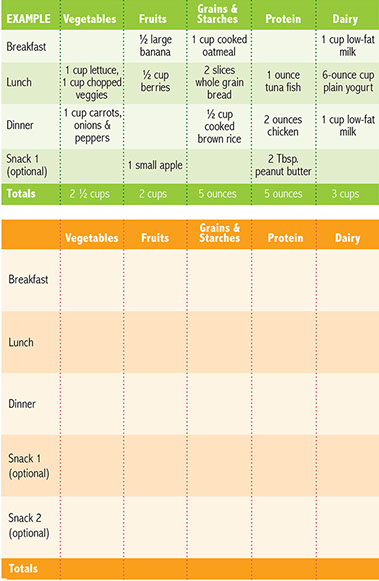
    2. Plan how much of each food group you want to have at a meal. Make sure the total for each group meets, but doesn’t go over, your daily goal.

    3. Select foods for each meal or snack. Refer to what counts as an ounce or a cup for each food group. Choose foods that you like to eat and that are convenient for you.

    © American Institute for Preventive Medicine

  • Recognize When Something Is Bothering You

    Healthylife® Weigh

    Part 6

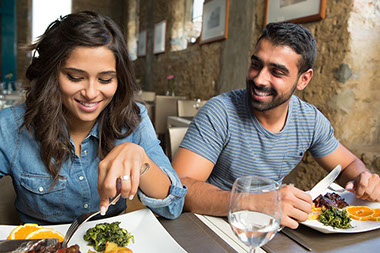
    Couple having dinner at restaurant.

    Identify what forces are at play. These may be positive or negative emotions that are pushing you to do something you don’t need or want to do.

    The following emotions that trigger less healthy eating.

    *  Anger

    *  Anxiety

    *  Boredom

    *  Depression

    *  Frustration

    *  Insecurity

    *  Stress

    *  Celebration

    Write other feelings you have that trigger feelings of hunger:

    *  Accept that you are having these feelings. Rather than trying to change how you feel, focus on changing your response to these feelings.

    *  Keep a journal to determine what triggers lead you to emotional eating.

    For negative emotions, did eating food solve the situation? Chances are it did not. Food does not solve emotional problems. It never has and it never will. Food simply keeps you from dealing with the issue at hand. When the last bite is eaten, the problem is still there.

    Positive emotions, like joy and comradery, may cause you to overeat. Think of a time when you were celebrating and over-ate.

    Avoid feeling guilty if you have overeaten or chosen less healthy foods. The feeling of guilt can make digestion difficult or lead to more overeating.

    © American Institute for Preventive Medicine

  • Suggestions For Meals & Snacks

    Healthylife® Weigh

    Menus & Recipes

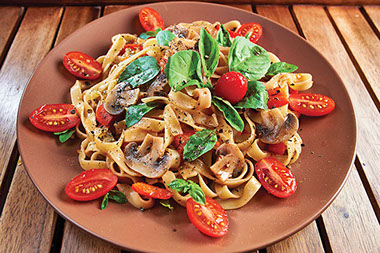
    Healthy meal with noodles and fresh vegetables.

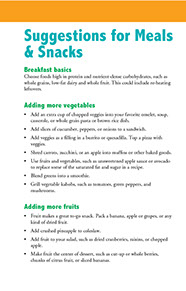
    Breakfast basics

    Choose foods high in protein and nutrient-dense carbohydrates, such as whole grains, low-fat dairy and whole fruit. This could include re-heating leftovers.

    Adding more vegetables

    *  Add an extra cup of chopped veggies into your favorite omelet, soup, casserole, or whole grain pasta or brown rice dish.

    *  Add slices of cucumber, peppers, or onions to a sandwich.

    *  Add veggies as a filling in a burrito or quesadilla. Top a pizza with veggies.

    *  Shred carrots, zucchini, or an apple into muffins or other baked goods.

    *  Use fruits and vegetables, such as unsweetened apple sauce or avocado to replace some of the saturated fat and sugar in a recipe.

    *  Blend greens into a smoothie.

    *  Grill vegetable kabobs, such as tomatoes, green peppers, and mushrooms.

    Adding more fruits

    *  Fruit makes a great to-go snack. Pack a banana, apple or grapes, or any kind of dried fruit.

    *  Add crushed pineapple to coleslaw.

    *  Add fruit to your salad, such as dried cranberries, raisins, or chopped apple.

    *  Make fruit the center of dessert, such as cut-up or whole berries, chunks of citrus fruit, or sliced bananas.

    Meal ideas

    Focus on entrees with less meat, more vegetables and more whole grains.

    *  Pasta or rice with lean ground turkey or garbanzo beans, variety of chopped veggies and tomato sauce.

    *  Large salad with greens, chopped vegetables, lean meat or seafood, and legumes (e.g. garbanzo or kidney). Top with an oil and vinegar dressing.

    *  Stir-fry with 3-4 kinds of sliced vegetables, chicken breast or extra firm tofu, and brown rice or whole grain couscous. Season with garlic, ginger and low-sodium soy sauce.

    *  Soup with beans or lentils, chopped vegetables, and instant barley.

    Snack ideas

    *  Peanut butter + apple slices, celery sticks, or whole grain crackers

    *  Hummus + sliced veggies (carrots, cucumber, string beans)

    *  String cheese and whole grain crackers or fruit

    *  Homemade granola bars

    *  Homemade trail mix with whole grain cereal, seeds, nuts and dried fruit

    *  Plain yogurt with sliced fruit or berries

    *  Whole grain cereal with low-fat milk

    *  Homemade smoothie with whole fruit and plain yogurt
    © American Institute for Preventive Medicine

  • Visit Farmers Markets

    Healthylife® Weigh

    Part 7

    Woman tending stall at a farmers market and selling fresh vegetables.

    Farmers Markets are available year-round in many parts of the country. Some markets go beyond produce to offer meats, cheeses, bread, nuts, seeds, high quality chocolates, and homemade sweets. This may be a good time to treat yourself while helping your local economy!

    *Get to Know Your Growers.Learn more about how and when the food was produced, how to test for ripeness, how to store, and how to prepare your favorite produce-or a new find!

    *Know Your Seasons.Buying seasonally is better for the environment. Produce is at peak flavor and abundance when in-season. This usually makes it less expensive as well. Learn what fruits and vegetables are in season for where you live.

    *Go Early or Go Late.This can help you avoid crowds. You may also find deals at the end of the day.

    *BYOB-Bring Your Own Bag.Most producers will provide small plastic bags, but bringing your own sturdy bag helps the environment and cuts down on costs for the farmer. If you plan to pick up dairy or meat, bring a cooler or plan on taking your purchase directly home to maintain freshness.

    *Small Bills.Some vendors accept credit card and touchless payment, but many still only accept cash, preferably in small bills.

    *Plan a List but Be Spontaneous!Find a recipe or two and write down what you need to get from the market. But don’t pass up a new food because it’s not on your list! Try something new each time you go.

    *Keep It Simple.Start small. Buy fresh produce you plan to use within a week. Keep preparation and any cooking simple to allow the natural flavors to come through.

    © American Institute for Preventive Medicine

  • A Case For More Time In The Kitchen

    Healthylife® Weigh

    Part 3

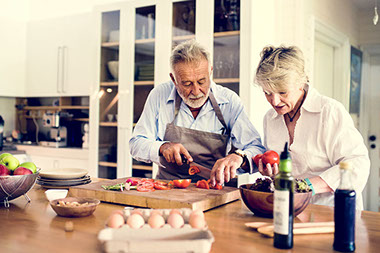
    Couple cooking in the kitchen.

    While this section gives lots of tips for saving time, you may not want to speed through food preparation! Here are some reasons to allow extra time in your day or week for food preparation:

    *  Making more recipes from scratch will give you more control over what is in your food. You can also experiment with more flavors.

    *  Time in the kitchen can be a special time to connect with family and friends after a busy day or week. Turn the TV off and share tasks, like tossing a salad or setting the table.

    *  Many traditions are based around food. Cook old recipes or prepare a meal with an older family member. Sharing stories around food preparation can help you feel connected to your heritage. You may even create new traditions for the next generation of cooks!

    *  Cooking can be an enjoyable hobby. Searching for new recipes, getting creative with modifications, and sharing with others can help you manage stress and bring joy to your day.

    © American Institute for Preventive Medicine

  • Banish Black & White Thoughts

    Healthylife® Weigh

    Part 4

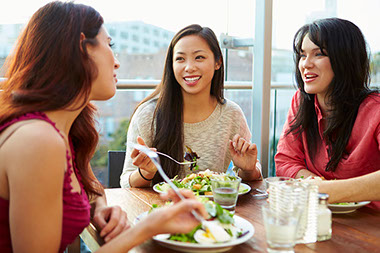
    Three friends enjoying lunch at rooftop restaurant.

    Consider a thought that you tend to see as black and white. Consider some alternative thoughts or ideas you could have instead. Or, when one comes to mind, return to this page and complete the following chart to practice banishing black and white thinking.

    Black & White Thought

    Example: I can’t go to restaurants because I always overeat and ignore my healthy goals.

    Alternative Thoughts

    I can choose restaurants that have healthy choices that I find tasty. I can have a healthy snack before I go out to eat to help prevent overeating at the restaurant.

    As you make changes to your way of thinking, be self-kind, not self-critical. Thinking rationally is like putting on a new, clear pair of glasses. What looked blurry or confusing before may seem more clear. New solutions to a challenge may appear once you look at it differently.

    © American Institute for Preventive Medicine

  • Create “If, Then” Plans

    Healthylife® Weigh

    Part 5

    Woman hands with light red dumbbells.

    Use “If, then” plans to overcome roadblocks. “If, then” plans anticipate a challenge and prepare a response in advance. Create “If, then” statements for each challenge you expect to face. These challenges may be:

    *  How you expect to feel (e.g., self-conscious).

    *  Something you do not know how to do.

    *  Supplies you need (like comfortable shoes).

    *  A comment from a supporter or a non-supporter.

    Practice planning positive, constructive responses to challenges ahead of time.

    Examples:

    *  IF I feel self-conscious at the gym, THEN I will bring a supportive friend to work out with me.

    *  IF my workout buddy bails on our plans, THEN I will go anyway and listen to music while I exercise.

    *  IF I don’t meet my goal this week, THEN I will look at how I can improve my goal for next week.

    Think about challenges you expect with changing your exercise habits. Plan your response using an “If, then” statement.

    © American Institute for Preventive Medicine

  • Exercise And Sleep

    Healthylife® Weigh

    Part 5

    Women sleeping.

    Physical activity can help you sleep better. After your body has worked hard, deep sleep is triggered to help your body recover, repair, and get ready for more activity. This natural drive helps you fall asleep and sleep more restfully.

    Be active outdoors, when possible. Outdoor physical activity increases exposure to sunlight. This helps to strengthen your body’s circadian rhythm (natural sleep clock). A stronger circadian rhythm helps you feel sleepy when it’s time to rest.

    Sleep Helps You Recover from Exercise

    Physical activity triggers a cycle of muscle break-down and repair. The repair process depends on sleep. Without enough sleep, repair is limited. This can increase the risk of injury and limit athletic goals (e.g., running or walking farther or lifting more weight).

    Severe sleep restriction (less than four hours per night) can cause dramatic increases in your heart rate and blood pressure. This strains your heart. Not only does this limit your ability to exercise, but your risk for heart attack and cardiovascular problems increases.

    Timing Exercise with Sleep

    Physical activity increases adrenaline in the body. This hormone increases your heart rate and alertness. Plan vigorous exercise at least four to six hours before bedtime. Light exercise and mild activities should end at least two to four hours before bedtime.

    © American Institute for Preventive Medicine

  • Healthy Fats & Oils

    Healthylife® Weigh

    Menus & Recipes

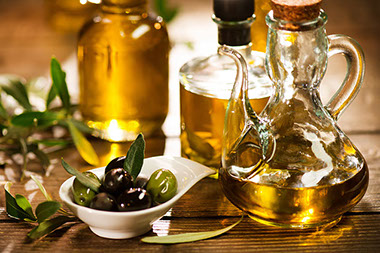
    Bottles of olive oil.

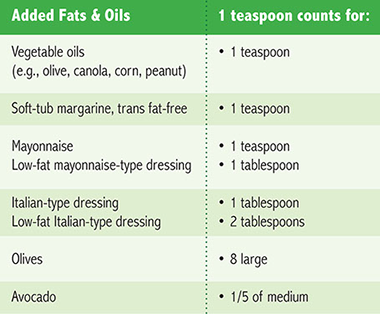
    Fats and oils are concentrated sources of energy (calories). That’s why it is important to choose small servings of fats with the most nutritional benefit.

    CHOOSEmostly plant-based fats, such as seeds, nuts, seed and nut butters, canola oil, olive oil, and avocado. These foods contain more healthy, unsaturated fats.

    LIMITanimal sources of fat (red meat, processed meats, butter, whole-milk dairy). These foods contain more unhealthy, saturated fats.

    AVOIDall trans fats. They are found in processed foods as “hydrogenated oils” and “partially hydrogenated oils” and are not considered safe.

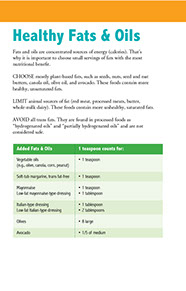
    Added fats and oils chart.

    © American Institute for Preventive Medicine