Category: General Health Conditions

  • Wash Hands For Health

    General Health Conditions

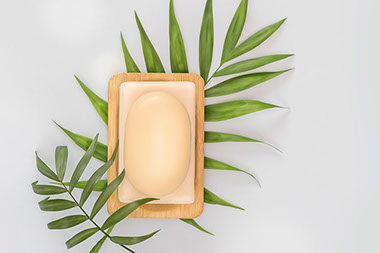
    Bar of soap.

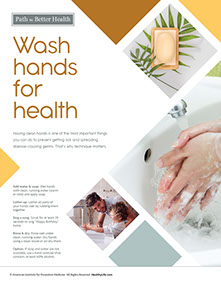
    Having clean hands is one of the most important things you can do to prevent getting sick and spreading disease-causing germs. That’s why technique matters.

    Add water & soap:Wet hands with clean, running water (warm or cold) and apply soap.

    Lather up:Lather all parts of your hands well by rubbing them together.

    Sing a song:Scrub for at least 20 seconds or sing “Happy Birthday” twice.

    Rinse & dry:Rinse well under clean, running water. Dry hands using a clean towel or air-dry them.

    Option:If soap and water are not available, use a hand sanitizer that contains at least 60% alcohol.

    Health at Home Lifetime book by the American Institute for Preventive Medicine. www.HealthyLife.com. All rights reserved.

    © American Institute for Preventive Medicine

  • Anemia 2

    General Health Conditions

    Anemia means that red blood cells or the amount of hemoglobin in red blood cells is low. Hemoglobin is a protein that carries oxygen in red blood cells. Common types of anemia are low amounts of iron, folic acid (a B-vitamin), and vitamin B12.

    Signs & Symptoms

    *  Tiredness.

    *  Weakness.

    *  Paleness. This could be pale skin or paleness around the gums, nailbeds, or the linings of the lower eyelids.

    *  Shortness of breath.

    *  Heart palpitations or rapid heartbeat.

    *  Cravings for unusual things, such as laundry starch, dirt, or ice.

    When folic acid is low, extra symptoms can occur. These include: Appetite loss and weight loss; nausea and diarrhea, swollen abdomen, and a sore, red tongue that looks glazed. When vitamin B12 is low, extra symptoms include: Chest pain on exertion; appetite loss and weight loss; nausea and diarrhea, a hard time concentrating, and a sore, red tongue that looks glazed. If vitamin B12 is very low, nervous system problems occur. These include: Numbness and tingling of the hands and feet; walking and balance problems; memory loss, confusion, dementia, or psychosis. This is known as pernicious anemia.

    Causes

    *  Anemia from low iron. Often, the cause is blood loss from menstruation in females, peptic ulcers, and other medical problems.

    *  Anemia from low folic-acid. The cause is lack of folic acid in the diet.

    *  Anemia from low vitamin B12. This usually results when the body doesn’t absorb vitamin B12 from food, not a lack of vitamin B12 in the diet.

    Treatment

    Anemia shares symptoms with many health problems. It needs to be diagnosed by a doctor. Treatment for it depends on the type and what caused it. This includes:

    *  Treating the problem that caused it.

    *  Proper diet and vitamin and/or mineral supplements, as prescribed. {Note: Don’t take iron supplements on your own. Persons with a genetic illness called hemochromatosis (iron overload disease) can be harmed with iron supplements.}

    *  Vitamin B12 shots, if needed.

    Persons with severe anemia may need one or more blood transfusions.

    Questions to Ask

    Self-Care / Prevention

    Follow your doctor’s treatment plan.

    To Get and Absorb Iron

    *  Eat foods that are good sources of iron: Lean, red meats; green, leafy vegetables; beef liver; poultry; fish; wheat germ; oysters; dried fruit; and iron-fortified cereals.

    *  Eat foods high in vitamin C, such as citrus fruits, tomatoes, and strawberries. Vitamin C helps your body absorb iron from plant foods.

    *  Take the supplements your doctor advises.

    *  If you drink tea, drink it between meals. Tannins in tea block iron absorption. Or, add milk to tea. The calcium in milk binds with the tannins. (Herbal tea does not have tannins.)

    *  Avoid antacids, the food additive EDTA, and phosphates (found in soft drinks, beer, ice cream, etc.). These block iron absorption.

    To Get and Absorb Folic Acid

    *  Eat good food sources of folate every day. Examples are asparagus, brussels sprouts, spinach, collard greens, broccoli, peas, oranges, cantaloupe, oatmeal, and whole-grain cereals.

    *  Eat fresh, raw fruits and vegetables often. Don’t overcook food. Heat destroys folic acid.

    *  Take the supplement your doctor advises.

    *  Don’t smoke. Don’t drink alcohol.

    For Getting B12

    *  Eat animal sources of food. Good choices are lean meats, fish, poultry, nonfat or low-fat dairy products, and cereals with added vitamin B12.

    *  Strict vegetarians (vegans) who eat no animal sources of food may need a vitamin B12 supplement or foods fortified with it.

    Healthier at Home book by the American Institute for Preventive Medicine. www.HealthyLife.com. All rights reserved.

    © American Institute for Preventive Medicine

  • Wash It Off

    General Health Conditions

    Father and young daughter washing their hands.

    Washing hands regularly can do a lot to prevent disease. Wash your hands with soap and water for 20 seconds. Dry off your hands to stave off bacteria, choosing paper towels over hand dryers, if possible. Use a hand sanitizer with at least 60% alcohol if soap and water are not readily available. However, washing your hands with water is best for washing away germs. Cold water works just as well as warm, and in the winter, using warm water can actually dry out your skin faster.

    Be More Earth-Friendly

    When washing your hands in a public restroom, and no paper towels are handy, air drying is best and uses no additional energy.

    Health at Home Lifetime book by the American Institute for Preventive Medicine. www.HealthyLife.com. All rights reserved.

    © American Institute for Preventive Medicine

  • Fatigue

    General Health Conditions

    With fatigue, a person is tired, weary, and lacks energy. Often, fatigue is a symptom of another health problem.

    Signs & Symptoms

    *  Feeling drained of energy.

    *  Feeling exhausted.

    *  Having a very hard time doing normal activities.

    *  Having low motivation.

    *  Feeling inadequate.

    *  Having little desire for sex.

    Causes

    Causes that need medical care include anemia, depression, heart disease, low thyroid, lupus (the systemic type), and chronic fatigue syndrome (CFS).

    Other physical causes include: Lack of sleep; poor diet; side effects of medicines; allergies; drug or alcohol problems; being in hot, humid conditions; and the flu.

    Possible emotional causes are burnout, boredom, and a major life change, such as divorce or retirement.

    Treatment

    Treatment depends on the cause. Tell your doctor about any other symptoms that occur with the fatigue. He or she will explore both physical and emotional causes.

    Questions to Ask

    Self-Care / Prevention

    *  If fatigue is due to a medical problem, follow your doctor’s or health care provider’s guidelines for rest, diet, medication, etc.

    *  Get regular physical activity. Exercise can give you more energy, especially if you sit all day at work. Exercise can calm you, too.

    *  Cool off. Working or playing in hot weather can drag you down. Rest in a cool, dry place as often as you can. Drink plenty of water.

    *  Avoid too much caffeine and alcohol.

    *  Don’t use illegal drugs.

    *  Lighten your work load. Assign tasks to others when you can, both at work and at home. Ask for help when you need it from family and friends. Hire help if you need to.

    *  Change your routine. Try to do something new and that you want to do every day.

    *  If you do too much, make time for some peace and quiet.

    *  Do something for yourself. Plan time to do things that meet only your needs, not just those of others.

    Resources

    Treating Chronic Fatigue Syndrome & Fibromyalgia

    www.treatcfsfm.org

    Healthier at Home book by the American Institute for Preventive Medicine. www.HealthyLife.com. All rights reserved.

    © American Institute for Preventive Medicine

  • West Nile Virus

    General Health Conditions

    Mosquito bites cause West Nile virus if the mosquito is infected with it.

    Signs & Symptoms

    Most people who get the virus will have no symptoms. About 1 in 5 persons will get mild ones (West Nile fever). Symptoms usually occur 3 to 14 days after being bitten by an infected mosquito. See doctor for the following:

    *  Fever.

    *  Headache.

    *  Body aches.

    *  Skin rash on the trunk of the body (sometimes).

    *  Swollen lymph glands (sometimes).

    About 1 in 150 persons get symptoms of a severe infection (West Nile encephalitis or meningitis). Get Immediate Care for the following:

    *  High fever.

    *  Stiff neck.

    *  Severe headache.

    *  Muscle weakness.

    *  Tremors. Confusion.

    *  Convulsions.

    *  Decreasing level of consciousness.

    *  Paralysis.

    Prevention

    Protect yourself from mosquito bites. Stay indoors at peak mosquito biting times (dawn, dusk, and early evening). Apply an insect repellent with DEET to clothing and exposed skin to last long enough for the times you will be outdoors. Wear long-sleeved shirts and long pants when you are outdoors.

    Resources

    Centers for Disease Control and Prevention

    www.cdc.gov

    Student Self-Care book by the American Institute for Preventive Medicine. www.HealthyLife.com. All rights reserved.

    © American Institute for Preventive Medicine

  • Fever

    General Health Conditions

    The average normal temperature is about 98.6°F (37°C).

    Signs & Symptoms

    A fever means that body temperature is higher than:

    *  99°F (37.2°C) under the arm.

    *  99.5°F (37.5°C) by mouth or ear.

    *  100.4°F (38°C) by rectum. Rectal temperatures are advised for infants.

    Don’t use a glass mercury thermometer. If it breaks, droplets of toxic mercury can be released. If this happens, don’t use a vacuum or broom to clean up the mercury. Call your local health or fire department to find out what to do.

    Causes

    Fever is usually a sign of another problem, such as an infection.

    Body temperature changes during the day. It is usually lowest in the morning and highest in the late afternoon and evening. Other factors can increase body temperature. These include:

    *  Wearing too much clothing.

    *  Exercise.

    *  Hot, humid weather.

    *  Taking a temperature by mouth after drinking a hot liquid, like tea.

    Treatment

    Treatment includes self-care measures and treating the cause.

    Questions to Ask

    Self-Care / Prevention

    *  Drink lots of fluids, such as fruit juice, water, etc.

    *  Take a sponge bath with warm (about 70ºF) water. Don’t use cold or cool water. Don’t use rubbing alcohol.

    *  Take the right dose of an over-the-counter medicine to reduce fever, as directed.

    *  Rest.

    *  Don’t do heavy exercise.

    *  Don’t wear too many clothes. Don’t use too many blankets.

    Healthier at Home book by the American Institute for Preventive Medicine. www.HealthyLife.com. All rights reserved.

    © American Institute for Preventive Medicine

  • Fun Ways To Get The Water Your Body Needs

    General Health Conditions

    Happy women holding a glass of water.

    Using a special glass can make drinking water more fun!

    *  Add frozen berries and fresh herbs like mint or rosemary.

    *  Add lemon or lime for a twist.

    *  Put cold water and ice in a decorated thermos.

    *  Drink water with a crazy straw.

    *  Freeze water in fun-shaped ice cube trays. Add ice from these to your glass of water or other beverages.

    *  Put lemon slices in water before freezing.

    Health at Home Lifetime book by the American Institute for Preventive Medicine. www.HealthyLife.com. All rights reserved.

    © American Institute for Preventive Medicine

  • Headaches 2

    General Health Conditions

    Causes

    *  Anxiety, stress, caffeine withdrawal, or depression

    *  Lack of sleep. Poor sleep position.

    *  A sensitivity to certain foods and drinks.

    *  Reading a lot, especially in dim light

    *  Missing or delaying a meal

    *  Doing boring work

    *  Being in one position for a long time, like at a computer

    *  Hormone changes that come  with menstruation, while taking birth control pills, etc.

    *  Exposure to chemicals and/or pollution

    *  Side effects from some medications

    *  Dirty or polluted air

    *  Airplane travel

    *  Alcohol

    *  Poison

    *  Poor posture

    *  Cigarette smoke

    *  Too much physical activity

    *  Bright lights. This includes watching TV.

    *  Movement, such as riding in a car or elevator

    *  Loud noises

    *  Strong odors

    *  Eating or drinking something very cold, such as ice cream

    Types

    You can have cancer for years without having symptoms. There is usually no pain at the onset of cancer. As different types of cancers grow, warning signs may occur. See your doctor for a proper diagnosis.

    For Tension or Muscular Headaches

    About 90 percent of all headaches are tension or muscular headaches. These headaches respond well to self-care, without causing ongoing problems. Symptoms include:

    *  You have a dull ache in your forehead, above your ears, or at the back of your head.

    *  You feel pain in your neck or shoulders.

    Tense or tight muscles in the face, neck, or scalp result in these headaches. Common causes are:

    *  An illness

    *  Fever

    *  Tiredness

    *  Stress

    *  Worry

    *  Concentrating hard for long periods of time

    For Sinus Headaches

    Symptoms

    *  The pain is in your forehead, cheekbones, and nose.

    *  The pain is worse in the morning.

    *  It hurts more if you bend over or touch your face.

    *  Your nose is stuffy.

    Sinuses are behind your cheeks, around your eyes, and in your nose. You may get a sinus headache from:

    *  A cold or upper respiratory infection

    *  Allergies, like hay fever

    *  Other breathing problems

    *  Swimming in dirty or polluted water

    *  Airplane travel

    These things interfere with fluid drainage in the nose, causing a buildup of pressure. Pain results.

    For Cluster Headaches

    Cluster headaches usually start at night, can last from 15 minutes to 3 hours, and can interrupt sleep. They can also start during the hours a person is awake. These headaches come once or twice a year, usually in older men, and tend to run in families.

    Cluster headaches are much less common than migraines. Spring and autumn are the most common times of the year for them. Symptoms include:

    *  The pain is on one side of your head.

    *  The pain is in or on the sides of your eyes.

    *  Your eyes are watery.

    *  The pain is sharp, burning, and intense.

    *  Your pupils look smaller.

    *  One or both of your eyelids droop.

    *  You get headaches in groups (clusters), everyday for a week or longer.

    For Children’s Headaches

    Children’s headaches that come once in a while can be treated with ibuprofen or acetaminophen. Make sure you use the right type and dose for your child’s weight. Don’t give aspirin to anyone younger than 19 years of age due to its link to Reye’s Syndrome. Reye’s Syndrome is a rare disease that can cause death. It usually occurs 7 to 10 days after the onset of the flu or chicken pox. If the child complains of head pain on a regular basis, take the child to his or her doctor. Symptoms:

    *  The headaches tend to be shorter than ones in adults.

    *  Sometimes, an upset stomach and vomiting are also present.

    *  Headaches come in groups, then are gone for months.

    For Migraine Headaches

    Migraines happen when blood vessels in your head open too wide or close too tight. At least one in eight adults suffer from migraines. Women have migraines more often than men. Migraines tend to run in families, too. Symptoms include:

    *  One side of your head hurts more than the other.

    *  You feel sick to your stomach or throw up.

    *  You may see spots or zigzag flashes of light.

    *  Light hurts your eyes.

    *  Noise bothers you.

    *  Your ears ring.

    *  Your face is pale.

    *  After the headache, some people have a drained feeling with tired, aching muscles. Others feel great after the headache goes away.

    Types of Migraine Headaches

    *  Migraines with an aura. An aura is when a person sees spots or flashing lights for 10 to 15 minutes or his or her face becomes numb. (Ten percent of migraines are this type.)

    *  Migraines without an aura. They start more slowly and tend to last longer than migraines with an aura. They don’t begin with changes in a person’s vision or numbness. (Ninety percent of migraines are this type.)

    Prevention

    Keep a headache diary. Write down when, where, and why the headaches seem to start. Try to avoid things that trigger headaches.

    Be aware of early symptoms. Try to stop the headache as it begins.

    *  Exercise on a regular basis.

    *  Keep regular sleep hours, even on weekends.

    *  Don’t smoke. If you smoke, quit.

    *  Cut down on salt.

    *  Avoid excess alcohol. Alcohol can lead to a “hangover” headache.

    *  Don’t have foods and drinks known to trigger headaches in sensitive people.

    Foods and Drinks That May Cause Headaches

    *  Alcohol, especially red wine

    *  Bananas (if more than 1/2 banana daily)

    *  Beans: Broad, lima, fava, snow peas

    *  Brewer’s yeast

    *  Caffeine (from coffee, tea, cola soft drinks, some medications, chocolate) or caffeine withdrawal

    *  Chicken livers, paté

    *  Citrus fruits (if more than 1/2 cup daily)

    *  Cured meats (hot dogs, luncheon meats, etc.)

    *  Figs, raisins, papayas, avocados, red plums (no more than 1/2 cup daily)

    *  Foods with MSG (monosodium glutamate), such as soy sauce, meat tenderizers, seasoned salt

    *  Hard cheeses (aged cheddar, provolone, etc.)

    *  Herring, pickled or dried

    *  Nuts and peanut butter

    *  Onions

    *  Pickled, preserved, or marinated foods

    *  Sauerkraut

    *  Sour cream

    *  Sourdough bread

    *  Vinegar

    Treatment

    Usually, headaches are not linked to serious health problems. Self-care treats most headaches.

    Self-Care

    *  Rest in a quiet, dark room with your eyes closed.

    *  Rub the base of your skull with your thumbs. Work from the ears toward the center of the back of your head. Also, rub gently along the sides of your eyes, your shoulders, neck, and jaw.

    *  Take a warm bath or shower.

    *  Place a cold or warm washcloth, whichever feels better, over the area that aches.

    *  Take an over-the-counter (OTC) medicine (that your provider recommends) for pain. Take it right away.

    *  Relax. Imagine a calm scene. Meditate or breathe deeply.

    Medication

    *  Over-the-counter (OTC) pain medications. Examples are aspirin, ibuprofen, naproxen sodium and ketoprofen. Most tension and muscular headaches go away with OTC medications. Some OTC medicines (e.g., Excedrin Migraine® and Motrin Migraine Pain®) are FDA approved for migraine headaches.

    *  Prescribed medicines. Examples are:

    – Triptan drugs, such as sumatriptan

    – Ergotamines, with or without caffeine

    – Antihistamines

    – Beta-blockers

    – Calcium channel blockers

    – Tricyclic antidepressants

    Take medicines as prescribed.

    Biofeedback

    Biofeedback is a process of learning how to control internal functions to relieve pain. Biofeedback training has helped many people who have suffered from headaches.

    These things occur with biofeedback:

    *  A biofeedback therapist explains how the muscles react to stress and cause tension headaches.

    *  Most of the time, you sit in a comfortable chair in a dimly lit room.

    *  A headband, connected to a machine, is fastened across your forehead. The machine emits a steady sound that changes if muscles in the head or neck are tensed.

    *  A small thermometer is attached to one of your fingers. Another machine keeps track of your temperature.

    *  You learn how to use these biofeedback machines.

    *  You learn to control the automatic response of your muscles and blood vessels that cause headaches.

    *  Then you learn to do the same thing without the machines to control headaches on your own.

    Medical Care

    Reasons to Get Medical Care Fast

    *  A headache due to a serious head injury or a blow to the head causes severe pain, enlarged pupils, vomiting, confusion, or feeling sleepy.

    *  Severe pain occurs in and around one eye.

    *  A severe, persistent headache occurs with a stiff neck or a red or purple rash that doesn’t fade when pressure is applied to the skin.

    *  The headache came on suddenly and hurts much more than any headache you have ever had.

    Call 9-1-1 if signs of a stoke occur:

    *  A sudden and severe headache with no known cause

    *  Sudden numbness or weakness of the face, arm or leg, especially on one side of the body

    *  Sudden confusion, trouble speaking or understanding

    *  Sudden trouble seeing in one or both eyes

    *  Sudden trouble walking, dizziness, loss of balance or coordination

    Reasons to Call Doctor or Health Care Provider

    *  The headache has lasted more than 2 to 3 days and keeps getting worse.

    *  Migraine headaches (intense, throbbing, one-sided, often with nausea or vomiting) occur often. Flashing lights or spots may precede the pain.

    *  A headache persists or recurs and is present with nausea or vomiting.

    *  A headache started after taking a new medicine (prescribed or over-the-counter).

    Work with Your Health Care Provider

    For headaches that do not need medical care fast, contact your primary care provider first. Most likely, he or she will be able to figure out the type of headache you have. If not, he or she can refer you to a specialist. Tips on working with your doctor or health care provider:

    *  Make notes before your office visit.

    *  List every symptom, even if it seems minor.

    *  Be honest with your health care provider. The facts you give could be important in finding out why you have headaches.

    *  Follow your doctor’s advice. Let him or her know if the prescribed treatment helps. Tell your doctor if you have any side effects from treatment.

    *  Answer these questions before your office visit:

    – When did your headaches begin (days, weeks, months, years ago)?

    – How long does your headache last (minutes, hours, days)?

    – How often do you have these headaches (once a day, once a week, etc.)?

    – Where does it hurt (both sides, one side, etc.)?

    – How does the pain feel (dull, sharp, throbbing, nonstop)? How does the pain usually start (dull or sharp)?

    – Is there a pattern to your headaches? Are they gone for months at a time then come back several times a day? Are they worse lately?

    – Are your headaches different from each other? (You may have more than one kind.)

    – When does the pain usually start (at night, in the morning)?

    – Are there any symptoms just before the headache begins (stuffy nose, pain elsewhere, flashing lights)?

    – Do any other symptoms occur with the headache (upset stomach, pain elsewhere)?

    – What helps the headache go away (rest, medicine, hot or cold treatment, massage)?

    – Does anything make the pain worse (moving the head, standing or lying)?

    – Does an activity or situation bring on headaches (after exercise or eating a certain food)?

    – Are you taking any other medicines or drugs?

    – Is another health care provider treating you for anything else?

    Resources

    National Headache Foundation

    800.843.2256

    www.headaches.org
    Headaches brochure by the American Institute for Preventive Medicine. www.HealthyLife.com. All rights reserved.

    © American Institute for Preventive Medicine

  • Hepatitis

    General Health Conditions

    Hepatitis is liver inflammation. With hepatitis, the liver has trouble screening poisons from the blood. Also, the liver can’t regulate bile. This is a liquid that helps digest fats.

    Signs & Symptoms

    Signs and symptoms depend on the cause. Some persons have no symptoms. When symptoms first occur, they include fatigue, fever, appetite loss, nausea and vomiting, and joint pain.

    Later, symptoms are dark urine, pale, clay-colored stools, and jaundice. This is a yellow color to the whites of the eyes and/or the skin.

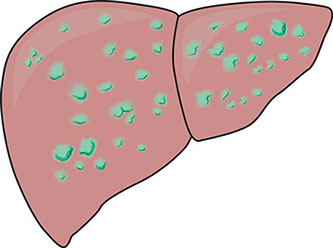
    Illustration of hepatitis in the liver.

    Hepatitis in the Liver

    Causes

    One or More Types of Viral Hepatitis

    *  Hepatitis A. This is spread through food or water contaminated by the feces of an infected person that has the virus.

    *  Hepatitis B. This is caused by contact with infected blood or bodily fluids from an infected person. Examples are sharing drug needles or having sex. A mother can pass this virus to her baby during childbirth, too.

    *  Hepatitis C. Most often, the cause is contact with infected blood on needles, razors, toothbrushes, etc. Blood transfusions given before July, 1992 could be the cause, if the blood had the virus. Sexual contact may spread the virus, too.

    *  Hepatitis D. Sharing drug needles or having sexual contact with an infected person can cause this type, but only in persons who already have hepatitis B. It is not common in the U.S.

    *  Hepatitis E. This is caused by contact with food, water, or something contaminated with the feces of an infected person. This type is not common in the U.S. It is more common in Africa and India.

    Non-Viral Causes of Hepatitis

    *  Some immune system disorders, such as Wilson’s disease. With this, too much copper is stored in the liver and other body organs.

    *  Chronic alcohol or drug use.

    *  Reaction to certain medicines. One example is long-term use or an overdose of acetaminophen. Heavy drinkers are more prone to this.

    *  Some herbs may cause hepatitis. Examples are kava and chaparral.

    In some cases, the cause is not known.

    Treatment

    Treatment depends on the type of hepatitis and how severe it is. For non- viral forms, this includes treating the disorder or stopping the use of the substance that caused it. For viral forms, treatment includes self-care measures and medications.

    Questions to Ask

    Self-Care / Prevention

    To Help Prevent Hepatitis A and E

    *  Get a hepatitis A vaccine if advised by your doctor or health department. There is no vaccine for hepatitis E.

    *  When you travel to countries where the virus is widespread, wash your hands often. Drink boiled water. Don’t eat unpeeled or uncooked fruits or foods rinsed with water. Don’t use ice.

    *  If exposed to hepatitis A, contact your doctor to get immune globulin (IG) within 2 weeks of exposure.

    To Help Prevent Hepatitis B, C, and D

    *  Get 3 doses of hepatitis B vaccine if advised by your doctor. There is no vaccine for hepatitis C.

    *  Practice Safer Sex.

    *  Don’t share IV drug needles.

    *  Don’t share razors or toothbrushes. See that sterilized items are used for ear piercing, etc.

    To Help Prevent Non-Viral Forms

    *  Use alcohol in moderation, if at all.

    *  Don’t combine alcohol and acetaminophen. Take products that contain acetaminophen, such as Tylenol, as directed. Heed warnings listed on the label.

    To Treat Hepatitis

    *  Follow your doctor’s advice for medicines, etc.

    *  Rest.

    *  Drink at least 8 glasses of fluids a day.

    *  Avoid alcohol and any drugs or medicines that affect the liver, such as acetaminophen.

    *  Follow a healthy diet. Take vitamins and minerals as advised by your doctor.

    Resources

    National Center for HIV/AIDS, Viral Hepatitis, STD, and TB Prevention

    800.CDC.INFO (232.4636)

    www.cdc.gov/nchhstp

    Healthier at Home book by the American Institute for Preventive Medicine. www.HealthyLife.com. All rights reserved.

    © American Institute for Preventive Medicine

  • Insomnia 2

    General Health Conditions

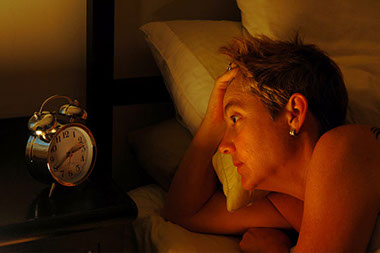
    Image of woman in bed awake at 2:40am.

    Do You Have Insomnia?

    Answer these questions:

    1. Do you have trouble falling asleep?

    2. Do you have problems staying asleep?

    3. Do you wake up too early and can’t get back to sleep?

    4. Do any of these problems last at least 3 weeks?

    If you answered yes to number 4, answer these questions about problems that occur when you are awake:

    5. Do you feel like you do not get enough refreshing sleep?

    6. Do you yawn and feel tired?

    7. Do you lack energy or have fatigue?

    8. Do you have a hard time concentrating?

    9. Do you feel depressed and/or cranky?

    If you answered yes to question number 4 and yes to any question from number 5 through 9, you could have insomnia.

    Why You Need Sleep

    Getting enough sleep and good quality sleep helps you maintain good health and function your best during the day. You need sleep to:

    *  Have energy.

    *  Think clearly.

    *  React quickly.

    *  Be productive.

    *  Learn and remember things.

    *  Help your immune system fight infections.

    According to the National Sleep Foundation, about 50% of adults in the U.S. have problems with sleep at least a few nights a week. And recent studies find that the average person gets less than 6 hours of sleep per night. (On average, adults need at least 7 to 8 hours of sleep each night.)

    A lack of sleep or getting poor quality sleep can lead to a wide range of health problems.

    Health Problems from a Lack of Sleep

    *  Anxiety, depression, and alcohol abuse.

    *  Obesity.

    *  Heart disease.

    *  High blood pressure.

    *  Diabetes.

    *  Stroke.

    *  Gum disease.

    *  Accidents and an increased risk for injury and death. About 20% of all serious car crashes are linked to driver sleepiness. Also, workers with severe insomnia make 2½ times more serious work errors than persons who get proper sleep.

    Getting enough, quality sleep is as vital to good heath and long life as are healthy eating and regular exercise.

    Do’s & Don’ts for Insomnia

    Do’s

    *  Do regular exercise daily. Physical activity releases muscle tension, relieves anger, and improves mood.

    *  Do mild exercises four or more hours before bedtime.

    *  Do relaxation exercises as needed throughout the day and before you go to bed.

    *  Follow a regular daily schedule for meals and snacks.

    *  Choose larger meals at breakfast and lunch than at dinner. At each meal, have complex carbohydrate foods, such as whole-grain breads and cereals, fruits and vegetables.

    *  Limit caffeine to 300 milligrams (mgs.) a day. More than 500 to 600 mgs. a day may cause you to be anxious, nervous, and makes it harder to sleep well.

    *  Cut down on caffeine gradually. Daily usage of caffeine can result in physical dependence. If caffeine is stopped abruptly, withdrawal symptoms can occur. These include headache, feeling down, having a hard time concentrating, and fatigue.

    Don’ts

    *  Don’t do vigorous exercise within six hours of going to bed.

    *  Don’t have large meals near bedtime. These may keep you awake, especially if you have heartburn or a similar problem.

    *  Don’t have caffeine for 6 hours before bedtime.

    HealthyLife SleepWell by the American Institute for Preventive Medicine. www.HealthyLife.com. All rights reserved.

    © American Institute for Preventive Medicine