Category: Medical Care

  • Medical Care

    Medical Care

    General Guidelines

    Choosing a Doctor & Making the Most of Your Visit

    Health Care Costs & Insurance

    © American Institute for Preventive Medicine

  • Save If You Have No Insurance

    Medical Care

    Image of nurse standing in front of the nurse station.

    Look into getting some.

    Insurance costs money, but having none may end up costing you more. Medical costs from a chronic illness, surgery, etc. could erase any savings you have and may cause you to file for bankruptcy. Discuss your health needs and ability to pay for premiums with an insurance broker. Find out about health insurance in your state fromwww.naic.org/state_web_map.htm.

    You may need short-term coverage.

    If you are between jobs, a recent college graduate, etc., contact an insurance broker about short-term health insurance. This has a low monthly cost and high coverage limits for most (especially healthy) people. Read about COBRA in tip number 60, too.

    Look into group coverage.

    Find out if you can get health insurance from groups you belong to, such as AARP. Your costs are likely to be cheaper than if you buy an individual policy. If you are a veteran or a dependent of a veteran, find out if you are eligible for health care fromwww.va.gov/health/index.aspor from 800.827.1000.

    Look into an HSA.

    This is a Health Savings Account. It is also called a Medical Savings Account (MSA). It is like an IRA, but is used for medical costs. Instead of paying the costs for a fee-for-service health plan, you pay the cost for two things. One is a high deductible policy. The other is a tax-deductible savings account. You take money out of the savings account for medical costs when they are needed. Money not used from the savings account grows interest on a tax-sheltered basis and can be used to add funds to your retirement. Find out more about HSAs fromwww.msainfo.netandwww.consumerdrivenhealthcare.us. An MSA is a kind of Consumer Driven Health Plan.

    Know about “Insure Kids Now!”

    Infants, children, and teens may be able to get free or low-cost health insurance from your state. Find out from  877.KIDS NOW (543.7669) orwww.insurekidsnow.com.

    Honesty is the best policy.

    If you give false information on insurance forms, your coverage could be cancelled. Before you sign the dotted line, read the fine print. Find out if any conditions would limit or cancel your coverage.

    Know about clinical trials.

    You may be able to get expert medical care if you take part in a clinical trial. Find out what clinical trials are and which ones you could qualify for fromwww.clinicaltrials.gov. Find out about studies on mental health and disorders fromwww.nimh.nih.gov/health/ trials/index.shtml.

    If you are on a very limited income, find out if you qualify for Medicaid.

    Contactwww.cms.hhs.gov. Medicaid is a state sponsored health care program.

    If you cannot pay for health care.

    Contact the Bureau of Primary Health Care. Use the Web sitewww.findahealthcenter.hrsa.govto find a clinic in your area that will give you medical care at a reduced cost or for free. Search the Internet, too, for “National Free Clinic Directory.” Also, contact a social worker at your local hospital or community health agency to recommend resources that can help with medical problems.

    Opt for medical coverage with your auto insurance plan.

    This can cover expenses for medical services if you and passengers are injured in an accident.

    Find out about free and low-cost cancer screening.

    *  The American Cancer Society at 800.227.2345 orwww.cancer.org.

    *  The National Comprehensive Cancer Control Program atwww.cdc.gov/cancer/screening.htm.

    Find out if you have a health credit report.

    Before you buy a health insurance plan, contact the Medical Information Bureau (MIB). The MIB keeps track of medical information on persons who have applied for individual disability, health or life insurance in the past seven years. You can get a copy of your record fromwww.mib.comor by calling 866.692.6901.

    Cover image to the Healthy Savings book by the American Institute for Preventive Medicine. www.HealthyLife.com. All rights reserved.

    © American Institute for Preventive Medicine

  • When To Refuse Tests Or Surgery

    Medical Care

    Image of doctor talking to hospital patient and spouse.

    It has been estimated that at least one-quarter of medical tests done each year are not needed. A study published in the Journal of the American Medical Association found that nearly 60 percent of the study’s 2,800 pre-surgery tests were not warranted because there were no symptoms indicating that the tests should be done. Just 22 percent of the tests studied yielded results, and even these played a very small role in treatment. Yet medical tests make up about half of the typical patient’s hospital charges, according to David Sobel, M.D., the director of patient education at Kaiser Permanente.

    Be frank with your doctor and ask for an explanation of why a particular test is being done. You’ll want to ask the following:

    *  Will the test results determine the treatment?

    *  Are there risks to the testing?

    *  Are there alternatives?

    *  Can outpatient testing be considered?

    If your doctor recommends a hysterectomy, tonsillectomy, coronary bypass, or gallbladder removal, ask questions about alternatives. According to Eugene Rubin, M.D., of Stanford University, these procedures are among the surgeries performed excessively. Others that Dr. Rubin lists are:

    *  Dilatation and curettage (D and C).

    *  Cesarean sections.

    *  Pacemaker insertion.

    *  Joint surgery.

    Find out about the following:

    *  Alternatives that are not as radical as surgery.

    *  If it would be risky to postpone the surgery.

    *  If the surgery is not effective, what treatment you should try next.

    Page from A Year of Health Hints book by the American Institute for Preventive Medicine. www.HealthyLife.com. All rights reserved.

    © American Institute for Preventive Medicine

  • Choosing & Comparing Health Plans

    Medical Care

    Image of women talking to a pharmaists.

    Different Types of Health Plans

    *  Health Savings Account (HSA). Money set aside by you or your employer (on a tax-free basis) to pay for current and future medical expenses.

    *  High-deductible Health Plan. A plan that has a high-cost yearly deductible that must be met before benefits are paid by the plan. It also includes a limit on annual out-of-pocket costs and a heath saving or health spending account. In-network preventive care services are free.

    *  Indemnity Plan. This type of health plan is also called fee-for-service. You can use any medical provider. The provider bills for each service given. You and the insurance plan each pay part of the bill as stated by the plan.

    *  Managed Care Plans. These kinds of plans provide services and handle payment for them. You have less paperwork with these plans compared to an indemnity plan. Managed care plans use certain doctors, hospitals, and health care providers. There are three basic types of managed care plans.

    – Health Maintenance Organization (HMO). With this, you pick a primary doctor who manages all of the medical services you receive. HMOs offer a range of health benefits. This includes preventive care.

    – Preferred Provider Organization (PPO). With this, a network of providers gives medical services at a discount to its members. With a PPO, you can choose one or more providers from a list of those who participate with the health plan.

    – Point-of-Service (POS). With this, you have the option to go to providers outside of the plan’s network of providers. Some of the cost is still paid for by the plan.

    Plans vary; so do costs and what is covered. With any plan, a basic premium is paid by you and/or your employer. After that, you pay extra costs (deductibles, co-pays, etc.). These costs vary. They depend on the plan. Compare costs and how each plan handles services. These include:

    *  Routine checkups, health screenings, and vaccines.

    *  Preventive services, such as programs for weight control.

    *  Maternity care. Care by specialists.

    *  Hospital care. Emergency and urgent care.

    *  Mental health care.

    *  Substance abuse services.

    *  Physical therapy and home health care.

    *  Alternative health care.

    *  Prescription drugs. Find out what the plan covers.

    – Check out the plan’s formulary. This is a list of preferred generic and brand name drugs that the plan covers. In general, you have higher co-pays for brand name drugs than generic drugs. You pay even more for drugs not on the preferred list. Show your doctor your plan’s formulary when he or she prescribes medications for you.

    – Find out what mail order pharmacy and local pharmacies the plan uses.

    More and more health plans are doing health risk assessments for their enrollees. People who have a higher risk for health problems may need to pay more. Find out if your plan has such a program. Reasons to pay more include being overweight, smoking, and having diabetes or high blood pressure.

    Compare what different plans cover. Decide what is important to you and your family. Choose the plan that best meets your needs. Look at the quality of care, too.

    Know Your Options

    *  If you get health insurance through your work, find out what health plans are offered. Get information from the employee benefits office, the health plans’ Web sites, and/or from the insurance companies.

    *  If you need to buy health insurance, find out about health plans from:

    – The Health Insurance Marketplace atwww.healthcare.govor 800.318.2596. This resource allows individuals, families, and small businesses to learn about their health coverage options; compare health plans based on costs and benefits; choose a plan; and enroll in coverage. The Marketplace also gives information on programs that help people with low-to-moderate incomes and resources pay for coverage. Programs include Medicaid and the Children’s Health Insurance Program (CHIP).

    – Your state’s health department.

    – An insurance broker.

    – Professional organizations and social or civic groups that offer health plans to members.

    *  Find out if you are eligible for Medicare from 800. MEDICARE (633.4227) orwww.medicare.gov.

    Resources

    Agency for Healthcare Research and Quality

    www.ahrq.gov

    Page from the Healthier at Home book by the American Institute for Preventive Medicine. www.HealthyLife.com. All rights reserved.

    © American Institute for Preventive Medicine

  • Making Medical Decisions

    Medical Care

    Describe the Problem

    Be Able to Answer These Questions About Your Current Problem and Complaints

    *  What do you think the problem is?

    *  Are you in pain? If yes:

    – What does the pain feel like? Is it a sharp, dull, and/or throbbing pain?

    – Where is the pain?

    *  When did the problem(s) start? Has it changed since then?

    *  What makes it go away?

    *  Have you felt like this before? Is so, when? What made it go away then?

    *  Have you had any other symptoms or signs lately? Examples are:

    – Fever.

    – Blood in the urine.

    – Shortness of breath.

    – Anxiety.

    – Insomnia.

    Be Able to Give This Information About Your Health

    *  Your medical history and your family’s medical history.

    *  Allergies you have.

    *  Medications you take.

    *  Your daily habits.

    *  Your work.

    *  Pressures you are under.

    Ask for a Diagnosis

    Your Doctor or Health Care Provider Makes a Diagnosis From

    *  Symptoms (things you feel, such as pain).

    *  Signs (things that can be seen or measured, such as swelling).

    *  Exams and tests.

    When Your Doctor or Health Care Provider Gives You A Diagnosis

    *  Ask him or her to explain the diagnosis in detail.

    *  Ask questions if you don’t understand. If you need to, bring a trusted family member or friend with you to help ask questions.

    *  Find out if your condition is chronic or acute. A chronic one lasts a long time. An acute one comes on suddenly and doesn’t last long. If your condition is chronic, find out how it will affect your life.

    *  Ask if the diagnosis increases your risk for any other problems. If so, find out what they are and what you can do to prevent them.

    Other Things to Ask

    *  Is my condition contagious? If so, how do I not spread it?

    *  Is my condition genetic? If so, what does this mean for others in my family?

    *  How certain are you about this diagnosis? Are there are other symptoms to look for that would help confirm or disprove the diagnosis?

    *  What books, pamphlets, and computer Web sites can I use to find out more about my condition? What organizations can I contact? Is there a support group in my area for this condition?

    Find Out About Treatment

    Ask your doctor or health care provider to state clearly and simply what the proposed treatment is. If medication is prescribed, ask these questions:

    *  What is the name of the medicine? Write down the name and dose.

    *  What will the medicine do?

    *  Is there a less expensive, generic form?

    *  When, how often, and for how long, should I take the medicine?

    *  Do I take this medicine until I feel better or until it is used up?

    *  When will the medicine start to work?

    *  Could there be side effects? What should I do if they occur? What side effects should I let you know about?

    *  Is this medicine okay to use with other medications I take?

    *  Is there anything else I should or should not do while taking the medicine?

    – Should I take this medicine with or without food?

    – Is there anything I should not eat or drink when I take this medicine? Can I take this medicine with grapefruit juice?

    – Can I have alcohol?

    – Do I need to stay out of the sun?

    *  What should I do if I miss a dose?

    If Surgery is Prescribed

    *  Find out about the alternatives to surgery.

    *  Consider getting a second opinion. Your health insurance may require this.

    *  Find out if your health insurance plan will pay for the surgery.

    *  Ask what types of surgery there are for your condition.

    *  Ask for a step-by-step account of the procedure. Find out what you need to do before surgery. Find out what is done during and after surgery. This includes anesthesia and recovery.

    Questions to Ask if A Test is Prescribed

    *  What is the test called? How will it help tell what is wrong?

    *  Will it give specific or general information?

    *  If the answer is general, where do we go from here?

    *  How accurate and reliable is the test?

    *  Is the test invasive or noninvasive? Invasive means something, such as a catheter, chemical dye, etc., is inserted into the body. Nothing is inserted into the body with an noninvasive test. Examples are blood pressure readings and simple chest x-rays.

    *  What will I have to do to prepare for the test?

    *  Where do I go for the test?

    *  How and when will I get the test’s results?

    *  Will more tests be needed?

    Ask About Benefits

    Medical treatments change over time as researchers learn more and technology improves. Make certain that you and your health care provider have access to the latest and best information.

    *  Find out how the proposed treatment will improve your condition.

    – Will it cure the problem?

    – Will it help with symptoms?

    – Can it lead to other problems?

    *  Discuss with your health care provider what you expect the proposed treatment will do. Make sure you are being realistic about what you expect.

    *  Find out what will happen if you don’t have the treatment.

    A good rule of thumb is to make sure one strong reason can stand alone to justify going ahead with the treatment. In many cases, two or more not-so-strong reasons may not be enough. Discuss your concerns with your health care provider and loved ones.

    Ask About Risks

    If surgery is prescribed, ask about the risks for these things, during and after surgery:

    *  Pain.

    *  Anesthesia.

    *  Infection.

    *  Accidental injury.

    *  Heavy bleeding (hemorrhage).

    *  Another unplanned operation.

    *  Death.

    *  Weigh the risks versus the benefits before you decide to proceed with treatment. Discuss your concerns with your health care provider and others close to you.

    *  With your health care provider, chart the risks and benefits. On a sheet of paper, draw a line down the center. List the risks on one side. List the benefits on the other. Weigh each item on a scale from 1 to 5 (1 = not so important; 5 = very important). Add up the columns to see which one has a higher score.

    *  Ask about risks before you get any test or X-ray, no matter how minor it may be. If you are not asked about allergies, state them ahead of time. If you are female, tell your health care provider if you are or may be pregnant. If so, you should not get X-rays unless they are absolutely necessary.

    Find Out Costs

    *  What is the cost of the proposed treatment?

    *  Does this include the cost for follow-up? If so, how much is covered?

    *  Check with your insurance plan to see what it will pay and how much you will have to pay.

    *  Ask what you need to do to get maximum benefits. An example is pre-authorization for surgery. Find out if your health care provider and hospital accept your insurance.

    *  What related costs do I need to consider? Look into costs of medication, costs for time off work and child care and transportation costs.

    Find Out Success Rates

    The success rate is how often a treatment works compared to how many times it is done. For example, if a certain surgery has been done 100 times and was successful 80 times, it has a success rate of 80%.

    If surgery is prescribed, ask your health care provider and the medical facility where you will have the surgery these questions:

    *  What is the national success rate?

    *  What is the success rate at the hospital/medical facility where my treatment is planned?

    *  What is the surgeon’s success rate and experience with the surgery?

    *  How many procedures are the above success rates based on?

    *  Are there any personal factors that will affect my odds either way?

    *  How long will the results of my surgery/treatment last?

    According to several studies, you are less likely to die or suffer complications from surgery or other procedures if you go to an accredited hospital that performs a large number of that procedure each year. Some experts advise at least 200 surgeries. If you are given a success rate percentage, find out how many procedures the percentage is based on. A success rate of 80% doesn’t mean much if it is based on only 5 surgeries. For more information on hospital surgical success rates, read the book Best Medicine by Bob Arnot, M.D.

    Ask About Other Options

    Discuss other options that can diagnose and/or treat your condition. There is usually more than one option. Sometimes, the best choice at the time may be no choice. This is called “wait and see.” If this doesn’t work for you, make a list of other options. Ask your doctor or health care provider these questions:

    *  What might happen if I decide to do nothing?

    *  What are my other options?

    – Ask about options that don’t need surgery, such as lifestyle changes (diet, exercise, stopping smoking, etc.).

    – If surgery is proposed, ask about outpatient surgery, laser treatment, laporascopic surgery, and the newest ways to treat your condition.

    *  If you are not satisfied with your options, discuss this with your provider. If you are still not satisfied, consider consulting another health care provider.

    *  Look into every option in depth.

    Ask When Treatment Should Begin

    When you decide to go ahead with a treatment plan, ask these questions:

    *  When is the best time to get started with the plan?

    *  Do I have to undergo treatment right away? If not, how long can I safely wait? Don’t assume that it has to be done as soon as possible. You may be able to delay the treatment until a time that best fits your schedule.

    *  Decide the best time for you to begin the treatment.

    Make a Decision

    After you get the answers from steps 1 to 9, decide what to do.

    *  You can also decide to refuse treatment, but you should ask your health care provider what can happen if you do this.

    *  If you feel rushed or uncomfortable when you discuss your decision with your doctor or health care provider, tell him or her how you feel.

    *  Read about “Informed Consent” and “Advanced Directives” on the last 2 panels. If you have not already done so, consider writing a living will or signing a durable power of attorney for health care.

    Informed Consent

    Informed consent is a legal issue in medicine. It means that you agree to treatment only after it has been explained to you and that you understand it. You should know:

    *  The nature of the treatment.

    *  Its benefits and risks.

    *  The likelihood of the treatment’s success.

    *  If your treatment is experimental in nature.

    The physician should review any options you can get instead of surgery or other procedures. There are no guaranteed outcomes in medicine, but informed consent enables YOU to make a rational and educated decision about your treatment. It also promotes greater understanding and joint decision making between you and your health care provider. With informed consent:

    *  You cannot demand services that go beyond what are considered “acceptable” practices of medicine or that violate professional ethics.

    *  You must recognize that you may be faced with some uncertainties or unpleasantness.

    *  You should, if competent, be responsible for your choices. Don’t have others make decisions for you.

    *  You should also know about “Advance Directives.”

    Advance Directives

    Advance directives are a legal way for you to state your wishes to choose or refuse medical treatment. There are two types of advance directives:

    *  Durable Power of Attorney for Health Care – This document names a person(s) who would make treatment decisions for you if you are not able to make them yourself. This person would state your wishes. Your condition does not have to be terminal or irreversible to have someone speak on your behalf.

    *  Living Will – This written document states what medical treatment you would want or not want. A living will applies only when you can’t express your wishes on your own and you suffer from a terminal illness or condition and aren’t expected to survive.

    In writing, you may choose or refuse:

    *  Measures to Support Life, such as a respirator (a machine to breathe for you).

    *  Measures to Sustain Life, such as tube feedings and kidney dialysis (a machine that does the work of your kidneys).

    *  Measures to Enhance Life. These keep you comfortable, but don’t prolong life. Examples are pain medications and hospice care.

    Each state has its own laws on advance directives. Get forms for them from your lawyer, local hospital or library, or from your state’s Web site. You can also get forms and information from these Web sites:www.putitinwriting.organdwww.uslivingwillregistry.com.

    After you complete advance directives, discuss them with your family and close friends. Give your doctor a copy, too.
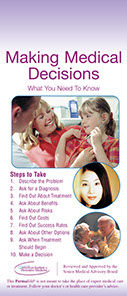
    Cover image to the Making Medical Decision brochure by the American Institute for Preventive Medicine. www.HealthyLife.com. All rights reserved.

    © American Institute for Preventive Medicine

  • Save On Dental Care

    Medical Care

    Image of dentist with patient.

    Take care of those teeth.

    Get a dental checkup twice a year. Brush your teeth two times a day. Floss one or more times a day. You will have something to smile about when you hear “no cavities” and receive lower dental bills.

    Look for advertised specials.

    Many dentists offer specials or discounts to attract new patients. These include free X-rays, cleanings, and/or exams. Even if you have a regular dentist, you can take advantage of these services. Go back to your regular dentist for other work. Look for advertised specials in direct mail packs and local newspapers.

    Save with managed care dental plans.

    If your health insurance plan offers an HMO or PPO option, use one of its dentists. You could save between 25 and 50% on your dental bills.

    Find out about free and low-cost dental clinics and providers.

    Get information fromwww.nidcr.nih.gov/FindingDentalCare.

    Save money at dental schools.

    They give discounts to patients willing to trust dental students. Licensed dentists or dental hygienists supervise the students. Find out where dental schools are located atwww.nidcr.nih.gov.

    X-rays to go.

    Dental X-rays are expensive and expose you to radiation. If you switch dentists, want a second opinion, or must see a specialist, take your X-rays with you. Just ask your dentist or his or her staff for them.

    Materials matter.

    Some types of fillings, bridges, and crowns cost more than others. Talk with your dentist about the ones that suit your needs, as well as your budget. Ask about OTC products to whiten your teeth.

    Cover image to the Healthy Savings book by the American Institute for Preventive Medicine. www.HealthyLife.com. All rights reserved.

    © American Institute for Preventive Medicine

  • You & Your Health Care Provider

    Medical Care

    To take care of your health, you need to follow good health habits. These include eating right, staying physically active, and getting enough sleep.

    You also need to get regular medical care. You are more likely to get the medical care you need when you:

    *  Know where to go for medical care.

    *  Feel comfortable when you see or talk to health care providers.

    Choosing a Doctor

    If You Have Health Insurance

    *  Look for a doctor who accepts your health plan.

    – Check with the plan. You can find this out from the plan’s Web site. You can find this out from the customer service phone number on your health insurance card. If your health plan is from your workplace, you can ask the person at work who handles employee benefits.

    – If you belong to a managed care plan, get a list of doctors who work with the plan. Health Maintenance Organizations (HMOs) and Preferred Provider Organizations (PPOs) are types of managed care plans.

    – If you have Medicare, find out about doctors who accept this fromwww.medicare.govor call 1.800.MEDICARE (633.4227).

    – If you have Medicaid, contactwww.cms.hhs.govor call or visit your local Social Security office.

    *  After you find out which doctors accept your health plan, call their offices to find out if they are taking new patients.

    If You Do Not Have Health Insurance

    *  Look into getting some. Insurance costs money, but having none may end up costing you more.

    – Discuss your health needs and ability to pay for premiums with an insurance broker. Find out about health insurance in your state fromwww.naic.org/state_web_map.htm.

    – Look into group coverage. Find out if you can get health insurance from groups you belong to, such as the school or college you attend or groups, such as AARP.

    *  If you cannot pay for health care, contact the Bureau of Primary Health Care atwww.ask.hsra.gov/pc. This site will help you find a clinic in your area that will provide medical care at a reduced cost or for free.

    *  Know about “Insure Kids Now!” Infants, children and teens may be able to get free or low-cost health insurance from the state you live in. To find out, contact 877.KIDS.NOW (543.7669) orwww.insurekidsnow.com.

    After Finding out Your Options for Doctors

    *  Make a list of things that are important to you. Examples are a close location, if you want a male or female doctor, and someone who can understand and speak your language.

    *  Look for a doctor who has the training and experience to meet your health needs.

    *  Look for a doctor you can relate to. How do you want medical decisions to be made? The doctor alone? You and the doctor together? Interview several doctors before you decide on the one you want. Choose one you feel comfortable with.

    *  Ask about office hours and staffing. Ask how long persons usually wait to see the doctor. Find out how many patients are scheduled to be seen in an hour.

    *  Ask how payment is handled. Must you pay for your visit at that time? Can you be billed and pay later?

    *  Find out what other providers serve as backups when the doctor is away. Ask what you should do at non-office hour times. Ask which walk-in clinic or urgent care center you should use.

    *  Find out which hospital(s) the doctor sends patients to.

    *  Look for a doctor who is competent and can care for all your general health needs. Ask if and who the doctor will refer you to for any special health needs.

    *  Ask relatives and friends if they have been patients of doctors you can choose from and if they would recommend them to you.

    Find out if the doctor is licensed in the state he or she practices in. Check with your local medical society. Information about doctors in most states can be found atwww.docboard.org. More places to find out about a doctor’s credentials are:

    *  The American Board of Medical Specialties (ABMS)  –  866.ASK.ABMS (275.2267)  –www.abms.org

    *  Medical Association’s “AMA Physician Select” free servicewww.ama-assn.org/aps/amahg.htm

    *  The Federation of State Medical Boards  –   888.ASK.FCVS (275.3287)  –www.fsmb.org/members.htm

    *  Health Grades. (There is a fee to use this.)www.healthgrades.com

    * These Web sites:www.docboard.orgwww.healthfinder.gov

    Doctors & Their Specialties

    Different doctors treat different conditions. A list of these specialists is given below and on the next panel. {Note: Some health plans require that you get a referral from your primary doctor to see a specialist and have the costs paid for by the plan. Your health plan may allow you to see a specialist without a referral.}

    *  Allergist – Diagnoses and treats allergies.

    *  Anesthesiologist – Gives anesthetics during surgery.

    *  Cardiologist – Diagnoses and treats diseases of the heart and blood vessels.

    *  Chiropractor – Manipulates and adjusts the spine for therapy.

    *  Dermatologist – Diagnoses and treats acne, skin cancer, and other skin conditions.

    *  Emergency Medicine – Specializes in rapid recognition and treatment of trauma or acute illness.

    *  Endocrinologist – Diagnoses disorders of the internal glands, such as diabetes and thyroid problems.

    *  Family Practitioner – Provides total health care of the individual and the family.

    *  Gastroenterologist – Diagnoses and treats disorders of the stomach, bowels, liver, gallbladder, and other organs of the digestive tract.

    *  Gynecologist – Diagnoses and treats fibroids, ovarian cysts, and other female reproductive system conditions.

    *  Internist – Diagnoses and treats a variety of diseases, especially those of adults.

    *  Nephrologist – Diagnoses and treats diseases and problems of the kidneys.

    *  Neurologist – Diagnoses and treats disorders of the nervous system, such as Alzheimer’s disease and multiple sclerosis.

    *  Obstetrician – Provides care and treatment of females during pregnancy, labor and delivery, and 6 weeks after delivery.

    *  Oncologist – Diagnoses and treats all types of cancer and other types of benign and malignant tumors.

    *  Ophthalmologist – Diagnoses, monitors, and treats vision problems and other disorders of the eye.

    *  Orthopedist – Diagnoses and treats injuries and diseases of the bones, joints, and muscles.

    *  Pediatrician – Diagnoses and treats the physical, emotional, and social problems of children.

    *  Physiatrist – Provides physical and rehabilitation treatment of muscle and bone disorders.

    *  Psychiatrist – Treats and prevents mental, emotional, and/or behavioral disorders.

    *  Radiologist – Uses X-rays and radiant energy for the diagnosis and treatment of disease.

    *  Urologist – Diagnoses and treats bladder and prostate problems and other conditions of the urinary or urogenital tract.

    Calling Your Doctor

    Reasons to Call Your Doctor/Provider

    Common sense says to avoid visits to a provider when they are not really necessary. Yet there are symptoms a doctor should check out. These include:

    *  Any unexplained lumps or swelling.

    *  Frequent nosebleeds.

    *  Blackouts.

    *  Dizzy spells.

    *  Frequent earaches.

    *  Severe depression.

    *  Persistent hoarse voice or trouble swallowing.

    *  Frequent or painful urination.

    *  Breast lumps or pain.

    *  Recurring colds, sweating, fever.

    *  Blood in the urine or stools.

    *  Chronic cough.

    *  Swollen ankles.

    *  Enlarged lymph glands.

    *  Loss of function, stumbling.

    *  Severe insomnia or fatigue.

    *  Persistent thirst.

    *  Convulsions.

    *  Chest pressure or pain.

    *  Weight loss or gain for no reason.

    *  Diarrhea or constipation that does not go away.

    Calling Your Doctor/Provider Checklist

    Things to Find Out Before You Call

    *  What is the best time to call?

    *  What is the provider’s rule for calling back?

    *  Who should you speak with if you can’t talk one-on-one with the provider?

    *  What is the phone number for emergency calls or calls when the office is closed?

    *  Who can you call if the provider is out of town?

    During the Phone Call

    *  Quickly explain why you are calling, especially if you’ve phoned after hours. (Have someone else call if necessary.)

    *  Define your problems and symptoms. Write these down and keep them by the phone so you can report them fast and completely.

    *  Report results of things you have kept track of (e.g., temperature of 101°F for 2 days, diarrhea that has lasted for 48 hours, etc.).

    *  Ask the provider what you should do. Write it down.

    *  Have your pharmacist’s phone number handy.

    *  Ask if and when you should call back, or if you should be seen.

    *  Ask what would require you to go to an urgent care center or to the hospital’s emergency department.

    *  Thank the provider for talking to you on the telephone.

    Office Visit

    Making the Most of an Office Visit

    Before the Office Visit

    *  If necessary, have your medical records, reports, and/or results of lab tests and X-rays mailed or faxed to your provider. Call the provider’s office to find out if your records were received.

    *  Plan ahead of time what you want to discuss. Write it down to take with you. Also, make a list of medications, vitamins, etc. that you take. Include their doses. Or, take them in their original containers with you.

    At the Office Visit

    Be prepared to discuss:

    *  Your current problems, symptoms, and needs. Read or give a written list to your provider.

    *  Any home treatments or self-tests you have done. State what has and has not helped.

    *  Your own and your family’s medical history.

    *  Your daily living habits (e.g., eating, drinking, exercise, smoking, and sleep habits).

    *  Your work, family, and living situations and stresses and changes going on in your life.

    Be prepared to ask:

    *  For an explanation, in simple terms, of: What the provider advises; names and doses of medications, if prescribed; and what the medication should do, how it should be taken, and about side effects.

    *  For the costs of the office visit and tests done and if and who you need to call for test results.

    *  What self-care measures you should do and when you need to call or see the provider again.

    *  For a summary of the office visit to be sent to other providers, if needed.

    Tips to Communicate Well

    *  Be honest. Tell the provider all you know and feel about your problem. Things you notice about your health can help your provider make a diagnosis.

    *  Discuss anything you’ve done that has helped with symptoms or that has made them worse.

    *  Repeat in your own words what the provider has told you with phrases like, “Do I hear you say that…?”

    *  Let your provider know if what is being said or prescribed does not make sense to you.

    *  Take notes on what is said and what you need to do. If you are confused by medical terms, ask for simple definitions. Don’t be embarrassed by this.

    *  Be frank with the provider if any part of the office visit is annoying, such as a lengthy wait or a rude staff member. Be tactful, but honest.

    *  Don’t be afraid to voice your fears about what you’ve heard. The provider may be able to clarify any untruths.

    *  Find out the best time to call the provider if you have questions after you speak with him or her.

    Rating Your Doctor/Provider

    Ask the following questions to rate your provider:

    *  Does the provider listen to you and answer all your questions in terms you can understand? Or is he or she vague, impatient, or not willing to answer?

    *  Are you comfortable with the provider? Can you express your feelings, and talk about personal concerns, including sexual and emotional problems?

    *  Does the provider do a complete job? Does he or she take a complete history and ask about past physical and emotional problems and your family’s medical history? Does he or she find out what medications you take and are allergic to and ask about other matters that affect your health?

    *  Does your provider address the root causes of your medical problems or just prescribe medications to treat the symptoms?

    *  Are you satisfied with the provider’s substitute when he or she is not available?

    *  Is the office staff friendly? Do they listen to you?

    *  Does the provider answer your phone calls promptly?

    *  Do you have to wait for a long time when you have an appointment?

    *  Does the provider have hospital privileges at a respected hospital?

    If you are not satisfied with your answers to these questions, discuss your concerns with your health care provider. If, after doing so, you are still not satisfied, consider looking for another provider.

    Resources

    Agency for Healthcare Research and Quality (AHRQ)

    www.ahrq.gov

    Cover to the You and Your Health Care Provider brochure by the American Institute for Preventive Medicine. www.HealthyLife.com.

    © American Institute for Preventive Medicine

  • Disability Insurance

    Medical Care

    Image of nurse with wheelchair bound women.

    An accident or illness may make it impossible to work. This may mean a drastic drop in income. Disability insurance benefits replace part of the wages lost.

    If you’re considering buying a disability insurance policy, ask the following:

    *  What percentage of your pre-tax salary is paid out? (50 to 60% is average.) How are benefits paid out? Are payments the same or greater in the first few months?

    *  Is there a guarantee that the policy can be renewed?

    *  How long will benefits be paid? Months, years, a lifetime?

    *  Are pre-existing or chronic conditions included?

    *  Can you get disability insurance from your place of work?* How much will this cost you? Group policies may be more flexible on chronic conditions.

    * Veterans can get information on disability compensation from 1-800-827-1000 andwww.va.gov.

    Page from the Health at Home Lifetime book by the American Institute for Preventive Medicine. www.HealthyLife.com. All rights reserved.

    © American Institute for Preventive Medicine

  • Medicare

    Medical Care

    Image of older couple talking to agent.

    Medicare is health insurance funded by the federal government. There is a lot to know about Medicare. For information, call the Medicare Choices Helpline at 1-800-MEDICARE (633-4227). Ask that a copy of the Medicare guide be mailed to you. You can also find out about Medicare on the Internet atwww.medicare.gov.

    To be “eligible” for Medicare means:

    *  You are 65 years or older. You must also be eligible for Social Security or Railroad Retirement Benefits, or

    *  You must be disabled for life and you have received Social Security Disability Insurance payments for at least 24 months, or

    *  You have end stage renal disease needing transplant or dialysis.

    To apply for medicare, call the Social Security Administration. The number is 1-800-772-1213. Call 3 months before you turn age 65. Don’t wait any longer than 3 months after your 65th birthday to call. If you receive social security payments, you should automatically get a Medicare card, but don’t take a chance. Call the Social Security Administration as mentioned above.

    Page from the Health at Home Lifetime book by the American Institute for Preventive Medicine. www.HealthyLife.com. All rights reserved.

    © American Institute for Preventive Medicine

  • Save On Doctor Bills & Health Tests

    Medical Care

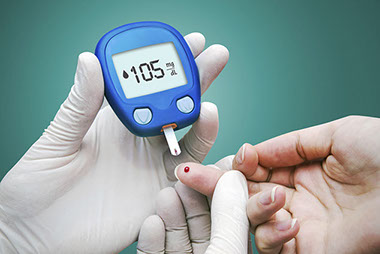
    Close up image of a glucose test.

    Save with self-care.

    It is estimated that 23% of all doctor visits could be treated with self-care.

    Use online medical resources.

    Use credible sites. Look for ones that pass national standards. Examples are ones with the letters HON or URAC.

    Know when to go.

    If you have access to a Nurse Advice Line, use it to find out what you can do to treat the problem yourself or if you need to seek medical care.

    Take part in free or low-cost screening tests.

    These may be held at local health fairs and hospitals and at your place of work. Common things checked are blood pressure, blood sugar, and blood cholesterol. Find out about these from your local newspapers, your work site, your church, and ads that come in the mail.

    Emergency or not?

    Every year, as many as 55% of emergency room visits are not necessary. When your problem is not a medical emergency, see a doctor. Or, go to a walk-in clinic. Walk-in clinics are open evenings and on weekends.

    Find out about national health observances.

    Days, weeks, or months are devoted to promote certain health concerns. For example, October is National Breast Cancer Awareness Month. Free and low-cost mammograms are likely to be offered this month. Find out more from the National Health Information Center atwww.healthfinder.gov/library/nho/nho.aspand the National Wellness Institute atwww.nationalwellness.org.

    Back to school.

    Colleges offer free or low-cost health services to students. Check the school’s Web site for information. Health care can be given on campus. It may be given at clinics or even medical schools near the campus. Some medical schools have clinics that offer reduced cost services to the public, too. Find out if any are near you.

    First do no harm.

    Medical studies report a new “breakthrough” or a new treatment almost every day. Sometimes it’s hard to know what’s good for you. Before you try a new treatment, check with your doctor to make sure it is okay for you. Get facts on products from:

    Ask for seconds.

    Every year, people have six to 10 million surgeries they don’t need. One way to avoid a surgery you don’t need is to get a second opinion from another doctor. When you go to the second doctor, bring copies of your records and tests. That way, you won’t waste time and money having them done again. Check with your health insurance plan to find out if a second opinion is paid for.

    Get help to pay for health problems.

    Find out places you can get help to pay for many health care conditions from MedlinePlus® atwww.medlineplus.gov. Search for “medical financial assistance.”

    Seek out services from support staff.

    Schedule visits with the doctor’s Physician’s Assistant or Nurse Practitioner. The cost may be less. You may also be able to spend more time discussing your needs.

    Time is money!

    The average wait time in a doctor’s office is about 20 minutes, but the wait time can be much longer. Schedule office visits for times that are less likely to be busy, such as the first appointment of the day. You can also call ahead to see if the doctor is on schedule and ask what time you should come.

    Help can be a call or click away.

    When you can, call or e-mail your doctor for advice. Find out the doctor’s rules for phone calling and e-mailing.

    Fee finding.

    Before you have surgery or other medical procedures, your health care provider will contact your health insurance company to find out if and how much of the cost is a covered expense. Then you’ll know what, if any, fees you will be required to pay.

    Ask for itemized bills.

    Get these from your doctor, clinic, etc. If you don’t, you may be sent a bill just for total charges. This won’t show the cost for each procedure, test, etc. You won’t be able to see if you were charged for services you did not receive.

    Make sure bills are correct.

    Check all medical bills and “explanation of benefits” (EOBs) from your health insurance plan. Many bills have mistakes. If you find a mistake, call the phone number on the billing statement.

    Be organized.

    Set up a filing system for all your medical bills, EOBs, receipts for payment, etc. This makes it easier to find what you need.

    *  Keep track of medical bills for each family member.

    *  Keep a tally for the total amount spent. Then you can tell when you reach individual and family “deductibles” and maximum “out-of-pocket” expenses. Your insurance plan won’t start paying until you reach your deductible for the year. Once you have reached your out-of-pocket maximum for the year, the insurance plan pays the whole bill on services they cover.

    *  If you have met your deductible, and especially if you have met your out-of-pocket maximum, schedule follow-up visits, etc. before the year is over. In other words, don’t wait until January to see the doctor. It will cost you less for a doctor visit or other health care service before the end of the year.

    Save on doctor’s fees.

    *  Before you go, ask how much the visit will cost. At each visit, ask again.

    *  Ask your doctor if fees are negotiable. Ask if you can be charged less, especially if you are on a limited income.

    *  Sometimes the doctor’s fee is more than your insurance will pay. If so, ask if your doctor will take what your insurance pays and not ask you for more.

    *  Ask if your doctor will give you a discount for paying at the time of your visit.

    *  Ask for a statement for your insurance company, if you need it. Ask that the right diagnostic and procedure codes be listed.

    Ask why?

    The Food & Drug Administration says that 20 to 60% of medical tests performed aren’t needed. When your doctor prescribes a test or X-ray, ask why it is needed. Ask about risks and what your costs will be. To save time and the cost of more X-rays, find out if any X-rays you’ve already had could be used.

    Grade at-home tests.

    At-home tests can be cheaper and save you a trip to the doctor. But some at-home tests are not as accurate as lab tests. Your doctor or pharmacist can answer your questions about at-home tests.

    Study for that test.

    You have to prepare for some lab tests. Find out what to do before you take the test. For example, you may need to stop eating the night before, follow a special diet, or stop taking all medicines. Get instructions in writing. It’s very important that you follow them. If you don’t, it could ruin the test results.

    Save on costs for medical supplies and equipment.

    First, find out what your health insurance covers for items you need. A prescription may be needed for items to be covered. Check, too, with your senior center, your church, and local agencies for free and used items, such as a wheelchair, a walker, etc. You can also check out Web sites that buy and sell items, such aswww.MEDmarketplace.com.

    Testing, testing.

    Test results can be wrong. If your doctor suggests surgery or an expensive treatment based on a test’s results, you may want to have the test again.

    Cover image to the Healthy Savings book by the American Institute for Preventive Medicine. www.HealthyLife.com. All rights reserved.

    © American Institute for Preventive Medicine