Category: Financial Health

  • Retirement: How Are You Going To Do That?

    FINANCIAL HEALTH

    Image of middle-aged women.

    A secure and worry-free retirement is a cherished dream for millions of us. What will it take for you to achieve that dream? The experts say –

    Save more than you think.Most people have not tried to estimate how much money they will need for retirement. And those who have, usually underestimate the amount they need.

    Know when you will retire.Many working Americans will retire before they expect to, and before they’re ready.

    Plan to live a long life and spend accordingly.Some retirees will live well beyond their life expectancy, with a great risk of outliving their savings.

    Face facts about long-term care.Many people underestimate their chances of needing long-term care. Explore lower-cost plans now.

    Understand your options.Should you take a pension in a lump sum or as a lifetime annuity? Talk with a financial planner (and your doctor) to decide the best option for you.

    Understand your investments.Due to the growth of workplace retirement savings plans, employees are now managing investments for retirement. Need help? Get it from a trusted financial adviser.

    Seek sound advice.Many retirees and pre-retirees do not seek the help of a “qualified professional.” Yet they indicate a strong desire to work with one.

    Know where your retirement income is coming from.You may be disappointed in retirement if you try to live on the income that’s available.

    Deal with inflation.Inflation is a fact of life. After retirement, you won’t be getting pay increases.

    Provide for a surviving spouse.Many married couples fail to plan for the eventual death of one spouse before the other. This can have serious consequences, especially when the survivor is the wife.

    Source: Report from LIMRA International, the Society of Actuaries and Matthew Greenwald & Associates, with research sponsored by the Society of Actuaries Committee on Post-Retirement Needs and Risks

    © American Institute for Preventive Medicine

  • 4 Ways To Save Money At Home

    FINANCIAL HEALTH

    Young couple smiling and holding money.

    Homes come with costs. Rent, mortgage, utilities and other expenses can add up. Here are some ways to save right at home that can help your wallet.

    Unsubscribe from advertising.

    Getting emails from stores and companies can tempt you to buy things you don’t really need.

    Cool down the water heater.

    Turn down the water heater 10 degrees and you can save 5 percent on water heating costs.

    Check your insurance.

    Shop for homeowners insurance every year or two. You may find a cheaper plan with the same coverage.

    Source: American Academy of Family Physicians

    © American Institute for Preventive Medicine

  • 4 Behaviors For A Healthy Wallet

    FINANCIAL HEALTH

    Concept image of growing leaf with stacked coins.

    1. Make a budget and stick to it.

    Many money experts will tell you that you need to know where your money is going each month. Creating a budget helps to see how much you spend on certain things and where you can cut back to save even more.

    2. Check your credit report each year.

    You are entitled to a free credit report once per year. This is an important step to help spot identity theft early. Your credit report can affect your mortgage rate and ability to get a loan.

    3. Shop around for a good APR on your next loan.

    The annual percentage rate (APR) on a loan is an important number. This is the total cost, including fees and interest, described as a yearly rate. The APR can vary widely between banks or lenders. It pays to take some extra time to find the best rate. Make sure you understand exactly what you will pay.

    4. Put money away for an emergency fund.

    Having an emergency fund offers peace of mind and protection from unexpected costs. Even a few dollars a week can add up, so save what you can.

    Paycheck checkup

    The Internal Revenue Service (IRS) says employees should look at their paycheck withholdings each year. Withholdings are taxes that are taken out of your paycheck.

    It’s especially important to check your withholdings in 2018, the IRS says. The Tax Cuts and Jobs Act, signed in December 2017, may change how much you want withheld.

    The IRS has a withholding calculator on their website at:apps.irs.gov/app/withholdingcalculator. This calculator can help you be sure that you aren’t having too much or too little tax withheld from your paychecks.

    © American Institute for Preventive Medicine

  • Save Money On Health Expenses

    FINANCIAL HEALTH

    Image of stethoscope and money on top of paper work.

    Unexpected health care costs can be hard on any budget. To help manage your own health care costs:

    *Get preventive care.Well visits and checkups often cost a lot less than treating a disease or illness. Talk to your doctor and dentist about how often you should be seen, and stick to this schedule.

    *Use generic medicines.Name brand medicines can cost hundreds of dollars more than generic ones. Ask your doctor if a generic medicine is available for your condition. Tell your doctor if you are having trouble paying for medications. Drug makers sometimes offer coupons or savings cards for people who need them.

    *Shop around for your prescriptions.Medicine costs can vary widely among pharmacies. Call pharmacies and ask for the cost of your prescription medicine. Some websites also have prescription medicine costs available for pharmacies in your area. You may also wish to look into mail-order pharmacies.

    *Check your medical bills.Make sure there are no mistakes on your doctor, hospital or prescription bills. And, be sure your insurance covered services it is supposed to cover. If you have questions, or think you may be over-billed, call the number listed on your bill.

    Source: Consumer Federation of America

    Watch those late fees!

    A few dollars here, 20 dollars there… late fees can add up. Whether it’s your credit card bill or a service you received, make an effort to pay your bill on time. Avoid late fees by getting bills set up on automatic payment plans. Or, have a special slot on the wall to place bills that haven’t been paid. Then, they won’t get buried under junk mail or other papers on your desk.

    © American Institute for Preventive Medicine

  • An Annual Financial Review

    FINANCIAL HEALTH

    Women writing on paper with laptop next to her.

    Managing your finances is a long-term investment. Following a budget is the blueprint for financial health. But, how do you know if it’s working?

    A yearly financial review provides a snapshot of how well your financial management achieves your financial goals. And it allows you to identify and adapt to changes in your financial health.

    Step 1: Review your debts

    Begin by making a list of all your debts and their interest rates. Evaluate your progress in reducing your debt burden in the past year. Determine if your current payoff plan is working or if you need to allocate more resources to reduce debt.

    Step 2: Reevaluate your budget

    Compare your budget to your actual monthly expenses. Make adjustments so it accurately reflects your current bills and income. It’s normal for things to change over the course of a year. Identify areas where you are overspending and need to adjust either your budget or your spending habits.

    Step 3: Assess your savings

    It’s wise to have a rainy-day fund set aside in a separate savings account. That account should be paid into each month to provide a safety net in case of unexpected expenses. Check to see how well you did contributing each month.

    Step 4: Review retirement accounts

    Check in with any retirement or investment accounts and consider whether they are growing at a comfortable pace. Make sure you are taking full advantage of any matching retirement funds from your employer. Double-check how the maximum IRA contribution may affect you in the coming year.

    Step 5: Update your financial goals

    Using all the information you have gathered, set both short and long-term financial goals. Paying off debts, reducing expenses, increasing savings or retirement, or planning for a large purchase can all be part of your updated goals. Keep the goals specific and measurable.

    © American Institute for Preventive Medicine

  • Beware Of “Free” Trials

    FINANCIAL HEALTH

    Image of the words "Scam Alert"

    We’ve all seen offers for “free trials” of products or services. It seems like a good idea because if you don’t like it, you can just end the trial and pay nothing, right?

    Not necessarily. Here are some of the ways dishonest companies may use these trial offers:

    *  They make it hard for the consumer (you) to cancel. Perhaps you need to call a phone number, but you can’t get anyone to answer or they put you on hold for long periods.

    *  They hide the terms and conditions in tiny type that’s hard to read.

    *  They use pre-checked boxes as the “default” setting online.

    *  They have extremely strict rules about returning and canceling something.

    *  They charge you for shipping and handling. This means they now have your credit card number, making it easy for them to charge you for something later.

    *  They automatically enroll you in a club or subscription that sends you things each month. Or, the subscription automatically renews without your consent.

    Even with honest and good business practices, you’ll still need to cancel or take some other action before the trial ends. If you don’t, the company may take this as a go-ahead to charge you for something you may not want.

    Avoiding Scams

    Not all free trials are scams. But, before you sign up for one, take these steps:

    *Research the company online.Look for customer complaints about their service or trial offers.

    *Read the terms and conditions.If you can’t find them, don’t sign up.

    *Beware of pop-ups.A pop-up on a website may be from a different company. Be sure you deal with the company you really want.

    *Watch out for pre-checked boxes.A little checkmark may give your consent to continue the offer past the free trial or to sign up for more products.

    *Mark your calendar.Be sure you are ready to cancel your trial before it expires. Plan to do this at least a couple of days in advance so you are well within the time limit.

    *Check your credit and debit card statements.If you see unknown charges, contact the company. If that doesn’t work, contact your credit card company to dispute the charge.

    If you’ve been wrongly charged for a free trial offer, report it to the Federal Trade Commission. You also can contact your local consumer protection agency, and file a complaint with the Better Business Bureau.

    Source: Federal Trade Commission

    © American Institute for Preventive Medicine

  • Save More, Spend Less

    FINANCIAL HEALTH

    Image of women at kitchen counter with groceries and placing money in a piggy bank.

    According to the American Psychological Association, finances are the number one cause of stress in America. Whether it’s meeting the monthly bills or trying to build a retirement fund, financial worries can be difficult to deal with.

    If you’re looking for ways to stretch your monthly budget, the Federal Trade Commission offers some tips that may help you save more and spend less without feeling the pinch.

    Start with a budget.

    This may not be fun, but it doesn’t have to be long and difficult. You can use something as simple as a two-column sheet of paper. In one column, write your net income for the month. In the other column, record all your expenses: basic monthly bills (mortgage, food, transportation), lifestyle choices (entertainment, eating out, personal care, pets), and other expenses. This will give you a clear idea of how much you need to save or cut back on spending. The FTC website offers a free budget worksheet atwww.consumer.ftc.gov/articles/pdf-1020-make-budget-worksheet.pdf.

    Consider direct deposits into savings accounts.

    Have part of your paycheck go directly into a 401 savings or other type of retirement account. Have additional money put into another savings account for an emergency fund and major expenses as needed.

    Pack lunches.

    A daily $6 spent on lunch adds up to $800 a year. Instead, make extra food for dinner and take leftovers or make your own sandwich. Or, purchase healthy frozen meals when they’re on sale.

    Use free community services.

    Most cities have well-stocked libraries that have books, magazines, music, games, and movies. You can check these items out for free.

    Know that every little bit helps.

    Make small, manageable goals to help you save. Even just $1,000 less on your credit card bill could save you hundreds of dollars in interest each year. Eating out one fewer time each week adds up to big savings in a few months. Rather than being discouraged by a goal that seems impossible, look for small, doable ways to save a few dollars here and there.

    © American Institute for Preventive Medicine

  • Are Payday Loans Worth It?

    FINANCIAL HEALTH

    Person holding open empty wallet.

    When you need money, payday loans may seem like a quick, easy option. But these loans may not be worth the money they cost you.

    Payday loans are also called cash advance loans. They’re a short-term loan. You pay a fee – often a big one – to borrow money for a short amount of time.

    How does a payday loan work?

    *  You give the lender a check for the amount of money you want to borrow plus the fee to borrow it. For instance, if you borrow $500 and their fee is $75, you give the lender a check for $575.

    *  The lender keeps your check and gives you $500 cash.

    *  On your next payday, you pay the lender $575. You can have the lender cash your original check or you can pay in cash.

    If you can’t pay back the $575 on your next payday, you may have to roll over the loan. This means you may pay another fee. The high fees for these loans add up quickly. It can get so expensive that you end up paying back an amount much higher than what you borrowed.

    Other loan options

    Payday loans are often not worth the cost. Consider borrowing money from your bank or credit union or use your credit card instead. Even if your credit card interest rate is 20%, this may still be lower than a payday loan.

    Sometimes you can ask for more time to pay your bills. A credit counselor may be able to help with this.

    Compare loan costs

    If you need a loan, ask about these things before you sign and agree:

    *  What is the annual percentage rate (APR)?

    *  What are the fees?

    *  When do I pay it back?

    *  What happens if I can’t pay it back on time?

    Sometimes things happen and you need some money quickly. If you’re in this situation, try to find a loan with low fees. Think about the amount you need. Only borrow what you know you can pay back with your next paycheck.

    Source: Federal Trade Commission

    © American Institute for Preventive Medicine

  • Debt Consolidation – Does It Work?

    FINANCIAL HEALTH

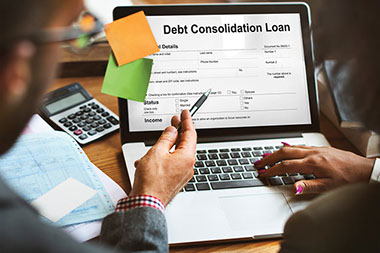
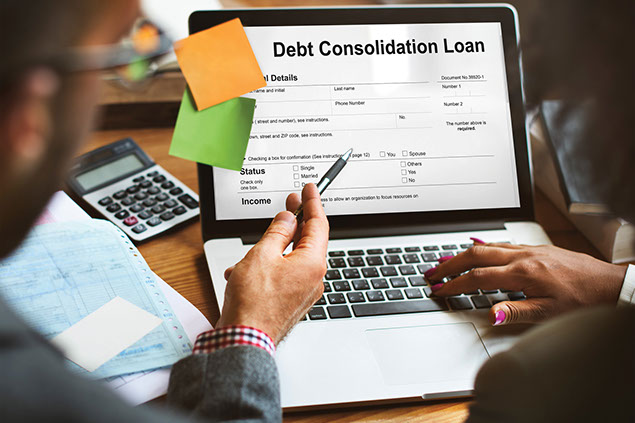
    Image of two people reviewing debt consolidation on computer screen.

    Many people have a hard time paying off their credit cards. In fact, the Federal Reserve estimates that the average American household has more than $15,000 in credit card debt.

    When you’re trying to make payments and have multiple cards to pay off, it can feel overwhelming. In these situations, many people turn to debt consolidation. Consolidating debt means that all of your separate payments are lumped into one monthly payment.

    Some banks, credit unions, and other lenders offer debt consolidation loans. Having just one payment can alleviate some of the stress of paying off multiple debts. But there are some things you should know before you move forward:

    *Contact your individual creditors to see if they can lower your payments first.Some creditors are willing to allow you to pay a lower amount each month when you can’t afford the higher amount.

    *Ask about the interest rate of a consolidation loan.You don’t want to wind up paying more in interest, because this can make your debts even more difficult to pay off. It also adds up to more money out of your pocket.

    *Ask about balance transfer fees before you consolidate.Some loans and credit cards will charge you a fee if you’re transferring your other debts.

    *Be wary of 0% or low-interest credit cards.Many of these only offer this low rate for a certain amount of time. After that, you may be paying a much higher rate and could end up with even more debt than before. Some will raise your rate if you’re late on just one payment. Make sure you understand when this low rate will end, and whether your rate could be raised for late payments. Find out what the interest rate would be on new purchases. Keep in mind that many people who have lower credit scores can’t get the advertised low rates.

    *Make sure you’re getting a good deal.Add up all of your current payments you make. Include all of the fees and interest you pay now. Compare this total with the amount you’d pay with a consolidation loan. In some cases, you’re not getting a better deal by consolidating.

    *Be aware of the risks of home equity loans.These loans allow you to borrow against the value of your home. If you can’t pay it back, you could lose your home. These loans also decrease your home’s worth.

    Before you take out a new consolidation loan, you may wish to talk to a nonprofit credit counselor. He or she can help you figure out your options for paying off debt. To find one, contact your state attorney general’s office or visit:www.justice.gov/ust/list-credit-counseling-agencies-approved-pursuant-11-usc-111

    Source: Consumer Financial Protection Bureau

    © American Institute for Preventive Medicine

  • Saving Food, Saving Money

    FINANCIAL HEALTH

    Image of couple at the grocery store.

    In the U.S., we throw out millions of tons of food each year. Most people have thrown out food that spoiled or was simply never eaten. This harms the environment because it adds up to more waste, and it’s also harmful to your budget. It’s a lot like throwing money in the garbage! In addition, some of that wasted food could have gone to people who don’t have enough to eat.

    Shopping, planning, saving

    The number one way to stop wasting food is to plan meals and shop for only those meals. You’ll need to make a shopping list and stick to it when you go to the store.

    Your list should have ingredients for all your meals, including main dishes, sides, drinks and snacks. Then, buy only what’s on the list. This requires some extra time and planning, but the savings can add up.

    Some people like to shop for the whole week, while others shop for only a few days at a time. This is up to you. No matter how you like to shop, having a list can save you money and cut down on food waste.

    In the end, your budget and the environment will thank you. As an added bonus, you will be eating healthier by planning your meals ahead of time.

    Keep the pantry organized

    Have you ever bought a can of beans, only to find that you already had three at home? Having an organized pantry can help avoid this.

    Try putting your pantry into sections. You may wish to divide up canned foods into categories like fruit, vegetables, beans and other foods. Have another section for pasta, one for rice and so on. Being able to quickly glance at the pantry when you’re making your shopping list can save time and prevent buying duplicates.

    Other tips to prevent food waste

    *  Buying bulk portions can be a big saving – but only if you eat it. Only buy these large portions if you plan to use or freeze it all before it expires.

    *  Eat leftovers! Have a leftover dinner night, rather than cooking another meal. Get creative and use leftovers to make a casserole, soup or sandwiches.

    *  Check your fridge first. Before you go shopping, see what you already have in your fridge. Eat what you have on hand before buying more.

    *  Ask local food banks about their needs. Donate food that you don’t think you will use instead of throwing it away.

    Source: Environmental Protection Agency

    © American Institute for Preventive Medicine