Category: Fitness

  • Don’T Just Sit There

    BE FIT

    Image of man running.

    When you’re upright and active, even briefly, your body is at work. “You’re engaging a wide range of systems in your body when you move throughout your day,” says Dr. Charles E. Matthews, who studies physical activity and cancer risk at NIH. “Your muscles are contracting, you’re maintaining your balance, and you’re resisting the force of gravity.”

    When you’re sitting, he says, “Muscle contractions go way down, and your body’s resistance to gravity decreases.” When you sit for long periods, your body adapts to the reduced physical demand and slows down its metabolism. When metabolism slows, you burn fewer calories and boost the chance that extra energy will be stored as fat.

    The best way to raise your metabolism is simply by  moving. The more you move, the better.

    A new study led by NIH’s Dr. Steven Moore looked at data on more than 650,000 adults, mostly age 40 and older. The researchers found that leisure-time physical activity was linked to a longer life expectancy, regardless of how much people weighed.

    “We found that even a low level of physical activity-equivalent to about 10 minutes a day of walking-was associated with a gain of almost 2 years in life expectancy. High levels of activity-equivalent to about 45 minutes a day of walking-were associated with a gain of 4 years or more,” says Dr. Moore.

    Look for opportunities to be active throughout your day. Get moving as much as you can.

    © American Institute for Preventive Medicine

  • Get Fit While Cleaning House

    BE FIT

    Image of women cleaning the oven.

    If you have a home, you probably spend a good amount of time cleaning it. What if you spent that time not only cleaning your house, but cleaning up your health too?

    If you do your chores with a few fitness upgrades, you could burn extra calories and feel great when you’re done. Here’s how you can do it:

    1. Turn on the tunes.

    Use upbeat music to get motivated and set it for 30 minutes of play time. Or, set an oven timer for 30 minutes. Then, dance and move around the house as you organize, sweep, wash dishes or put laundry away. Keep your body moving as much as possible but make it fun!

    2. Focus on a muscle group while working.

    If you’re vacuuming or mopping floors, you’re already burning some calories. But, take it up a notch by working your muscles even harder during the task. For instance, hold your abdominal core (belly) muscles tight as you do your task. Try holding them for 10 seconds. Then, take a 10-second break. If this becomes too easy, increase the time to 20 seconds.

    3. Do squats as you pick up.

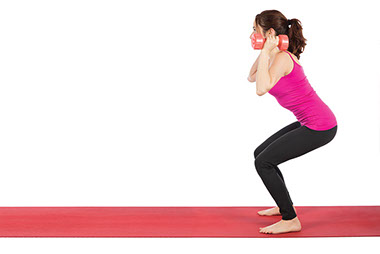
    If you’re spending time getting toys, clothes or other items off the floor, use this chore to work your lower body. After you pick up something, do a squat. Keeping your back straight and belly tight, slowly bend your knees and lower your bottom slightly toward the floor. Don’t let your knees reach over your toes. Come back up slowly. If this hurts your knees or back, you should stop.

    Remember, exercise doesn’t have to be a workout at the gym. You can move your body while doing everyday jobs and multitask for your health!

    Sources: Calorie Control Council, Compendium of Physical Activities

    © American Institute for Preventive Medicine

  • What’S Your Excuse?

    BE FIT

    Image of gym shoes with the words "No Excuses".

    So you want to be physically active, but something is holding you back. Figure out what’s standing in your way, and then clear a path because you can make regular physical activity part of your life, says the government’s Weight-control Information Network (WIN).

    Excuse #1: I’m too busy to exercise because I have work, family, and other demands.

    *  Make physical activity a priority. Carve out some time each week to be active and put it on your calendar. Try waking up a half-hour earlier to walk, schedule lunchtime workouts, or take an evening fitness class.

    *  Build physical activity into your routine chores. Rake the yard, wash the car, or do energetic housework. That way you do what you need to do around the house and move around too.

    *  Make family time physically active. Plan a weekend hike through a park, a family softball game, or an evening walk around the block.

    Excuse #2: I’m too tired to work out at the end of a long day.

    *  Think about the other health benefits of physical activity. Regular physical activity may help lower cholesterol and blood pressure. It may also lower your risk of having heart disease, type 2 diabetes, or cancer. Research shows that people who are overweight, active, and fit live longer than people who are not overweight but are inactive and unfit. Also, physical activity may lift your mood and increase your energy level.

    *  Do it just for fun. Play a team sport, work in a garden, or learn a new dance. Make getting fit something fun and that you look forward to.

    *  Train for a charity event. Work to help others while you work out.

    Excuse #3: Getting on a treadmill or stationary bike is boring.

    *  Meet a friend for workouts. If your buddy is on the next bike or treadmill, your workout will be less boring.

    *  Watch TV or listen to music or an audio book while you walk or pedal indoors. Check out music or audio books from your local library or download to your phone or iPod.

    *  Get outside. A change in scenery can relieve your boredom.

    © American Institute for Preventive Medicine

  • Staying Active When School’S Out

    BE FIT

    Image of little girl playing tennis.

    When summer arrives, kids often want to spend time in front of the TV or on their computer and digital devices. But, exercise is important year-round. In fact, most kids need at least an hour of vigorous exercise each day. How can you get your kids to exercise during the summer?

    *  Get them together with friends. Older kids may enjoy a bike ride or walking the dog if they have a buddy alongside them. When friends come over, make all screens off-limits.

    *  Find summer camps. If your child likes a sport, many programs offer camps that give them social time as well as exercise. Also, there may be programs for dance, gymnastics, swimming and other activities.

    *  Talk to your sitter about rules. If you have a babysitter during the summer, make your screen-time limits clear. Have the babysitter take them outside or to the local park, if possible. Choose a sitter who is willing to play with them outside and encourage them to be active.

    Source: U.S. National Library of Medicine

    Why kids need exercise

    Kids of all sizes, shapes and ages need exercise every day. Exercise helps kids:

    *  Learn and grow in school

    *  Build healthy bones, muscles and joints

    *  Get better sleep, which is important for their overall health and mental well-being

    *  Develop a healthy habit that is important throughout life

    *  Feel more confident and happier

    *  Deal with stress

    If your child isn’t active, it’s never too late to start. Find an activity they like and help them get moving.

    © American Institute for Preventive Medicine

  • Be A Good Sport

    BE FIT

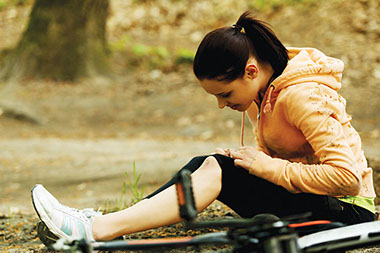
    Image of women with knee injury from riding a bike.

    Whether you’ve never had a sports injury and you’re trying to keep it that way or you’ve had an injury and don’t want another, the following tips from the National Institute of Arthritis and Musculoskeletal and Skin Diseases can help:

    *  Avoid bending knees past 90 degrees when doing half knee bends.

    *  Avoid twisting knees by keeping feet as flat as possible during stretches.

    *  When jumping, land with your knees bent.

    *  Do warm-up exercises not just before vigorous activities like running, but also before less vigorous ones such as golf.

    *  Don’t overdo.

    *  Do warm-up stretches before activity. Stretch the Achilles tendon, hamstring, and quadriceps areas and hold the positions. Don’t bounce.

    *  Cool down following vigorous sports. For example, after a race, walk or walk/jog for 5 minutes so your pulse comes down gradually.

    *  Wear properly fitting shoes that provide shock absorption and stability.

    *  Use the softest exercise surface available, and avoid running on hard surfaces like asphalt and concrete. Run on flat surfaces. Running uphill may increase the stress on the Achilles tendon and the leg itself.

    © American Institute for Preventive Medicine

  • Don’T Wait For The New Year – Get Fit Today!

    BE FIT

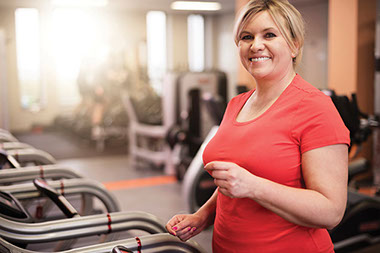
    Image of women at gym using the treadmill.

    Many people find it easier to wait until January 1 to start healthy habits. After all, getting more exercise is a great way to kick off a healthier year.

    But, with the tremendous benefits of exercise, why wait? Some people assume that it will take weeks of exercise to start looking or feeling better. Did you know there are some benefits to exercise that you will feel the first time you work out? You can reap the rewards of exercise – starting today!

    These are some of the benefits of exercise that can make your day even better:

    *  Better memory and thinking. If you need to stay focused on something, some exercise may help by promoting better memory and brain performance.

    *  Better sleep tonight. Tired of tossing and turning? People who exercise may fall asleep faster and have better quality sleep that very same night.

    *  Less stress or anxiety. The more you exercise, the better it is for your stress levels. But, even a few minutes of exercise can help improve your mood and lower anxiety right away.

    Start small

    It can be tough to fit in exercise around the holidays. With parties and gatherings, you may have even less time than usual. Don’t let that stop you.

    Instead, make a small and doable goal for exercise. Maybe walking twice a week is all you can do right now. Whatever it is, make it a goal you can achieve. A realistic goal will keep you motivated long after the New Year’s resolutions have come and gone.

    Sources: Anxiety and Depression Association of America, Journal of Psychology and Aging, International Sportmed Journal

    © American Institute for Preventive Medicine

  • Get Your Game On

    BE FIT

    Image of two males playing active video game, such as the Wii.

    Active video games, also known as “exergames,” are not the perfect solution to getting the nation moving, but they can play a role in getting some people up off the couch and moving right in front of it.

    Michigan State University researchers reviewed published research of studies of these games and say that most of the games provide only “light-to-moderate” intensity physical activity.

    And that, they say, is not nearly as good as what would be real exercise, but video gaming may be a step in the right direction. They generally do not provide the recommended 30 minutes of moderate activity per day, but for some people, the researchers said, light activity can sometimes be enough.

    The researchers named the three video gaming systems that offer active video games as ways to increase physical activity: Nintendo’s Wii, Xbox 360 (Kinect), and PlayStation 3 (Move). The study was published in Health Education and Behavior.

    © American Institute for Preventive Medicine

  • Physical Fitness And Sports

    BE FIT

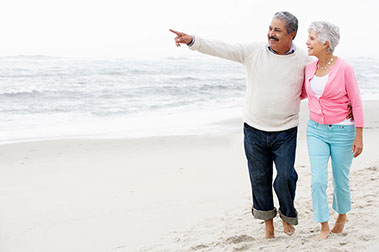
    Image of older man ready to exercise.

    Along with healthy eating, physical activity increases your chances of living longer. Exercise can also help:

    *  Control your blood pressure, blood sugar, and weight

    *  Lower your “bad” cholesterol and raise your “good” cholesterol

    *  Prevent heart disease, colorectal and breast cancer, and type 2 diabetes

    And that’s not all. Being more active can:

    *  Be fun

    *  Help you look your best

    *  Improve your sleep

    *  Make your bones, muscles, and joints stronger

    *  Lower your chances of becoming depressed

    *  Reduce falls and arthritis pain

    *  Help you feel better about yourself

    For adults, most health benefits come with at least 150 minutes a week of moderate-intensity physical activity, such as brisk walking. Extra benefits occur with more physical activity. Both aerobic (endurance) and muscle-strengthening (resistance) physical activity are helpful.

    Children need 60 minutes of play with moderate to vigorous activity every day. If this sounds like a lot, consider that eight to 18 year olds spend an average of 7.5 hours a day sitting. This includes using computers, video games, cell phones and watching TV and movies.

    Make exercise fun

    No matter what shape you are in, you can find activities that you enjoy. If you think of exercise as a chore that you have to do, it can be harder to stick with it.

    *  Choose activities you enjoy and look forward to. Do ones you enjoyed as a child.

    *  Set up a walking program with a friend, family member, or coworker you enjoy being with.

    *  Wear a pedometer to track your steps. Aim for a goal of 10,000 steps a day.

    *  Enjoy a sunny day and fresh air with outdoor activities.

    *  Play outdoors with your children and grandchildren.

    *  Use fitness facilities at your work.

    © American Institute for Preventive Medicine

  • Staying Active With A Disability

    BE FIT

    Image of disabled man on treadmill.

    Most of us know that exercise is great for our health. But, if you or someone in your family has a disability, exercise can feel like a difficult task. Not only do you have to find time and energy to do it, but you need to worry about accessibility, too.

    Make sure your doctor gives you the okay before you begin any exercise program.

    It can be frustrating when your favorite activity doesn’t seem to work for you. But, some extra research may be worth the effort. These tips can help you get started:

    *  Check into races. There are many 5K, 10K and longer races that are accessible to people with many types of disabilities. And, many of them raise money for charitable causes. This may also help motivate your family to get out and train for a race and have fun together. Be sure to ask in advance about accessibility to be sure it will work for you.

    *  Get outside and do what you love. Have outside time a few times a week. This can be as simple as throwing a ball in the yard, going to an accessible playground, gardening or playing with the hose or sprinkler on a hot day.

    *  Ditch the car for short trips. If you live near a town, consider walking to the store for an errand. If this isn’t realistic, get some miles in at a mall or shopping center. Park at one end and visit the shops all the way at the other end.

    *  Modify your sports. Many sports can be fun and challenging with some minor changes. Walking instead of running for soccer, using a larger or softer ball for volleyball, or omitting the net in tennis may make the game work for you.

    *  Try low impact activities. Joining an aquatic exercise program or using rowing machines are two great activities for those who have joint limitations.

    Activities for people with disabilities

    Check with the following organizations to see who offers adaptive programs and activities:

    *  Your city or county recreation department

    *  Local YMCA or YWCA

    *  Boy Scouts or Girl Scouts councils

    *  Nearby high schools, colleges and universities

    *  Chamber of Commerce

    *  Center for Independent Living (CIL)

    *  National and State parks (many have paved hiking trails)

    Finally, talk with your doctor or health care provider about your desire to get active. They may have resources to help you get started. Join support groups with people who have disabilities like yours and use the power of community to find out about fun and active things you can do.

    Sources: The National Center on Health, Physical Activity and Disability (NCHPAD), U.S. Department of Health and Human Services

    © American Institute for Preventive Medicine

  • Be Fit

    BE FIT

    © American Institute for Preventive Medicine