Category: Healthy Eating

  • Curry: A Powerhouse Spice

    HEALTHY EATING

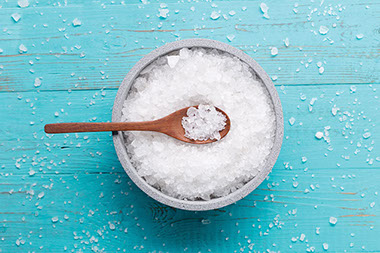
    Curry powder and wooden spoon.

    Curry is a unique, delicious spice commonly found in East Indian cuisine. Curry powder is actually a blend of several ground spices, including turmeric, coriander, pepper, cumin, cinnamon, and chili. Each mixture can be different, and its color ranges from golden yellow to deep orange. The spices that make up curry powder have long been used in traditional Ayurvedic medicine. More recently, modern science is researching some possible health benefits.

    Decreased Inflammation

    One of the main ingredients in curry, turmeric, contains a botanical component called curcumin. It has been studied for its anti-inflammatory ability. Curcumin may be beneficial for people with inflammatory conditions such as arthritis and inflammatory bowel disease.

    Improved Digestion

    Many of the spices in curry powder may help digestion. Turmeric, cinnamon, and cumin are among the spices known for improving digestive health. Some curry blends also contain ginger, which may help reduce nausea and speed digestion.

    Antioxidant Properties

    Antioxidants are abundant in curry powder. These act to help prevent cell damage and protect against early aging. In general, plant foods with rich, deep colors are higher in antioxidants. Curry is no exception. The bright yellows and oranges indicate a variety of potent antioxidants.

    Heart Health

    Curry powder may help decrease blood pressure and lower levels of cholesterol and triglycerides.

    Cancer-Fighting

    Turmeric shows promise as an anti-cancer agent by interfering with cancer cells. The anti-inflammatory and antioxidant properties of curry may also be protective against cancer.

    Ask Your Doctor

    Always check with your doctor before taking turmeric or curcumin as a supplement.

    © American Institute for Preventive Medicine

  • Fill Your Grill, But Keep It Healthy

    HEALTHY EATING

    Vegetables on the grill.

    Many people like to use their grill or barbecue during the summer months. While grilling can create delicious meals, it’s important to know how to avoid grilling meats the wrong way, which can increase cancer-causing substances in the food.

    Substances known as polycyclic aromatic hydrocarbons (PAHs) and heterocyclic amines (HCAs) can be found in meat that is cooked at high temperatures. These substances have been shown to cause cancer in laboratory animals. But the levels used in the animal studies were very high. Experts cannot say for sure how much of these substances would cause cancer in people.

    PAHs and HCAs can be found in meat that has been grilled, especially if it’s charred or blackened. Meat that is smoked may also contain these chemicals.

    To lower these substances in grilled food, you can:

    *  Avoid burning or charring the food when grilling.

    *  Turn meat frequently when grilling to avoid burnt or very hot areas.

    *  Don’t let the flames touch the meat directly.

    *  Marinade the meat first.

    *  Wrap meat in foil before placing it on the grill.

    *  Trim excess fat off of meat to avoid charring.

    *  Cut it up. Smaller pieces of meat will cook faster throughout. Try skewers or small pieces mixed in foil packets with vegetables.

    Beyond meat

    Vegetables and fruits can be delicious on the grill and they don’t have the risk of PAHs or HCAs. This doesn’t mean that meat-lovers have to avoid their favorite foods. Instead, have a portion of meat about the size of a deck of cards. Then fill the rest of your plate with vegetables. Red peppers, tomatoes, pineapple, peaches and asparagus are just a few of the vegetarian options that are both delicious and nutritious on the grill.

    Sources: American Institute for Cancer Research, National Cancer Institute

    © American Institute for Preventive Medicine

  • Make Your Picnic Fun & Safe

    HEALTHY EATING

    Family have a picnic.

    Many people enjoy outdoor eating throughout the spring and summer. But don’t let unsafe food rain on your picnic. Food poisoning can happen when food is not kept at the right temperature during barbecues and outings. Dangerous bacteria can grow on the food and make people sick.

    Luckily, there are some simple precautions you can take to be sure your picnic food stays safe to eat.

    Clean hands

    If you’re using a picnic site without running water and soap, bring your own. A large jug of water, some soap and paper towels will work.

    If you don’t have a jug of water, use antibacterial hand wipes. Encourage everyone to clean their hands before eating, after using the bathroom and before serving food.

    Hot and cold

    One of the keys to eating safe food is to keep hot foods hot and cold foods cold. Don’t let food become just warm or room temperature.

    The “danger zone” for bacteria to grow is between 40 and 140 degrees. If food stays at this temperature for two hours, bacteria can grow rapidly. If it’s hot outside (90 degrees or above), food can become unsafe after just one hour in the danger zone.

    To keep food cold, use ice packs or fresh, clean ice. Check it often to be sure the ice is still cold. Try to avoid opening the cooler too often.

    To keep hot foods hot, use insulated containers and microwaveable heat packs. Keep children away from hot containers or heat packs.

    Dishes and utensils

    If you’re using a grill, you may need to place raw meat, poultry or seafood on the grill. But be careful about what that raw food touches.

    Don’t reuse a plate or utensils that touched raw meat, poultry or seafood. Germs from the raw food can contaminate the cooked food and cause illness. Wash all the dishes and utensils in hot, soapy water before using them again.

    Wash produce before you go

    Before you pack your picnic basket, wash any fresh fruits or vegetables. This will ensure they are clean when you are ready to eat.

    Source: Food and Drug Administration

    © American Institute for Preventive Medicine

  • Pros & Cons Of Beef

    HEALTHY EATING

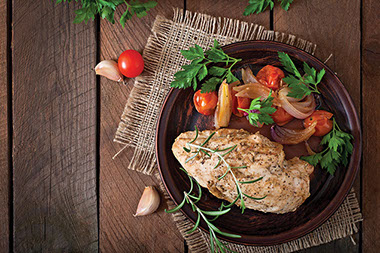
    Two pieces of beef with garnish.

    If you feel confused about whether it’s OK to eat burgers and steak, you are not alone. While there is no one right answer for everyone, there are helpful guidelines that can aid you in deciding whether eating beef is right for you.

    Some people choose to give up beef completely, and that’s perfectly fine and healthy.

    However, if beef is a food you enjoy, you don’t necessarily have to cut it out of your diet. There is a middle path that can help you prevent some of the drawbacks of eating beef and still enjoy this nutritious protein source.

    Pros of eating beef

    *  Concentrated source of protein

    *  Provides essential nutrients such as vitamin B12 and iron

    *  Grass-fed beef can provide healthy omega 3 fats

    *  Cattle raised using regenerative agriculture techniques can provide environmental benefits

    Cons of eating beef

    *  High intake of red meat is linked to increased risk of heart disease, cancer, and diabetes.

    *  Cattle raised on feedlots may have a negative environmental impact

    *  Conditions in some feedlots may be concerning

    *  Processed red meats contain chemicals that can be cancer-causing

    If you eat meat

    Limit your overall intake: Moderation is key, not only in portion size but also frequency. The recommended portion size of beef is about 3-4 ounces. Limit red meat consumption to two or three times a week.

    Choose lean red meat: Avoid processed, smoked, or cured meats such as hot dogs, cold cuts, and jerky. Instead, opt for lean cuts of beef such as:

    *  90% or more lean ground beef

    *  Sirloin cuts

    *  Round cuts

    Choose grass-fed beef: Grass-fed beef is lower in total and saturated fat. It also contains more healthy fats, such as omega 3’s while still providing vitamin B12 and iron.

    Source: Centers for Disease Control and Prevention

    © American Institute for Preventive Medicine

  • Should You “Wash” Your Food?

    HEALTHY EATING

    Bowl of water with fruit and vegetables and a pair of disposable gloves.

    When COVID-19 started to spread, many people became more concerned about germs. Some articles and videos about washing your food started to make the rounds on the Internet. But are you supposed to sanitize food or use soap? Or is water enough?

    If you’re worried about keeping your food clean, here are some tips.

    At the grocery store

    Start with a clean cart. Most grocery stores have sanitizing wipes at the entrance. Some are also sanitizing carts themselves and giving customers a clean cart or basket as they arrive.

    Get a sanitized cart or use a sanitizing wipe to clean the handle and other surfaces you might touch.

    Make sure any raw meats you purchase are in their own plastic bags. Keep them separated from other foods in your shopping cart and grocery bags.

    Cleaning meats – don’t do it

    Do not wash or rinse meats, poultry or fish. This includes running it under water, soaking it or using vinegar or other solutions to “clean” it. Experts say rinsing, soaking or cleaning meat does not help you. Instead, it spreads germs and bacteria in your kitchen.

    Today’s meats, poultry and fish in stores are already cleaned during processing. The practice of cleaning these foods at home is outdated and not healthy.

    Keep these foods each in their separate bag and keep them in the fridge or freezer until you’re ready to use it. Wash and sanitize counters, cutting boards and other surfaces that come into contact with raw or frozen meats, poultry and fish.

    Clean hands are key

    After a trip to the grocery store, wash your hands with soap and water. After touching any raw foods, wash your hands again. And finally, before you prepare any food at all, wash your hands!

    Cleaning fruits and vegetables

    Rinse any fresh fruits or vegetables well under running water. Do this before cutting, peeling or eating them. You can wash foods that are labeled as “pre-washed,” but it’s not necessary. These are ready to eat.

    Don’t use soap or sanitizers

    Sanitizing wipes and other chemicals are not safe to consume. Even household dish soaps are not safe to eat. So, don’t use these things on your food.

    Rinse fruits and veggies well. Make sure you get any visible dirt off. Use a clean scrub brush on tough things like potatoes or cantaloupe.

    Source: United States Department of Agriculture

    © American Institute for Preventive Medicine

  • What To Know About Moldy Food

    HEALTHY EATING

    A squash that has mold on it.

    All foods can collect mold over time. Have you ever found moldy food and wondered if it was safe to eat? It depends on the food.

    What is mold?

    Molds are tiny, microscopic fungi. They have threadlike roots that can invade soil, plants and yes, the food we eat. They may look like fur or fuzzy green patches. Sometimes mold looks like white dust.

    Some molds can be dangerous to people. They can cause allergic reactions and breathing problems. Other molds can produce poisonous substances called mycotoxins.

    Roots go deep

    Mold’s roots can be hard to see and can be deep in the food. Moldy foods may also have bacteria in them that you can’t see.

    By the time you see mold on the surface of food, the mold roots may have already invaded it. So if you try to cut off the “bad part,” you could still be eating some mold. But there’s good news: You can save a few foods that have small amounts of mold on them.

    Can you eat moldy food?

    Some hard foods are safe to eat if you see mold on the surface. This is because the mold roots can’t invade them. But you have to remove the mold you can see before eating. A few foods you can eat include:

    *  Firm or hard fruits and vegetables, such as carrots, bell peppers and cabbage.

    *  Hard cheeses, such as cheddar, provolone, parmesan and Swiss.

    *  Hard salami and dry-cured country hams.

    Here’s how you can remove the mold and eat these foods safely:

    1.  Cut at least one inch around and below the mold spot.

    2.  Don’t touch the mold with your knife.

    3.  Discard the entire area you cut away.

    4.  Wash your hands.

    Other fruits, vegetables, cheese, breads and meats aren’t safe to eat if you see mold. Throw them away.

    Source: United States Department of Agriculture

    © American Institute for Preventive Medicine

  • Diet & Fertility

    HEALTHY EATING

    Couple in kitchen cooking together.

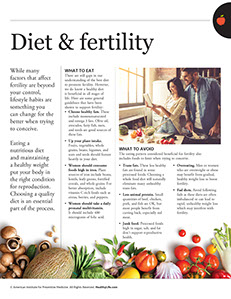
    While many factors that affect fertility are beyond your control, lifestyle habits are something you can change for the better when trying to conceive.

    Eating a nutritious diet and maintaining a healthy weight put your body in the right condition for reproduction. Choosing a quality diet is an essential part of the process.

    What to eat

    There are still gaps in our understanding of the best diet to promote fertility. However, we do know a healthy diet is beneficial in all stages of life. Here are some general guidelines that have been shown to support fertility:

    *Choose healthy fats.These include monounsaturated and omega 3 fats. Olive oil, avocados, fatty fish, nuts, and seeds are good sources of these fats.

    *Up your plant intake.Fruits, vegetables, whole grains, beans, legumes, and nuts and seeds should feature heavily in your diet.

    *Women should consume foods high in iron.Plant sources of iron include beans, lentils, leafy greens, fortified cereals, and whole grains. For better absorption, include vitamin C-rich foods such as citrus, berries, and peppers.

    *Women should take a daily prenatal multivitamin.It should include 400 micrograms of folic acid.

    What to avoid

    The eating pattern considered beneficial for fertility also includes foods to limit when trying to conceive.

    *Trans fats.These less healthy fats are found in some processed foods. Choosing a whole food diet will naturally eliminate many unhealthy trans fats.

    *Less animal protein.Small quantities of beef, chicken, pork, and fish are OK, but most people benefit from cutting back, especially red meat.

    *Junk food.Processed foods high in sugar, salt, and fat don’t support reproductive health.

    *Overeating.Men or women who are overweight or obese may benefit from gradual, healthy weight loss to boost fertility.

    *Fad diets.Avoid following fads as these diets are often imbalanced or can lead to rapid, unhealthy weight loss which may interfere with fertility.
    © American Institute for Preventive Medicine
  • Foods With Magnesium

    HEALTHY EATING

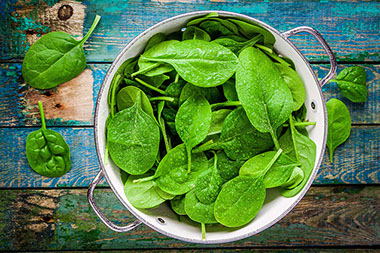
    Image of spinach.

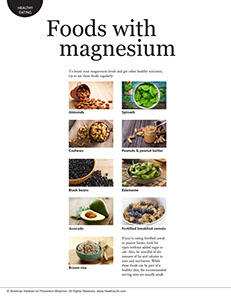
    To boost your magnesium levels and get other healthy nutrients, try to eat these foods regularly:

    *  Almonds

    *  Spinach

    *  Cashews

    *  Peanuts & peanut butter

    *  Black beans

    *  Edamame

    *  Avocado

    *  Fortified breakfast cereals

    *  Brown rice

    If you’re eating fortified cereal or peanut butter, look for types without added sugar or salt. Also, be mindful of the amount of fat and calories in nuts and nut butter. While these foods can be part of a healthy diet, the recommended serving sizes are usually small.

    © American Institute for Preventive Medicine
  • Matcha Tea: A Healthy Trend?

    HEALTHY EATING

    Matcha tea.

    Matcha tea is the latest healthy drink that’s showing up everywhere. But is it really that good for you?

    Matcha tea comes from the same plant as other teas – the Camellia sinensis plant. But, it’s grown and harvested in a different way than other types of tea. Here’s what makes it different:

    *  Growers cover the leaves for several weeks before picking them. This boosts chlorophyll and gives it a deep green color.

    *  Matcha leaves are then ground into a fine powder. People add the powder directly to drinks. This means they are consuming the whole tea leaf, which includes its nutrients.

    Studies show that matcha is high in antioxidents, with research ongoing to show possible health benefits. Try a matcha drink in place of regular tea or coffee. But stay away from matcha drinks or powder that contain lots of added cream or sugar.

    © American Institute for Preventive Medicine
  • Quick & Easy Grain Bowls

    HEALTHY EATING

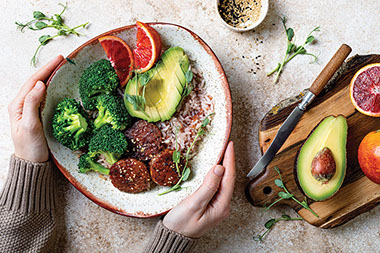
    Homemade grain bowl.

    Grain bowls offer a nutritious, simple meal to fuel your day. They are also a great way to maximize your daily plant intake. Here’s how to make each bowl both delicious and healthy:

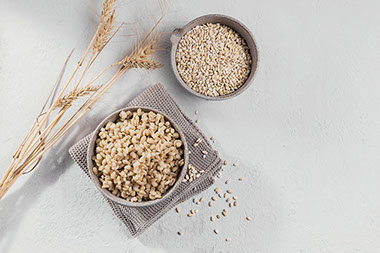
    *Start with a tasty grain.Amaranth, quinoa, rice, farro, millet, and bulgur wheat can be made in large batches and used all week long.

    *Add a well-seasoned protein.Roasted chickpeas, sauteed tofu, tempeh, or seasoned beans make tasty plant choices. Salmon, chicken, or eggs work, too.

    *Pile on the vegetables.Roast, steam, or sautée your favorite in-season vegetables to add to your bowl. Broccoli, peppers, squash, and carrots make great additions. And don’t forget the leafy greens!

    *Top with healthy fats.Avocados, olives, olive oil dressings, nuts, and seeds make your grain bowl a complete meal. Cheese also adds a punch of flavor.

    *Spice it up.Salsa, green onions, pesto, sriracha, herbs, or vinaigrette add flavor and an extra helping of nutrients.

    © American Institute for Preventive Medicine