Category: Medical News

  • Ways To Improve Brain Health

    MEDICAL NEWS

    Image of older couple dancing.

    Dancing

    Dancing offers social interaction and a distraction from the day’s stress. It’s also a great way to get aerobic exercise. Dancing challenges the mind, which supports a healthy brain.

    Running

    Studies have shown aerobic exercise like running reduces anxiety and depression. Being active may also reduce the risk of Alzheimer’s disease.

    Sleeping

    Lack of sleep hurts reasoning and problem-solving skills. Some studies suggest that sleep helps clear out toxins from the brain, helping it to stay healthy and sharp.

    Relaxation

    Deep breathing, prayer and meditation can help relax the mind and lower stress levels. Long-term stress can damage how the brain works, so coping with stress in healthy ways gives your brain a boost.

    Sources: National Institutes of Health, Alzheimer’s Association, National Alliance on Mental Illness

    © American Institute for Preventive Medicine

  • 4 Reasons To Get Your Colonoscopy

    MEDICAL NEWS

    Illustration of doctor's hand with the word "Colonoscopy."

    If you’re age 50 or older, your doctor may have recommended you get a colonoscopy. This test, which uses a thin, lighted tube to view inside the colon and rectum, checks for:

    *  Polyps, which are growths or bumps that could turn into cancer

    *  Colorectal cancer (cancer in the colon and/or rectum)

    A colonoscopy gives the doctor a chance to remove polyps and possible cancerous growths during the test.

    Even though a colonoscopy is a safe and effective way to help prevent colorectal cancer or find it early, many people put off getting one. This is often because they are nervous about the test or they don’t want to do the “prep.” Preparing for a colonoscopy usually means you take medicines that cause diarrhea the day before the test. This can be inconvenient, but it’s worth the hassle.

    Here are 4 good reasons you should call your doctor about scheduling it today:

    1.Early colon cancer has no symptoms.Many people have polyps or even colon cancer for months or years and don’t know it. A colonoscopy can find these things early and increase the chances of a good outcome. The earlier colon cancer is found, the higher the likliehood of successful treatment.

    2.One day of prep could save your life.No one likes to have diarrhea. But, one day of prep means you’re getting a test that checks for a common and sometimes deadly cancer. In fact, the American Cancer Society says more than 50,000 Americans will die from colorectal cancer in 2018. It is the third most common cancer in the U.S.

    3.There are ways to make the prep easier.Ask your doctor about adding certain flavorings to your medicine to make it taste better. Also, there are many clear liquids other than water you may be able to drink. Sports drinks, tea, coffee, popsicles and some broths may be allowed. Usually, red, blue and purple dyes need to be avoided, but other flavors are fine.

    4.Can’t put a price on peace of mind.With so many people being diagnosed with colorectal cancer, isn’t it worth a day of discomfort to know that you’ve been screened? Even if a polyp or possible sign of cancer is found, you can get on the path to treatment that could be life-saving.

    Sources: Centers for Disease Control and Prevention, National Institutes of Health, American Cancer Society

    © American Institute for Preventive Medicine

  • Busting The Myths About Breast Cancer

    MEDICAL NEWS

    Image of doctor and patient.

    One in eight women will be diagnosed with breast cancer in her lifetime. Experts are still learning about this disease and what causes it.

    There are many myths related to the origins of breast cancer. The following items do not cause breast cancer, according to the National Breast Cancer Foundation:

    *  Antiperspirants and deodorants

    *  Caffeine

    *  Dairy products

    *  Microwaves

    *  Cell phones

    *  Being around others with cancer

    Truth about breast cancer risk

    There are some things that can increase the chances of getting breast cancer. These are called “risk factors.” The following risk factors are things you cannot change:

    *  Being a woman

    *  Being over age 55

    *  Caucasian race

    *  Family history of breast or ovarian cancer

    *  Having abnormal breast cells in the past

    *  Starting menstruation (periods) before age 12

    *  Going into menopause after age 55

    *  Gene mutations with BRCA1 or BRCA2

    *  Having dense breast tissue

    Having one or more of these risk factors does not mean you will get breast cancer. The best thing to do is talk with your doctor about your risk factors. Together, you can come up with a plan for breast cancer screening or other testing, if needed.

    Ways you can lower your risk

    *  Get plenty of exercise.

    *  Eat a balanced & healthy diet.

    *  Get & stay at a healthy weight.

    *  Avoid or limit alcohol.

    *  Avoid tobacco, including second-hand smoke (research is ongoing)

    Sources: American Cancer Society, National Breast Cancer Foundation

    © American Institute for Preventive Medicine

  • Gluten-Free Diet Is Treatment, Not Trend

    MEDICAL NEWS

    Image of various breads with the words "Gluten Free" written in powedered white flour.

    You’d never suspect it from the growing number of gluten-free items on supermarket shelves, but only one in about every 133 people has celiac disease. This genetic autoimmune disorder causes the body to react negatively to the intake of gluten, a protein found in wheat, rye, barley, and their byproducts.

    It is estimated that more than 80% of the Americans whose systems can’t tolerate gluten are either not diagnosed or misdiagnosed. And the average time a person waits for a correct diagnosis is more than 10 years. A prime reason is that the symptoms of gluten-related problems vary widely-from migraine headaches and diarrhea to joint pain and skin rashes-and are common to numerous other conditions and disorders.

    When a person with celiac disease consumes gluten, the protein triggers an immune response that damages part of the small intestine called villi, which interferes with the absorption of nutrients from the food. This can cause malnutrition, trigger other health problems-among them cancer, osteoporosis, and infertility-and open the door to other autoimmune disorders.

    “There’s greater awareness of celiac disease, we have better tests, and we know more about who should be screened, but we’re still seeing only the tip of the iceberg,” said  Dr. Anca M. Safta, a gastroenterologist at Wake Forest Baptist Medical Center and director of its Gluten & Allergic Digestive Disorders Program.

    A simple antibody blood test can screen for celiac disease. And because the disease is inherited, there’s also genetic testing. But while these tests can eliminate the possibility of celiac disease, they can’t confirm its presence. That usually has to be done with an endoscopic biopsy. This procedure examines the small intestine and removes tissue samples for analysis.

    If the biopsy results are positive for celiac disease, the only way to repair existing damage to the small intestine and prevent reoccurrence is for the person to adopt a strict gluten-free diet.

    That’s also the treatment for people with non-celiac gluten sensitivity. This has symptoms much like those of celiac disease but doesn’t cause the same intestinal damage and can’t be identified through blood or tissue testing.

    Steering completely clear of gluten can be tricky. Gluten isn’t just in grain-based products such as bread, cereal, cookies, pastry, pasta, and beer. It also can be found in candy, ice cream, lunch meats, cooking oil, salad dressing, condiments, instant coffee, soup mixes, and a host of other processed foods. Vitamins, toothpaste, and lipstick can also contain gluten.

    Gluten-free products are more plentiful than ever, but they’re also costly-nearly 250% more expensive than their conventional counterparts. And because even small amounts of gluten can produce negative effects, cross-contamination-when gluten-free foods come into contact with or are prepared with gluten products-is a threat, especially when eating outside the home.

    Is going gluten-free good for everybody? In a word, no.

    “It’s not necessarily a healthier diet if you don’t need it,” Dr. Safta said.

    Any time you restrict your diet, you have a greater chance of not getting all the nutrients you need. You risk developing a nutrient or vitamin deficiency because gluten-free products aren’t fortified or enriched like most regular bread and cereal products are.

    Going gluten-free is not the best way to shed excess pounds. Weight loss is generally due to eating fewer processed foods and more fruits and vegetables, not shunning gluten. And gluten-free foods can contain as many calories as standard products, or even more.

    © American Institute for Preventive Medicine
  • Latex Allergy

    MEDICAL NEWS

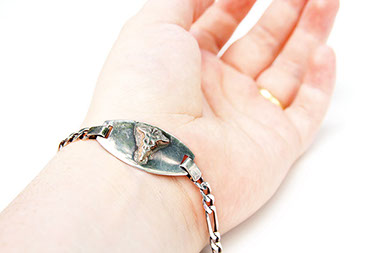
    Close up image of a medical ID.

    If you are allergic to latex, you usually know it. You can react with sneezing or worse symptoms because your body is reacting to proteins in natural rubber latex, which is made from the rubber tree.

    The Asthma and Allergy Foundation of America suggests you do this:

    *  Always wear a medical ID that alerts others about your allergy if you need emergency care.

    *  Ask doctors, dentists, and others who examine you to wear latex-free exam gloves. Carry gloves with you to give your dentist or doctor.

    *  Check labeling. Do not assume a product labeled “hypoallergenic” is latex-free.

    *  Know that latex can be found in some elastic in clothing, rubber bands, condoms, balloons, disposable diapers, and many more products.

    *  If you’re allergic to latex, you may have reactions to bananas, kiwi, and cantaloupe, which contain some of the same allergens found in latex.

    © American Institute for Preventive Medicine

  • Protect Yourself From Medical Identity Fraud

    MEDICAL NEWS

    Image of money and a stethoscope.

    It’s America’s fastest growing identity crime. DHHS says health care data hacking has affected more than 34 million Americans. Stolen records provide information for tax and insurance fraud.

    “When someone steals your medical identity, they corrupt your individual health record, so the next time you receive care your doctor can be working off a file riddled with bad information,” say ID Experts, a medical software provider.

    Use these wise fraud protection tips.

    *  Protect your health insurance card as carefully as you would your Social Security or credit cards. Theft of these cards allows someone to assume your identity to receive care. Treat their loss as seriously as a missing credit card; notify your insurance company and include it on any police report you file.

    *  Never share your insurance with a friend or family member. When someone pretends to be you to receive health care, your lifetime medical records become compromised. This can lead to a future misdiagnosis, a prescription mistake, or other inappropriate treatment.

    *  Use strong passwords on patient portals and change them often.

    *  Be observant in medical offices. Don’t just fill out the HIPAA policy form and then assume your provider is being careful. Raise concerns, like medical records sitting open on desks or unattended and unlocked computer terminals.

    *  Do NOT provide your medical information to someone who calls or emails you about your “possible involvement in a recent breach.”

    © American Institute for Preventive Medicine

  • The Condition Men Don’T Talk About

    MEDICAL NEWS

    Image of elderly man stretching.

    Men who are physically active are at lower risk of waking up at night to urinate (a condition called nocturia), according to a study led by a Loyola University Chicago Stritch School of Medicine researcher and published in Medicine & Science in Sports & Exercise.

    Nocturia is the most common and bothersome lower urinary tract symptom in men. It can be due to an enlarged prostate known as benign prostatic hyperplasia (BPH)-as the prostate enlarges, it can squeeze down on the urethra. Other causes include overproduction of urine, low bladder capacity, and sleep disturbances. Nocturia increases with age and is estimated to occur in more than 50% of men 45 and older.

    Among the thousands of men in the study group, those who were physically active one or more hours per week were 13% less likely to report nocturia and 34% less likely to report severe nocturia than men who reported no physical activity. (Nocturia was defined as waking 2 or more times during the night to urinate; severe nocturia was defined as waking 3 or more times to urinate.)

    Physical activity may help manage this symptom, researchers said, because exercise might reduce body size, improve sleep, decrease some nervous system activity, and lower levels of inflammation.

    However, if you are experiencing nocturia, it’s something to discuss with your doctor.

    © American Institute for Preventive Medicine

  • What Is Antibiotic Resistance?

    MEDICAL NEWS

    Image of doctor with child patient.

    Antibiotic resistance happens when bacteria change in a way that the antibiotics that used to treat them are less effective or not effective at all. As a result, stronger, more expensive antibiotics are needed to kill the same bacteria. People who develop antibiotic-resistant infections are more likely to need treatment in a hospital and are at increased risk for death. Using antibiotics the wrong way contributes to the rise in antibiotic-resistant infections.

    How do I use antibiotics the right way?

    Antibiotics treat infections caused by bacteria, not viruses. Do not ask for antibiotics for symptoms of colds and flu. These illnesses are caused by viruses. Often, antibiotics are not needed for ear infections, sore throats, and sinus infections because these can be viral infections, too.

    If your doctor does prescribe an antibiotic, take it as prescribed. Do not skip doses. Take the entire course to make sure that no pesky bacteria linger because this can lead to a more serious infection.

    Source: Association for Professionals in Infection Control and Epidemiology. Read more at www.cdc.gov/getsmart.

    © American Institute for Preventive Medicine

  • 4 Steps To Prevent Colorectal Cancer

    MEDICAL NEWS

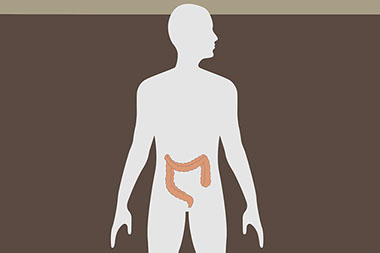
    Illustration of a colon.

    Colorectal cancer is the second leading cancer killer in our country. It takes the lives of about 50,000 people each year, according to the Centers for Disease Control and Prevention.

    Many of these deaths, however, could be prevented. Here’s what you need to know:

    1.Take care of your heart.Avoiding colorectal cancer is like getting a two-for-one deal. If you follow a heart-healthy lifestyle, you’ll also be lowering your risk of colorectal cancer. Don’t smoke, get regular exercise, and lose weight if you’re overweight. Limit red meat to no more than two servings per week. Finally, drink no more than one alcoholic drink per day for women, or two drinks per day for men.

    2.Know the symptoms.Signs of colorectal cancer usually include blood in your stool or stomach pain that doesn’t go away. See your doctor if you notice these signs.

    3.Find out your family history.If you have a close blood relative with the disease, you may be at a higher risk of getting it. Talk with your doctor about your risk.

    4.Get screened.Tests include stool blood tests that you do at home, sigmoidoscopy, and colonoscopy. Follow your doctor’s advice for screening tests and how often you need them. If you are at normal risk, begin screenings at age 50 and have them up to age 75. If you have risk factors for or a family history of colon polyps or colon cancer, you may need tests sooner and more often. During a colonoscopy, polyps can be removed before they turn into cancer. Screenings can save your life!

    © American Institute for Preventive Medicine

  • Can An Aspirin A Dayprevent A Heart Attack Or Stroke?

    MEDICAL NEWS

    Image of aspirins shaped into a heart.

    Scientific evidence shows that taking an aspirin daily can help prevent a heart attack or stroke in some people, but not in everyone. It also can cause unwanted side effects.

    According to Dr. Robert Temple at the FDA, one thing is certain: You should use daily aspirin therapy only after first talking to your doctor, who can weigh the benefits and risks.

    Who Can Benefit?

    “Since the 1990s, clinical data have shown that in people who have experienced a heart attack, stroke or who have a disease of the blood vessels in the heart, a daily low dose of aspirin can help prevent a reoccurrence,” Dr. Temple said. (A dose ranges from the 80 mg in a low-dose tablet to the 325 mg in a regular strength tablet.) This use is known as “secondary prevention.”

    However, after carefully examining scientific data from major studies, FDA has concluded that the data do not support the use of aspirin as a preventive medication by people who have not had a heart attack, stroke or cardiovascular problems, a use that is called “primary prevention.” In such people, the benefit has not been established but risks-such as dangerous bleeding into the brain or stomach-are still present.

    If your doctor recommends daily aspirin to lower the risk of a heart attack and clot-related stroke, read the labels carefully to make sure you have the right product. Some drugs combine aspirin with other pain relievers or other ingredients and should not be used for long-term aspirin therapy.

    © American Institute for Preventive Medicine