Category: Medical News

  • Surprisingly Simple Ways To Prevent Disease

    MEDICAL NEWS

    Image of happy man with thumbs up as he weighs himself.

    Five new studies support simple steps to prevent illness and improve overall health. The American Journal of Medicine reports the following based on multiple studies in several countries:

    *  Eating fresh fish regularly may reduce your risk of colorectal cancer.

    *  Still trying to stop smoking? Try acupuncture and hypnosis. Several studies found smokers had good success.

    *  Have your teeth cleaned regularly. Scaling removes harmful bacteria. You can reduce your risk for heart attack and stroke.

    *  Talk to your doctor about weight loss. People who were moderately obese, followed a diet plan from their doctors (not a weight loss clinic), and stuck with it at least 12 weeks, lost over 10% of their body weight.

    *  Low-dose aspirin, for people who can take it, offers preventive cancer benefits along with heart healthy help.

    © American Institute for Preventive Medicine

  • Understanding Your Gallbladder

    MEDICAL NEWS

    Image of man talking to his doctor.

    The hardest working digestive helper might well be your gallbladder, a pear-sized organ that sits just under the liver and next to the pancreas.

    The gallbladder stores bile, a thick liquid that’s produced by the liver to help digest fat. When you eat, the gallbladder’s thin, muscular lining squeezes bile into the small intestine through the main bile duct. The more fat you eat, the more bile the gallbladder injects into the digestive tract.

    Bile has a delicate chemical balance. It’s full of soluble cholesterol produced by the liver. This is a different type of cholesterol than the kind related to cardiovascular disease. If the chemical balance of bile gets slightly off, the cholesterol can crystalize and stick to the wall of the gallbladder. Over time, these crystals can combine and form gallstones.

    Gallstones can range from the size of a grain of sand to that of a golf ball. When the gallbladder injects bile into the small intestine, the main bile duct can become blocked by these stones. That may cause pressure, pain, and nausea, especially after eating meals.

    Gallstones can cause sudden pain in the upper-right abdomen, called a gallbladder attack. In most cases, though, people with gallstones don’t realize they have them.

    The causes of gallstones are unclear, but you’re more likely to have gallstone problems if you have too much body fat, especially around your waist, or if you’re losing weight very quickly.

    If left untreated, a blocked main bile duct and gallbladder can become infected and lead to a life-threatening situation. A surgeon can remove the gallbladder. You can live normally without it.

    Symptoms of a gallstone attack

    Talk with your doctor if you have:

    *  Severe pain in the upper-right side of the abdomen that starts suddenly and lasts from 30 minutes to many hours

    *  Pain under the right shoulder or in the right shoulder blade

    *  Indigestion after eating foods high in fat or protein, including desserts and fried foods

    Seek help right away if you have these signs of a serious attack:

    *  Abdominal pain that lasts more than 5 hours

    *  Nausea and vomiting

    *  Fever or chills

    *  Yellowish color of the skin or the whites of the eyes

    *  Dark urine or light-colored stools

    © American Institute for Preventive Medicine

  • Breast Cancer And Rashes

    MEDICAL NEWS

    Image of pink ribbon.

    When you spot a rash on your skin, you probably don’t worry too much about it. After all, most rashes are simply due to minor problems like a mosquito bite, chafing, or an irritating skin care product. Though most rashes are not dangerous, it’s important to pay attention to your skin. A rare, dangerous form of breast cancer known as inflammatory breast cancer (IBC) often starts with a rash or skin changes on the breast. IBC doesn’t cause a telltale “lump” that many people expect from breast cancer. It may not show up on a mammogram either.

    What rashes should be checked?

    Many things can cause rashes on the breast, but some signs should be checked by a doctor. Call your doctor if you notice any of these changes on the breast:

    *  Pain, tenderness or itching on the breast

    *  Skin that looks or feels thicker

    *  An area that feels hard

    *  Skin that has pits or ridges or looks like an orange peel

    *  A nipple that turns inward or changes shape

    *  Swelling that makes one breast look larger than the other

    *  Skin that is swollen

    *  A breast that feels warm or heavy

    Don’t panic – but get checked

    It’s important to know that IBC is very rare. It makes up about 1 to 3 percent of all breast cancer cases.

    Some less serious problems like mastitis (an infection of the milk ducts) can have some of the same symptoms as IBC. If you notice any changes in your breasts, be sure to contact your health care provider.

    The many types of breast cancer

    There are several different kinds of breast cancer. Some start in the milk ducts, glands or other tissue, such as muscle or fat.

    The most common type of cancer is invasive (or infiltrating) ductal carcinoma. This type of cancer makes up about 80 percent of all breast cancer cases. It starts in a milk duct and spreads into the fatty tissue in the breast.

    Be aware of these other breast cancer signs and call your doctor if you notice them:

    *  A lump or mass in the breast

    *  Nipple discharge (not breast milk for nursing mothers)

    *  Pain or swelling in the breast or nipple

    *  Any unusual changes to the breast or nipple, including new moles

    Seeing your doctor for regular visits and getting mammograms as recommended is the best way to detect breast cancer early.

    Source: American Cancer Society

    © American Institute for Preventive Medicine

  • Even When Drinking Stops, Alcohol’S Effects Do Not

    MEDICAL NEWS

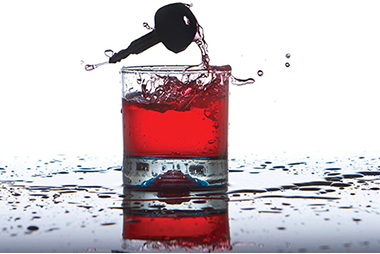
    Image of an alcoholic drink with a car key.

    During a night of drinking, it’s easy to misjudge alcohol’s lasting effects. Many revelers believe that they can drive safely once they have stopped drinking for the night and have had a strong cup of coffee.

    The truth is that alcohol continues to affect the brain and body long after the last drink has been downed, according to the National Institute on Alcohol Abuse and Alcoholism. Even after someone stops drinking, alcohol in the stomach and intestine continues to enter the bloodstream and circulate through the body. As a result, judgment and coordination can be impaired for hours after drinking.

    Driving home late at night is especially hazardous because natural drowsiness is magnified by the depressant action of alcohol. Driving abilities may even be impaired the next day, when any alcohol remaining in the system, or the general headache and disorientation associated with hangovers, contributes to general feelings of sluggishness, even though the person no longer feels “drunk.”

    Caffeine in a cup of coffee does not “sober anyone up” but may help with the late-night drowsiness. It doesn’t counteract the effect of alcohol on decision-making or coordination. The body needs time to metabolize (break down) alcohol and even more time to return to normal. There are no quick cures – only time will help.

    © American Institute for Preventive Medicine

  • Know About Prostate Cancer

    MEDICAL NEWS

    Image of prostate cancer ribbon.

    Experts at Mount Sinai Medical Center offer this prostate cancer prevention advice:

    *Age is the strongest risk factor:Almost two-thirds of prostate cancers are found in men over the age of 65.

    *Family history can be important:Having a father or brother with prostate cancer more than doubles a man’s risk of developing this disease.

    *Race is a factor:Prostate cancer occurs more often in African-American men than in men of other races.

    *Follow a healthy diet:Eat more low-fat, high-fiber foods such as fruits and vegetables, and limit intake of red or processed meat.

    *Diagnose cancer early:Speak with your doctor about your risk for prostate cancer and the benefits of screening. For men at high risk, screening should be considered at age 40.

    Screening works

    Screenings consists of a PSA blood test, which measures the level of PSA, a protein that is produced by the prostate gland, and a digital rectal exam, which can uncover physical abnormalities of the prostate that may be a sign of cancer.

    NOTE:

    Prostate cancer screening guidelines vary with different health groups. Ask your doctor at what age you should discuss prostate cancer screening. Ask about the benefits and risks of PSA blood tests.

    © American Institute for Preventive Medicine

  • Parkinson’S Disease 2

    MEDICAL NEWS

    Image of older man.

    Parkinson’s disease evolves gradually over time. Early signs may not be noticed. As Americans age, the number of people with this disease is expected to increase.

    Parkinson’s is a brain and nerve disorder. Brain cells gradually malfunction and die. The disease damages brain cells that make a chemical called dopamine. The resulting dopamine shortage causes movement problems, like those seen with TV actor Michael J. Fox, for example.

    Research suggests that eating right and exercising may help reduce or delay symptoms. Potential new treatments are being studied including deep brain stimulation, according to NIH in Health.

    The National Institutes of Health urges patients to find a clinical trial atwww.nih.gov/health/clinicaltrials.

    Know the signs of parkinson’s disease

    *  Movement problems such as shaking or tremor, especially in the fingers, hand, arm, or face

    *  Rigidity, stiffness, or slowness

    *  Problems standing or balancing

    *  Trouble speaking or choosing words

    *  Changes in handwriting

    *  Difficulty completing simple tasks or making decisions

    *  Inability to detect odors

    © American Institute for Preventive Medicine
  • Take These Small Steps To Manage Diabetes

    MEDICAL NEWS

    Close up image of female hands taking a sugar glucose reading.

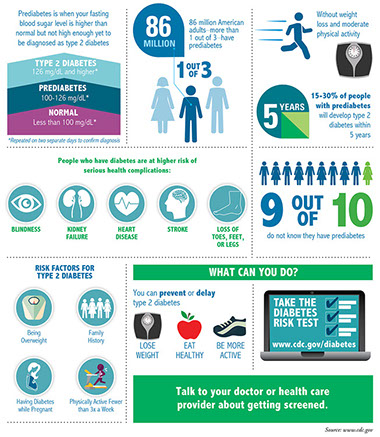
    Nearly 26 million Americans have diabetes, and more than a quarter of them do not know it. Left untreated, diabetes can lead to serious problems such as heart disease, stroke, kidney disease, blindness, and loss of limbs.

    An estimated 79 million adults have pre-diabetes, a condition that places them at increased risk for developing type 2 diabetes and heart disease.

    Even if you know what to do to improve your health, figuring out how to do it and fitting it into your daily routine can be a big challenge. Making changes in how you care for your health is a matter of trying and learning.

    The National Diabetes Education Program suggests you make a plan and take small, but important steps to help you reach your goal:

    *  Think about what is important to you and your health.

    *  What changes are you willing and able to make (such as testing your blood glucose, exercising, planning diabetes-friendly meals and snacks)?

    *  Decide what steps will help you reach your health goals (such as talking with your doctor about your blood glucose goal, taking a tour of the grocery store with a diabetes educator, learning how to make healthier meals).

    *  Choose one goal to work on first. Start this week. Pick one change you can start to make right now.

    *  Don’t give up. It’s common to run into some problems along the way. If things don’t go as planned, think about other ways to reach your goal.

    © American Institute for Preventive Medicine

  • Use Antibiotics Wisely

    MEDICAL NEWS

    Image of mother with sick child in bed.

    Antibiotics do not fight infections caused by viruses such as colds, flu, most sore throats, bronchitis, and many sinus and ear infections. Instead, symptom relief might be the best treatment option for viral infections, advises the CDC.

    Get smart about when antibiotics are needed-to fight bacterial infections. When you use antibiotics appropriately, you do the best for your health, your family’s health, and the health of those around you.

    Know that antibiotics

    *  Will not cure a viral infection

    *  Will not keep other people from getting sick

    *  Will not help you or your child feel better

    *  May cause unnecessary and harmful side effects

    *  May contribute to antibiotic resistance, which is when bacteria are able to resist the effects of an antibiotic and continue to cause harm

    Rest, fluids, and over-the-counter products may be your or your child’s best treatment option against viral infections.

    © American Institute for Preventive Medicine
  • Bursitis Isn’T Just For Grandma

    MEDICAL NEWS

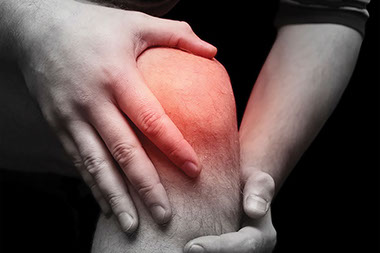
    Close up image of man's knee in pain.

    Hey, activity is good for you. But what happens when activity triggers sore, aching, and swollen joints?

    The problem could be bursitis-that’s what your grandmother used to call it. Bursitis occurs when the bursae (those fluid-filled sacs that surround and cushion joints) become irritated or infected, often causing pain when you move. Sometimes an infection develops.

    © American Institute for Preventive Medicine

  • Gbs: Get Tested, Get Treated

    MEDICAL NEWS

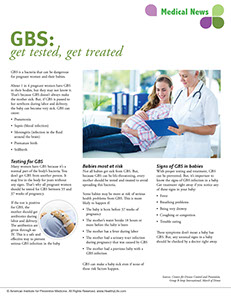
    Image of pregnant women at the doctors office.

    GBS is a bacteria that can be dangerous for pregnant women and their babies.

    About 1 in 4 pregnant women have GBS in their bodies, but they may not know it. That’s because GBS doesn’t always make the mother sick. But, if GBS is passed to her newborn during labor and delivery, the baby can become very sick. GBS can cause:

    *  Pneumonia

    *  Sepsis (blood infection)

    *  Meningitis (infection in the fluid around the brain)

    *  Premature birth

    *  Stillbirth

    Testing for GBS

    Many women have GBS because it’s a normal part of the body’s bacteria. You don’t get GBS from another person. It may live in the body for years without any signs. That’s why all pregnant women should be tested for GBS between 35 and 37 weeks of pregnancy.

    If the test is positive for GBS, the mother should get antibiotics during labor and delivery. The antibiotics are given through an IV. This is a safe and effective way to prevent serious GBS infection in the baby.

    Babies most at risk

    Not all babies get sick from GBS. But, because GBS can be life-threatening, every mother should be tested and treated to avoid spreading this bacteria.

    Some babies may be more at risk of serious health problems from GBS. This is more likely to happen if:

    *  The baby is born before 37 weeks of pregnancy

    *  The mother’s water breaks 18 hours or more before the baby is born

    *  The mother has a fever during labor

    *  The mother had a urinary tract infection during pregnancy that was caused by GBS

    *  The mother had a previous baby with a GBS infection

    GBS can make a baby sick even if none of these risk factors happen.

    Signs of GBS in babies

    With proper testing and treatment, GBS can be prevented. But, it’s important to know the signs of GBS infection in a baby. Get treatment right away if you notice any of these signs in your baby:

    *  Fever

    *  Breathing problems

    *  Being very drowsy

    *  Coughing or congestion

    *  Trouble eating

    These symptoms don’t mean a baby has GBS. But, any unusual signs in a baby should be checked by a doctor right away.

    Sources: Centers for Disease Control and Prevention, Group B Strep International, March of Dimes

    © American Institute for Preventive Medicine