Category: Uncategorized

  • A Shopper’s Guide To Exercise Equipment

    Fitness

    Image of exercise equipment.

    Treadmills, stationary bikes, trampolines, rowing machines, and cross-country ski simulators have been called dream machines because people sometimes expect belts, cogs, pulleys, and wheels to help make all their fitness dreams come true. And exercise equipment is a universal fixture in many homes as well as health clubs.

    This “hardware for soft bodies” can provide a good workout. But you have to understand what the equipment is designed to do for you. A stationary bike, for instance, is good for burning calories, toning the lower body, and conditioning your heart. But it won’t tighten your abdominal muscles or strengthen your upper arms.

    Once you’ve decided what type of apparatus you need, you can narrow the selection down to the best choice if you:

    *  Find out if the company who makes the equipment (and the dealer who sells it) is reputable.

    *  Talk to other people who own the model you’re considering (or one like it).

    *  Decide if the price fits your budget.

    *  Test the equipment.

    *  Determine if it’s easy to assemble, install, or move, and what maintenance it requires.

    *  Look for a reasonable warranty.

    *  Be sure the equipment will challenge you, so you don’t “grow out of it” in a short time.

    Page image from A Year of Health Hints book by the American Institute for Preventive Medicine. www.HealthyLife.com. All rights reserved.

    © American Institute for Preventive Medicine
  • Take These Weather Wise Steps To Exercise

    Fitness

    If you live in a climate with distinctly different seasons, you’re lucky: You can vary your fitness program with changing conditions. But weather adds more than interest to your routine; it can affect your body’s response to exercise. An exercise done comfortably in one season-like jogging in the spring or fall, for instance-can become unpleasant, or even dangerous, if pursued in summer and winter without allowing for hotter or colder temperatures.

    In cold, wintry weather:

    Image of person streching outside in winter.

    *  Try to cover up all exposed skin on windy, chilly days.

    *  Wear a wool hat. You can lose up to 40 percent of your body heat through your head if it’s not covered.

    *  Wear three to five layers of lightweight clothing rather than a single layer or two of heavy clothing. A layer of lightweight polypropylene next to the skin keeps moisture from collecting and chilling you.

    *  Move against the wind on your way out and with the wind on your way home. You’ll be cutting down on the wind-chill factor when you’re perspiring the most.

    *  Try to avoid running in open areas. Town houses, office buildings, and homes in subdivisions can help to block chilling winds.

    *  Avoid smoking cigarettes or drinking beverages that contain caffeine or alcohol; such substances increase your susceptibility to the cold.

    In warm weather:

    *  Wear lightweight, loose clothing that allows sweat to evaporate easily. Don’t wear long-sleeved or full-length sweat suits in hot, humid weather. And don’t wear rubberized clothing which prevents evaporation of sweat, the body’s way of keeping you cool. Use a sunscreen to avoid sunburn.

    *  Exercise at a moderate pace.

    *  Drink at least 8 to 10 ounces of plain water 10 to 15 minutes before you start to exercise. And to compensate for fluids lost through perspiration, drink water during your workout, even if you don’t feel thirsty.

    *  Work out in the cooler parts of the day-early morning or after sundown.

    Page image from A Year of Health Hints book by the American Institute for Preventive Medicine. www.HealthyLife.com. All rights reserved.

    © American Institute for Preventive Medicine
  • Bone Broth:Worth The Hype?

    HEALTHY EATING

    Image of bone broth soup.

    People have been cooking bones to make bone broth for thousands of years.

    Today, this age-old recipe is being promoted as a superfood. But, do these health claims hold water? Here are three main points to keep in mind:

    1.  Homemade bone broth usually contains more protein than store-bought broth.

    2.  You can make your broth healthier by adding vegetables and herbs – and skipping the salt.

    3.  Currently, there is no solid evidence that bone broth has any additional or special medicinal properties, but research is ongoing.

    © American Institute for Preventive Medicine
  • Digging Into Detox Diets

    HEALTHY EATING

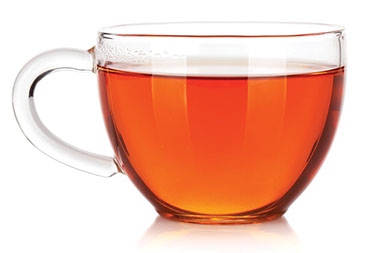
    Image of different berries.

    The word “detox” is a popular term in diets today. Many detox diets and plans promise to help your body flush out toxins and get you healthier.

    Some detox diets follow extreme guidelines like:

    *  Fasting (not eating) for long periods

    *  Drinking only special detox drinks or juices

    *  Using supplements or products that claim to detox your body

    *  Using laxatives, enemas or other products to empty the colon

    Safety concerns

    Many detox plans haven’t been proven to be safe. Supplements and extreme diets can cause health problems. The Food and Drug Administration (FDA) has taken action against detox products that are dangerous or contain illegal ingredients.

    Don’t assume that a “natural” detox plan is safe. It may be risky because:

    *  Drinking large quantities of juice can be dangerous for people with kidney disease.

    *  Drinking juices that are “raw” or unpasteurized can cause serious illnesses from bacteria.

    *  People with diabetes often need to eat a healthy diet and need to eat at regular times. Fasting or drinking juice instead of meals can cause dangerous blood sugar levels.

    *  Using too many laxatives can cause dehydration, severe diarrhea and an imbalance in minerals and vitamins.

    *  Fasting for long periods can cause headaches, dehydration and fainting.

    Your body’s own detox

    The human body is already designed to get rid of toxins. Most of this is done by the liver, which processes and removes chemicals, toxins and other unwanted things.

    Supporting your liver is a healthy and safe way to “detox” without extreme or dangerous diets. You can support your liver by:

    *  Eating a healthy diet rich in fruits, vegetables, lean protein and whole grains

    *  Working toward a healthy weight if you’re overweight

    *  Avoiding or limiting processed foods

    *  Drinking plenty of water

    *  Avoiding or limiting alcoholic drinks

    *  Getting exercise regularly

    *  Following directions on medicines and take medicines as your doctor prescribes

    *  Getting vaccines for hepatitis A and B, which are diseases that affect the liver

    Not all diets are safe. Before you start any detox or diet plan, ask your doctor.

    Sources: American Liver Foundation, National Center for Complementary and Integrative Health

    © American Institute for Preventive Medicine
  • Get Grilled On Safety Tips

    HEALTHY EATING

    Man grilling food outside.

    Metal grill brushes pose dangers

    If you’ve ever used a grill, you know that it needs to be cleaned. Many people reach for a metal wire grill brush to remove stuck-on food and debris. But this could be a dangerous mistake.

    The American Medical Association says that wire grill brushes were responsible for more than 1,600 emergency room visits in just one year. These brushes have metal bristles that can break off and stick to the grill. They may be too small to see, so you don’t know they’re there. When you cook food on your grill, the tiny bristles can stick to the food.

    If someone accidentally swallows one of these metal bristles, they can be seriously injured. The bristles can cut the inside of the mouth, throat or tonsils. This could require emergency surgery.

    If you use a wire brush to clean the grill, be sure to wipe the grill off with a cloth afterward. Check the underside of the grill and lid for any bristles too.

    You can also avoid using wire brushes altogether. Instead, soak the grill parts in soapy water and clean with a sponge or a paint scraper. Some people use a ball of aluminum foil to scrape the grill.

    Be safe with your grill

    *  Propane (gas) and charcoal grills should only be used outside. Never use them inside a garage, barn or other building.

    *  Keep the grill well away from your deck railings, tree branches and house.

    *  Don’t let children or pets near the grill.

    *  Open the gas grill lid before lighting it.

    *  Keep charcoal fluid out of reach of children and pets.

    *  Do not add charcoal fluid or other flammable liquids to a fire. Use it only to get the grill started.

    *  Let charcoal cool completely before throwing it away.

    Source: National Fire Protection Association

    © American Institute for Preventive Medicine
  • Mindful Eating Can Boost Your Health

    HEALTHY EATING

    Women eating with friends.

    If you want to eat healthier without a strict diet, try mindful eating. Mindful eating is a way to fully focus on your food as you eat. When you eat mindfully, you may:

    *  Eat less

    *  Avoid eating when you’re bored or stressed

    *  Stop when you feel full

    When you practice mindful eating, you eat more slowly. You’ll enjoy your food more without overeating.

    How to do it

    You don’t need any special equipment or classes to practice mindful eating. Take these steps at your next meal:

    *Avoid distractions:Make your meals an event. Don’t eat while driving, working, watching TV or doing other activities.

    *Ask yourself how you feel:Are you actually hungry? Or are you thirsty, bored, stressed or lonely?

    *Leave some space:If you’re used to filling your plate, leave about a quarter of your plate empty for now. You can always go back for seconds if you are still truly hungry.

    *Chew slowly:Take small bites. Put your fork, spoon and knife down between every bite.

    *Enjoy:Experience the smell, taste and texture of your food with each bite.

    *Watch the time:Wait at least 20 minutes before you get another helping. By then, your stomach may realize it’s full.

    *Know when to stop:When you’re full, stop eating. You don’t need to clean your plate.

    Sources: American Heart Association, Veterans Health Administration

    © American Institute for Preventive Medicine

  • Baked Chicken Nuggets

    HEALTHY EATING

    Chicken nuggets on a cutting board.

    Ingredients

    *  1-1/2 pounds boneless, skinless chicken tenders

    *  1 cup cornflakes

    *  1 teaspoon paprika

    *  1/2 teaspoon Italian herb seasoning

    *  1/4 teaspoon garlic powder

    *  1/4 teaspoon onion powder

    Directions

    1.  Place cornflakes in a plastic bag and crush with a rolling pin.

    2.  Add seasonings to crushed cornflakes. Close bag tightly and shake until blended.

    3.  Add a few chicken tenders at a time to crumb mixture. Shake to coat evenly.

    Conventional Oven

    1.  Preheat the oven to 400˚F. Lightly grease a cooking sheet.

    2.  Place chicken pieces on cooking sheet so they are not touching.

    3.  Bake until golden brown, about 12 to 14 minutes.

    Microwave

    1.  Lightly grease an 8- by 12-inch baking dish.

    2.  Place chicken pieces on baking dish so they are not touching. Cover with parchment paper and cook on high for 6 to 8 minutes, rotating the chicken every 2 minutes.

    Nutritional Information: Serves 4

    Per serving: 175 calories, 8 g total fat, 2 g saturated fat, 127 mg sodium, 7 g carbohydrates, 1 g dietary fiber, 18 g protein.

    © American Institute for Preventive Medicine

  • Slow Cooker Tips For Busy Days

    HEALTHY EATING

    Slow cooker on counter.

    A slow cooker can be a handy kitchen tool. It can help you get dinner on the table on busy nights. They don’t take a lot of prep time or expert cooking skills to use. Plus, they are less expensive than other cooking devices.

    Here’s how to use a slow cooker to your advantage:

    1.Set it up the night before.Add all your ingredients to the insert in the evening and put it in the refrigerator. The next morning, put the insert in the cooker, turn it on, and go! If it doesn’t have a removable insert, simply put the ingredients into a big bowl instead. Then transfer it into the cooker in the morning.

    2.Check the temperature.Before serving any food, use a food thermometer to be sure it’s fully cooked.

    3.Hands off.Don’t open a slow cooker lid during cooking. This releases a lot of heat, which can interfere with proper cooking.

    4.Thaw meat in the fridge first.The low, slow cooking process may not get the meat hot enough for safety. Always thaw meats first by putting them in the refrigerator 24 to 48 hours before you cook them.

    5.Layers matter.Tough, dense vegetables and starches like potatoes and winter squash can go on the very bottom of the cooker. They won’t get too soft or mushy. However, softer vegetables like spinach, broccoli and peas should not go on the bottom.

    6.Add quick finishes.When it’s time for dinner, add some fresh herbs or flavors like lemon juice. Throw together a quick side dish, like microwaving some frozen vegetables. Or, cut up a fruit salad the night before and have it ready to go!

    7.Use cheaper meats.You can buy tougher cuts of meat, which cost less. Then slow cook them for several hours and you’ll get tender results.

    © American Institute for Preventive Medicine
  • Add Barley To Your Diet

    HEALTHY EATING

    Bowl of cooked barley.

    If you’ve never cooked with barley before, fear not. It’s as easy to prepare as rice or oatmeal and just as delicious.

    Barley can easily be added to soups and salads or substituted for rice in dishes, such as stir fry and curry. So grab yourself some whole grain barley and get cooking.

    Ingredients

    *  1 cup hulled barley

    *  3 cups water or broth

    *  Pinch of salt (optional)

    Directions

    1.  In a large saucepan, combine the barley and water. Add a pinch of salt if desired.

    2.  Bring to a boil over medium-high heat.

    3.  Once it has boiled, lower the heat to a simmer. Cook for 40-50 minutes until the barley is tender but chewy.

    4.  Remove from heat and allow the barley to sit for a few minutes to soak up any extra water.

    5.  Drain any excess water if needed.

    6.  Fluff with a fork and enjoy!

    © American Institute for Preventive Medicine

  • Save Money On Prescriptions

    FINANCIAL HEALTH

    Pills dropping into bottle.

    FACT: New drugs are protected by patents. After the patent expires, other companies can make a generic version of the drug.

    Knowing about generic drugs can save you money on prescriptions. Tell your doctor or pharmacist you want a generic drug if possible.

    If your prescription is expensive, speak up. Sometimes there’s an alternative that costs less but is still safe.

    Be wary of places that promise free or cheap prescriptions. It may be a scam. Your doctor or pharmacist can tell you about free or low-cost prescription programs.

    © American Institute for Preventive Medicine