Category: Uncategorized

  • Bone Broth:Worth The Hype?

    HEALTHY EATING

    Image of bone broth soup.

    People have been cooking bones to make bone broth for thousands of years.

    Today, this age-old recipe is being promoted as a superfood. But, do these health claims hold water? Here are three main points to keep in mind:

    1.  Homemade bone broth usually contains more protein than store-bought broth.

    2.  You can make your broth healthier by adding vegetables and herbs – and skipping the salt.

    3.  Currently, there is no solid evidence that bone broth has any additional or special medicinal properties, but research is ongoing.

    © American Institute for Preventive Medicine
  • Digging Into Detox Diets

    HEALTHY EATING

    Image of different berries.

    The word “detox” is a popular term in diets today. Many detox diets and plans promise to help your body flush out toxins and get you healthier.

    Some detox diets follow extreme guidelines like:

    *  Fasting (not eating) for long periods

    *  Drinking only special detox drinks or juices

    *  Using supplements or products that claim to detox your body

    *  Using laxatives, enemas or other products to empty the colon

    Safety concerns

    Many detox plans haven’t been proven to be safe. Supplements and extreme diets can cause health problems. The Food and Drug Administration (FDA) has taken action against detox products that are dangerous or contain illegal ingredients.

    Don’t assume that a “natural” detox plan is safe. It may be risky because:

    *  Drinking large quantities of juice can be dangerous for people with kidney disease.

    *  Drinking juices that are “raw” or unpasteurized can cause serious illnesses from bacteria.

    *  People with diabetes often need to eat a healthy diet and need to eat at regular times. Fasting or drinking juice instead of meals can cause dangerous blood sugar levels.

    *  Using too many laxatives can cause dehydration, severe diarrhea and an imbalance in minerals and vitamins.

    *  Fasting for long periods can cause headaches, dehydration and fainting.

    Your body’s own detox

    The human body is already designed to get rid of toxins. Most of this is done by the liver, which processes and removes chemicals, toxins and other unwanted things.

    Supporting your liver is a healthy and safe way to “detox” without extreme or dangerous diets. You can support your liver by:

    *  Eating a healthy diet rich in fruits, vegetables, lean protein and whole grains

    *  Working toward a healthy weight if you’re overweight

    *  Avoiding or limiting processed foods

    *  Drinking plenty of water

    *  Avoiding or limiting alcoholic drinks

    *  Getting exercise regularly

    *  Following directions on medicines and take medicines as your doctor prescribes

    *  Getting vaccines for hepatitis A and B, which are diseases that affect the liver

    Not all diets are safe. Before you start any detox or diet plan, ask your doctor.

    Sources: American Liver Foundation, National Center for Complementary and Integrative Health

    © American Institute for Preventive Medicine
  • Get Grilled On Safety Tips

    HEALTHY EATING

    Man grilling food outside.

    Metal grill brushes pose dangers

    If you’ve ever used a grill, you know that it needs to be cleaned. Many people reach for a metal wire grill brush to remove stuck-on food and debris. But this could be a dangerous mistake.

    The American Medical Association says that wire grill brushes were responsible for more than 1,600 emergency room visits in just one year. These brushes have metal bristles that can break off and stick to the grill. They may be too small to see, so you don’t know they’re there. When you cook food on your grill, the tiny bristles can stick to the food.

    If someone accidentally swallows one of these metal bristles, they can be seriously injured. The bristles can cut the inside of the mouth, throat or tonsils. This could require emergency surgery.

    If you use a wire brush to clean the grill, be sure to wipe the grill off with a cloth afterward. Check the underside of the grill and lid for any bristles too.

    You can also avoid using wire brushes altogether. Instead, soak the grill parts in soapy water and clean with a sponge or a paint scraper. Some people use a ball of aluminum foil to scrape the grill.

    Be safe with your grill

    *  Propane (gas) and charcoal grills should only be used outside. Never use them inside a garage, barn or other building.

    *  Keep the grill well away from your deck railings, tree branches and house.

    *  Don’t let children or pets near the grill.

    *  Open the gas grill lid before lighting it.

    *  Keep charcoal fluid out of reach of children and pets.

    *  Do not add charcoal fluid or other flammable liquids to a fire. Use it only to get the grill started.

    *  Let charcoal cool completely before throwing it away.

    Source: National Fire Protection Association

    © American Institute for Preventive Medicine
  • Meet Your Protein Needs

    HEALTHY EATING

    Hands holding tempeh buddha bowl. Marinated tempeh in marinade with rice, steamed broccoli, avocado.

    Protein is an essential nutrient necessary for growth and for the body to function properly. Every single cell in your body contains protein.

    Eating enough protein ensures your body has all the building blocks it needs to keep you strong and healthy. But, how much is enough? Too little protein puts you at risk for a deficiency, and too much protein may create an imbalance in your diet.

    Calculate your needs

    The amount of protein you need depends on your height, weight, sex, age, and activity level. In addition, there are certain times of life when protein needs are higher. Children, teens, pregnant women, and anyone healing from an injury require extra protein for growth and repair.

    The average, healthy adult can use this formula to determine their baseline protein needs.

    *  Divide your body weight in pounds by 2.2 (this converts it to kilograms).

    *  Multiply that number by 0.8 -1.

    *  This number range gives you a rough estimate of your daily protein needs.

    Eat a variety

    Protein is made up of amino acids, the building blocks your body uses to create the specific proteins each cell requires. Different foods contain different amino acids, so eating a variety of protein-containing foods will ensure you get all the amino acids your body needs.

    In particular, if you eat a vegetarian or vegan diet, aim to consume as many different protein sources as possible.

    High protein foods

    It’s easy to meet your protein needs if you choose a serving of protein-containing food at each meal and some snacks each day.

    © American Institute for Preventive Medicine
  • Recipe: 2-Step Chicken

    HEALTHY EATING

    Plate with cooked chicken breast with a side of cooked tomatos and onion.

    Ingredients

    *  1 tablespoon vegetable oil

    *  2 boneless chicken breasts

    *  1 can cream of chicken soup (10 ounces)

    *  dash of pepper

    *  1/2 cup water

    Directions

    *  Heat oil in a skillet at a medium-high setting.

    *  Add chicken and cook for ten minutes.

    *  Remove chicken from pan and set aside.

    *  Stir the soup and water together in the skillet and heat it to a boil.

    *  Return the chicken to the skillet. Reduce the heat to low and simmer for an additional 10 minutes, or until the chicken reaches an internal temperature of 165°F.

    Nutrition Facts: Servings 4; Calories 181; Total fat 10 g; Saturated fat 2 g; Sodium 537 mg; Total fiber 0; Protein 12 g; Carbohydrates 5 g.

    Source: U.S. Department of Agriculture

    © American Institute for Preventive Medicine

  • Slow Cooker Harvest Beef Stew

    HEALTHY EATING

    A bowl of beef stew.

    Ingredients

    *  1 pound bottom round beef roast (cut into 1-inch cubes)

    *  1 large russet potato, cut into 1/2-inch dice (about 2 cups)

    *  1/4 cup all-purpose flour

    *  1 medium sweet potato, cut into 1/2-inch dice  (about 2 cups)

    *  2 cups thinly sliced carrots

    *  10-ounce package frozen pearl onions

    *  14.5-ounce can no-salt-added diced tomatoes

    *  14.5-ounce can fat-free, low-sodium beef broth

    *  1 cup water

    *  3/4 teaspoon dried thyme

    *  1/2 teaspoon ground pepper

    *  10-ounces frozen peas

    *  2 tablespoons dried parsley

    Directions

    1.  Add the beef, russet potato, and flour to a 4- to 6-quart slow cooker, stirring well to combine.

    2.  Add the sweet potato and carrots to the slow cooker. Top with the onions, tomatoes, broth, water, thyme and pepper.

    3.  Cook, covered, for 10 to 12 hours on low heat or 5 to 6 hours on high heat. Just before serving, quickly stir in the peas and parsley. Re-cover. Cook for 5 to 10 minutes.

    Note: You can use other lean cuts of beef like bottom eye roast, lean stew meat or top round.

    Nutrition Facts: 6 servings. Calories 311; Total fat 4 g; Saturated fat 2 g; Sodium 211 mg; Total fiber 7 g; Protein 24 g; Carbohydrates 42 g.

    Source: American Heart Association

    © American Institute for Preventive Medicine
  • Food For The Brain

    HEALTHY EATING

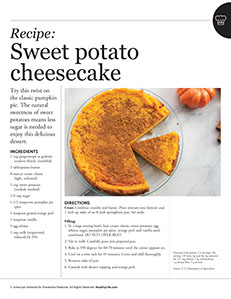
    Women in kitchen with fresh food on counter.

    Mental health may seem like it’s all about thoughts and feelings, but your diet plays a role in how your brain functions. Your food choices may contribute to declining mental health. On the flip side, a quality diet may help manage mental health struggles. For optimal mental health, what you eat matters.

    Good nutrition helps

    A wealth of research supports the benefits of a whole-food, plant-based diet for optimal health. This applies to mental health, too. When you choose a plant-based diet, your brain works at its best. A quality diet:

    *  Provides necessary nutrients for normal brain function

    *  Supports the health of the gut microbiome, which connects to the brain and influences mood

    *  Promotes resilience to stress

    *  Provides consistent energy to feel alert and productive

    *  Supplies essential nutrients to produce hormones and neurotransmitters that influence how you feel

    Poor nutrition can hurt

    The average Western diet is high in saturated fats, added sugars, and processed foods. These foods negatively impact your health and, over time, increase your risk of chronic diseases, including mental health conditions. Too much poor-quality food and too little nutritious food is bad for your brain. Poor diet:

    *  Promotes a chronic inflammatory state in the body

    *  Contributes to oxidative stress in the brain

    *  Worsens mood disorders

    *  Disrupts the balance of mood-boosting hormones

    *  Increases appetite and food cravings

    Good nutrition for your brain

    In a plant-based diet, fruits, vegetables, whole grains, nuts, seeds, beans, and lentils should form the base of your meals. Lean animal foods such as chicken, fish, eggs, and low-fat dairy provide healthy protein in small portions.

    Try these tips to eat well for your brain:

    *  Begin your day with a high-fiber bowl of oatmeal or other whole grain with fruit.

    *  Snack on raw vegetables, fruit, or a small handful of nuts or seeds.

    *  Choose healthy oils when cooking, such as olive and avocado oil.

    *  Limit sugary beverages and choose plain or flavored water most often.

    *  Add dark leafy greens to salads, soups, smoothies, and entrees for a boost of nutrients.

    © American Institute for Preventive Medicine

  • Know Your Rights With Rebates

    FINANCIAL HEALTH

    Person holding a bag of gifts.

    The holiday shopping season is here, and with it comes big sales and big purchases. Some stores and companies advertise big rebate offers to get you to buy. These offers may promise you a certain amount of money back, either immediately or after you send in a form.

    Usually, you buy the item, fill out and send in some paperwork, and wait for the rebate money to come in the mail. You probably need the sales receipt, a form and the packaging from the item. Sometimes you get a rebate within a month, but many rebates take longer – up to 12 weeks.

    The Federal Trade Commission says people should beware of rebates that take too long to show up – or never come at all. Companies are required by law to send the rebate within the promised timeframe. If there’s no timeframe listed, the timeframe is usually 30 days.

    Follow these tips if you buy a product with a rebate:

    *  Make sure you follow all the steps on the rebate form. Enclose all of the required paperwork.

    *  Make a copy of all your paperwork. You’ll want these records if your rebate doesn’t show up or if there’s a problem.

    *  Keep track of the date you sent the rebate. Contact the company if your rebate doesn’t show up when they promised it.

    If your rebate is late or never shows up, you can file a complaint. Contact the Federal Trade Commission, your state Attorney General or your local Better Business Bureau.

    © American Institute for Preventive Medicine
  • 4 Financial Health Steps

    Financial Health

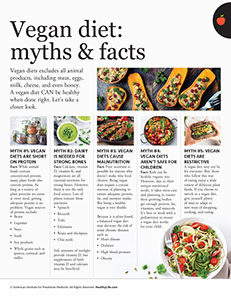
    Couple going over finances.

    1.  Track your monthly expenses.

    –  List fixed costs. These include mortgage or rent, car payment, phones and child care.

    –  List costs that vary, such as clothing, eating out, personal care, and entertainment.

    2.  Make and follow a plan to pay down debt. Do this on your own or with professional help.

    3.  Plan a budget. From your net income, aim for:

    –  50% for basics (house, food, transportation)

    –  30% for lifestyle choices (hobbies, phone and cable, personal care, pets, eating out)

    –  20% for short-term savings and retirement

    4.  Get tools to help you manage your financial health frommymoney.gov.

    Take Action: Keep Your Numbers Safe

    1.  Protect your bank account, credit card, driver’s license, social security, and other personal ID numbers.

    2.  Use secure websites, passwords, and PIN numbers. Change passwords often, using upper and lower case numbers and symbols. Consider using multi-factor authentication (MFA). This is an added layer of security to your information where a system requires you to present a combination of two or more credentials to verify your identity.

    ays to Well-Being book by the American Institute for Preventive Medicine. www.HealthyLife.com. All rights reserved.

    © American Institute for Preventive Medicine

  • Use Credit Cards Carefully

    Financial Health

    Smart use of credit cards can help you control costs and your credit score.

    Using a credit card is safer than carrying cash, makes it easier to track your expenses, and helps you establish credit. And you need a credit card to make purchases online or by phone. But be careful with credit card use to avoid getting into debt.

    Tips to use credit cards wisely:

    *  Make payments on time to avoid: A late fee; a possible increase in your interest rate; having your credit rating go down. According toCreditCards.com, one payment that’s 30 or more days late could lower your score by 60-100 points.

    *  Keep from opening new credit cards. You may save 10 or more percent on a purchase if you sign up for a credit card, but your credit score could go down 10 points for each new card you open.

    *  Limit the number of credit cards you have. Having too many alerts a lender of how much debt you could accrue. But don’t close unused cards, especially ones you have had a long time. A longer credit history helps you have a higher credit score.

    *  Limit individual store and gas cards. These usually have very high interest rates. Opt for two major credit cards (American Express, Discover, Master Card, or VISA). Look for ones with low interest rates and that best meet your needs.

    *  Control credit card use. To avoid interest, only charge what you can pay in full when you get the bill.

    *  To limit interest costs, make more than the minimum payment. Your credit card statements show you how long it will take to pay off your balances if you make only the minimum payments. Aim to keep the balance to less than 25 percent of the total amount you can charge.

    *  Have one or more regular bills billed directly to a credit card. Examples are your monthly electric, gas, and/or cable bill or your mail order prescriptions.

    *  Do not use credit cards for cash advances. You pay a fee for the service and interest rates are very high (often 25 percent or higher).

    *  Read the fine print. Zero-percent interest for balance transfers and purchases can save you money. But you need to pay off the entire balance on the total amount financed by the due date, such as after 6 to 18 months. If not, you may be charged interest on the amount from the original purchase date – not just on the remaining balance. Check for balance transfer fees, too.

    *  Once a year, check your credit score for accuracy. This is a free service from each of the three nationwide credit bureaus – Equifax, Experian and TransUnion. Do this online athttps://annualcreditreport.comor by phone at 1-877-322-8228.

    Credit Scores

    The most common credit score (FICO) range is from 300-850 (the higher the better). Lenders use your payment history on your debts and bills as one of the biggest factors in your credit report and credit score. You are more likely to get lower interest rates and fees for loans, as well as credit cards if you maintain a good credit score – about 700 is good; above 750 is excellent. Lenders consider you a credit risk if your score is below 600.

    Action Step

    If you are an impulse buyer, leave your credit cards at home when you shop. If you are easily tempted to buy items online or while watching shopping channels, switch to a non-shopping website or  TV show, or to a DVD.

    Ways to Well-Being. Published by the American Institute for Preventive Medicine.

    © American Institute for Preventive Medicine