Obsessions are unwanted thoughts or impulses that cause a person distress.
Common Obsessions & Compulsions
Common Obsessions
* Thoughts or fear of dirt or contamination
* Thoughts or fear of losing control
* Thoughts or fear of injury to others or self
Compulsions are rituals or repeated behaviors that a person does.
Common Compulsions
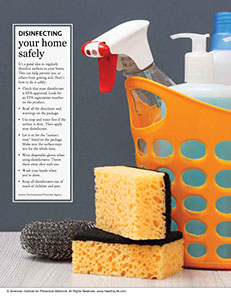
* Excessive hand washing or cleaning the house many times during the day
* Endless organizing of closets, desktops, drawers
* Excessive list making, exercising, working
* Checking and re-checking to make sure doors are locked, water faucets and/or gas stoves are turned off, etc.
The repeated acts are an attempt to reduce the anxiety felt with an obsession. Excessive hand washing, for example, helps a person deal with obsessive thoughts or fear of dirt or contamination. Persons can have obsessive thoughts without compulsions. And rituals or repeated behaviors can take place without obsessions.
In and of themselves, compulsive behaviors are often nothing to worry about. For some people, they result in a high standard of performance in their work and other activities. When a person is preoccupied with obsessions and compulsions, though, it can keep him or her from doing daily living tasks. It can also be a sign of a problem called obsessive-compulsive disorder. This disorder is a type of anxiety disorder which generally causes moderate to severe distress. A person with this disorder needs professional treatment.
About 2% of Americans suffer from an obsessive-compulsive disorder (OCD) at some time in their lives. The disorder often begins during the teen or early adult years, but may begin in childhood. Obsessive-compulsive disorders affect males and females equally, but usually begin earlier in males.
A problem in brain function could be a cause of OCD. Heredity also plays a role.
How to Recognize the Disorder
A person with obsessive-compulsive disorder usually knows that their obsessive thoughts and/or compulsive acts are excessive and unreasonable. They cannot stop them, though. Reasons to get professional help include:
* The obsessions or compulsions cause a lot of distress
* The behavior prevents the person from living life the way they would like or causes problems with family, friends, school or work
* Excessive behavior puts the person’s health at risk
* More than 1 hour a day is spent on obsessive or compulsive behaviors
Treatment
* Medication. Certain antidepressants are used.
* Therapy. Behavior therapy and cognitive behavior therapy are used. Traditional talk therapy is not effective.
A combination of medication and behavioral therapy is often most effective. Guidance for family members should be a part of a complete treatment plan.
What You Can Do to Help Someone
* The most important thing you can do is to get your friend or relative to seek professional treatment from a provider who is experienced with obsessive-compulsive disorder (OCD). Their illness, especially if it is severe and has persisted for a long time, will not go away on its own. Try to give positive feedback to the person about their seeking help.
* Be supportive. Take their obsessions or compulsions seriously. Telling them they are being “silly” or “childish” will not help them. It will only serve to increase their feelings of anxiety and alienation.
* If your friend or relative is being treated for this disorder, remind them to do the things their health care provider has advised.
* Know their medication. You may need to be aware of the types of medication the person needs to take and when they should take it. You should also alert their physician about any side effects that you notice when they take medication.
* Some mental health practitioners have the person keep a journal to gauge the extent and changes in compulsive behaviors. Remind your friend or relative to write in their journal, if they have one.