Category: Uncategorized

  • Brussels Sprouts: A Winter Veggie Powerhouse

    HEALTHY EATING

    Brussels spouts in red bowl.

    Brussels sprouts may have a reputation for being the vegetable your mother made you eat. But there’s plenty of reasons that adults and kids alike should eat their Brussels sprouts. Their peak season is fall to winter, so now is a good time to try them.

    Why eat Brussels sprouts?

    Brussels sprouts belong to the cruciferous vegetable family. Other cruciferous vegetables include broccoli, cauliflower, kale and cabbage.

    Like other veggies, brussels sprouts are low in calories and packed with nutrients. They also have plenty of fiber to help with digestion. Fiber may also help you feel fuller, longer.

    Brussels sprouts also have some special health benefits. They may play a role in reducing the risk of developing cancer.

    How to cook brussels sprouts

    Brussels sprouts are versatile and can be roasted, used in casseroles, salads and even on pizza. Many people can find a way to cook them that agrees with their tastes.

    A popular way to roast them is to toss them with honey, lemon juice or dried fruit for a sweet side dish. But brussels sprouts also work well with savory flavors like parmesan cheese or garlic.

    Nutrition

    One half cup of cooked Brussels sprouts contains just 28 calories. It also contains 2 grams of fiber and very little fat and carbohydrates. Brussels sprouts are a good source of many important nutrients, including vitamins A and C. These vitamins are antioxidants, which help fight inflammation and some diseases.

    In addition, Brussels sprouts are packed with vitamin K, which is important for blood clotting and healthy bones. Brussels sprouts contain important minerals like iron, magnesium and phosphorus. And finally, they contain heart-healthy omega-3 fats.

    If you haven’t eaten Brussels sprouts in a while, give them a try. They make a nutritious and delicious addition to any diet.

    Sources: Academy of Nutrition and Dietetics, National Institutes of Health, US Department of Agriculture

    © American Institute for Preventive Medicine
  • Does Tea Make You Healthier?

    HEALTHY EATING

    A cup of tea.

    There are many claims about the health benefits of tea. Here are the facts we know:

    *  Tea contains small amounts of minerals. But it’s not enough to meet your needs. Eat a balanced diet with fruits, vegetables, whole grains and lean protein.

    *  There is no solid evidence that tea can help with weight loss. Be wary of “weight loss teas,” as some may contain harmful ingredients.

    *  Tea contains antioxidants. They may help lower the risk of some health problems. Green tea and matcha tea may contain more polyphenols than other types of tea. Experts don’t know for sure that tea will prevent or cure any diseases, though.

    *  Processed teas and tea powders don’t contain as many antioxidants as fresh tea. Use tea leaves and tea bags for the most antioxidants.

    Tea can be part of a healthy eating plan. Steep your own tea and skip the added sugar.

    Sources: Academy of Nutrition and Dietetics, U.S. Food and Drug Administration

    © American Institute for Preventive Medicine
  • Give Swiss Chard A Try

    HEALTHY EATING

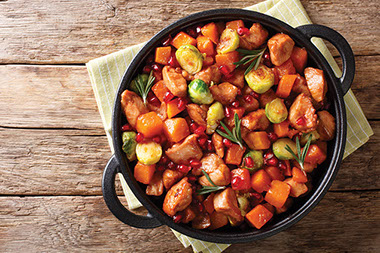
    Swiss chard wraps.

    When it comes to leafy greens, spinach and kale get most of the attention. But leafy greens are so nutritious. Why limit yourself to just two types?

    Swiss chard has less bitterness than kale, and offers plenty of important nutrients. Plus, this time of year, swiss chard is plentiful at farmers’ markets or the local grocery store. It can be used like any greens:

    *  Raw in a salad

    *  Sautéed or steamed

    *  Added to pasta  and soups

    Here’s more about swiss chard’s nutritional benefits:

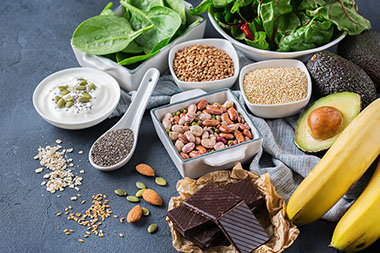
    *  Rich in magnesium, potassium, vitamin A, vitamin C, several B vitamins and iron.

    *  One cup (chopped) contains more than 700 percent of your recommended daily intake of vitamin K, which is needed for bone health and blood clotting.

    *  Each cup contains only 35 calories and nearly 4 grams of fiber. Talk about a low-calorie and nutritious punch!

    Source: USDA Nutrient Database

    © American Institute for Preventive Medicine
  • Mood & Food: The Close Link

    HEALTHY EATING

    A bite out of a green apple and in a chocolate bar.

    You may already know that your diet can change how you feel mentally. If you’ve ever been really hungry, you may notice that you start to feel upset or angry. And, some high-calorie junk foods are called “comfort foods” for a reason. They make you feel better mentally, but only for a little while.

    The link between the mind and what a person eats is complex. That’s why it can be so hard to make good choices when you have a bad day or feel depressed. But there are ways to fight this habit and start to make better choices, even when your mood is down or you feel stressed.

    Why we want comfort food

    Stress can make you want to eat unhealthy foods. This is your body’s way of trying to get fuel when it thinks you are in trouble. Although this is normal, you have the power to overcome it.

    Take a moment to think about a food you are craving. Then think about your current emotions. If you’re feeling sad, angry or stressed, this could be why you want that pizza or ice cream.

    If you eat the food, you may feel good for a few minutes. But unhealthy foods with lots of fat and sugar can actually increase the risk of depression or anxiety. This creates an unhealthy cycle that will continue as you eat those comfort foods.

    The cycle of mood & food

    If you use food to cope with stress or depression for too long, your body will get used to it. Then, when you do try to make a healthy choice, your body and mind may be confused. This could lead to an even stronger craving for those comfort foods. This cycle makes it very hard to make changes to your diet.

    You can win!

    You’re not stuck in this cycle. Eating fruits and vegetables can make you feel happy. When you’re happy, you’re more likely to reach for healthy foods again. This can start a positive cycle!

    Source: American Heart Association

    © American Institute for Preventive Medicine
  • Recipe: Chicken Curry

    HEALTHY EATING

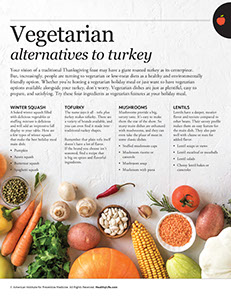
    A plate of chicken curry with rice.

    Ingredients

    2 teaspoons ground cumin

    1 ½ teaspoons ground coriander

    ½ teaspoon ground turmeric

    ½ teaspoon cayenne

    ½ teaspoon cinnamon

    ½ teaspoon black pepper

    ¼ teaspoon ground mustard

    ¼ teaspoon ground cloves

    ½ teaspoon salt

    1 pound boneless, skinless chicken breasts

    2 tablespoons olive oil

    1 medium onion, finely chopped

    4 cloves fresh garlic, diced or crushed

    6 ounces canned, no-salt-added tomato paste

    1 cup sour cream

    1 medium fresh jalapeño pepper, finely chopped

    1 tablespoon minced fresh ginger root

    ½ cup finely chopped cilantro

    Directions

    1.  Mix together all the spices and salt.

    2.  Place the uncooked, diced chicken in a large bowl and mix with spices until well coated.

    3.  In a large skillet, heat 1 tablespoon of the oil over medium-high heat, swirling to coat the bottom. Add the spice-coated chicken and cook until browned on all sides. Remove from pan.

    4.  In the same skillet, heat 1 tablespoon of oil over medium-high heat. Add the onion and garlic and cook about 3 minutes, or until soft, stirring frequently.

    5.  Return the chicken to the pan and add the tomato paste, sour cream, jalapeño, and ginger root. If the mixture seems dry, gradually stir in a little water as needed. Bring to a boil. Reduce the heat and simmer for 15 minutes, or until the chicken is no longer pink in the center.

    6.  Sprinkle with cilantro just before serving.

    Nutrition Facts: 6 servings, Calories 242; Total Fat 14g; Saturated Fat 6g; Sodium 486mg; Total Carbohydrate 10g; Dietary Fiber 2g; Protein 20g

    © American Institute for Preventive Medicine

  • The Mighty Cruciferous

    HEALTHY EATING

    Different colored cauliflower in bowl, surrounded by bok choy, cabbage, kale.

    Cruciferous vegetables are among the most well-studied, cancer-fighting foods. This incredible group of vegetables is packed with nutrients that support good health and may prevent cancer growth.

    Cruciferous vegetables

    The name “cruciferous” comes from the cross-like shape (crucifer) of the four-petaled flowers these plants produce. They include:

    *  Broccoli

    *  Cauliflower

    *  Cabbage

    *  Brussel sprouts

    *  Kale

    *  Collard greens

    *  Bok choy

    Key nutrients

    Cruciferous vegetables are nutrient-dense, meaning they provide lots of nutrition in a low amount of calories. Some of their most important nutrients include:

    *  Vitamins C, E, and K

    *  Folate

    *  Carotenoids

    *  Fiber

    *  Potassium

    *  Selenium

    *  Glucosinolates, which are sulfur-containing compounds that are central to their cancer-fighting benefits.

    Cancer-fighting benefits

    While more research is needed, cruciferous vegetables may provide these benefits:

    *  Protect cellular DNA from damage

    *  Neutralize carcinogens

    *  Have anti-inflammatory effects

    *  Inhibit tumor blood vessel formation and metastasis

    *  Induce tumor cell death

    © American Institute for Preventive Medicine
  • Save On Prescriptions

    FINANCIAL HEALTH

    Pills and bottle on top of a money.

    Whether you have insurance or not, the cost of filling prescriptions can be high. Here are some ways to save big on the medicine you need.

    Go generic

    Ask your doctor if there is a cheaper generic option they can prescribe.

    Talk to your insurance

    Some insurance companies have options to make your medicine cheaper, such as direct buying programs.

    Get a 90-day supply

    Often it’s cheaper to get more at once than to refill a prescription multiple times.

    Apply for assistance

    Check with state and local governments to see if you qualify for financial assistance with prescriptions.

    Compare prices

    Call around to different pharmacies to find which one is the cheapest for your specific medicines.

    Ask for a higher dose

    Ask your doctor if they can prescribe a higher dose and let you cut the pills. Not all pills can be cut, but if it’s possible, it can save you money.

    © American Institute for Preventive Medicine

  • If Money Grew On Trees

    Financial Health

    Model tree with bags of money hanging from it.

    But, it doesn’t, so build a budget! Use a plan to manage your money and stay out of debt.

    *  Identify your life goals and financial priorities.

    *  List all sources of income.

    *  Keep a log of everything you spend.

    *  Use a software program or a free app, such as one fromintuit.com.

    *  Include a savings plan in your budget, such as through your company’s 401K and a direct deposit into a savings account.

    *  Pay credit card balances in full. If you can’t do this, make more than the minimum payment.

    *  Pay down credit card debt. Start with the card that has the lowest balance.

    *  Don’t be late making payments.

    *  Don’t use credit cards for cash advances.

    ays to Well-Being book by the American Institute for Preventive Medicine. www.HealthyLife.com. All rights reserved.

    © American Institute for Preventive Medicine

  • Get Up To Date On Vaccines

    MEDICAL NEWS

    Smiling man showing bandaid on upper arm where he got a vaccine shot.

    Vaccinations aren’t just for kids. Adults need them too.

    How they work

    Vaccines stimulate your immune system to create antibodies against common diseases. Antibodies are specialized proteins that recognize and neutralize viruses or bacteria. If you are exposed to the disease, your body will be ready to fight it.

    Why they matter

    Some people are more vulnerable to diseases such as COVID-19 or the flu, even if they are vaccinated. When you get vaccinated, you protect your loved ones and vulnerable people in your community.

    Vaccines you need

    Your doctor is the best resource for information on the vaccines you need. Here are a few your doctor may recommend:

    *  Seasonal flu

    *  Tdap or Td (Tetanus, diphtheria, and pertussis)

    *  COVID-19

    *  Shingles

    *  HPV (Human papillomavirus)

    © American Institute for Preventive Medicine
  • Smoking Triggers And How To Beat Them

    MEDICAL NEWS

    Cigarettes and nicotine gum.

    Many people have tried to quit smoking but couldn’t. There are many reasons for this, but one of them is because of triggers. A trigger is something that makes you want to smoke.

    Emotional triggers

    When you have certain emotions, you may get the urge to smoke. They may include feeling stressed, nervous, depressed or even bored.

    You can help stop these triggers by dealing with your emotions in other healthy ways. Try meditation, deep breathing or exercise to help manage stress and anxiety. Exercise is also a great way to beat boredom and fight depression. Listen to calming music or talk to a friend who can encourage you to keep up your efforts to quit.

    Pattern triggers

    Sometimes you’re used to smoking when you do something else, such as drinking coffee or alcohol. This is known as a pattern trigger. You may also like to smoke after eating or during a work break.

    Change your routine to help avoid these patterns. Chew your favorite gum, suck on a hard candy or mint or go for a walk. Try brushing your teeth after meals, coloring in an adult coloring book or squeezing a stress relief ball.

    Social triggers

    Many people want to smoke at bars, parties or when they’re with people who smoke. These can be powerful triggers for you to smoke.

    It’s best to avoid these triggers if you’re trying to quit. Instead, surround yourself with people who don’t smoke or who want you to quit. Try taking a class or find a hobby, such as painting or cycling.

    Withdrawal triggers

    Your body will crave nicotine when you quit smoking. Nicotine is very addictive and you may go through withdrawal. Withdrawal triggers include:

    *  Cravings for cigarettes or e-cigarettes

    *  Feeling like you need to do something with your hands or mouth

    *  Feeling restless or uncomfortable

    Withdrawal can be very difficult to manage. As with other triggers, spend time with people who don’t smoke and who want you to quit. Find things to do that have nothing to do with smoking. Avoid places or situations where you might see or smell cigarettes or vaping.

    Quitting is hard. But if you have support from your doctor, family and friends, you can do it. Millions of people have quit and you can too!

    Source: Smokefree.gov

    © American Institute for Preventive Medicine