Category: Uncategorized

  • Remember:Kids Are People, Too

    Stress Management

    Image of young child stressed.

    Don’t think for one minute that kids lead stress-free lives. Carefree as childhood may seem to adults, children experience stresses that are as real to them as car payments and broken water heaters are to you.

    Coach your children in stress management so they can learn to handle setbacks and disappointments. Here’s how:

    *  Find a calm, quiet time to discuss with your children what it feels like to be stressed. Choose simple examples that are appropriate to their age levels.

    *  Ask your children about any physical signs of stress they may be experiencing, like upset stomach or sweaty palms.

    *  Teach your children that they can calm down, and show them how to make themselves feel better.

    *  Tell your children to take a slow, deep breath and imagine that they are sucking in air down to their feet. Then tell them to exhale all the “stressed” air out of their bodies and let go of tense feelings.

    *  Tell your children to imagine a comforting mental image. Suggest they picture themselves somewhere associated with relaxation-safe in bed, at a favorite playground, on the sofa with the family pet, sitting in Dad’s lap, or something similar. Encourage them to include as many details as possible in this image, to make it clear and memorable.

    *  Encourage your children to practice deep breathing or conjure up a comforting mental image whenever they feel stressed.

    Page from A Year of Health Hints book by the American Institute for Preventive Medicine. www.HealthyLife.com. All rights reserved.

    © American Institute for Preventive Medicine

  • Health Tests For Men & Women

    Medical Exams

    Blood Cholesterol Test (Lipid Profile)

    Why you need this:

    Blood cholesterol levels play a major role in heart disease. Getting blood cholesterol levels in goal ranges lowers the risk for heart disease. A lipid profile test gives information about total cholesterol, LDL (bad) cholesterol, HDL (good) cholesterol, and triglycerides (another form of fat).

    What to do before the test:

    It is best to schedule the test in the morning, because you need to have nothing to eat or drink for 9 to 12 hours before the test. Fasting before the test is needed for LDL (bad) cholesterol and triglycerides.

    What to expect:

    A blood sample is taken, usually from a vein in the arm. A bandage is put on the skin site where your blood was drawn. The blood sample is sent to a lab. Lipids are measured in milligrams per deciliter (mg/dL).

    What the results mean:

    Total Blood Cholesterol Goal: Less than 200 mg/dL

    {Note: Ask your doctor what your LDL-cholesterol goal is. This is based on your risk factors for heart disease and how many you have. Examples are high blood pressure; diabetes; family history of early heart disease; cigarette smoking; and being a man age 45 years and older or being a women age 55 years old and older. Your HDL-cholesterol is also a factor.}

    LDL (bad) Cholesterol Goals  (Deposits cholesterol in the artery walls.)

    Less than 70 mg/dL:  If at “very high risk.”

    Less than 100 mg/dL:  If at “high risk.”

    Less than 70 mg/dL:  Optional goal for this risk level.

    Less than 130 mg/dL:  If at “moderate high risk.”

    Less than 100 mg/dL:  Optional goal for this risk level.

    Less than 160 mg/dL:  If at “lower/moderate risk.”

    HDL (good) Cholesterol Goals  (Helps remove cholesterol from the blood.)

    40 mg/dL or higher for men

    50 mg/dL or higher for women

    Triglycerides Goal: Less than 150 mg/dL

    Blood Pressure

    Why you need this:

    High blood pressure (HBP) may not have symptoms. Getting tested is how you find out if you have it. If you do have HBP and it is not controlled, you run the risk of having a heart attack or stroke. Diet, weight control, and exercise can help control HBP.

    What to do before the test:

    Wear short sleeves so your arm is exposed. Don’t drink coffee or smoke 30 minutes before the test. (Don’t smoke at all!) Go to the bathroom before the test. Right before the test, sit for 5 minutes. When you get tested, keep your back and arm supported and your arm at heart level.

    What to expect:

    The end of a stethoscope is placed on the inside of your elbow. A blood pressure cuff is wrapped around your arm. A pump attached to the cuff inflates the cuff to stop the blood flow in the artery for a few seconds. You feel tightness in your arm. The technician listens for a thumping sound and when it is no longer heard to measure your blood pressure. A valve by the pump is opened up to let air out of the cuff, which allows blood flow to start again.

    What the results mean:

    Normal: Systolic < 120 and Diastolic < 80

    Pre-hypertension: Systolic 120-139 or Diastolic 80-90

    Stage 1 Hypertension: Systolic 140-159 or Diastolic 90-99

    Stage 2 Hypertension: Systolic ≥ 160 or Diastolic ≥ 100

    Colorectal Cancer Screening – Colonoscopy

    Why you need this:

    To remove colon polyps and to screen for cancers of the colon and rectum. These cancers can be cured when found and treated early.

    What to do before the test:

    Follow your doctor’s guidelines for when and how long before the test to stop taking iron supplements and aspirin and other blood thinners. Stop eating solid foods 2 to 3 days before the test. Drink lots of clear liquids. Take what your doctor advises to completely cleanse the colon. Don’t have anything to eat or drink 9 to 12 hours before the test. Arrange for someone to drive you home after the test.

    What to expect:

    You wear a gown for this test. An IV is used to give a pain reliever and a sedative. You lie on your left side with your knees drawn up to your chest. A long flexible tube with a video camera (colonoscope) is inserted through the anus to examine the entire colon. After the test, you may have a lot of gas because air is inserted through the scope to allow for a better view of the colon. If you had one or more polyps removed, you may have a little bit of blood in your bowel movement for a few days.

    What the results mean:

    If the test is normal, follow your doctor’s advice for future screenings. A biopsy is done on removed polyps. If cancer is found, your doctor will discuss treatment for it.

    Colorectal Cancer Screening – Stool Blood Test

    Why you need this:

    To find cancers of the colon and rectum. These can be cured when treated early.

    What to do before the test:

    Follow the doctor’s advice for what foods and medicines to avoid 2 to 3 days before you take a sample of your stool. Examples are red meat, horseradish, and aspirin.

    What to expect:

    For 3 days in a row, you collect a sample of your stool. Samples from different bowel movements are needed because colon cancers and polyps that precede them do not bleed every day. Have your bowel movement in a clean container. (The stool sample should not be mixed with urine or water.) Follow instructions in the test kit to apply a thin smear of stool on one part of the test card. Let it dry. After you have taken 3 stool samples, return the test card to your doctor’s office.

    What the results mean:

    A negative result means there is no blood in your stool. A positive result means there is blood in the stool or a substance gave a false positive result. The blood could be from cancer or from a bleeding ulcer or other problem. Your doctor will order follow up tests to check for colon cancer.

    Dental Checkup

    Why you need this:

    To check for tooth decay, infection, and gum disease. Infections, gum disease, and other mouth infections may increase the risk for pneumonia, diabetes, and heart disease. An oral exam can also help your dentist detect other health problems. These include diabetes, eating disorders, heart disease, osteoporosis, and a lack of vitamins.

    What to do before the test:

    Brush and floss your teeth. If you are not going to the dentist’s office right from home, take a toothbrush and dental floss with you to use at the dentist’s office right before the checkup.

    What to expect:

    You sit in the dentist’s chair. The dentist or hygienist does these things: Looks at your teeth, gums, cheeks, tongue, and throat for problems. Checks your bite and jaw joints. Takes dental X-rays, as needed, to find cavities and other problems. Removes tartar from your teeth. Cleans and flosses your teeth. Addresses any areas of concern. You are given a new toothbrush and dental floss!

    What the results mean:

    The dentist will tell you what you need to do to take care of your teeth and gums. The dentist will prescribe follow-up care and treatment, as needed.

    Depression / Mental Health Screening

    Why you need this:

    Depression occurs twice as often in women than in men. Untreated depression affects both mental and physical health. It can make blood sugar and other medical problems worse. It can also lead to suicide. Depression is an illness that is very treatable.

    What to do before the test:

    Find out if your biological relatives have or have had depression or bipolar disorder.

    What to expect:

    Your doctor or a mental health care provider will ask you to answer yes or no to a number of questions.

    What the results mean:

    Your answers help your doctor decide if you have depression or some other physical or mental health problem. He or she will prescribe treatment or further tests, as needed. Treatment for depression is counseling, medicine, or both of these.

    Diabetes Screening (Blood Glucose [Sugar] Test)

    Why you need this:

    Checks for diabetes and pre-diabetes. When diabetes in not treated, hardening of the arteries, stroke, kidney failure, and blindness can result. A woman with diabetes has 4 to 6 times the risk of coronary artery disease than a woman without diabetes. (A man’s risk only doubles.)

    What to do before the test:

    It is best to schedule the test in the morning, because you need to have nothing to eat or drink for 8 or more hours before the test.

    What to expect:

    1.  A blood test is taken from a vein in your arm. This is a fasting blood test. It is analyzed at a lab.

    2.  For a 2-hour oral glucose test, you are given a very sweet liquid to drink. Two hours later, a blood test is taken.

    What the results mean:

    Fasting Blood Glucose Test*

    99 mg/dL and below:  Normal

    100 to 125 mg/dL:  Pre-diabetes (impaired fasting glucose)*

    126 mg/dL and above Diabetes*

    *A diagnosis is confirmed by repeating the test on a different day

    2-Hour Glucose Tolerance Test:  200 mg/dL or higher

    HIV Screening

    Why you need this:

    If HIV is present, treatment can lessen chances of infecting others and improve health outcomes. Early treatment of a pregnant female can greatly lessen the chance that her baby will be infected with HIV.

    What to do before the test:

    Wait 1 to 3 months after possible HIV exposure to get a blood test to check for HIV. This is the average time it takes for HIV antibodies to show up in blood. If you think you have been exposed to HIV, practice “Safer Sex”; do not donate blood; do not share needles; and do not breast-feed.

    What to expect:

    A blood sample is taken from your arm. (For a home testing kit, a finger prick blood sample is used.) If the blood sample shows a certain reaction, another test is done using the same sample. If the 2nd test confirms the results of the first, HIV is diagnosed. Rapid HIV blood tests give results in 20 minutes. Other tests for HIV are done using a sample of your urine or collecting fluid from inside your mouth.

    What the results mean:

    Negative means HIV antibodies were not detected. Positive means you are infected with HIV. Get medical care right away. Practice “Safer Sex” to greatly reduce the risk of spreading HIV and of getting infected with other STIs.

    Physical Exam / Checkup

    Why you need this:

    Detects problems early when they are easier to treat. Promotes having a doctor to discuss health needs with and to keep track of changes in your health.

    What to do before the test:

    Have a list of current concerns, medicines you take, and past illnesses and surgeries.

    What to expect:

    The doctor or health care provider asks about your lifestyle, current and past problems, and your family medical history. He or she checks on how well your eyes, ears, heart, bowels, etc. function. A blood sample from a vein in your arm is usually taken. Other tests & exams are done, as needed.

    What the results mean:

    The doctor or health care provider will prescribe treatment, as needed.

    Sexually Transmitted Infection (STI) Screening

    Why you need this:

    STIs may or may not have symptoms. Left untreated, different STIs can lead to health problems, such as cervical cancer, pelvic inflammatory disease, infertility, liver problems, and even death. Treating STIs lowers the risk of spreading them.

    What to do before the test:

    Follow your doctor’s advice for the test(s) needed.

    What to expect:

    For men and women: A blood test screens for hepatitis B, HIV, and syphilis.

    For men: The doctor will examine the genital area, as well as the lymph nodes in the groin. A urine sample is taken to test for chlamydia. For gonorrhea, a thin swab is inserted into the urethra just far enough to get a sample of cells.

    For women: The doctor examines the genital area and uses a long cotton swab to collect cells from the cervix and/or the walls of the vagina.

    What the results mean:

    If a test is postive for an STI, your doctor will prescribe treatment, as needed.

    Video Exam

    Why you need this:

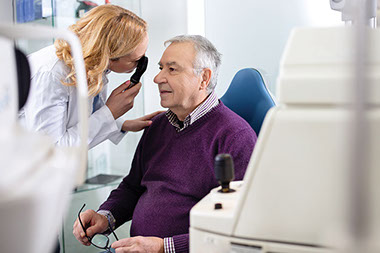
    Checks for problems with vision and eye function. Can also help detect diabetes, glaucoma, and other problems.

    What to do before the test:

    Gather the eyeglasses, sunglasses, contact lenses, etc. you use, so you can show these to the eye doctor. (Take sunglasses with you in case the eye doctor dilates your eyes.)

    What to expect:

    You sit in the exam chair. The eye doctor and/or technician uses vision testing equipment to check your vision and for problems. To test for glaucoma, you look through a machine that sends a puff of air into one eye at a time. The eye doctor may put drops into your eyes to dilate the pupils of your eyes.

    What the results mean:

    The eye doctor will prescribe treatment, as needed.

    Weight & Body Mass Index (BMI)

    Why you need this:

    BMI screens for weight categories that can lead to health problems. An increase in BMI is linked to diabetes, heart disease, and other chronic health problems.

    What to expect:

    Stand on a scale to find out how much you weigh. Your BMI is figured out using your weight and height. This equation is used:

    Weight (in lbs) ÷ height (in inches) x 703.

    It is easier to use a BMI Table or a BMI calculator online fromwww.cdc.gov/nccdphp/dnpa/bmi/.

    What the results mean:

    Adult values are: Healthy Weight =

    BMI from 18.5 to 24.9

    Overweight = BMI from 25 to 29.9

    Obese = BMI of 30 or higher

    For children’s BMI, use the online calculator Web site.

    Men's and Women's Self-Care Book. Published by the American Institute for Preventive Medicine.

    © American Institute for Preventive Medicine

  • Lawn Mower Safety

    Personal Safety

    Image of lawn mower cutting the grass.

    Getting sliced by a lawn mower blade and being hit by rocks or other propelled objects are the two most common lawn mower-related injuries. (Mower blades rotate at nearly 200 miles per hour, and seemingly harmless sticks and stones often become dangerous missiles when picked up and hurled at that speed.) To mow grass safely:

    *  Before you start to mow, clear the lawn of sticks, stones, toys, garden hoses, and so forth.

    *  Don’t use electric mowers on wet grass.

    *  Wear heavy-duty shoes and long pants to protect your legs.

    *  Wear safety goggles to protect your eyes. Wear ear protectors (like those worn on shooting ranges) to protect your hearing.

    *  Push the mower, never pull it (if you have a push mower).

    *  Mow across a slope, not up or down, so the mower doesn’t slide or fall on top of you. Look several feet ahead when mowing.

    *  Turn off the engine if you have to check the blade, or clean or adjust the mower. Never fuel a lawn mower when the engine is hot. Spilled fuel or fumes can result in an explosion or fire. Instead, allow the engine to cool before refueling.

    *  Never allow children to operate a power mower, and keep small children far away from a mower that’s in use.

    A Year of Health Hints book by the American Institute for Preventive Medicine. www.HealthyLife.com. All rights reserved.

    © American Institute for Preventive Medicine

  • Eating Disorders 4

    Mental Health

    Common eating disorders are anorexia nervosa, binge eating disorder, and bulimia nervosa. With these, persons are obsessed with food and/or body weight. Eating disorders are a way to cope. They are serious health problems.

    Signs & Symptoms

    For Anorexia Nervosa

    *  Loss of a lot of weight in a short time.

    *  Intense, irrational fear of weight gain and/or of looking fat. Obsession with fat, calories, and weight.

    *  Distorted body image. Despite being below a normal weight for height and age, the person sees himself or herself as fat.

    *  A need to be perfect or in control in one area of life.

    *  Marked physical signs. These include loss of hair, slowed heart rate, and low blood pressure. The person feels cold due to a lowered body temperature. In females, menstrual periods can stop.

    For Binge Eating Disorder

    *  Periods of nonstop eating that are not related to hunger.

    *  Impulsive binging on food without purging.

    *  Dieting and/or fasting over and over.

    *  Weight can range from normal weight to mild, moderate, or severe obesity.

    For Bulimia Nervosa

    *  Repeated acts of binge eating and purging. Purging can be through vomiting; taking laxatives, water pills, and/or diet pills; fasting; and exercising a lot to “undo” the binge.

    *  Excessive concern about body weight.

    *  Being overweight, underweight, or normal weight.

    *  Dieting often.

    *  Dental problems. Mouth sores. Chronic sore throat.

    *  Spending a lot of time in bathrooms.

    *  Because of binge-purge cycles, severe health problems can occur. These include an irregular heartbeat and damage to the stomach, kidneys and bones.

    Causes

    An exact cause has not been found. Persons from all backgrounds, ages, and genders are affected.

    Risk Factors for Eating Disorders

    *  A family history of eating disorders.

    *  Pressure from society to be thin.

    *  Personal and family pressures.

    *  Sexual, physical, or alcohol abuse in the past.

    *  Fear of starting puberty. Fear of having sex.

    *  Pressure for athletes to lose weight or to be thin for competitive sports.

    *  Chronic dieting.

    Treatment

    *  Counseling. This can be individual, family, group, and/or behavioral therapy.

    *  Support groups.

    *  Medication.

    *  Nutrition therapy.

    *  Outpatient treatment programs.

    *  Hospitalization, if needed.

    Questions to Ask

    Self-Care / Prevention

    Eating disorders need professional treatment.

    To Help Prevent an Eating Disorder

    *  Learn to accept yourself and your body. You don’t need to be or look like anyone else. Spend time with people who accept you as you are, not people who focus on “thinness.”

    *  Know that self-esteem does not have to depend on body weight.

    *  Eat nutritious foods. Focus on whole grains, beans, fresh fruits and vegetables, low-fat dairy foods, and low-fat meats.

    *  Commit to a goal of normal eating. Realize that this will take time. It will also take courage to fight fears of gaining weight.

    *  Don’t skip meals. If you do, you are more likely to binge when you eat.

    *  Avoid white flour, sugar and foods high in sugar and fat, such as cakes, cookies, and pastries. Bulimics tend to binge on junk food. The more they eat, the more they want.

    *  Find success in things that you do.

    *  Get regular moderate exercise 3 to 4 times a week. If you exercise more than your doctor advises, do non-exercise activities with friends and family.

    *  Learn as much as you can about eating disorders from books and places that deal with them.

    *  To help their children avoid eating disorders, parents should promote a balance between their child’s competing needs for independence and family involvement.

    To Treat an Eating Disorder

    *  Follow your treatment plan.

    *  Attend counseling sessions and/or support group meetings as scheduled.

    *  Identify feelings before, during, and after you overeat, binge, purge, or restrict food intake. What is it that you are hoping the food will do?

    *  Set small goals that you can easily reach. Congratulate yourself for every success. This is a process. Accept setbacks. Learn from them.

    *  Talk to someone instead of turning to food.

    *  Learn to express your rights. You have the right to say “no” and the right to express your feelings and your opinions. You have the right to ask that your needs are met.

    *  Keep a journal of your progress, feelings, thoughts, etc., but not about what you eat. The journal is just for you, not for others to read or judge. This is a safe place to be honest with yourself. The journal can also help you identify your “triggers” so that you can deal with them in the future.

    *  Don’t let the scale run your life. Better yet, throw out the scale!

    Resources

    Eating Disorders Awareness and Prevention

    202.382.3587

    nationaleatingdisorders.org

    Healthier at Home book by the American Institute for Preventive Medicine. www.HealthyLife.com. All rights reserved.

    © American Institute for Preventive Medicine

  • Violence & Abuse

    Mental Health

    Violence is the intended use or threat of force or power against one or more persons or even oneself. It results in physical or emotional harm, deprivation, or, too often, death. Worldwide, violence causes 44% of deaths among males; 7% among females.

    Abuse is one form of violence. It can be emotional, physical, economic, and/or sexual.

    Violence and abuse are law and order issues, as well as, personal and public health issues.

    Signs & Symptoms

    A person who commits violence and abuse does the things listed below. The signs often progress from ones that cause less harm to ones that can threaten life.

    *  Uses verbal abuse, such as name calling.

    *  Acts possessive and extremely jealous.

    *  Has a bad temper. Does violent acts in front of others, but doesn’t harm them. An example is putting a fist through a wall.

    *  Gives threats.

    *  Acts cruel to animals.

    *  Pushes, slaps, and/or restrains others.

    *  Punches. Kicks. Bites. Sexually assaults.

    *  Chokes others. Breaks bones. Uses weapons.

    Causes

    Violence and abuse are ways to gain and keep control over others. Persons who commit violence or abuse come from all groups and backgrounds. Often, they have these problems:

    *  Poor skills to communicate.

    *  A family history of violence. They may have been abused in the past. They may have seen one parent beat the other.

    *  Alcohol or drug abuse.

    Treatment

    Treatment for the victim of abuse or violence depends on the situation and includes:

    *  Emergency medical care. Calling the police.

    *  Going to a safe place, such as a shelter for victims of abuse.

    *  Counseling.

    *  Training to be assertive.

    In general, persons who abuse others or commit violence find it hard to change their behavior without professional help.

    Questions to Ask

    Self-Care / Prevention

    To Handle Being in an Abusive Relationship

    *  Get help!

    *  Have a safety plan for times you feel unsafe or in danger.

    – Decide who you will call (e.g., police, neighbors, relatives, a shelter). Make a list of these telephone numbers. Memorize them, too.

    – Decide where you will go. If you have children and pets, develop safety plans. Practice the safety plans with your children. Have a plan for taking them with you. Have plans for where they should go if you can’t get away.

    – Keep extra keys to your car and house in a safe place unknown to the person abusing you.

    – Put some cash in a safe place that you can get quickly in case you need money for transportation to a safe place.

    To Manage Conflict Without Violence

    *  When you communicate, state your needs without putting others down.

    *  Learn to deal with frustration, rejection, ridicule, jealousy, and anger.

    *  Accept differences in others. This includes sexual preferences, ethnic and religious backgrounds, etc. You do not need to change your beliefs, but don’t expect other persons to change theirs, either.

    *  Be an active listener. Focus on what the other person is saying. Try to understand his or her point of view. Or, simply accept it as an opinion.

    *  Take a course that teaches skills to manage conflict.

    *  When you can’t resolve a conflict on your own, get help.

    Resources

    National Center for Victims of Crime

    202.467.8700

    www.ncvc.org

    National Domestic Violence Hotline

    800.799.7233

    www.thehotline.org

    Healthier at Home book by the American Institute for Preventive Medicine. www.HealthyLife.com. All rights reserved.

    © American Institute for Preventive Medicine

  • Herb Alert

    Alternative Medicine

    Image of man at herb store.

    Echinacea

    Proposed Uses

    To prevent colds & flu, fight infections, and boost the immune system.

    Warnings

    Could cause liver damage if taken with antifungal medicines (e.g., Nizoral). Since it boosts the immune system, it should not be taken by persons with autoimmune conditions (e.g., AIDS, lupus, multiple sclerosis) or who take medicines (e.g., cyclosporine) to suppress the immune system.

    Ginko

    Proposed Uses

    To improve mental function and promote circulation to the limbs.

    Warnings

    Do not use if you take blood-thinners (e.g., aspirin, warfarin) or have a bleeding disorder.

    Ginseng

    Proposed Uses

    To increase energy.

    Warnings

    Don’t use if you take medicines for high blood pressure, diabetes, or heart disease. Don’t use if you take MAOI medicines for depression (e.g., Nardil, Parnate). Ginseng can cause irritability when mixed with caffeine.

    Kava

    Proposed Uses

    To treat anxiety, insomnia, premenstrual syndrome, and stress.

    Warnings

    FDA advisory links products with Kava to severe liver damage. Don’t use if you take anti-anxiety and antidepressant medicines. Don’t use with alcohol.

    Saw Palmetto

    Proposed Uses

    To treat symptoms of an enlarged prostate.

    Warnings

    Don’t self-diagnose. See a doctor. Follow his or her advice. Don’t take with medicine prescribed for an enlarged prostate.

    St. John’s Wort

    Proposed Uses

    To treat mild to moderate depression.

    Warnings

    Should not be used with prescribed antidepressants, such as SSRIs (e.g., Zoloft, Paxil) and MAOIs (e.g., Nardil, Parnate). Makes birth control pills and some medicines for asthma, HIV, and heart disease less effective.

    Resources

    Center for Food Safety and Applied Nutrition

    888.723.3366 or

    www.fda.gov/FOOD

    National Center for Complementary and Alternative Medicine (NCCAM)

    888.644.6226 orwww.nccam.nih.gov

    Office of Dietary Supplements

    www.ods.od.nih.gov

    Mental Health America

    www.mentalhealthamerica.net/list-cam-treatments

    Page from the Healthier at Home book by the American Institute for Preventive Medicine. www.HealthyLife.com. All rights reserved.

    © American Institute for Preventive Medicine

  • First Aid Kits: Stay Up To Date

    SELF-CARE CORNER

    Women helping wrap man's foot and ankle with sprain wrap.

    A first aid kit is an essential self-care item that should always be handy. A well-stocked kit prepares you for any situation or emergency that may arise.

    If you don’t have a first aid kit, you can purchase ready-made kits at most pharmacies. Ideally, you should have a kit for your home as well as your vehicle, so you’re covered anywhere you go.

    First aid kits should be updated every six months to keep supplies stocked and replace expired items. Now is a good time to go through your kits to ensure they are up to date and stocked with everything you need.

    What should be in your kit?

    *  2 absorbent compress dressings (5 x 9 inches)

    *  25 adhesive bandages (assorted sizes)

    *  1 adhesive cloth tape (10 yards x 1 inch)

    *  5 antibiotic ointment packets

    *  5 antiseptic wipe packets

    *  2 packets of aspirin (81 mg each)

    *  1 emergency blanket

    *  1 breathing barrier (with one-way valve)

    *  1 instant cold compress

    *  2 pairs of nonlatex gloves (size: large)

    *  2 hydrocortisone ointment packets

    *  1 3-inch gauze roll (roller) bandage

    *  1 roller bandage (4 inches wide)

    *  5 3 x 3-inch sterile gauze pads

    *  5 sterile gauze pads (4 x 4 inches)

    *  A thermometer (non-mercury/non-glass)

    *  2 triangular bandages

    *  Tweezers

    *  A first aid guide or reference book

    Personalize your kit

    Depending on the needs of yourself and your family, you should add special items unique to your situation. For example:

    *  If someone in your family has diabetes, include glucose tabs/gels, quick glucose snacks, and a glucagon injection kit.

    *  If someone in your family has a severe allergy, include an epi-pen and some antihistamine medication.

    *  Include a list of medications that each family member takes, as well as contact information for their doctors.

    *  Include your address in a prominent place in your first aid kit. This will allow the person who is helping you in an emergency to give this information to first responders.

    © American Institute for Preventive Medicine

  • Natural Remedies For Menopause Symptoms

    SELF-CARE CORNER

    Women sitting with eyes closed and relaxed.

    Menopause symptoms range from annoying to nearly unbearable. Hot flashes, mood changes and sleep problems are just a few things that come with this transition.

    Some women get relief from their menopause symptoms with complementary or “natural” approaches. Here’s what you should know about these remedies.

    Acupuncture

    Acupuncture involves stimulating specific points on the body. Usually, a practitioner will insert thin needles into the surface of the skin. Some studies have found acupuncture lowered the frequency and severity of hot flashes. But other studies have found no benefit.

    If you decide to try acupuncture, make sure you use a licensed and experienced practitioner. They should only use sterile, single-use needles.

    Hypnotherapy

    Hypnotherapy is when a provider uses hypnosis for health reasons. During a hypnotherapy session, your attention is concentrated and focused. You’ll have a stronger response to things that your provider says.

    Some evidence suggests that hypnotherapy can provide relief from hot flashes. Hypnosis is generally safe if a trained, licensed health care provider performs it. But if you have any mental health conditions, ask a provider before trying hypnotherapy.

    Mindfulness meditation

    Mindfulness meditation is a mental training exercise. It means you completely focus on what’s happening in the moment. It might include breathing, guided imagery or other techniques.

    Some evidence suggests that mindfulness meditation training helps menopausal women with:

    *  How much hot flashes bothered them

    *  Anxiety

    *  Sleep quality

    *  Stress

    *  Overall quality of life

    Meditation is generally safe. But ask a doctor before trying it if you have any physical or mental health conditions.

    Herbs for menopause symptoms

    Some studies have shown benefits to taking herbs for menopause. But others found that they didn’t help and could even be dangerous.

    Many supplements can interfere with medicines or cause problems if you have health conditions. In some cases, herbal supplements may contain things that aren’t listed on the label.

    Always talk to your health care provider before taking any herbal or vitamin supplement.

    Sources: National Center for Complementary and Integrative Health, U.S. Department of Health & Human Services Office on Women’s Health

    © American Institute for Preventive Medicine

  • Do A Skin Self-Exam

    SELF-CARE CORNER

    Man looking at himself in mirror.

    The skin is the largest organ of the body. Yet, it is easy to overlook what is literally right in front of you when you look in the mirror every day.

    Regularly examining your skin, including the hard-to-reach places, gives you early notice that you should visit a dermatologist. Catching concerns early makes diagnosis and treatment easier and more effective.

    Common conditions

    Few people have flawless skin. It’s normal to experience skin issues, and the risk of skin disease increases with age. Common dermatological concerns you may experience include:

    *  Acne

    *  Psoriasis

    *  Eczema

    *  Rosacea

    *  Skin cancer

    *  Nail fungus

    *  Hair loss

    *  Wrinkles and other cosmetic skin concerns

    Skin Self-exam

    Many skin conditions are highly treatable when caught early. A regular skin self-exam lets you examine your whole body and monitor any moles, blemishes, or areas of concern.

    1.  Do a skin exam about once a month after exiting the shower or bath.

    2.  Stand in front of a full-length mirror. Check your front, back, and each side with your arms raised.

    3.  Bend your elbows and examine your forearms, underarms, and palms.

    4.  Using a hand mirror, check the back of your neck and scalp. Part your hair to look closer at your scalp.

    5.  Check your back and buttocks using a hand mirror.

    6.  Sit down and thoroughly examine your legs, the soles of your feet, and between your toes.

    When to seek care

    A dermatologist is a medical professional specially trained in diagnosing and treating hair, skin, and nail conditions. Regular visits to a dermatologist should be part of routine adult healthcare. But, in between visits, be on the lookout for these signs:

    *  A mole or patch of skin that changes color, size, or shape

    *  Severe or persistent acne

    *  Rash, itching, or hives that do not clear on their own

    *  A skin condition that does not heal

    *  Long-lasting skin irritation

    *   Persistent dry skin patches

    *  Nails that appear yellow or brittle

    *  Increasing hair loss

    © American Institute for Preventive Medicine