Category: Uncategorized

  • Help For People Who Snore And Twitch

    Mature Health: Over Age 50
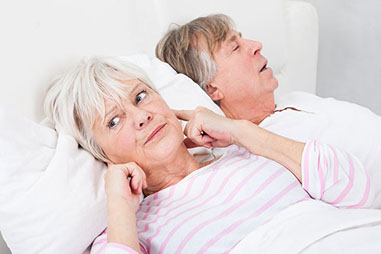
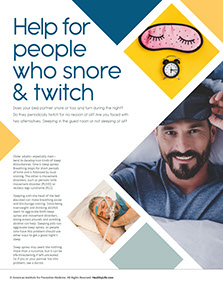
    Image of man snoring as spouse is awake plugging her ears.

    Does your bed partner snore or toss and turn during the night? Does he or she periodically twitch like a mackerel out of water for no reason at all? Are you faced with two alternatives: Sleeping in the guest room or not sleeping at all?

    Older adults-especially men-tend to develop two kinds of sleep disturbances. One is sleep apnea: Breathing stops for short periods of time and is followed by loud snoring. The other is nocturnal myoclonus, or restless legs-frequent jerking motions that sometimes awaken both the jerker and the person who shares the bed.

    Sleeping with the head of the bed elevated can make breathing easier and discourage snoring. Since being overweight and drinking alcohol seem to aggravate both sleep apnea and myoclonus, losing excess pounds and avoiding alcohol can help. Sleeping pills, too, can aggravate sleep apnea, so people who have this problem should use other ways to get a good night’s sleep.

    You may suffer one or both of these sleep disturbances and not even know it unless your partner complains-and you should take the complaints seriously.

    Sleep apnea may seem like nothing more than a nuisance, but it can be life-threatening if left untreated. So if you or your partner has this problem, see a doctor.
    A Year of Health Hints book by the American Institute for Preventive Medicine. www.HealthyLife.com. All rights reserved.

    © American Institute for Preventive Medicine
  • Allergy Or Asthma? Know The Difference

    SELF-CARE CORNER

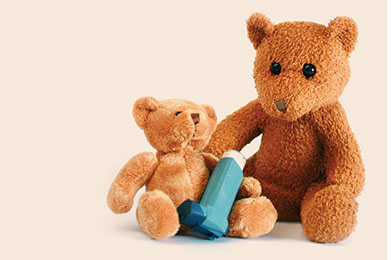
    Image of 2 teddy bears next to an asthma inhaler.

    Allergies are caused by an over-reaction of the immune system to certain substances (called allergens) in the air (pollen, dust mites, for example), eaten (such as peanuts or shrimp), injected (like a bee sting or certain medicines), or touched (poison ivy or latex are good examples), according to the Asthma and Allergy Foundation of America.

    Symptoms of an allergy may be some or all of these:

    *  Sneezing

    *  Runny nose (clear discharge)

    *  Itchy nose or throat

    *  Coughing

    *  Skin rashes or hives

    Asthma occurs when airways become temporarily blocked or narrowed because of exposure to allergens, irritants, strenuous exercise, anxiety, or other triggers. If an asthma attack is severe, a person may need emergency treatment.

    Asthma symptoms can include some or all of these:

    *  Sudden shortness of breath

    *  Difficulty breathing

    *  Tight chest

    *  Wheezing or coughing

    © American Institute for Preventive Medicine

  • Burn Notice

    SELF-CARE CORNER

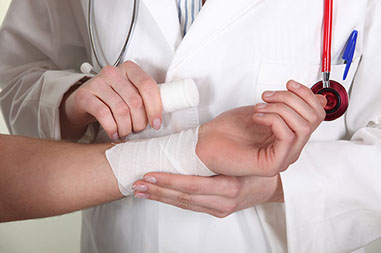
    Close-up image of a doctor wrapping up a burn on a patients arm.

    Follow this simple advice from the Home Safety Council and H2otStop to help reduce the risk of burn and scald injuries at home:

    Bathing

    *  Set your water heater at 120ºF or just below the medium setting.

    *  Fill the bathtub. Run your hand through the water to test for hot spots. Then help children get in. When children are in or near the tub, watch them closely. Young children and older people have thin skin. They burn more quickly.

    *  Install special tub spouts and shower heads that prevent hot water burns. These can sense if the water gets hot enough to cause a burn and shut off the flow of water.

    Cooking

    *  Wear long oven mitts to protect your skin when cooking or handling hot food.

    *  Turn pot handles toward the back of the stove so children cannot pull them down. Use back burners when cooking. Keep children away from the stove when you are cooking. Put tape on the floor around the stove/oven to help children learn to stay out of the “no-kid-zone.”

    *  Food cooked in the microwave can get very hot and cause a burn. Use oven mitts when you take off the lid. Stir and test the food before serving to make sure it is cool enough to eat.

    *  Keep hot drinks away from the edge of tables and counters. Do not use tablecloths or placemats because young children can pull them down. Use a travel mug with a tight-fitting lid for all hot drinks. This can help prevent a burn if the cup tips over.

    *  Do not hold or carry a child while you have a hot drink in your hand. Put only cold drinks in the cup holder of your child’s stroller and child safety seat.

    If a burn occurs:

    *  Cool it with running water. Do this right away.

    *  Keep the burned area in cool water for 3 minutes or longer. Do not put ice, butter, or lotion on the burn. This could make it worse.

    *  Call your doctor or 911 if the burn looks bad.

    © American Institute for Preventive Medicine
  • Get Better Sleep Starting Tonight

    SELF-CARE CORNER

    Image of man feeling sleepy at his desk.

    After a long and exhausting day, you probably just want to get some much needed rest. And, there may be some simple things you can begin doing today to ensure you wake up feeling refreshed and energized. Try these tips to start getting the sleep your body needs:

    *  Don’t stay up too late. Waiting until you are overtired can make it harder to wind down. Try to go to bed when you first feel drowsy, not when you’re exhausted. Turn down those late-night activities with friends and “turn in” a little earlier.

    *  Skip your nap. If you are having trouble with nighttime sleep, you may be tempted to make up for it by napping during the day. Daytime naps, even short ones, can interfere with your quality of sleep at night. Try eliminating them for a few days to see if your nighttime sleep improves.

    *  Turn off your phone, computer and other devices. The light emitted from computer and smartphone screens can keep you awake. It can trick the body into thinking it is daytime, rather than bedtime. Allow at least one hour before bedtime as “screen-free” time. Take a bath, a relaxing walk or read a book instead.

    *  Don’t drink alcohol. Although a drink seems relaxing and may make you feel sleepy, it can actually make your sleep worse by waking up through the night.

    *  Eat dinner earlier. Eat dinner at least three hours before bed. If you’re hungry, have a light snack, such as small portion of yogurt or oatmeal, about 45 minutes before bedtime.

    *  Turn down the temperature. Most people sleep better if their room is between 60-67 degrees. A hot room makes it difficult for the body’s temperature to drop, which tells it to go to sleep.

    If these tips don’t help, talk to your doctor about your sleep problems. Sleep is an important part of overall good health and your doctor can help you find solutions to get the rest you need.

    Sources: American Academy of Sleep Medicine, National Sleep Foundation

    © American Institute for Preventive Medicine

  • Pump Up Your Heart In 5 Easy Steps

    SELF-CARE CORNER

    Image of older women laughing.

    Did you know that a good night’s sleep can help prevent heart disease? That’s just one way to lower your risk. Dr. Holly Andersen, director of education and outreach at NewYork-Presbyterian Hospital/Weill Cornell Medical Center, offers some easy steps to improve heart health and overall well-being:

    Step 1: Know your numbers.

    Your blood pressure, cholesterol, and triglyceride levels are the most important numbers you will need to know before you take the path to good heart health. A normal blood pressure level is 140/85 or lower, total cholesterol levels should be less than 200, and triglycerides less than 150.

    Step 2: Start walking.

    Exercise really is the fountain of youth. A simple 20- to 30-minute walk a few days a week can actually cut your risk of premature death by more than half. Physical activity also improves sleep, reduces stress, elevates mood, reduces blood pressure, improves cholesterol, improves brain health, and prevents memory loss.

    Step 3: Laugh out loud.

    Laughter is good medicine. Just 15 minutes of laughter is about equal to 30 minutes of aerobic exercise with respect to our heart health. So choose funny movies on Netflix. Laughter has also been linked to the healthy function of blood vessels, an increase in the brain hormones that improve mood, and reduction of pain  and anxiety.

    Step 4: Focus on your waistline, not your weight.

    Your waistline is a better measurement of your overall health than your weight because the amount of fat around your waistline is directly linked to high blood pressure and high cholesterol and can place you at increased risk for diabetes. Anything you can do to make your waistline smaller is definitely a step in the right direction. Liposuction doesn’t count!

    Step 5: Get a good night’s sleep.

    Sleep is one of the most undervalued elements of our daily routines, but it is absolutely vital to good health. Lack of sleep increases your blood pressure, induces stress, increases your appetite and slows down your metabolism, dampens your mood and decreases your brain power.

    © American Institute for Preventive Medicine

  • The Aches Of Arthritis

    SELF-CARE CORNER

    Image of older women holding hand in pain.

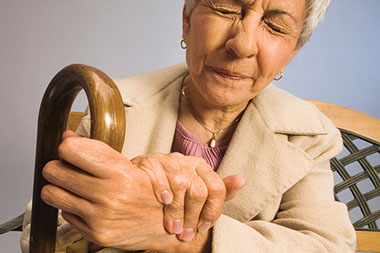
    Feeling pain and stiffness in your joints? Wonder if it’s because you’re aging? Many people experience joint pain when they’re 45 to 50. It’s generally from arthritis-one of the most common diseases. “Arthr” means joint, and “itis” means inflammation.

    There are more than 100 types of arthritis. The most common is osteoarthritis (wear and tear on joints in the fingers, knees, and hips). And, yes, osteoarthritis can develop years after an injury to a joint.

    Rheumatoid arthritis can affect your whole body. It arises when your immune system mistakenly attacks your own joints bringing pain, swelling, stiffness, and loss of function.

    Arthritis can damage not only your joints but also internal organs and skin. Talk with your doctor about what you can do. Here are some ideas from the NIH News in Health:

    *  Try to stay at a healthy weight that’s normal for your height.

    *  Exercise. A trained health professional can show you how to move more easily if you have arthritis. Going for a walk every day will help, too.

    *  If you had a severe joint injury to a joint, protect it from getting injuried again.

    *  Don’t smoke. People who smoke are more likely to get rheumatoid arthritis, and their symptoms tend to be worse.

    *  Take your medicines when and how you are supposed to. They can help reduce pain and stiffness.

    *  Try taking a warm shower in the morning.

    © American Institute for Preventive Medicine
  • When Petting Pets Causes Disease

    SELF-CARE CORNER

    Image of women with her dog.

    Salmonella, E. coli, and roundworms are among the nearly 20 different diseases that people most commonly get from their pets, said Jason Stull, assistant professor of veterinary preventive medicine at Ohio State. Infants, the elderly, pregnant women, and people with limited immune function are most at risk for animal-borne, or zoonotic, diseases.

    Since different species of pets-dogs, cats, rodents, birds, fish, reptiles, and amphibians-carry different types of diseases and at different stages of life, Stull and his colleagues suggest that families talk to both their doctor and veterinarian about what pet is the safest choice for their family.

    Here are some safe tips for pet ownership:

    *  Wear protective gloves to clean aquariums and cages and to remove feces.

    *  Wash hands after pet contact.

    *  Don’t let your pets lick your face.

    *  Cover playground sandboxes when not in use (cats love them).

    *  Avoid contact with higher risk animals such as reptiles, amphibians, and exotic animals.

    *  Regularly clean and disinfect animal cages, feeding areas, and bedding.

    *  Put litter boxes away from areas where food is eaten and prepared.

    *  Schedule regular veterinary visits.

    © American Institute for Preventive Medicine

  • Best Exercise For People With Diabetes

    BE FIT

    Image of middle-aged Hispanic man playing with a soccer ball.

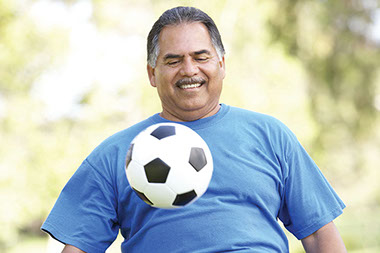
    The best exercise for anyone with diabetes may be a notch above a casual walk, according to Jamie Cooper, assistant professor of nutritional sciences at Texas Tech University.

    “A person should exercise to the point when they’re breathing a little bit harder and sweating a little bit-then they know they’re working more intensely,” Cooper said.

    The type of exercise really doesn’t matter as long as you’re moving and getting some exercise on a regular basis. Finding something you enjoy and are motivated to do is probably more important than a specific type of exercise to treat diabetes.

    “It’s not something you just do once a month or for a couple of weeks and quit. It has to be something you adapt into your new, healthier lifestyle and do on a regular basis,” Cooper said.

    © American Institute for Preventive Medicine

  • Exercise For Stronger … Bones?

    BE FIT

    Image of older man sitting on fitness ball holding dumb bells.

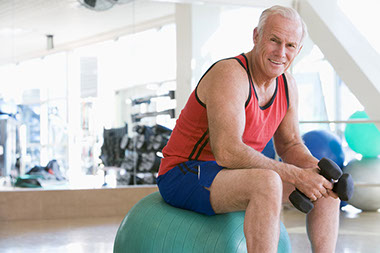
    If you’re lifting weights or doing push-ups, you must want strong muscles, right? Actually, weight-training exercises, sometimes called resistance exercises, are great for your bones too.

    Men and women of any age can benefit from the bone-building effects of strength training. It’s especially important as we get older, when bones tend to get thinner.

    If you’re new to strength training, be sure to check with your doctor before beginning. Just two to three days a week of strength training can have big benefits. And you don’t have to lift heavy weights or do difficult routines. Here are some quick and simple ways to get started.

    *  If you belong to a gym, try using the weight machines. These are safer and easier to start with than free weights. Ask the gym staff for help and for correct usage tips if needed.

    *  At home, you can do simple exercises without any equipment. Arm raises, leg curls, chair dips, and toe stands are all good examples. Get information and videos on various exercises for seniors and beginners atwww.nihseniorhealth.gov.

    Sources: National Osteoporosis Foundation, National Institutes of Health

    © American Institute for Preventive Medicine