Category: Uncategorized

  • How Physical Activity Works

    BE FIT

    Image of couple using dumb bells.

    No, this is not another article about why you should be active. This information tells you how exercise works to keep you healthier.

    The concept to understand is called overload. And according to the government’s Physical Activity Guidelines for Americans, overload is the physical stress placed on your body when your physical activity is greater in amount or intensity than usual.

    The body responds and adapts to these stresses (say, a Zumba class). For example, aerobic activity places stress on your heart and lungs and muscles. Your lungs are required to move more air and the heart pumps more blood and delivers it to working muscles. This increase in demand increases the efficiency of your lungs, heart, your entire circulatory system, and your muscles.

    Muscle-strengthening exercise overloads muscles and bones in the same way-making them stronger.

    Also tied to the idea of overload is the principle of progression. Once you reach a certain fitness level, you progress to higher levels of physical activity by continued overload and adaptation. These small and progressive changes help your body adapt to the additional stresses while minimizing your risk of injury.

    © American Institute for Preventive Medicine

  • Run For Your Life

    BE FIT

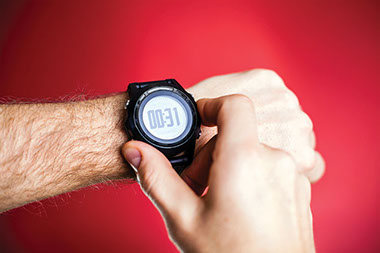
    Image of man's wrist with stop watch on.

    Vigorous exercise is good for your health, but too much can do more harm than good to your heart.

    Limit your exercise to a maximum daily dose of between 30 and 50 minutes, say researchers in an editorial published in Heart.

    The idea that more and more high-intensity exercise, such as marathons, can only do you good is a myth, say the cardiologists from St. Luke’s Mid America Heart Institute in Kansas City.

    Routine moderate physical activity will add years to your life and life to your years, but running too far, too fast, for too many years may speed your race to the finish line of life, they said.

    If you must train for a marathon, do just one or a few and then cut back to a safer, healthier exercise pattern.

    © American Institute for Preventive Medicine

  • Timing Is Everything: When To Exercise

    BE FIT

    Image of older couple brisk walking.

    Some people swear by a 6 a.m. run each day. Others are night-owls and hit the gym after dinner. Still others might go to a yoga class on their lunch hour. When is the right time of day to work out?

    Experts say there is no big difference in the time of day – as long as you stick with it. The key is to find a time that works for you and your schedule, according to the American Heart Association.

    Workout partners

    Studies show that people who have an exercise buddy are more likely to exercise regularly. If you can meet a friend at the gym or walk together, find a time that works for both of you.

    Think about sleep

    If you already have trouble falling asleep at night, a late-night workout probably won’t help. Exercise can make you feel more energetic and alert, instead of allowing you to wind down for rest. Schedule your workout at least two hours before you plan to go to sleep.

    Morning means consistency

    If you have a busy schedule, it may be easier to fit your workout into the early morning hours. People who exercise before work or other commitments find that they can get it done and “out of the way” before other things can interfere.

    Make it work for you

    If you dread going to the gym, you’re less likely to do it. Try different times of day and different routines to see which ones suit you best. Make it as fun as you can, and do it at a time of day when you feel your best. It can take two weeks or longer to build a habit, so give it a chance – and don’t give up if it’s difficult at first. You may find that over time, you have more energy and start to look forward to your exercise routine.

    Another reason to get moving

    During exercise, your body releases endorphins, which are special chemicals in the brain that reduce stress, relieve pain, and help you sleep better.

    Source: Anxiety and Depression Association of America

    © American Institute for Preventive Medicine

  • 5 Reasons You Need Fat In Your Diet

    HEALTHY EATING

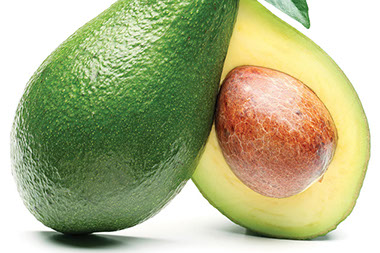
    Image of avocado.

    Energy:

    Fat provides a highly concentrated form of energy. One gram of fat gives you 9 calories of energy, which is over twice that provided by carbohydrates or protein.

    Organs need a cushion:

    A cushion of fat helps protect organs from injury and holds them in place.

    Cell structure:

    Whether it is hair, skin, or eyes, fats make up part of the membrane that surrounds each cell of the body, and without them the rest of the cell can’t function.

    Immune function:

    Without good fats in our diet, immune function becomes partially impaired and our bodies are susceptible to foreign invaders such as bacterial and viral infections.

    Nutrient transport:

    Vitamins A, D, E, and K are fat-soluble vitamins and need fat to help the body transport, store, and absorb them.

    © American Institute for Preventive Medicine

  • Buy Local. Eat Local.

    HEALTHY EATING

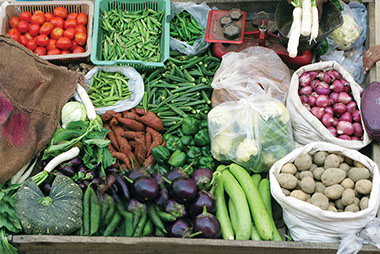
    Image of a farmer's market stand filled with vegetables.

    Did you know the average supermarket produce travels about 2,000 miles to your neighborhood grocery store? Farmers’ market produce travels less than 50 miles, according to University of Nebraska-Lincoln Extension experts who offer these buying and storing tips:

    *Go right home from the market.Foods will decline in quality, and perishable foods such as meats and eggs can pose food safety problems if left sitting in your car. Bring along a cooler with ice if it will take more than an hour or so to get perishables into your refrigerator.

    *Store at room temperature:bananas, melons, onions, potatoes, sweet potatoes, tomatoes, and winter squash. Store them in a clean, dry, well-ventilated place, away from direct sunlight and away from areas where meat is prepared.

    *Ripen on the counter and then put in the refrigerator:avocados, kiwifruit, nectarines, peaches, pears, and plums. Do not keep produce in a sealed plastic bag on the countertop. This slows ripening and may increase off-odors and decay from the buildup of carbon dioxide and depletion of oxygen inside the bag.

    *Store in refrigerator most other fresh fruits and vegetables.Use your refrigerator crisper drawer for whole produce. Store fruits in a separate refrigerator crisper drawer from vegetables. Fruits give off ethylene gas, which can shorten the storage life of vegetables. Some vegetables give off odors that can be absorbed by fruits and affect their quality.

    *Refrigerate fruits and vegetables in perforated plastic bags.This helps maintain moisture yet provide air flow. Make your own: use a sharp object to make several small holes in a food-grade plastic bag (about 20 holes per medium-size bag). Air-tight plastic bags can lead to the growth of mold or bacteria.

    *Wash your hands and produce thoroughly.Wash produce before you use it, NOT when you bring it home. Fresh produce has a natural protective coating that helps keep in moisture and freshness. Washing produce before storage causes it to spoil faster.

    *Remove and discard outer leaves.Rinse under clean, running water just before preparing or eating. Don’t use soap or detergent. It can get into produce and make you sick. Rub briskly-scrubbing with a clean brush or hands-to clean the surface. Dry with a clean cloth or paper towel. Rinse produce even when the peel is removed-such as melons and citrus fruits. Once you have cut through the protective skin of fruits and vegetables, bacteria can enter. Refrigerate cut or peeled fruits and vegetables within 2 hours.

    *Take your own bags or baskets to the farmers’ markets.And be sure to wash them too. Bacteria can grow inside.
    © American Institute for Preventive Medicine

  • Easy Snack Substitutions

    HEALTHY EATING

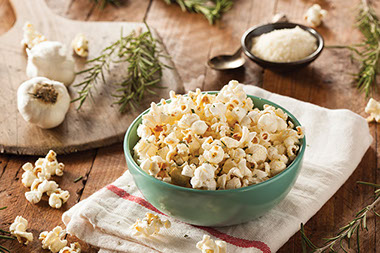
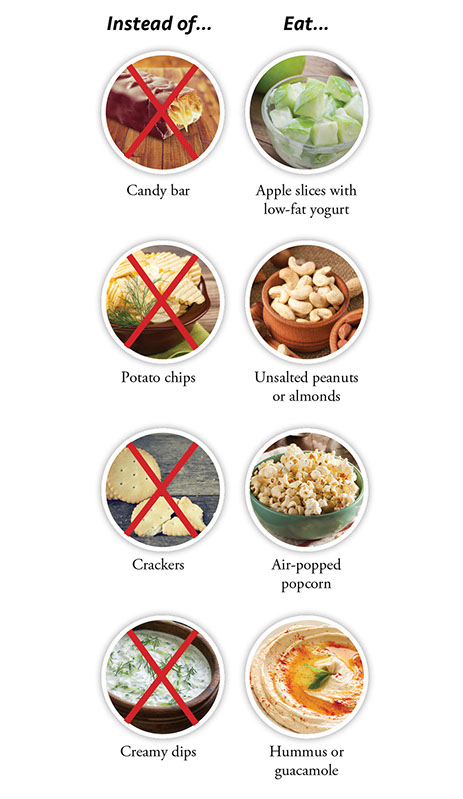
    Image of popcorn in a bowl.

    Skip the vending machine and processed foods when you need to fill up between meals. Try these alternatives to everyday unhealthy snacks:

    © American Institute for Preventive Medicine

  • Get Your Iron In The Kitchen!

    HEALTHY EATING

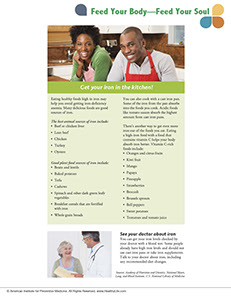
    Image of couple in the kitchen.

    Eating healthy foods high in iron may help you avoid getting iron-deficiency anemia. Many delicious foods are good sources of iron.

    The best animal sources of iron include:

    *  Beef or chicken liver

    *  Lean beef

    *  Chicken

    *  Turkey

    *  Oysters

    Good plant food sources of iron include:

    *  Beans and lentils

    *  Baked potatoes

    *  Tofu

    *  Cashews

    *  Spinach and other dark green leafy vegetables

    *  Breakfast cereals that are fortified with iron

    *  Whole grain breads

    You can also cook with a cast iron pan. Some of the iron from the pan absorbs into the foods you cook. Acidic foods like tomato sauces absorb the highest amount from cast iron pans.

    There’s another way to get even more iron out of the foods you eat. Eating a high-iron food with a food that contains vitamin C helps your body absorb iron better. Vitamin C-rich foods include:

    *  Oranges and citrus fruits

    *  Kiwi fruit

    *  Mango

    *  Papaya

    *  Pineapple

    *  Strawberries

    *  Broccoli

    *  Brussels sprouts

    *  Bell peppers

    *  Sweet potatoes

    *  Tomatoes and tomato juice

    See your doctor about iron

    You can get your iron levels checked by your doctor with a blood test. Some people already have high iron levels and should not use cast iron pans or take iron supplements. Talk to your doctor about iron, including any recommended diet changes.

    Sources: Academy of Nutrition and Dietetics, National Heart, Lung, and Blood Institute, U.S. National Library of Medicine

    © American Institute for Preventive Medicine

  • Home-Cooked Mealspromote Family Togetherness

    HEALTHY EATING

    Image of young family sitting around the table eating together.

    Busy weeknights often lead parents to skip family meals and instead rely on fast and processed foods, but a growing number of public health officials and parents alike agree that enjoying home-cooked meals as a family promotes health and well-being.

    Adolescents who participated in even one or two family meals per week were less likely to be overweight or obese in adulthood as compared to adolescents who never participated in family meals, according to a study in The Journal of Pediatrics.

    On this page, try the kid-friendly recipe by Kids Cook Monday, a national nonprofit campaign, which aims to help parents incorporate family meals at least once a week by offering a variety of free online resources. The latest is The Family Dinner Date, an easy-to-navigate e-cookbook featuring recipes that parents and kids can easily prepare together. Download free here:http://bit.ly/TKCMdinner.

    Each recipe features the campaign’s signature kid/adult/together instruction format to help parents determine which steps in the cooking process are safe for children to complete.

    The Kids Cook Monday is an initiative of The Monday Campaigns, a nonprofit public health organization in association with Columbia Mailman School of Public Health, Johns Hopkins Bloomberg School of Public Health, and the Maxwell School at Syracuse University.

    © American Institute for Preventive Medicine

  • Mushrooms: Eat Your Fungi!

    HEALTHY EATING

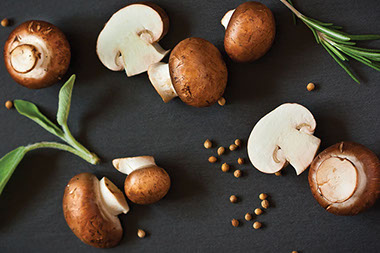
    Image of mushrooms.

    Botanically speaking, mushrooms are not a vegetable, but a type of fungi. However, this doesn’t make them any less nutritious. In fact, mushrooms have some important nutrients and health benefits.

    Mushrooms love the sun

    Vitamin D has been a hot topic lately in nutrition news. Some research suggests the nutrient may help prevent some types of cancer. It also plays a role in a healthy immune system and building strong bones.

    Mushrooms contain a nutrient that turns into vitamin D when exposed to sunlight. Some stores sell mushrooms processed this way. Look for “high vitamin D” mushrooms. Or, you can make them yourself by setting your fresh mushrooms in the sun for a few minutes.

    Versatile & healthy

    Mushrooms have many other health benefits as well. They add flavor and interest to many recipes without adding many calories. They are very low in fat and sodium, and have fiber and a small amount of protein.

    Mushrooms have some B vitamins, and contain the minerals selenium and potassium. Try adding them to pasta, pizza and meat dishes. They can also be eaten as a side dish alone: wash, slice and sauté them in a pan with a splash of olive oil and garlic until they are cooked through.

    Portabella mushrooms are large enough to be eaten on a bun as a “portabella burger.” In fact, one whole portabella mushroom has just 18 calories, 1 gram of fiber, and less than half a gram of fat. That’s a healthy burger alternative that’s worth a try!

    Mushroom safety

    Mushrooms grow almost anywhere that gets enough shade and moisture. But, this doesn’t mean people should pick wild mushrooms and eat them. In fact, many people have gotten sick or worse from eating wild mushrooms.

    Many poisonous mushrooms look very similar to those safe to eat. Some types can cause vomiting, diarrhea and kidney damage. They can even cause death in rare cases.

    To avoid poisonous mushrooms, only eat those purchased from a reputable supermarket or have been inspected and identified as safe by a mushroom expert.

    Some people are allergic to mushrooms and cannot safely eat them. If you have severe allergies and have never eaten mushrooms before, ask your allergist before trying them.

    Sources: United States Department of Agriculture (USDA), Produce for Better Health Foundation

    © American Institute for Preventive Medicine

  • Salmon’s Health Benefits

    HEALTHY EATING

    Image of salmon.

    NUTRITION FACTS

    *  High quality protein

    *  Vitamins: Niacin, thiamin, B6, B12, and D

    *  Minerals: Calcium, iron, magnesium, potassium, phosphorus, selenium, and zinc

    *  Omega-3 fatty acids

    HELPS IMPROVE memory and brain function

    LOWERS THE RISK of cardiovascular disease and cancers of the colon, kidney and prostate gland

    LOWERS INFLAMMATION which can be beneficial for arthritis

    AIDS IN MAINTAINING insulin levels in the body

    HELPS PREVENT macular degeneration and vision loss

    © American Institute for Preventive Medicine