Category: Uncategorized

  • The Best Foods To Help You Focus

    HEALTHY EATING

    Image of different vegetables shaped into an apple.

    You know the right foods are good for your body, but did you know they can help your brain too? Many foods can actually improve brain function, according to the Academy of Nutrition and Dietetics:

    *Vegetables.All vegetables can benefit the brain, but certain vegetables seem to be especially helpful. Cruciferous vegetables like broccoli, cabbage or cauliflower boost brain power. Dark leafy greens, such as spinach, kale, mustard greens and dark lettuce, also improve concentration and memory.

    *Dark-colored berries.Blackberries, blueberries and cherries have nutrients that your brain needs for optimal function. Fresh or frozen are great options. If you choose dried fruits, read the label and avoid any with added sugar.

    *Omega-3 fatty acids.Fatty fish, such as salmon, bluefin tuna, sardines and herring contain high amounts of omega-3 fatty acids. Vegetarian sources include flaxseeds, chia seeds and walnuts.

    In addition, these foods are also great for your heart and overall health. Try working them into your daily diet for maximum brain benefit and a healthier you.

    © American Institute for Preventive Medicine

  • Wash And Eat

    HEALTHY EATING

    Image of man holding a bowl of fruit.

    Pesticides are compounds that help to protect crops from devastating pests and weeds. Whether conventional or organic, farmers safely and carefully use pesticides as necessary to control insects, weeds, and fungus (organic farming does permit the use of certain pesticides), says the International Food Information Council.

    Pesticide residues are tiny amounts of chemicals that may remain on food from their application to crops while being grown on the farm. Some crops are less susceptible to pesticide residues, such as those with a husk (corn), shell (peanuts), or skin (bananas). However, even those without an outer layer are safe to eat, and simply washing raw fruits and vegetables before eating them removes most traces of pesticide residues.

    © American Institute for Preventive Medicine

  • Avocado-Green Tea Popsicle

    HEALTHY EATING

    Avocado green tea popsicles.

    Ingredients

    1 avocado (halved, pitted)

    1 banana (peeled, roughly chopped)

    1 cup fat-free milk

    1/2 cup fat-free, plain Greek yogurt

    1 tablespoon green tea matcha powder

    1 tablespoon honey

    Directions

    1.  Halve the avocado and remove the pit. Spoon the avocado’s flesh into a food processor or blender. Add the chopped banana, milk, yogurt, matcha powder, and honey.

    2.  Purée until mixture is smooth.

    3.  Carefully pour mixture into 6 (4-ounce) popsicle molds. Insert popsicle sticks and freeze until firm, at least 8 hours.

    4.  Place the outside of the popsicle mold under warm running water to easily remove popsicle from the mold.

    Nutrition per serving: Servings 6. Calories 106; Total Fat 5 g; Saturated Fat 1 g; Sodium 27 mg; Total Carbohydrate 13 g; Dietary Fiber 3 g; Protein 4 g.

    © American Institute for Preventive Medicine

  • Questions To Ask Before Choosing A Financial Planner

    FINANCIAL HEALTH

    Image of women writing different types of investments.

    1. How are you paid? Is it by a fee and commission? Do you fully disclose the fees and the commissions you earn on every investment you make or service you offer? If paid by fees, what is the average fee your clients pay?

    2. How many years have you been in the business? How long have you been a financial planner?

    3. Can you give me some references of people you have worked with for more than two years?

    4. What is your typical client like? Income levels, issues, investment amounts?

    5. What training did you have to be a planner? What requirements were needed to attain this degree or title?

    6. How many hours of continuing education must you have to keep your degree/designation?

    7. What does a completed financial plan look like?

    8. What is the most important difference your work made in someone’s life?

    9. How many clients do you have?

    10. How many support staff do you have? What are their credentials?

    11. Do you have a privacy statement?  May I have a copy?

    12. Is there an agreement among you and your staff to keep information confidential? Have there ever been any violations of that agreement?

    13. Do you have a copy of your Form ADV (a required disclosure form from the securities authorities)? Have you been responsible for any securities violations?

    14. Do you have a formal contract to define the responsibilities of the clients and those of the planners? Does it also address a protocol to settle differences and to terminate the relationship? How long does the contract last?

    Answers you will get to these questions can vary suggests Lynn S. Evans, CFP, author of Power of the Purse: Fear-Free Finances for Baby Boomer Women. You may have other questions that are important to you. Examples include if the offices are nearby and if you can communicate by email).

    A question regarding the planner’s investment performance is absent. For good reason: the planner’s average return on an investment is not the key to his or her success. The ability to meet the clients’ goals is what really counts.

    Lost without cyberspace?

    What if you couldn’t get a Wi-Fi signal on your smartphone? How anxious would you be if you forgot your phone or lost it? Worry about not being able to see instant news and weather? Or freak about a low battery? If you say yes, you may be a nomophobe (that’s having no mobile phone phobia), according to Iowa State University researchers, in the journal Computers in Human Behavior. Take the 20-question test and judge for yourself atwww.news.iastate.edu/news/2015/08/26/nomophobia. It’s not an addiction but an obsession, they say.

    © American Institute for Preventive Medicine

  • 4 Money Mistakes To Avoid

    FINANCIAL HEALTH

    Image of 3 friends.

    Little everyday choices can have a big impact on your finances. If you want to save more or spend less, think about whether you’re making any of these mistakes.

    Mistake #1: You put off saving money.

    Do you think that you can wait a few more months or even years before you need to save for retirement, your kids’ college or other future needs? Even if you can only put away a few dollars each week, start now. It can add up over time and the sooner you start, the more money you’ll have later.

    Mistake #2: You spend too much on “treats.”

    We all like to treat ourselves once in a while. But, if you’re spending money on treats often, such as going to the movies or buying yourself a new item, you could be creating money problems. Look for low-cost or free ways to reward yourself. Set aside some time with a friend, take a hot bath, watch a favorite movie at home or check out free museums and concerts.

    Mistake #3: You get lots of coupons in your mail and email.

    If you get catalogs in the mail and your inbox is filled with coupons and deals, this could be wrecking your money goals. After all, you may not need the items that are advertised. But, they look like such a good deal that you decide to buy them anyway. Do you really need another sweater or pair of jeans, or are you buying them because of the sale? Unsubscribe from email coupons and newsletters, and throw catalogs in the recycling bin. This can help lower the temptation to shop.

    Mistake #4: You don’t know how much money you really have.

    If you are struggling financially, it can be hard to look at your bank account balances. But, it’s better to know what you can afford than to go deeper into debt. Make a budget of what you have and what you can spend each month after bills are paid. Try to stick to your budget and find ways to cut out unnecessary items.

    © American Institute for Preventive Medicine

  • A Bucket Of Ice

    MEDICAL NEWS

    Image of a bucket filled with ice.

    Have you taken the ice bucket challenge? What do you know about the disease you were raising funds for?

    Amyotrophic lateral sclerosis (ALS), sometimes called Lou Gehrig’s disease, is a rapidly progressive, fatal neurological disease that attacks the nerve cells responsible for controlling voluntary muscles.

    According to the National Institute of Neurological Disorders and Stroke, ALS attacks nerve cells that control muscles in the arms, legs, and face. Eventually use of limbs and speech stop. Voluntary movement is lost. And with that comes loss of the ability to breathe.

    There is no test to diagnose it. There is no cure. And no one knows who will get it and who does not. Ongoing research is looking for answers.

    Lou Gehrig was a baseball legend, the first baseman for the New York Yankees who developed the disease that ended his incredible career and his life.

    © American Institute for Preventive Medicine

  • Colorectal Cancer – Screening Saves Lives

    MEDICAL NEWS

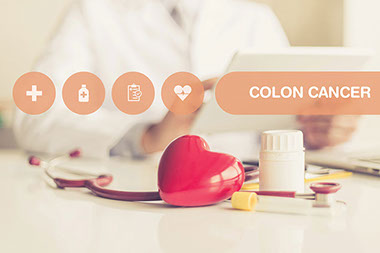
    Image of doctors desk with the words 'Colon Cancer'.

    Colorectal cancer, also called colon cancer, is the fourth most common cancer in the United States. It is the second leading cause of death from cancer. Colorectal cancer affects all racial and ethnic groups and is most often found in people ages 50 and older.

    The best way to detect colorectal cancer is to get screened regularly starting at age 50. When caught early, colon cancer can be treated and cured. There are often no signs or symptoms of early colorectal cancer – that’s why it’s so important to get screened. You may also be at higher risk if you are African American, smoke, or have a family history of colorectal cancer.

    Everyone can take these healthy steps to help prevent colorectal cancer:

    *  Get screened starting at age 50.

    *  Quit smoking and avoid secondhand smoke.

    *  Get plenty of physical activity and eat healthy.

    A new alternative to colonoscopy?

    Many people delay or avoid a life-saving colonoscopy because they are nervous about the procedure, or don’t want to do the necessary prep of cleansing the colon. A new test, approved in 2014, may be an option for some lower-risk individuals.

    A stool DNA test, which can be done at home and mailed to a lab, may detect certain changes that are found in cancer cells. There’s no special diet, laxatives or enemas required. For those who have been putting off colon cancer screening, the DNA test may be a good place to start.

    If the DNA test shows possible cancer, however, a colonoscopy would most likely need to be done. Before choosing a colorectal cancer test, be sure to talk with your doctor about his or her recommendation. You may also need to contact your insurance company to find out which screening tests are covered.

    Colorectal cancer screening saves lives. If everyone age 50 and older had their screening tests done as recommended, up to 60 percent of all colorectal cancer deaths could be avoided. Though no one looks forward to a colonoscopy, it’s worth the inconvenience. It could save your life!

    Source: American Cancer Society, Centers for Disease Control and Prevention

    © American Institute for Preventive Medicine

  • How Does Diabetes Affect Your Eyes?

    MEDICAL NEWS

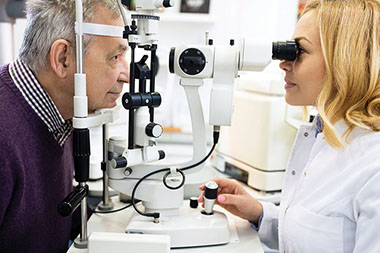
    Image of mature male at eye doctor appointment.

    Did you know that diabetes can affect your eyes? If diabetes isn’t well controlled with a doctor’s help, it can cause problems that can lead to vision loss. Eye problems that are caused by diabetes are called diabetic eye disease.

    Diabetic eye disease includes:

    *  Diabetic retinopathy

    *  Diabetic macular edema (DME)

    *  Cataracts

    *  Glaucoma

    What’s the link between diabetes and your eyes?

    When blood sugar is too high, it can change or damage the delicate blood vessels in the eyes. This can lead to too much pressure in the eye, bleeding in the eye or swelling in some of the eye’s important tissues. Diabetic retinopathy is the leading cause of blindness for adults ages 20 through 74.

    Diabetic eye disease is dangerous because many people don’t know they have it. These eye problems may have no signs or symptoms at first. Then, a person may start to lose their vision after eye damage has already occurred. Unfortunately, it is harder to treat these problems at a later stage.

    The good news

    Diabetes can be controlled. When you have good control over your diabetes and blood sugar, you can manage or avoid diabetic eye disease.

    You control your diabetes by:

    *  Taking your medications as prescribed by your doctor

    *  Monitoring blood sugar levels

    *  Getting regular exercise

    *  Eating a healthy diet

    *  Working toward a healthy weight

    *  Not smoking

    *  Getting a full eye exam at least once a year, including an exam that includes dilating of the eyes

    The diabetes ABCs are important measures of good diabetes control. Your ABCs are:

    *  A = A1C, which is a blood sugar (glucose) measurement. Your doctor can test this. Most people should have an A1C below 7 percent. This should be checked every 3-6 months.

    *  B = Blood pressure, which should be checked at each doctor appointment. Discuss your blood pressure target with your doctor.

    *  C = Cholesterol, which may need to be checked yearly or more often. Ask your doctor about a healthy cholesterol goal.

    Getting regular checkups and following your doctor’s recommendations for managing your diabetes will greatly reduce your risk of these problems. Most people with well-controlled diabetes can keep their eyes healthy.

    Sources: American Diabetes Association, National Eye Institute, National Institutes of Diabetes and Digestive and Kidney Diseases

    © American Institute for Preventive Medicine

  • Minutes Count With A Stroke

    MEDICAL NEWS

    Image of older women with hand on head.

    If someone were having a stroke, would you recognize the signs? Would you know what to do?

    These are important questions to consider. During a stroke, brain cells are damaged due to a blood clot or rupture of a blood vessel in the brain. This can lead to serious disability and death.

    According to the National Institute of Neurological Disorders and Stroke, about 795,000 strokes occur every year. It is the third leading cause of death in the U.S. But with fast action, you might save someone from permanent brain damage.

    Preventing stroke

    Health problems like atrial fibrillation (an irregular beating of the heart), high cholesterol, high blood pressure, heart disease and diabetes increase your risk. Take medicines to control risk factors and follow a heart-healthy lifestyle. Eat right, exercise, limit alcohol and don’t smoke. See your doctor as recommended for health exams and screenings.

    Aspirin may help reduce the risk of stroke due to a blood clot in women ages 55-79 years, but you should discuss the use of aspirin with your doctor before taking it.

    Know the signs of stroke

    The five most common signs and symptoms of stroke:

    *SUDDENnumbness or weakness of the face, arm or leg

    *SUDDENconfusion, trouble speaking or understanding others

    *SUDDENtrouble seeing in one or both eyes

    *SUDDENdizziness, trouble walking or loss of balance or coordination

    *SUDDENsevere headache with no known cause

    What to do

    Call 9-1-1 immediately. Hospital emergency rooms have medication that can dissolve blood clots and restore blood flow to the brain. The window of opportunity is three hours, but in order to receive treatment in time, patients must get to the hospital within 60 minutes. Don’t wait – if you see signs of stroke, seek emergency medical care!

    © American Institute for Preventive Medicine

  • Sleep, But How?

    MEDICAL NEWS

    Image of man awake in bed.

    “We know that how much you sleep and the quality of your sleep can have a tremendous impact on your overall health,” said Dr. David J. Earnest, professor at the Texas A&M Health Science Center College of Medicine, who studies circadian rhythms-the human body’s master clock.

    “We’re starting to recognize that sleep deprivation and disorders are more prevalent than any other health disorder that affects Americans,” he said.

    If you feel like there’s a deeper cause to your sleep woes, you may be like 1 in 10 Americans who suffer from insomnia or other sleep disorders, including these:

    Delayed Sleep Phase Disorder (DSPD)-a tendency to go to bed later (around 2 or 4 in the morning) and to sleep until the early afternoon. This kind of disorder can interfere with a normal work or school schedule.

    Advanced Sleep Phase Disorder (ASPD)-the tendency to go to bed earlier (6 or 8 in the evening) and to wake earlier than most people (around 3 or 5 in the morning). While this kind of disorder doesn’t typically interfere with a normal work or school schedule, it can pose a challenge for social activities or events that occur later in the evening.

    Non-24-Hour Sleep-Wake Syndrome-a circadian rhythm that is 25 hours or longer, which leads to sleep and wake times becoming gradually later.

    Jet Lag-one of the most common and usually occasional sleep disorders that occurs when your internal clock is out of synch with a new time zone. After traveling to a new time zone, you may find it difficult to fall and stay asleep during suitable times.

    Shift Work-with constantly changing shifts, it can be difficult for workers to adjust to their new sleep schedules. Shift work has been linked with a higher risk of developing metabolic or cardiovascular diseases.

    Sleep Apnea-breathing temporarily stops due to a blockage of the upper airways during sleep. Most people with sleep apnea do not know that they have it. Symptoms include daytime sleepiness, irritability, depression, and fatigue the next day, because their sleep lacks quality.

    Narcolepsy-extreme sleepiness during the day, usually resulting in suddenly falling asleep. It’s caused by a dysfunction in the brain mechanism that controls sleeping and waking.

    Restless Leg Syndrome (RLS)-itching, tingling, or burning in the lower legs, that makes it difficult to get comfortable and fall asleep.

    If you think you might have a sleep disorder, discuss your symptoms with your doctor or a sleep specialist.

    © American Institute for Preventive Medicine