Category: Uncategorized

  • Protect Your Bones

    SELF-CARE CORNER

    Image of women drinking a glass of milk.

    Bones feel solid, but the inside of a bone is actually filled with holes like a honeycomb. Bone tissues are broken down and rebuilt all the time. While some cells build new bone tissue, others dissolve bone and release the minerals inside, according to experts at NIH in Health.

    As we get older, we begin to lose more bone than we build. The tiny holes within bones get bigger, and the solid outer layer becomes thinner. In other words, our bones get less dense. Hard bones turn spongy, and spongy bones turn spongier. If this loss of bone density goes too far, it’s called osteoporosis. Over 10 million people nationwide are estimated to have osteoporosis.

    In bad accidents, it’s normal for bones to break. But if your bones are dense enough, they should be able to withstand most falls. Bones weakened by osteoporosis, though, are more likely to break.

    You can lower your risk of osteoporosis.

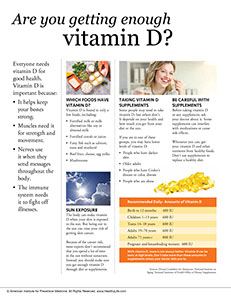
    Getting plenty of calcium, vitamin D, and exercise is a good start.

    *Calciumis a mineral that helps bones stay strong. It can come from the foods you eat-including milk and milk products, dark green leafy vegetables like kale and collard greens-or from dietary supplements.

    *Vitamin Dhelps your body absorb calcium. As you grow older, your body needs more vitamin D, which is made by your skin when you’re in the sun. You can also get vitamin D from dietary supplements and from certain foods, such as milk, egg yolks, saltwater fish, fortified milks and cereals, and cod liver oil.

    *Exercise,especially weight-bearing exercise, helps bones too. Weight-bearing exercises include jogging, walking, tennis, and dancing. The pull of muscles is a reminder to the cells in your bones that they need to keep the tissue dense.

    Smoking, in contrast, weakens bones. Heavy drinking does too-and makes people more likely to fall. Certain drugs may also increase the risk of osteoporosis. Having family members with osteoporosis can raise your risk for the condition as well.

    The good news

    Even if you already have osteoporosis, it’s not too late to start taking care of your bones. Since your bones are rebuilding themselves all the time, you can help push the balance toward more bone growth by giving them exercise, calcium, and vitamin D.

    © American Institute for Preventive Medicine

  • Taking Some “Ouch” Out Of Baby’s Shots

    SELF-CARE CORNER

    Image of doctor giving a baby a shot.

    Vaccines are a crucial part of keeping your baby healthy. But, it can be difficult to watch your baby feel the pain of a shot. Don’t put off or skip vaccines that your baby needs. Instead, follow these tips from the Centers for Disease Control and Prevention (CDC):

    *Bring along a favorite item.Does your baby have a “lovey,” a favorite blanket, or a pacifier? When it’s time for the shot, give them the item.

    *Remain calm.Babies can sense stress in your voice and actions. Remember, the pain only lasts a few seconds. It’s well worth it for the many years of protection from disease.

    *Breastfeed if you can.If your doctor gives you the go-ahead, you may be able to nurse baby during the shot itself or immediately after. This is often very comforting to babies.

    *Consider juice or sugar.If your baby is over six months, a drink of juice or pacifier dipped in sugar can help calm them. Ask your pediatrician if this is okay. Avoid overdoing this for other stressful situations.

    © American Institute for Preventive Medicine
  • What Do You Know About Organ Donation?

    SELF-CARE CORNER

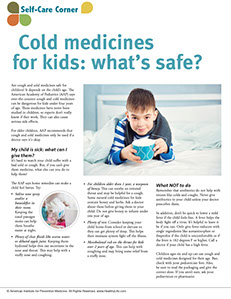
    Image of male doctor.

    Every year, thousands of Americans die waiting for a lifesaving organ transplant because there just aren’t enough organ donors. What do you know about donating organs? The Organ Transplantation experts at New York-Presbyterian Hospital give some facts:

    *  Very few medical conditions disqualify you from donating organs and tissues. It may turn out that while certain organs are not suitable for transplant, other organs and tissues are fine.

    *  It is possible to donate to someone who is not a relative and to someone from another racial or ethnic group. But transplant success rates increase when organs are matched between members of the same ethnic background.

    *  There are no costs directly related to donation.

    *  Although it is important to join a donor registry and indicate that you are an organ donor on your driver’s license, it is equally important to make your family, friends, and doctors aware of your wishes.

    *  The organ transplant waiting list is blind to wealth and celebrity status. People receive organs based on the severity of the illness, time spent on the waiting list, and blood type.

    *  For more information, go to the United Network of Organ Sharing (www.unos.org).

    © American Institute for Preventive Medicine

  • Be Patient With Exercise Results

    BE FIT

    Image of women using treadmill at a gym.

    Getting started with an exercise plan is a big step toward a healthier life. But, sticking with that exercise program can be tough when you’re not seeing results as quickly as you want. When many exercise plans promise fast, dramatic results, being patient can be frustrating.

    Some people may find that they work hard but aren’t seeing weight loss or feel like they aren’t getting as fit as they want. This can lead to exercise burnout and quitting. Don’t give up! Find ways to push through the tough times. If you keep it up, the benefits of exercise are worth the effort.

    Tip #1: Step off the scale.

    Although you may be losing some weight with exercise, it’s not always obvious right away. This can happen when someone gains muscle, which weighs more than fat. Instead of worrying about a number, look at how your clothes are fitting or how you are feeling overall. Weigh yourself once a week to check in, but don’t let it be the only way you are measuring your progress.

    Tip #2: Don’t compare.

    People gain and lose weight in different ways and at different rates. A friend may drop pounds or get fit faster than you. That can be upsetting if you’re working hard. Try not to worry about how much progress someone else has made. Focus on yourself and what you have accomplished each day.

    Tip #3: Track progress.

    Use a notebook or an app on your phone to record your positive changes, no matter how small. Perhaps you did two more pushups, or walked for 10 extra minutes. Maybe you felt more energy than usual today. Whatever it is, record it so you can go back and see all of the ways exercise is boosting your health.

    Tip #4: Be mindful of your diet.

    Exercise can increase your hunger. It can be easy to overeat after a workout and consume more calories than you burned. Prepare a healthy snack before you work out, such as a banana with peanut butter or yogurt and fresh fruit. Having something ready can reduce the chances of grabbing something quick but unhealthy.

    You may not see “instant” results from exercise. But, believe that you are doing something great for your body. With time, you will improve your health and well-being.

    © American Institute for Preventive Medicine

  • Exercise Addiction: Are You At Risk?

    BE FIT

    Image of female in fitness attire.

    Many women think that with achieving a fabulous figure like fashion models comes happiness, wealth, and the ideal mate. They will often exercise to a dangerous point in pursuit of “their dream body,” say Dr. Julia Samton, a neuropsychiatrist, and Certified Personal Trainer Franci Cohen who speak out about the dangers of pushing yourself past your limit.

    “For some girls, this desire for that picture-perfect life can lead to exercise addiction-the beginning of this quest for perfection,” says Dr. Samton.

    Typical symptoms of someone who is letting exercise take over her (or his) life:

    *Intention effects.The amount of exercise or length of exercise sessions is longer than originally intended.

    *Time.Large amounts of time are spent exercising and conflict with other areas of life.

    *Continuance.The person will continue to exercise even with persistent physical or psychological issues that are made worse from exercising, such as a recurring injury.

    “The biggest red flag,” according to Dr. Samton, “would be when exercise starts to interfere with one’s occupational, social, and overall functioning. It’s at this point that treatment is recommended.”

    “Cognitive behavioral therapy can be helpful, but seeking a therapist with experience in exercise addiction is crucial. For extreme cases, there are inpatient treatment facilities,” says Dr. Samton.

    © American Institute for Preventive Medicine

  • High-Intensity Workouts Aren’t Always Best

    BE FIT

    Image of women running during sunset.

    High-intensity workouts aren’t always best

    When it comes to exercise, is harder and longer always better? No, according to two studies recently published in the academic journal, Heart.

    The first study found that those who performed the most strenuous daily exercise were more than twice as likely to die of a heart attack or stroke. The second study found that men who exercised intensely for more than five hours a week were more likely to develop an irregular heartbeat later in life.

    So what’s the best exercise to do? Strive for moderate intensity exercise. You develop a fast heart rate while doing this type of exercise, but you should still be able to talk while doing the activity.

    Moderate exercise = longer life

    Studies show if you do seven hours of moderate intensity exercise each week, you will lower your risk of dying early by 40 percent. This is compared with those who exercise 30 minutes or less per week. If seven hours a week is too much for you, aim for 150 minutes per week. This amount of exercise also produces similar benefits.

    Before you start any exercise program, talk with your doctor about what’s best for you.

    Source: CDC and World Health Organization

    © American Institute for Preventive Medicine

  • A Prescription For Exercise?

    BE FIT

    Image of couple walking through woods.

    Many doctors recommend exercise to help with weight loss, strength and well-being. But, an exercise program may do even more than that. Research shows that exercise can help with certain health conditions. In fact, many people are now getting a “prescription” for exercise from their doctor.

    Fibromyalgia:Several studies support using exercise as a treatment for fibromyalgia pain. Fibromyalgia can cause chronic pain and fatigue. These symptoms may improve when a person exercises regularly.

    Depression:Depression is one of the most common mental health disorders in the U.S. Some studies have found that getting regular exercise helps with mild to moderate depression. This may be because exercise releases the brain’s “feel-good” chemicals. Exercise may also help support other brain functions, which help with depression.

    Osteoporosis:Osteoporosis causes bones to become weaker or more brittle. But, regular exercise can help strengthen muscles and bones, which lowers the risk of breaking bones or falling. Often, people with osteoporosis get good results by doing a combination of aerobic and weight training exercises.

    Arthritis:Exercise is considered the best non-drug option for treating pain and stiffness from arthritis. Walking and water exercise are usually good choices. Plus, exercise can help you maintain a healthy weight which helps to reduce pressure on your weight-bearing joints.

    Hard work pays off

    It can be hard to get up and exercise when you have a health condition, especially one that causes pain or fatigue. But, the evidence shows that the extra effort may be well worth it!

    Always talk to your doctor before beginning any exercise program. Exercise alone may not be enough to treat some health problems. But, it may make you feel better and may be a good “natural” option to try. It can be used along with other treatments, such as medication or therapy.

    © American Institute for Preventive Medicine
  • Take Golf Injuries Seriously

    BE FIT

    Image of man playing golf.

    Golf doesn’t hold the same kind of injury risk as high-impact sports such as football or hockey. But the repetitive motion and twisting of the spine can set the stage for potential injuries that may be underestimated for this low-impact lifetime sport.

    Mike Markee, instructor of physical therapy and athletic training at Saint Louis University, has spent time on the senior PGA tour and developed exercise and fitness programs for golfers.

    “It is possible to avoid injury and improve performance, especially through muscle strength and proper form,” Markee said. “The great thing is that the same things that help you avoid injury also will improve your game.”

    It comes down to these 3 tips:

    1.Warm up and keep moving.There can be a lot of down time in golf, so it takes deliberate focus to keep moving. Stretch before, during, and after the game. If you’re able to walk and the course allows, skip the cart and get a few miles under your belt by the end of the game.

    2.Strengthen your core.Golfers use the muscles closest to the spine, including hip and shoulder muscles. This is where the power comes from in your golf swing. A weakness in your core can lead to an unbalanced swing, with some muscles compensating for others. You can develop more power by training the right muscles. Now we know that strength training and flexibility aren’t polar opposites and, in fact, core strength training can actually improve your performance.

    3.Develop good body mechanics.Golf’s main injury risk comes from the repeated motions of the swing. Working with a pro to learn to swing properly can help you reduce forces on the spine due to twisting and rotating and ensure that you aren’t developing bad habits that can take their toll on your back, shoulder and elbow.

    © American Institute for Preventive Medicine
  • Best Snacks To Eat Before And After Exercise

    HEALTHY EATING

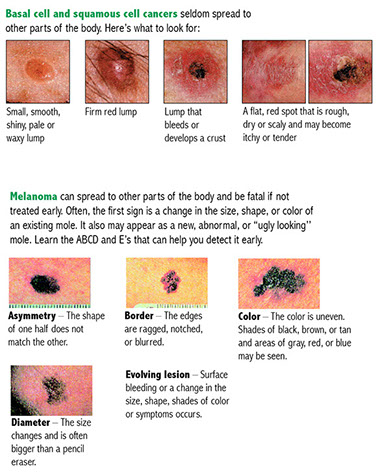
    Image of a whole grain bagel with a peanut butter spread.

    Pick the right foods that give the most energy regardless of your activity level. Carbohydrates are the first responders to the body’s need for energy during exercise. Protein and fat are not nearly as efficient.

    Hit the trail or the gym with the following healthy food ideas before and after your workout, suggests Anita Kobuszewski, RD, author of Food: Field to Fork, How to Grow Sustainably, Shop Wisely, Cook Nutritiously, and Eat Deliciously:

    *  Whole-grain bagel with peanut butter and yogurt

    *  Thin-crust pizza with green peppers

    *  Granola with low-fat milk and banana

    *  Trail mix with nuts and dried fruit (see Walk the Trail Mix recipe)

    *  Instant oatmeal made with low-fat milk

    *  Bran or corn muffin with egg whites and salsa

    *  Fig bars with peanut butter and juice

    © American Institute for Preventive Medicine

  • Drive-Thru Eating Driving You Crazy?

    HEALTHY EATING

    Image of women picking up food from a drive-thru.

    Are you driving through fast-food windows, mindlessly eating while you work? Or do you munch while you drive?

    You may be out of touch with your eating, and then it’s easy to overeat, said Dr. Jenny Conviser, an expert in the treatment of  eating disorders. You can establish mindful eating patterns. She offers this advice:

    *Carve out time for meals.Don’t get a lunch break? Fight for one, even if it’s 15 minutes. Research suggests that our brains don’t even fully register the things we’re eating while doing something else.

    *Eat sitting down.If you’re going to eat at the refrigerator, pull up a chair! If you commit to eating only while sitting down (at a table no less!), you’re less likely to mindlessly munch. And eat without distractions, like the TV or computer, so you can fully experience what you are eating.

    *Learn what “hungry” feels like.Ask yourself if you really are hungry before you eat, or are you eating due to habit or to cope with stress? If you are hungry, allow yourself to eat and plan for healthy snacks during your day. Driving yourself to extreme hunger by skipping meals or not allowing yourself to snack can result in unhealthy binges.

    *Notice each sensation.Next time you sit down to eat something, take a moment to notice its shape, color and size. Bring the food to your nose and inhale the aroma. When you take a bite, notice how the texture feels on your tongue. Chew fully before swallowing. Take a moment before taking another bite. Sure, this takes a few extra minutes, but you get to experience food as it’s meant to be-a full sensory experience.

    *Check in with yourself.Try stopping for a break midway through your meal for a few minutes. Are you still really hungry? If so, keep eating, and check in again after a few more bites. If not, maybe it’s time to stop and save the rest for later.

    © American Institute for Preventive Medicine