Category: Uncategorized

  • Freeze Food For Later

    HEALTHY EATING

    Image of food in the freezer.

    Make more than you need and freeze foods in portion sizes for future meals. Here’s how according to the University of Nebraska-Lincoln Extension specialists:

    STEP 1.

    Cool foods “slightly” at room temperature before refrigeration. A food does not need to be completely cool before it is refrigerated. To help it cool slightly before refrigeration, place a shallow container of food (no deeper than 2 inches) on a cooling rack to allow air to circulate

    around the pan for about 20 to 30 minutes.

    STEP 2.

    Cool foods to refrigerator temperature before bagging them for your freezer. LOOSELY cover food in the refrigerator. This allows heat to escape and protects the food from accidental contamination from other foods during cooling.

    STEP 3.

    Pack foods into freezer containers or freezer bags. Use “freezer” bags, not “storage” bags, for storing food in the freezer. Freezer bags are thicker than storage bags and will keep the food fresh longer.

    Speed freezing and hasten thawing by freezing foods in a thin, flattened shape in freezer bags. A rounded shape takes longer to thaw through to the middle. Flatter packages also stack better in your freezer.

    To avoid spilling food or getting it stuck in the closure of the freezer bags, use a wide-mouth funnel. Place the freezer bag in a container such as a quart measuring cup. Stand the bag upright if you are filling it with a more liquid-type food. You may wish to double-bag liquids as an added precaution against leakage.

    STEP 4.

    Label foods. To avoid mystery meats and other foods of unknown age, label foods using freezer tape, gummed freezer labels or permanent marking pens/crayons. Include the name of the food, packaging date, number of servings or amount, and helpful hints (sliced, chopped) or special ingredients.

    Place filled freezer bags on a flat surface in your freezer, such as on a metal pan. Do not stack freezer bags until frozen so they will freeze faster. After they are frozen solid, remove the bags from the pan. Store and stack the bags right on the freezer shelf. Or turn them on their edge and store them vertically. This is an especially good idea when freezing liquid foods, such as soups and stews.

    STEP 5.

    Thaw and cook frozen foods. DO NOT thaw perishable foods at room temperature. If these foods are left at room temperature too long, bacteria may grow and produce heat-resistant toxins that can cause food-borne illness. Cooking may not be able to destroy these toxins. It’s best to plan ahead for slow, safe thawing in the refrigerator overnight. Up to 5 pounds of food should thaw in about 24 hours. Or food may be transferred from a freezer bag to a microwave safe container for thawing in the microwave.

    © American Institute for Preventive Medicine

  • Healthy Trail Mix

    HEALTHY EATING

    Image of trail mix.

    Ingredients:

    1/2 cup cherries, dried, not packed

    1/2 cup apples, dried, pieces

    1/4 cup apricots, dried

    1/2 cup English walnuts, pieces

    1/4 cup sunflower seeds, raw

    1/2 cup raisins, not packed

    1/4 cup banana chips

    1/4 cup almonds, whole, raw

    Directions

    Mix all ingredients in a bowl and divide into small storage bags for portion control and portability. Makes 3 cups. One quarter cup is 180 calories, 3 g fiber, 24 carbs, 3 g protein, 10 grams fat.

    © American Institute for Preventive Medicine

  • Make Your Own Smoothie

    HEALTHY EATING

    Image of 3 different smoothies.

    Don’t settle for a restaurant smoothie that likely has loads of added sugar and very little nutrition. Instead, use this formula to make your own smoothies at home. All you need is a blender or juicer and the fresh ingredients you enjoy. Have fun with it and try different ingredients each time until you discover your favorite recipe.

    Illustration on how to make your own smoothie.

    © American Institute for Preventive Medicine

  • Protein – Find The Right Balance

    HEALTHY EATING

    Image of different protein sources.

    Protein is an essential part of any diet. Your body needs it to build tissues and cells.

    Some sources of protein are not as healthy as others. Animal sources, such as beef, pork and eggs, may contain saturated fat and/or cholesterol. The American Heart Association says saturated fats should make up less than 7 percent of your total daily calories. This means you should eat 16 grams or less of saturated fats if you eat 2,000 calories per day. Animal proteins also contain no fiber, and most Americans fall short of the recommended 25 to 35 grams of fiber needed per day.

    On the other hand, plant, nut and seed proteins often have little to no saturated fat and cholesterol and usually contain fiber and valuable nutrients. Check out this “Vegan Sources of Protein” diagram for a list of good non-animal protein sources. Try replacing some of your animal proteins with these vegan-friendly sources.

    Illustration of vegan sources of protein.

    © American Institute for Preventive Medicine

  • Sweet Potato Custard

    HEALTHY EATING

    Image of sweet potato custard.

    Ingredients

    1 cup sweet potato, cooked, mashed

    1/2 cup banana (about 2 small), mashed

    1 cup evaporated skim milk

    2 tablespoons packed brown sugar

    2 egg yolks (or 1/3 cup egg substitute*), beaten

    1/2 teaspoon salt

    1/4 cup raisins

    1 tablespoon sugar

    1 teaspoon ground cinnamon

    As needed, nonstick cooking spray

    Directions

    1. In medium bowl, stir sweet potato and banana. Add milk, blending well.

    2. Add brown sugar, egg yolks, and salt, mixing thoroughly.

    3. Spray 1-quart casserole with nonstick cooking spray. Transfer sweet potato mixture to casserole dish.

    4. Combine raisins, sugar, and cinnamon. Sprinkle over top of sweet potato mixture.

    5. Bake in preheated 325º F oven for 40-45 minutes, or until knife inserted near center comes out clean.

    Makes 6 (1/2 cup) servings. Per serving: 160 calories, 2 g total fat, 1 g saturated fat, 32 g carbohydrate, 5 g protein, 2 g dietary fiber, 255 mg sodium

    *If using egg substitute, cholesterol will be lower.

    Source: NIH The Heart Truth Publication

    © American Institute for Preventive Medicine
  • Vietnamese Fresh Spring Rolls

    HEALTHY EATING

    Image of Vietnamese spring rolls.

    Ingredients

    1 cup carrots, cut into long, thin strips

    2 cups bean sprouts

    2 cups cucumber, seeded and cut into long, thin strips

    1 cup minced scallions/green onions

    1/2 cup chopped fresh cilantro

    1/4 cup chopped fresh mint

    8 rice paper wrappers (ask at your supermarket)

    Directions

    Toss first 6 ingredients in a large bowl. Soak one rice paper wrapper in warm water until soft (1 to 2 minutes). Shake off excess water. Place vegetable filling off-center on rice paper and fold like an egg roll (tuck sides to keep filling inside). Repeat with remaining vegetable filling and wrappers. Serve immediately.

    Makes 8 servings. Per serving (1 roll): 70 calories, 1 g fat, 28 mg sodium, 2 g fiber, 3 g protein, 16 g carbohydrates

    From the NIH Your Health Is Golden! Heart Health Promotion Activities for Vietnamese Communities

    © American Institute for Preventive Medicine

  • 3 Steps To Cleaner Eating

    HEALTHY EATING

    A bowl of falafel with hummus, green peas, carrots, and purple cabbage.

    Eating well is one of the most important things you can do for your body. A well balanced diet contributes to overall health and protection from disease.

    Making micro or small changes to your diet eventually add up to better health. If you’re ready to clean up your food choices, here are three easy habits that can help.

    1. Focus on plants

    Instead of worrying about all the foods you shouldn’t be eating, focus on what you can include. Plant foods provide the best nutrition and should make up a majority of your diet.

    A good first step to cleaning up your diet is to add more plant foods to each meal and snack. These include:

    *  Fruits

    *  Vegetables

    *  Beans

    *  Nuts and seeds

    *  Whole grains

    *  Healthy oils like olive, sunflower, and avocado oil

    2. Have a salad or smoothie

    Choose a healthy salad or smoothie to make up the bulk of one meal each day. This is a simple way to increase your plant food intake while controlling calories and portion size.

    Make your daily smoothie or salad fiber-packed to promote fullness and digestive health. In addition to adding plenty of fruits and vegetables, consider including nuts, chia, hemp, or flax seeds for an extra boost of nutrients and fiber.

    3. Snack on whole foods

    Feeling deprived and hungry will quickly result in giving up on your healthy new eating habits. Clean eating is delicious and should make you feel good!

    So, keep tasty whole food snacks on hand to keep you satisfied all day long. Here are some ideas:

    *  Sliced apple with peanut butter

    *  Hardboiled egg and a piece of fruit

    *  Sliced vegetables and a piece of cheese

    *  Hummus with cucumbers

    *  Mixed nuts and a piece of fruit

    © American Institute for Preventive Medicine

  • Piggy Bank Smarts

    FINANCIAL HEALTH

    Image of hand placing a dollar bill into a piggy bank.

    Smart money management begins at home. Washington University researcher Michal Grinstein-Weiss found that teaching kids about money in childhood helps them better manage their mortgage loans as adults. The study was in Social Work Research.

    The professor offers 5 ways parents can teach their kids financial literacy:

    1. Discuss and explain basic finances around the dinner table, especially the difference between needs and wants.

    2. Teach kids how to save and set short-term goals (a new toy) and long-term goals (college). Kids will follow by example if they see you saving for something such as a family vacation.

    3. Open a savings account for your child as early as possible. Even if you bank online, visit the bank with your child to make a deposit because actions reinforce behaviors. Review monthly statements together.

    4. Teach kids budgeting and money-management skills. Help your child figure out how much money to save for how long to reach a goal amount.

    5. Get kids involved in daily activities and decisions about spending. Take them grocery shopping and have them compare prices of different brands. Count out the cash during a sale.

    © American Institute for Preventive Medicine

  • Where Does The Money Go?

    FINANCIAL HEALTH

    Image of scale with bills on one side and a piggy bank on the other side.

    Regular expenses are a necessary part of life. In your household, you probably have a certain amount of money coming in and a different amount going out.

    Even if you have a rough idea of how much you spend, tracking your monthly expenses can help you find out a lot about your money. Small amounts here and there can quickly add up. For one month, write down everything you spend on bills, food, gas, clothes, and any other purchases – even your morning latte. Then, you can look for ways to cut back on unnecessary costs. Money you have left at the end of the month can be saved for an emergency fund or for future needs.

    © American Institute for Preventive Medicine
  • 4 Ways To Help Others With Diabetes

    MEDICAL NEWS

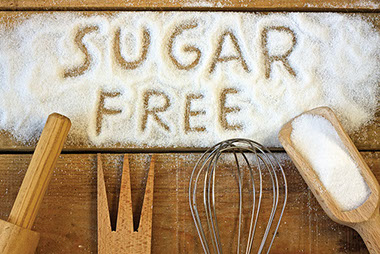
    Image of man holding a sign that says 'sugar free.'

    Diabetes affects millions of Americans. Although diabetes can be challenging, it can also be managed with proper health care.

    People with diabetes often need to change the way they eat and may need to exercise more and make other lifestyle changes. These changes can be hard for many people. But support from family and friends can make these things easier for them.

    If you have a loved one with diabetes, try supporting them with these tips.

    1.Learn about diabetes.If you understand the disease, you’ll be able to better understand what they’re going through. Use reputable sources like government health websites and the American Diabetes Association.

    2.Eat what they eat.Talk with your loved one about their diabetes eating plan, and buy foods they can eat. Avoid buying or eating foods that are “off limits” for them. This makes their diet easier and can also help improve your own health!

    3.Try exercising together.Walks, swimming, bike rides and trips to the gym can be more enjoyable with another person. Be sure the exercises you choose are safe for both of you, and ask your doctor first if you have any health conditions.

    4.Recognize signs of a problem.Get to know the signs and symptoms of blood sugar that is too high or too low (see sidebar on this page). You’ll be able to help your loved one get the help they need if this happens.

    Recognize blood sugar problems

    Signs of low blood sugar (hypoglycemia):

    *  Sudden mood changes or anger

    *  Feeling very tired, yawning

    *  Sweating or twitching

    *  Loss of coordination

    *  Inability to talk or think clearly

    *  Seizures

    *  Feeling faint or passing out

    If you notice signs of low blood sugar, offer the person a piece of sugary candy and take them to the emergency room. Or call 911.

    Signs of high blood sugar (hyperglycemia):

    *  Feeling very thirsty

    *  Extreme fatigue

    *  Blurred vision

    *  Having to urinate more than normal

    If a person is having high blood sugar too often, they should call their doctor right away. It needs medical attention.

    © American Institute for Preventive Medicine