Category: Uncategorized

  • Guard Against Macular Degeneration

    Mature Health: Over Age 50

    Image of mature women receiving an eye exam.

    Macular degeneration is the leading cause of central vision loss for those over 55 years of age. The central part of the retina (the macula) deteriorates, leading to loss of “straight ahead” vision. One or both eyes can be affected. If you are 50 years of age or older, ask your eye doctor to check for macular degeneration at routine vision exams. Ask, too, for a simple home screening device that lets you check for signs of macular degeneration on your own.

    To reduce the risk for macular degeneration:

    *  Keep your blood pressure at a normal level.

    *  Maintain a healthy weight.

    *  Don’t smoke. If you smoke, quit.

    *  Protect your eyes from the sun’s harmful ultraviolet rays. Wear sunglasses with UV block. Wear a wide-brimmed hat.

    *  Talk to your doctor about taking a high dose vitamin and mineral supplement to reduce the risk of advanced age-related macular degeneration.

    A Year of Health Hints book by the American Institute for Preventive Medicine. www.HealthyLife.com. All rights reserved.

    © American Institute for Preventive Medicine

  • Avoid Summer Headaches

    SELF-CARE CORNER

    Image of women sitting at the beach talking on the phone.

    The sun can be especially bothersome if you suffer from migraine. Looking directly or indirectly at the sun can trigger a migraine attack for some people.

    Don’t forget your shades-sunglasses, visors, or sun hat when you are out and enjoying the sunshine at the beach, tennis court, golf course, or a baseball game, advises the National Headache Foundation.

    Other summer headache triggers include changes in barometric pressure. Watch out for those sudden thunderstorms and windy days.

    Drink plenty of water, not soft drinks, to help prevent those “dehydration” headaches. You don’t want to drink too many soft drinks containing caffeine, which can also contribute to your headaches.

    At backyard barbecues and picnics, you may encounter food items that you wouldn’t normally eat. The sauces and dry rubs on those tasty ribs may contain monosodium glutamate (MSG) to which many headache sufferers are sensitive. The spread at a picnic may include aged cheeses, hot dogs, and other meats with nitrates, and pickles-all possible triggers. Also watch your intake of beer and cocktails.

    © American Institute for Preventive Medicine

  • Clean Contacts Matter

    SELF-CARE CORNER

    Image of contact solution, case and eye drops.

    If you wear contact lenses, it’s important to keep them clean and care for them properly. Not taking care of your contact lens could cause an eye infection known as keratitis, which can cause serious eye problems. The CDC says 988,000 people had keratitis in 2010. The biggest risk factor was improper care of contact lenses.

    You can greatly reduce your risk of this infection by doing the following things each day:

    *  Wash your hands with soap and water before inserting or removing your lenses.

    *  Use only sterile contact lens solution and disinfectant. Don’t use water, saliva, or other liquids to store or rinse your lenses.

    *  Gently rub your lenses with disinfectant daily.

    *  Remove your lenses before showering, swimming and sleeping.

    *  Use fresh solution every day. Dump out all the old solution.

    *  Don’t wear lenses longer than directed. For instance, some disposable contacts are designed to be worn for one day. Some can be worn for several weeks or longer. Ask your eye care professional if you’re not sure.

    *  Don’t use expired solution or contacts.

    *  Replace your contact lens case every three to six months.

    Source: The American Academy of Ophthalmology

    © American Institute for Preventive Medicine

  • Help For The Indoor Sneezing Season

    SELF-CARE CORNER

    Image of a person cleaning the bathroom sink.

    Sometimes indoor winter air brings a whole new set of allergy and asthma triggers including dust, pet dander, and mold.

    Doctors from the American College of Allergy, Asthma and Immunology offer advice on how to stay sneeze-free and sniffle-free while indoors this winter.

    *  Reduce moisture in your home to keep dust mites in check. Maintain humidity below 55%, and don’t use a humidifier or a vaporizer.

    *  Filter out dust and other allergens by installing a high efficiency furnace filter with a MERV rating of 11 or 12, and be sure to change it every 3 months.

    *  Banish allergens from the bedroom (where you spend a third of your life). Keep pets and their dander out, and encase mattresses and pillows with dust-mite-proof covers. Use blinds instead of curtains.

    *  Allergy sufferers should wear a NIOSH-rated N95 mask while dusting-a chore that should be done regularly. Wash bedding and stuffed animals in hot water every 14 days and use a vacuum with a HEPA filter.

    *  Turn on the fan or open the window to reduce mold growth in bathrooms (while bathing) and kitchens (while cooking). Wear latex-free gloves and clean visible mold with a 5% bleach solution and detergent.

    *  Box up books and knick-knacks and limit the number of indoor plants. When you are buying new furniture, like chairs or sofas, opt for leather or other nonporous surfaces to make cleaning easier.

    © American Institute for Preventive Medicine

  • Nail The Infection

    SELF-CARE CORNER

    Image of a women's feet.

    Despite the wealth of over-the-counter products available that claim to treat fungal nail infections (in the toenails and sometimes in the fingernails), the only way to cure an infection is to see a skin doctor (a dermatologist).

    Over-the-counter topical medications don’t penetrate the nail and therefore aren’t as effective as oral prescriptions. A dermatologist can prescribe the proper drugs to get rid of the fungi that are the problem in yellowing and misshapen nails.

    One of the best ways to deal with fungal nail infections is to prevent them from happening. The fungi love warm, damp environments around swimming pools and gym locker rooms-and inside your warm, sweaty socks.

    The best way to nail a nail infection is to keep your feet clean and dry and wear sandals in public shower areas.

    © American Institute for Preventive Medicine
  • Simple Sore Throat Remedies (To Try First)

    SELF-CARE CORNER

    Image of a cup of tea with honey and lemon.

    If that scratchy throat hurts when you swallow, you can try some simple home remedies, suggests the NIH News in Health.

    *  Drink hot tea with lemon or hot soup.

    *  Keep your throat moist with lozenges or hard candies (not for children age 5 and younger).

    *  Gargle with warm salt water.

    *  Cold liquids, ice chips, or popsicles can numb the pain. Throat sprays and over-the-counter pain relievers can help too.

    *  Use a humidifier or vaporizer, especially in the bedroom when sleeping, to keep air from getting too dry.

    But if your sore throat is severe, if you have a fever or swollen glands, you might have strep throat, a common bacterial infection. Contact your doctor.

    © American Institute for Preventive Medicine

  • To Ice Or Not To Ice- That Is The Question

    SELF-CARE CORNER

    Illustration showing treatment for a sprained ankle using R.I.C.E.

    Or maybe the real issue is to heat or not to heat? Either way, whether you’re dealing with a one-time injury or chronic aches and pains, a few simple guidelines will help you know whether it’s best to bag some ice or get the trusty heating pad.

    Dr. Scott Lynch, director of sports medicine at Penn State Medical Center, said it’s all about blood flow. When you injure yourself, you should follow guidelines known as RICE-rest, ice, compression, and elevation.

    “Elevation is probably the most important thing because it limits the amount of blood flow to the area and the amount of swelling,” he said.

    Cold temperatures applied to an injury help constrict, or narrow, the blood vessels and keep blood from pooling there. This could cause too much inflammation or swelling that can delay the healing process.

    Dr. Cayce Onks, family and sports medicine physician at Penn State Hershey, said icing an injury for the first 48 to 72 hours after it occurs can reduce the amount of secondary tissue damage. Ice also can help decrease pain.

    Use ice for 20 minutes, once an hour. That’s so you don’t create other issues such as frostbite or damage to the skin. It also gives the skin a chance to recover from each icing session.

    While special freezer packs are easy to obtain, Dr. Onks said plain old ice in a bag (or a bag of frozen vegetables) works best. “You can mold it around the injury and get more coverage,” he said. “You also have to keep in mind that because of the chemicals in freezer packs, they can get much colder than ice and you could cause temperature-related skin problems.”

    Heat, on the other hand, is often used to ease muscle aches and pains, or to loosen up tense and sore areas before activity.

    “Heat typically brings blood flow to the area, which provides nutrients that the tissues need for healing,” Dr. Onks said. “It can also increase the flexibility of tendons and muscles.”

    Athletes who have chronic issues or old injuries typically heat before they are active and ice afterward. Some people prefer moist heat because they feel the extra humidity helps the heat penetrate.

    In an athletic training room or physical therapy setting, providers can also produce deeper heat by using ultrasound. A heating pad or a pack you heat up in the microwave will do the trick. Commercial heat patches or products such as Icy Hot may provide temporary or superficial relief, but they don’t typically offer the penetration of ice, moist heat, or ultrasound.

    © American Institute for Preventive Medicine

  • Bye Bye Belly Fat

    BE FIT

    Image of women exercising.

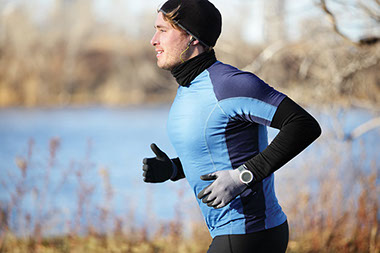
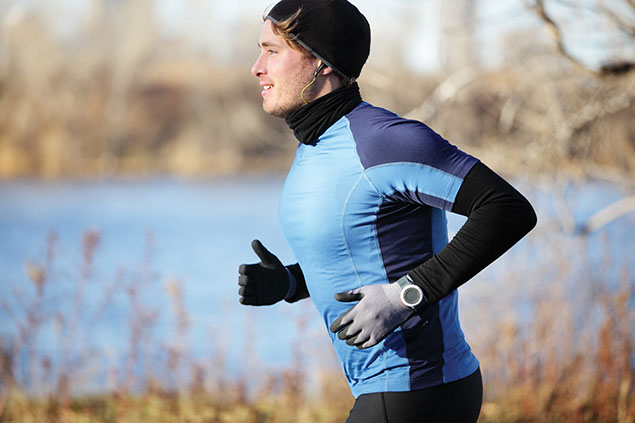
    Aerobic exercise, not weight training, is your best bet when it comes to saying goodbye to that dreaded belly fat, a new study finds.

    This isn’t the fat that lies just under your skin and causes the unsightly muffin top. Belly or abdominal fat-known as visceral fat and liver fat-is located deep within the abdomen and fills the spaces between internal organs. It’s been associated with increased risk for heart disease, diabetes, and certain kinds of cancer.

    “When it comes to increased health risks, where fat is deposited in the body is more important than how much fat you have,” said Duke exercise physiologist Cris Slentz, PhD, lead author of the study in the American Journal of Physiology. “Our study sought to identify the most effective form of exercise to get rid of that unhealthy fat.”

    The Duke study showed aerobic training greatly reduced belly fat and liver fat and improved some other risk markers for diabetes and heart disease.

    Resistance (or weight) training is still effective for improving strength and increasing lean body mass. But aerobic training burned 67% more calories in the study when compared to resistance training.

    Even moderation works. “What really counts is how much exercise you do, how many miles you walk, and how many calories you burn,” Dr. Slentz said. “If you choose to work at a lower aerobic intensity, it will simply take longer to burn the same amount of unhealthy fat.”

    © American Institute for Preventive Medicine