Category: Uncategorized

  • Mood-Boosting Foods

    HEALTHY EATING

    Fresh salad bowl.

    A healthy diet can have an effect on your brain. It can actually make you feel happy.

    Eat plenty of foods with omega-3 fats. These heart-healthy fats are found in fish, flaxseeds and walnuts, and may help reduce the risk of developing depression.

    Focus on the Mediterranean Diet. This diet includes lots of plant-based foods like fruits and vegetables, as well as olive oil, whole grains, fish, poultry, eggs and beans.

    Source: American Heart Association

    © American Institute for Preventive Medicine

  • Recipe: Banana Walnut Oatmeal

    HEALTHY EATING

    Bowl of banana walnut oatmeal.

    Ingredients

    *  2 cups fat-free or low-fat milk

    *  1 dash salt

    *  2 cups oats (quick-cooking)

    *  2 bananas (very ripe, mashed)

    *  2 tablespoons maple syrup

    *  2 tablespoons walnuts (chopped)

    Directions

    1.  In a small saucepan, combine milk and salt. Heat over medium heat until steaming hot but not boiling.

    2.  Add oats and cook, stirring until creamy, 1 to 2 minutes.

    3.  Remove the pan from heat and stir in mashed banana and maple syrup. Divide between 4 bowls. Sprinkle with chopped walnuts and serve.

    Nutrition Information: Serves 4: Total calories 292 kcals, total fat 6 g, saturated fat 1 g, sodium 118 mg, carbohydrates 52 g, fiber 5 g, protein 11 g.

    Source: MyPlate.gov

    © American Institute for Preventive Medicine
  • Tea Time: Is Tea Good For You?

    HEALTHY EATING

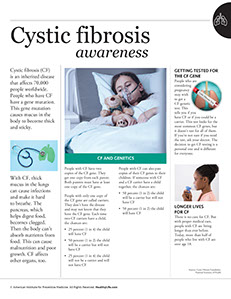
    A tea pot with two cups of tea and lemons.

    Many people drink tea every day. The most popular teas are black, green and oolong. Matcha tea is also becoming more popular.

    Black, green, oolong and matcha teas come from a plant known as Camellia sinensis. Each of these teas looks and tastes different because of how they are processed.

    Caffeine content

    Tea, like coffee, naturally contains caffeine and can be different in each cup. If you steep your tea longer, it will have more caffeine than a quick steep.

    Estimates of the caffeine content per 8-ounce cup:

    *  Coffee: 95 milligrams

    *  Black tea: 48 milligrams

    *  Oolong tea: 38 milligrams

    *  Green tea: 29 milligrams

    *  Decaffeinated tea: Very small amounts

    Some tea packages will tell you how much caffeine it contains. Look for this on the product label.

    Watch your caffeine intake

    You can still drink too much caffeine from tea if you’re not careful. Too much caffeine can make you feel nervous or shaky. It can also make it hard for you to sleep.

    Most healthy adults can tolerate up to 400 milligrams of caffeine each day. People who are more sensitive to caffeine may need to consume much less than this amount.

    Decaf teas are a good option if you love tea but want to cut back on caffeine. They still contain only small amounts of caffeine.

    Are herbal teas really “tea”?

    Herbal teas are not made from the tea plant Camellia sinensis. Instead, they are made from the roots, leaves, flowers and other parts of certain plants.

    For instance, chamomile tea is made from chamomile flowers. Peppermint and spearmint teas are made from the plant’s leaves.

    Herbal teas don’t contain any caffeine. They are usually safe in regular amounts. But ask a doctor before you consume herbal tea if you are taking medicine or have any health conditions. These teas can interfere with some medications or cause side effects in some people.

    © American Institute for Preventive Medicine

  • Add Barley To Your Diet

    HEALTHY EATING

    Bowl of cooked barley.

    If you’ve never cooked with barley before, fear not. It’s as easy to prepare as rice or oatmeal and just as delicious.

    Barley can easily be added to soups and salads or substituted for rice in dishes, such as stir fry and curry. So grab yourself some whole grain barley and get cooking.

    Ingredients

    *  1 cup hulled barley

    *  3 cups water or broth

    *  Pinch of salt (optional)

    Directions

    1.  In a large saucepan, combine the barley and water. Add a pinch of salt if desired.

    2.  Bring to a boil over medium-high heat.

    3.  Once it has boiled, lower the heat to a simmer. Cook for 40-50 minutes until the barley is tender but chewy.

    4.  Remove from heat and allow the barley to sit for a few minutes to soak up any extra water.

    5.  Drain any excess water if needed.

    6.  Fluff with a fork and enjoy!

    © American Institute for Preventive Medicine
  • Reevaluate Your Budget

    FINANCIAL HEALTH

    Women working on a budget.

    Following a monthly budget is one of the best ways to manage your finances. A budget provides a clear picture of where your money comes from and where it is going.

    Budgets change over time. Changes in your income, expenses, or spending can create an imbalance or even a surplus. If it’s been a while since you reviewed your budget, it may be time for a checkup.

    Record all income

    Add up all your sources of income in a month. These can include paychecks, child support, and government benefits. The total of all money coming in counts as income, whether it came from a traditional paycheck or not.

    Record all expenses

    Add up all the bills you must pay. These include housing costs, car payments, utility and phone bills, child support, debt payments, etc. Most bills are recurring each month.

    Evaluate spending

    In addition to bills, you also need to allocate money for food, gas, and sundries. This is where spending can quickly get out of control. Review three to six months of spending in each category and determine what a reasonable monthly amount should be.

    Consider saving goals

    Assess the state of your savings. Ideally, you should have several months of expenses in a savings account as a safety net. Determine if you need to allocate more money in this area.

    Make a long-term plan

    Financial stability requires long-term thinking. Reflect on your long-term financial goals such as college savings, retirement, or big expenses. Is your current budget working?

    Adjust budget

    Using the information you’ve gathered, update your budget to accurately reflect your current income and expenses. If you have extra at the end of the month, consider increasing your saving goals or long-term financial plans.

    © American Institute for Preventive Medicine

  • Build A Budget

    Financial Health

    Make a plan to live within your means.

    No matter what your income, having a budget helps you plan and manage your money. It also helps you get a grip on your spending. You can use a budget-making tool, such as a free one from the websitewww.mint.com. You can write one on your own with a pencil and paper.

    Track your expenses:

    First, list your fixed monthly must-haves − mortgage or rent, phone, cable, Internet access, car payment, or public transit costs. Include other regular set monthly expenses, such as loan payments, tuition and/or student loans, insurance premiums, church donations, and gym and other monthly membership fees. Next, identify your variable expenses. These include what you spend weekly, monthly, two or four times a year, and yearly for:

    *  Groceries

    *  Restaurant meals, snacks, coffee and other drinks

    *  Gas and upkeep for your car

    *  Electric, gas, and water bills

    *  Property taxes

    *  Credit card payments

    *  Entertainment – Movies, DVDs, concerts, golf, toys, and social events

    *  Clothes and shoes

    *  Haircuts, cosmetics, and toiletries

    *  Gifts for birthdays, holidays, weddings, etc.

    *  Household items and home improvements

    *  Vacation

    You can get amounts for many of these from monthly statements for your credit cards, debit cards, and checking and saving accounts. Otherwise, get and keep receipts for everything you pay for. You may be surprised by how much you spend on coffee drinks, food, liquor, and tips when eating out.

    Put some of your income into a savings account. Do this yourself from your take-home pay or have a pre-set amount automatically deposited into a savings account.

    Start by listing your total monthly income:

    Include your take-home pay, alimony, child support, unemployment, social security, and public aid. If you work on commission or freelance, your income can vary from month to month. Just estimate a monthly amount.

    Action Step

    If you are spending more than you earn, cut back on variable expenses. If you still have money left over after paying your bills and putting money into savings, carry over the extra for future expenses.

    Ways to Well-Being book by the American Institute for Preventive Medicine. www.HealthyLife.com. All rights reserved.

    © American Institute for Preventive Medicine

  • Cataracts Can Be Treated

    MEDICAL NEWS

    Elderly women getting her eyes checked by a doctor.

    The eye has a clear lens inside that allows you to focus on things. But, as we get older, the lens may not be clear anymore. Proteins inside the lens stick together, causing a cloudy spot. This is a cataract.

    Cataracts are common. More than half of people age 80 and over have cataracts or had cataract surgery.

    What causes cataracts?

    Cataracts cannot always be prevented. Many people get them simply from getting older. This is because proteins in the eye’s lens start to break down with time.

    But there are some things you can do to reduce your risk of getting cataracts:

    *  Get regular eye exams.

    *  Don’t smoke – or quit if you do smoke.

    *  Limit or avoid alcohol.

    *  Protect your eyes with proper sunglasses and hats that shield the sun.

    *  Eat a healthy diet and get exercise. This can help prevent diabetes and high blood pressure, which may cause cataracts.

    Do I have cataracts?

    Many people don’t realize they have cataracts. This is because changes in vision happen very slowly over time.

    People who have cataracts may notice:

    *  Colors look faded or yellowed; things look blurry or cloudy

    *  Seeing a “halo” around lights

    *  It’s harder to read without a very bright light

    *  Trouble with night vision

    *  Double vision in one eye

    What can I do about cataracts?

    While cataracts may take away your clear vision, there is good news. Many cataracts can be corrected with surgery.

    The operation usually takes less than an hour. The doctor will replace the cloudy lens with a clear artificial lens. Usually, no stitches are needed. You may also have the surgery without general anesthesia, or being put to sleep. The doctor will numb the eye area so you won’t feel anything.

    People usually have only minor pain afterward. You may need to use eye drops after surgery to help the eye heal, or wear a protective eye shield when you sleep. Your doctor can let you know when it is safe for you to drive and do other activities.

    In most cases, the eye is totally healed within a few weeks and vision is much better.

    Sources: American Academy of Ophthalmology, National Eye Institute

    © American Institute for Preventive Medicine

  • Know Your Heart Risk

    MEDICAL NEWS

    Winter image of hands wearing red gloves making a heart shape.

    One reason heart disease is so deadly is due to its silent nature. Often, people do not know they have heart issues until they experience a heart attack or stroke.

    There’s plenty of good news, though. The risk factors for heart disease are fairly easy to spot. Taking steps to understand your heart numbers and manage your risk can decrease your chance of heart disease. And even if you already have heart disease, you can improve your odds by addressing your risk factors.

    Numbers to know

    Regular check-ins with your doctor are key to monitoring heart health. Your doctor will check your blood pressure, blood lipids, and overall health to determine your heart disease risk. Here are some numbers that could signal cause for concern:

    *  Blood pressure equal to or higher than 130/80 mm/Hg

    *  Total blood cholesterol ≥200 mg/dL

    *  LDL cholesterol  ≥100 mg/dL

    *  HDL cholesterol less than 40 mg/dL for men and 50 mg/dL for women

    *  Fasting blood sugar equal to or higher than 100 mg/dL

    *  Waist circumference greater than 40 inches for men and 35 inches for women

    Habits that put you at risk

    While the numbers your doctor tests for can indicate your heart disease risk, they are not the only factors to watch out for. Your lifestyle habits can tell you a lot about the health of your heart. Here are some habits that can increase your risk:

    *  Smoking

    *  Drinking more than 1 drink a day for women or 2 drinks a day for men

    *  Eating too much salty food

    *  Not eating enough fruits and vegetables

    *  Consuming a diet high in red meat and processed foods

    *  Being sedentary, or getting less than 150 minutes of exercise a week

    What to do next

    If any of these risk factors apply to you, talk to your doctor about your heart health. A long and healthy life requires a healthy heart.

    There are many effective treatments for heart disease, but the best plan is prevention. Taking steps to address your risk factors can make all the difference. Your doctor may recommend:

    *  Changes to your diet

    *  More exercise

    *  Cutting back on alcohol

    *  Quitting smoking

    *  Getting more sleep

    *  Medication

    © American Institute for Preventive Medicine
  • Understanding Autism

    MEDICAL NEWS

    Blue teddy bear holding heart with autism puzzle icon.

    Autism is a spectrum of developmental disorders that impacts how a person learns, communicates, behaves, and interacts socially. While boys are more likely to be affected, autism spectrum disorders (ASD) can develop in people of all ages, races, and ethnicities.

    Health professionals believe ASD is caused by a mix of genetic and environmental factors. Autism presents differently in each individual and ranges from very mild to requiring extensive support.

    Signs of ASD

    Screening is a routine part of well-child visits during the first few years of life. However, those with only mild impairments from ASD may remain undiagnosed until later in life. Signs include:

    *  Poor eye contact

    *  No babbling or pointing before age 1

    *  Not responding appropriately to name

    *  Poor social responsiveness

    *  Preferring to play alone

    *  Repetitive movements such as hand-flapping

    *  Delays in skill development

    *  Loss of previously acquired skills

    *  Preoccupation with certain objects or subjects

    *  Inflexible adherence to routine

    Diagnosing ASD

    There is no blood test or other medical diagnostic test. A doctor makes the diagnosis based on observation of the child’s behavior and developmental history. Screening tools a physician may use include:

    *  Developmental screening

    *  Developmental monitoring

    *  Comprehensive developmental evaluations

    If a child has additional risk factors for autism, your doctor may recommend additional screenings. Risk factors include:

    *  Preterm delivery

    *  Low birth weight

    *  Lead exposure

    *  Sibling with ASD

    *  Other factors

    Treatment for ASD

    There is no cure for ASD. However, treatment can significantly improve symptoms. Many people with autism benefit from a combination of therapies that help them develop language and social skills and encourage positive behaviors. Common treatment includes:

    *  Speech therapy

    *  Occupational therapy

    *  Educational interventions

    *  Intensive behavioral interventions

    *  Family counseling

    *  Skill-oriented training

    *  Medication

    *  Physical therapy

    *  Cognitive behavior therapy

    *  Nutritional therapy

    © American Institute for Preventive Medicine

  • Understanding Perimenopause

    MEDICAL NEWS

    Women outside looking out to the distance.

    Before a woman reaches menopause, she first goes through perimenopause. It is a time of adjustment as the body shifts away from the reproductive years. Preparing for these changes allows you to plan how to manage symptoms and find support.

    What is perimenopause?

    Perimenopause is the period of time when a woman’s body is gradually transitioning to menopause. It signals the end of the reproductive years and involves many physical and hormonal changes. When a woman’s period has been absent for a full 12 months, she has reached the end of perimenopause and is in post menopause.

    Every woman’s experience of perimenopause is different. Perimenopause can last for as little as four months to as long as ten years. The average length is about four to eight years. Many women begin perimenopause in their mid-forties though it can begin as late as their mid-fifties or as early as their mid-thirties.

    Symptoms

    *  Irregular or skipped periods

    *  Heavier or lighter periods

    *  Needing to urinate more frequently

    *  Hot flashes

    *  Vaginal dryness

    *  Difficulty sleeping

    *  Mood changes

    *  Changes in sexual desire

    *  PMS-like symptoms

    *  Trouble concentrating

    *  Headaches

    Manage Symptoms

    *  Eat a healthy, balanced diet with plenty of fruits, vegetables, and whole grains.

    *  Exercise regularly and include weight training at least two days a week to protect bone health.

    *  Watch for hot flash triggers such as alcohol or coffee.

    *  Establish healthy sleep habits.

    *  Seek ways to reduce stress, such as meditation, tai chi, or yoga.

    Treatment

    If symptoms are severe, your doctor may recommend additional treatment such as:

    *  Antidepressants to stabilize mood

    *  Low-dose birth control for irregular or heavy periods

    *  Hormone therapy to manage symptoms

    *  OTC or prescription medicine to address vaginal dryness or painful sex

    Pregnant during perimenopause

    Fertility naturally declines during perimenopause; however, it is still possible to conceive. The ovaries release fewer eggs, and fertility hormones gradually decrease, causing periods to become irregular. But, as long as you continue to have periods, it means you are still ovulating, and pregnancy is possible.

    © American Institute for Preventive Medicine