Category: Uncategorized

  • Over-The-Counter Drugs: Reducing The Risks Of Self-Prescribing

    Medication

    Image of male pharmacist.

    Over-the-counter (OTC) drugs are widely advertised in magazines and on TV and are consumed by millions of people. Generally less potent than prescription drugs, they can be taken without the authorization of a doctor. But before purchasing an over-the-counter remedy, ask yourself:

    *  Am I trying to cover up symptoms that need to be evaluated by a doctor?

    *  Will continued use cause new problems (dependency on laxatives or sleeping pills, for example)?

    *  Are there unwanted side effects from these drugs (for example, increased blood pressure, dizziness, headaches, rashes)?

    *  Do I already have a similar product at home?

    Often, reading the package labels-or looking up the name of the drug at the Web site:www.medlineplus.gov, can help you answer these questions. For information on over-the-counter medicine labels, contact the U.S. Food and Drug Administration (FDA) at 1.888.INFO.FDA (463.6332) orwww.fda.gov.

    Keep in mind, too, that when taken in large quantities, an OTC drug might equal the dose of a medicine that is available only by prescription.

    If there is any uncertainty in your mind whether or not a particular OTC medication will help or harm you, call and check with your doctor before you purchase it.

    Page from A Year of Health Hints book by the American Institute for Preventive Medicine. www.HealthyLife.com. All rights reserved.

    © American Institute for Preventive Medicine
  • Covid-19, Cold, Flu, Or Allergy?

    SELF-CARE CORNER

    Women wearing a face mask.

    Know the difference

    You’re feeling pretty lousy. You’ve got sniffles, sneezing, and a sore throat. Is it COVID-19, a cold, flu, or allergies? It can be hard to tell them apart because they share so many symptoms. But understanding the differences will help you choose the best treatment.

    Comparison chart of symptoms between COVID-19, Cold, Flu and Allergies.

    © American Institute for Preventive Medicine
  • Is Lasik Right For You?

    SELF-CARE CORNER

    Female getting her eyes examied.

    If you wear glasses or contacts, it’s possible you may be a candidate for LASIK eye surgery. LASIK stands for laser-assisted in situ keratomileusis, which simply means laser vision correction.

    The procedure uses a laser to correct the shape of your cornea and improve your vision. This type of surgery is used to treat:

    *  Myopia (nearsightedness)

    *  Hyperopia (farsightedness)

    *  Astigmatism (an imperfection in the shape of the cornea)

    Undergoing LASIK eye surgery may reduce or eliminate your need for glasses or contacts. But, it’s not right for everyone.

    How to qualify

    To find out if you are a candidate for LASIK, you first need to talk to your eye doctor. They will do a comprehensive eye exam and make sure you meet certain criteria such as:

    *  Stable vision for at least a year

    *  Eye prescription within the range LASIK can correct

    *  Thick healthy corneas

    *  18 years of age or older

    Some conditions may disqualify you from the procedure. These include:

    *  Severe dry eye

    *  Eye infections

    *  Cataracts

    *  Glaucoma

    *  Poorly controlled diabetes

    *  Pregnancy or breastfeeding

    The procedure

    During the procedure, you will be awake, resting comfortably on a table, and able to see for the majority of the time. It is painless and over in just a few minutes.

    1.  Drops will be put in your eyes to numb them.

    2.  An eyelid holder will be put in place to keep your eyes open.

    3.  A suction ring will be placed on your eye to hold it still. You will feel some pressure, and your vision will briefly fade.

    4.  The ophthalmologist will use a laser to cut a flap in your cornea.

    5.  A laser will precisely reshape your cornea, and the flap will be smoothed back into place.

    After LASIK surgery

    You will need to wear special glasses at first for eye protection and use several types of eye drops for the first few days to weeks until your eyes are healed.

    Side effects from the procedure are often temporary and may include:

    *  Dry eyes

    *  Light sensitivity

    *  Blurry vision

    *  Halos around lights, especially at night

    *  Glare

    Source: American Academy of Ophthalmology

    © American Institute for Preventive Medicine
  • Uv Safety 2

    SELF-CARE CORNER

    Man's sun burn face popping out of swimming tube.

    Sitting in the warm sun can be great for your mental health and your daily dose of vitamin D. But too much sun exposure can pose a big problem. Before you get some rays, plan ahead so your fun in the sun doesn’t end with a painful sunburn.

    *Find shade:You don’t want to be in direct sunlight for too long. Find a shady area or an umbrella to sit under for some respite from the sun.

    *Wear clothing:The right clothes can help reduce sun damage. Choose lightweight, breathable fabrics that cover your arms, legs, chest and back. Find a wide-brimmed hat to cover your face and neck and buy sunglasses with 100% UV protection. Choose clothes with built-in UV protection, as well.

    *Rub in sunscreen:Wearing sunscreen is a habit you should practice year-round. Make sure you choose a sunscreen with at least SPF 15 – SPF 30 is a better choice. Reapply every two hours or immediately after swimming.

    How to soothe a sunburn

    It’s fun to play in the sun. But what do you do when the sun bites back? First things first, get out of the sun! Cover up your skin if you’re outside and find a cool, dark place. Then, get to work helping your skin recover.

    1.Take a cool bath or shower to cool down your skin.Avoid using harsh soaps or body washes, as these could make your skin dry out even more.

    2.Apply a moisturizer or aloe vera to the burn.This helps to trap moisture in your skin, which can help with healing. Aloe vera is anti-inflammatory, promotes circulation and may help stop bacteria from growing.

    3.Drink water.Your body fights a sunburn by drawing water to the surface of your skin. This could lead to dehydration, so be sure to replenish your fluids often.

    4.Take extra care.After a sunburn, it is very important that you stay out of the sun for the next few days so your skin can heal. Wear loose clothing and avoid any itchy fabrics.

    5.See a doctor if…you get severe blistering, develop a fever and chills, or see signs of infection, such as oozing pus or red streaks.

    © American Institute for Preventive Medicine
  • Compression Socks: A Fitness Friend?

    BE FIT

    Close up of running legs wearing compression socks.

    Some athletes use compression socks during their exercise or sports activities. They look like tights, knee-high socks or sleeves that go over the calves.

    Compression socks are not new. They have been used for years to help with leg pain, swelling, blood clots and varicose veins. They work by gently squeezing the legs to help move blood upward.

    But do they help with exercise performance?

    Lack of evidence for exercise performance

    While compression socks aren’t usually harmful, they’re not proven to be helpful for exercise. Studies have not found that compression socks help a person’s athletic ability.

    Still, there may be some benefit to using them if your doctor says it’s okay. Some evidence suggests that compression socks may help slightly with exercise recovery. A review of several small studies found that for some people, compression socks could help with muscle soreness. But, because these results haven’t been proven in large studies, it’s too early to say whether they will work for most people.

    Some people enjoy the feeling of pressure on the legs. They may feel that it helps them exercise longer. If that’s the case, compression socks can be a good way to help you stay active.

    Using compression socks

    If you’re interested in compression socks, ask your doctor about them. They can help with:

    *  Legs that feel achy or heavy

    *  Swelling in the feet or legs from standing or sitting for long hours

    *  Pain from varicose veins

    *  Preventing blood clots, especially after surgery or for people who can’t move around easily. This could be after an injury or for people who have an illness that requires them to be in bed for long periods.

    Some compression socks are tighter than others. Your doctor can give you a prescription for them, or you may purchase them online. Ask your doctor how long you should wear them, and what to do if you find the socks uncomfortable.

    Sources: British Journal of Sports Medicine, Journal of Sports Science and Medicine, U.S. National Library of Medicine

    © American Institute for Preventive Medicine
  • Get Moving To Boost Your Immunity

    BE FIT

    Two pairs of shoes and a jump rope.

    Exercise provides so many health benefits. Recent research now adds strengthening the immune system to the list. Here are three ways exercise can help fight infections and prevent you from getting sick.

    *  Regular bouts of moderate to high-intensity exercise reduce inflammation in the body. Lower levels of inflammation are linked to a decreased risk of chronic diseases such as heart disease, cancer, and diabetes.

    *  Exercise supports the healthy bacteria in the digestive tract. These bacteria, called the microbiome, make up about 70% of your immune system.

    *  Consistent physical activity may prevent the decline in immune function that is common as people age. Being active keeps the body’s defense system in peak condition.

    © American Institute for Preventive Medicine
  • Tips For Joining A Gym

    BE FIT

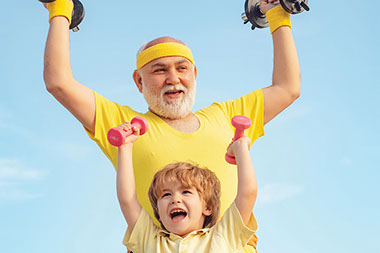
    Older adults using dumb bells in fitness class.

    A gym can be a great option if you like to work out indoors, but out of your house. And they can help you beat boredom if they offer classes and a variety of equipment. Before you join a gym, keep these things in mind:

    Ask the right questions

    The gym staff should allow people to visit and check it out before signing a contract. See if the equipment is clean and well-maintained. You should also ask:

    *  Do you have a membership limit? If they allow unlimited members, the gym could get very crowded at peak times. This could mean waiting in line to use equipment or full classes.

    *  Do classes cost extra? Some gyms include classes. Others charge a fee.

    *  Who are your instructors? Ask if the gym staff, teachers and trainers have fitness backgrounds.

    Pricing it out

    Many gyms have you sign a monthly or yearly contract. Think about how many times per week you will go to the gym. Then divide it up and see how much you will pay each time you work out.

    Find out if you are locked into a long-term contract. What is their cancellation policy?

    Good health is worth the cost of the gym – but only if you use it!

    YMCAs  often have discounted programs for seniors that may be covered as a Medicare benefit at no cost.

    Check out reviews

    Before signing up, search reviews of the gym on the Internet. See what others have to say about the gym’s staff, facilities and equipment.

    This is a good way to get some insider information before you move forward. And don’t let them pressure you into joining before you’re ready. Tell them, “I need to think about it” if you’re not sure yet. Then sleep on it for a day or two and check reviews – before you decide.

    Source: Federal Trade Commission

    © American Institute for Preventive Medicine
  • Build A Stronger Body

    Fitness

    Smiling women sitting on a yoga mat.

    Add muscle-strengthening to your aerobic exercises to deliver even more health benefits, like protecting your joints, better balance and more restful sleep.

    Classes:Take a strength-training class at your local fitness center to learn the basics.

    Equipment:Use dumbbell or hand/ankle weights, resistance tubes, an exercise ball, and the weight of your own body.

    At-home gear:Use household items for weights, such as water jugs or canned foods.

    Safety matters:Before you start a new exercise program, always talk with your doctor to review any safety concerns you may have.

    Page from HealthyLife Weigh book by the American Institute for Preventive Medicine. www.HealthyLife.com. All rights reserved.

    © American Institute for Preventive Medicine

  • Get Fit For A Cause

    Fitness

    People running a marathon for charity.

    Join a charity walk, run, or bike ride.

    If you are struggling to find a reason to get off your duff and exercise, go online and find a cause that interests you – Alzheimer’s disease, animal welfare, breast cancer, heart disease, multiple sclerosis, etc. Chances are there is a fitness-related fund-raiser in your area that will inspire you to get fit and soothe your soul.

    Don’t sign on the dotted line just yet.

    *  Pick a cause and/or activity (cycling, running, dance-a-thon) that will keep you interested.

    *  Find out the minimum amount of money you need to raise to participate. If you can’t afford it, are you willing to ask friends, family and co-workers to donate?

    *  Ask the organization how much of your actual donation goes to the cause, stays in your community, and is used to pay salaries of employees?

    *  Do a background check (www.guidestar.com) on the organization to make sure it’s legitimate.

    *  Find out how much training is involved. Do you have the time and devotion to stick with it?

    Volunteer.

    If you’re not interested in fund-raising or can’t commit to the extensive training needed to prepare for a marathon or a three-day walk, there are other ways you can still give to your community and get fit in the process.

    *  Volunteer at an area food bank that needs help picking up and delivering donations.

    *  Mow the lawn of an elderly neighbor every week.

    *  Become a sports coach for the local school or recreation department.

    *  Take part in community cleanup days.

    *  Help build a home for a needy family.

    *  Shovel snow off the sidewalks of family, friends, or neighbors who are not able to do this strenuous task.

    Action Step

    Fitness is also about the mind and the spirit. Find something to do that satisfies your desire to be fit, as well as your passion to make a positive difference in your community.

    Page image from Ways to Well-Being book by the American Institute for Preventive Medicine. www.HealthyLife.com. All rights reserved.

    © American Institute for Preventive Medicine