Category: Uncategorized

  • Surprisingly Simple Ways To Prevent Disease

    MEDICAL NEWS

    Image of happy man with thumbs up as he weighs himself.

    Five new studies support simple steps to prevent illness and improve overall health. The American Journal of Medicine reports the following based on multiple studies in several countries:

    *  Eating fresh fish regularly may reduce your risk of colorectal cancer.

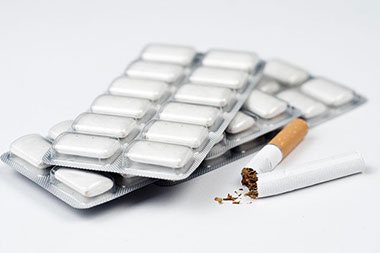
    *  Still trying to stop smoking? Try acupuncture and hypnosis. Several studies found smokers had good success.

    *  Have your teeth cleaned regularly. Scaling removes harmful bacteria. You can reduce your risk for heart attack and stroke.

    *  Talk to your doctor about weight loss. People who were moderately obese, followed a diet plan from their doctors (not a weight loss clinic), and stuck with it at least 12 weeks, lost over 10% of their body weight.

    *  Low-dose aspirin, for people who can take it, offers preventive cancer benefits along with heart healthy help.

    © American Institute for Preventive Medicine

  • Understanding Your Gallbladder

    MEDICAL NEWS

    Image of man talking to his doctor.

    The hardest working digestive helper might well be your gallbladder, a pear-sized organ that sits just under the liver and next to the pancreas.

    The gallbladder stores bile, a thick liquid that’s produced by the liver to help digest fat. When you eat, the gallbladder’s thin, muscular lining squeezes bile into the small intestine through the main bile duct. The more fat you eat, the more bile the gallbladder injects into the digestive tract.

    Bile has a delicate chemical balance. It’s full of soluble cholesterol produced by the liver. This is a different type of cholesterol than the kind related to cardiovascular disease. If the chemical balance of bile gets slightly off, the cholesterol can crystalize and stick to the wall of the gallbladder. Over time, these crystals can combine and form gallstones.

    Gallstones can range from the size of a grain of sand to that of a golf ball. When the gallbladder injects bile into the small intestine, the main bile duct can become blocked by these stones. That may cause pressure, pain, and nausea, especially after eating meals.

    Gallstones can cause sudden pain in the upper-right abdomen, called a gallbladder attack. In most cases, though, people with gallstones don’t realize they have them.

    The causes of gallstones are unclear, but you’re more likely to have gallstone problems if you have too much body fat, especially around your waist, or if you’re losing weight very quickly.

    If left untreated, a blocked main bile duct and gallbladder can become infected and lead to a life-threatening situation. A surgeon can remove the gallbladder. You can live normally without it.

    Symptoms of a gallstone attack

    Talk with your doctor if you have:

    *  Severe pain in the upper-right side of the abdomen that starts suddenly and lasts from 30 minutes to many hours

    *  Pain under the right shoulder or in the right shoulder blade

    *  Indigestion after eating foods high in fat or protein, including desserts and fried foods

    Seek help right away if you have these signs of a serious attack:

    *  Abdominal pain that lasts more than 5 hours

    *  Nausea and vomiting

    *  Fever or chills

    *  Yellowish color of the skin or the whites of the eyes

    *  Dark urine or light-colored stools

    © American Institute for Preventive Medicine

  • Cold Hearts (Why Shoveling Snow Is Extra Dangerous)

    WELL-BEING

    Image of person shoveling snow from the driveway.

    While you may be used to battling frigid temperatures and the inevitable snowstorms that arrive every winter, are you aware of the dangers these pose to your heart?

    “When the temperature outside drops, our blood vessels narrow to prevent our bodies from losing heat. This is a natural response that can also put people with heart conditions and those involved in strenuous exercise at greater risk of having a heart attack,” says Dr. Holly Andersen of the Perelman Heart Institute at NewYork-Presbyterian Hospital/Weill Cornell Medical Center.

    Shoveling snow is one of the most strenuous and dangerous winter exercise activities. It can raise blood pressure, and coupled with the effects of colder temperatures, shoveling can increase heart attack risk drastically. Take these precautions:

    *Warm up.Warm up with stretching and light activity before shoveling, exercising or beginning more strenuous physical activities.

    *Bundle up.When going out to shovel, always wear a scarf over your mouth and nose to warm the air before you breathe in, and dress in layers. Layering clothes underneath a windproof and waterproof outer shell helps maintain body heat.

    *Push the shovel.It is less strenuous to push the snow rather than lifting it, and this reduces the risk of overexerting yourself.

    *Take breaks.You should take frequent breaks while shoveling to give your muscles, especially your heart muscle, a chance to relax. You may also consider sharing the work with a friend to make the workload lighter and ensure that you are not alone in the event of an emergency.

    *Consult a doctor.If you are over the age of 50, overweight, out of shape or have suffered a heart attack, you should consult a doctor before shoveling snow or starting any exercise routine.

    © American Institute for Preventive Medicine

  • Be Active Every Day!

    WELL-BEING

    Image of couple walking along the beach.

    Go4Life® is an exercise and physical activity campaign from the National Institute on Aging at NIH for people 50-plus. It is designed to help them fit exercise and physical activity into daily life.

    Go4Life® is based on research which shows that exercise can help prevent many of the chronic conditions and disability linked with aging. Despite the benefits of exercise for people of all ages, U.S. adults tend to become less active as they age. Go4Life® provides an interactive website athttps://go4life.nia.nih.govto help older adults increase their physical activity. This includes sample exercises, success stories, and free materials to motivate them to improve their health and achieve a better quality of life. Go4Life® also works with local and national groups to provide an environment that supports these efforts.

    “It’s never too late for exercise to have a positive effect on your health,” said NIA Director Richard J. Hodes, M.D. “We know that exercise can reduce the risk of heart disease, obesity, stroke, diabetes and other chronic conditions. One recent study found that even sedentary people in their 70s and 80s improved mobility and reduced the risk of disability through a regular program of structured physical activity.”

    “The establishment of Go4Life® Month will help draw attention to the critical importance of exercise with age and the resources that we can provide to support adults who want to do more,” Hodes said.

    Athttps://go4life.nia.nih.gov/event-list, find out about activities planned for Go4Life® Month.

    For more information on healthy aging, accesswww.nia.nih.gov.

    © American Institute for Preventive Medicine

  • Ipad Pain

    WELL-BEING

    Image of man using a tablet.

    When your iPad or other tablet causes pain in the neck and shoulders –

    *  Use a case that positions the device at a comfortable viewing angle.

    *  Routinely shift hands and weight. Stand up if seated, or sit down if standing.

    When using a laptop or desktop computer, follow the same tips for a tablet plus:

    *  Use an external keyboard.

    *  Keep shoulders relaxed and elbows close to the body.

    *  Keep hands, wrists, forearms, and thighs parallel to the floor.

    *  Take a break and change position every 15 minutes.

    Holding a tablet computer too low, say on the lap, forces the neck to bend forward too much, straining and possibly even injuring muscles, nerves, tendons, ligaments, or spinal discs. Simply placing a tablet on a table propped at an angle in a tablet case can reduce neck strain and potential pain, according to research conducted at the Harvard School of Public Health.

    © American Institute for Preventive Medicine

  • ‘Natural’ Relief For Arthritis: Does It Work?

    WELL-BEING

    Image of women holding wrist in pain.

    The painful symptoms of arthritis affect 50 million adults and 300,000 children. If arthritis symptoms interfere with your daily life, talk with your doctor about ways to manage your symptoms. A variety of options may be available to help you, including prescriptions, over-the-counter pain relievers, and natural supplements.

    Though many vitamins, herbs, and other supplements claim to help arthritis, they may not be right for you. “Natural” does not always mean safe or effective. Fortunately, the following supplements have shown promise in clinical studies.

    For relief of pain and inflammation in osteoarthritis:

    *  Capsaicin (active part of chili peppers)

    *  Boswellia serrata (Indian frankincense)

    *  SAM-e (S-adenosylmethionine)

    *  Tumeric/curcumin (Curcuma longa)

    *  Avocado-soybean unsaponifiables (ASU)

    *  Fish oil (omega-3 fatty acids)

    *  Ginger

    Relief of inflammation in rheumatoid arthritis:

    *  Cat’s claw (Uncaria tomentosa)

    *  Fish oil (omega-3 fatty acids)

    *  Gamma linolenic acid (GLA, omega-6 fatty acids)

    *  Ginger

    If you decide to try a natural supplement, be sure to let your doctor know. Some supplements can have bad interactions with other medicines, or may not be safe for people with certain health conditions. If your doctor has a clear picture of everything you take, he or she can help you avoid potential problems.

    Source: Arthritis Foundation

    © American Institute for Preventive Medicine

  • Say ‘No’ To Interruptions, ‘Yes’ To Better Work

    WELL-BEING

    Image of a group of business professionals.

    Today’s office workers are expected to multitask regularly, often juggling multiple projects and priorities over the course of a day. Studies have shown that the typical employee in an office environment is interrupted up to 6 times per hour, but how does that impact the finished product?

    “People don’t realize how disruptive interruptions can be,” said the researchers at George Mason University, whose study was published in Human Factors.

    The researchers found significantly lower quality in essays completed by the participants who were interrupted during the outline and writing phases than in essays of those who were not interrupted. In addition, those participants who were interrupted during the writing phase wrote considerably fewer words.

    Interruptions lower the quality of the work, they said, and suggested ways to reduce the number of external interruptions: Turn off your cell phone and disable dings for incoming email. Close your door. Face away from office traffic patterns.

    © American Institute for Preventive Medicine

  • Take Mowing Seriously

    WELL-BEING

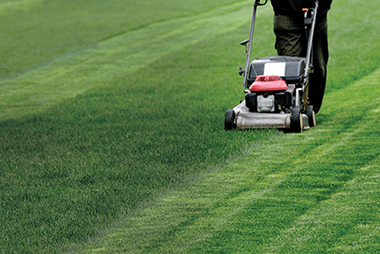
    Image of mower, cutting grass.

    More than 37,000 Americans are injured by power lawn mowers each year. Even a minor cut can become a problem if it gets infected. And, it’s possible to get severe injuries and even lose a toe if proper safety steps aren’t followed. Avoid getting hurt with these tips:

    *  Don’t mow when the grass is wet. Wet grass can be very slippery, leading to falls and injuries.

    *  Never mow barefoot. Wear heavy shoes or work boots when mowing.

    *  Don’t mow up and down hills. Mow them side to side to keep control of the mower.

    *  Keep children and pets away from running lawn mowers.

    *  Use a mower that turns off when you let go of the handle. Never pull the mower backward while it’s running.

    *  Keep the clippings bag attached to prevent injuries from flying sticks and other debris.

    Source: American College of Foot and Ankle Surgeons

    © American Institute for Preventive Medicine

  • What Do You Do 100 Times A Day?

    WELL-BEING

    Image of man on his smart phone.

    You check your smartphone 100 times a day, or spend 2 or more hours every day on a digital device, says The Vision Council. The result: digital eye strain.

    Digital eye strain-experienced by a majority of American adults-is characterized as temporary physical discomfort such as redness, irritation or dry eyes, blurred vision, eye fatigue, back and neck pain, and headaches.

    Several environmental factors can contribute to the condition, including the size of the text on screens, time spent at devices, posture, computer setup, existing vision issues, and the blue light emitted from digital screens and lighting.

    Relieve digital eye strain this way:

    *  Remember the 20/20/20 rule: every 20 minutes, take a 20-second break and look at something 20 feet away.

    *  Build an optimal workspace to lessen stressors-this includes adjusting lighting, computer screen height, and your posture.

    *  Increase the text size on your devices to better define the content on your screen.

    *  Visit an eye care provider to learn more about computer eyewear and lens options that can help reduce symptoms of digital eye strain and improve vision

    © American Institute for Preventive Medicine

  • Help For Hearing Loss

    Mature Health: Over Age 50

    Image of mature man with hand up to his ear trying to hear.

    Do people seem to mumble a lot lately? Do you have trouble hearing in church or theaters? Do you lose the thread of conversation at the dinner table or at family gatherings? Does your family repeatedly ask you to turn down the volume on the TV or radio?

    These are signs of gradual, age-related hearing loss called presbycusis. High-pitched sounds are especially difficult to discern. Another way to detect this problem is to hold a watch to your ear. If you can’t hear it ticking, see an otolaryngologist (a physician who treats disorders of the ear, nose, and throat) or an otologist (a physician who specializes in ear disorders).

    You should also get help if one or both ears ring continuously, or if loud noises cause pain in your ears.

    Hearing loss from presbycusis cannot be restored, but hearing aids. along with the following self-help methods, are helpful.

    *  Ask people to speak clearly, distinctly, and in a normal tone.

    *  Look at people when they are talking to you. Watch their expressions to help you understand what they are saying. Ask them to face you.

    *  Try to limit background noise when having a conversation.

    *  In a church or theater, sit near, but not in the front row. Sit in the third or fourth row with people sitting around you.

    *  To rely on sight instead of sound, install a buzzer, flasher, or amplifier on your telephone, door chime, and alarm clock.

    Also, an audiologist (hearing therapist) may be able to show you other techniques for “training” yourself to hear better.

    A Year of Health Hints book by the American Institute for Preventive Medicine. www.HealthyLife.com. All rights reserved.

    © American Institute for Preventive Medicine