Category: Uncategorized

  • Create Your Ethical Will

    WELL-BEING

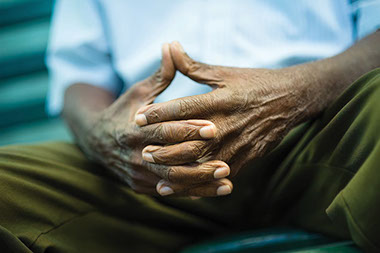
    Image of older man sitting at desk.

    You may not be able to take it with you, but you can let the generations to come know what you valued if you create an ethical will.

    An ethical will can be a vital component of an estate plan because it reflects your concerns and hopes for the next generation. Most wills mainly focus on distributing assets and deciding who gets what. An ethical will provides families with the chance to know their loved ones better and for the writer to express what often goes unsaid.

    1. What values or beliefs are of special significance to you? Why?

    2. What are your wishes and hopes for the generations that follow you?

    3. What are your greatest life lessons? How have they influenced you?

    4. Do you have any regrets?

    © American Institute for Preventive Medicine
  • Go Dark For Better Sleep – And Better Mornings

    WELL-BEING

    Image of a young female using a tablet in the dark.

    Your nighttime habits may be hurting your morning routine. Many electronic devices, such as smartphones, computers and tablets, give off blue light. This type of light boosts energy – and can interfere with sleep.

    If you wake up feeling groggy in the morning, try shutting off the electronics two to three hours before bedtime. And, make sure you get out and see some daylight and other bright lights during your waking hours. This can help set your body’s internal clock, telling you when to wind down at bedtime and then rise the next day.

    Source: Harvard Medical School

    © American Institute for Preventive Medicine

  • Is 3D As Dangerous As The Warnings?

    WELL-BEING

    Illustration of a TV with wild animlas appearing to come out of the television set.

    Have you read the warnings on a 3D TV or gaming system? Can 3D actually cause altered vision, lightheadedness, twitching, nausea, disorientation, especially for children and the elderly?

    Through these disclaimers, companies may have been scaring away the customers they seek, but medical evidence does not back up the claims.

    Professional eye photographer Timothy Bennett of Penn State Hershey Eye Center said there are no health issues associated with 3D imaging. Some people experience headaches or dizziness, but these are temporary. The images may be disorienting, but as soon as you stop looking at 3D, the feelings clear up.

    He recommends sitting far from the screen, especially if you are sensitive, and take breaks from gaming or watching 3D TV.

    Some people experience headaches or dizziness, but these are temporary.

    © American Institute for Preventive Medicine
  • Dealing With Nausea & Vomiting In Pregnancy

    WELL-BEING

    Image of pregnant women feeling nausea.

    Pregnancy is a time of big changes in a woman’s body. As hormones shift and the body works to nourish the baby, a number of uncomfortable symptoms can arise. One of the most common is nausea and vomiting, commonly called morning sickness.

    Fortunately, many women find some relief with some diet and lifestyle changes. They include:

    *Start taking a prenatal vitamin while trying to get pregnant.Your body may get used to taking it before you have to deal with morning sickness. Plus, some nutrients are important to have in the early stages of pregnancy.

    *Take your prenatal multivitamin with food.Some nutrients, such as iron, can cause nausea if taken on an empty stomach.

    *Eat dry toast or crackers in the morning before you get out of bed.This helps settle your stomach.

    *Drink plenty of fluids.Dehydration isn’t good for you, and can lead to more nausea and fatigue. It may be helpful to drink fluids separately from eating foods.

    *Eat small,frequent meals instead of three large meals throughout the day.

    *Use ginger.This spice has been used for hundreds of years to help with nausea. Ginger capsules or tea made with real ginger are good choices.

    *Avoid smellsthat bother you.

    Talk to your doctor

    Be sure to tell your doctor you have nausea and vomiting. Your doctor will want to monitor you and your baby, and may offer medical treatment if the problem is severe. Some medications that may help include:

    *Vitamin B6 and doxylamine.Vitamin B6 alone may help with nausea. It may be combined with doxylamine, which is found in some sleep aids. Be sure to check the label and ask your doctor before taking any medicines during pregnancy.

    *Prescription drugs.Some drugs, known as antiemetics, prevent vomiting. Some are considered safe during pregnancy. You and your doctor can decide what is best.

    Severe nausea & vomiting

    In some women, nausea and vomiting can become severe, leading to lack of nutrition and dehydration. This is known as hyperemesis gravidarum (HG), and it happens in about three percent of all pregnancies.

    A woman with HG who cannot keep food or liquids down may need hospital care. Often, getting rehydrated with IV fluids and vitamins will help.

    Though it can be miserable, most women get through morning sickness without serious complications. In most cases, nausea and vomiting that isn’t severe will not harm you or your baby. But, controlling symptoms with safe and effective home remedies can make pregnancy much more enjoyable.

    Source: American College of Obstetricians and Gynecologists

    © American Institute for Preventive Medicine

  • Secrets To A Successful Life

    WELL-BEING

    Image of older man smiling.

    What do America’s elder citizens say about living a happy, healthy, and successful life? A Cornell University professor, Karl Pillemer, asked hundreds of seniors and gives their advice in his book 30 Lessons for Living: Tried and True Advice from the Wisest Americans.

    *Take risks to avoid regret.People in their 70s, 80s, 90s, and beyond endorse taking risks when you’re young, contrary to a stereotype that elders are conservative. They say that you are much more likely to regret what you didn’t do than what you did. Say yes to opportunities.

    *Make the most of a bad job.Pillemer said, “Remember that many of these folks who grew up in the Great Depression had bad jobs early on-in fact, their bad jobs make our bad jobs look like good jobs! They found, however, that they learned invaluable lessons from these less-than-ideal work situations. You can learn how the industry works, about communicating with other employees, and about customer service.

    *Choose excitement over money.Choose a career for its basic value rather than how much money you will make. Our elders are keenly aware of how short life is, and they think it’s a mistake to waste precious time in work you don’t like. According to our elders, you need to be able to get up in the morning excited about work, so choose your career with that in mind.

    *Regrets?Embrace travel, especially when you are young.

    © American Institute for Preventive Medicine
  • Take The Hectic Out Of Mornings

    WELL-BEING

    Image of family enjoying breakfast and the morning paper.

    Do you find your mornings feel rushed and stressful? There are some things you can do to make them better. A few simple steps can help your mornings go more smoothly.

    Get up at the same time each day.

    Having a regular wake-up time sets your body’s internal clock. This helps you fall asleep on time and get up feeling refreshed. Even if you don’t have to be up that early on the weekends, it’s good to set your alarm and get up anyway. This will keep your sleep routine consistent.

    Stretch your muscles.

    Stretches are relaxing and can be energizing. Stretching for just 15 minutes a day can improve your sleep by up to 30 percent.

    Eat right in the morning.

    A healthy breakfast gives you more energy. It may also help you set the tone for healthy habits throughout your day. Up to 500 milligrams of caffeine (about four cups of coffee) is okay for most people, but don’t exceed this amount. Too much caffeine makes it hard to fall asleep at bedtime, setting you up for a sleepy morning.

    Move your body.

    Just 30 minutes of exercise can help boost your energy and improve your sleep. This sets you up for a more restful night and a better morning. People who exercise in the morning may have less trouble falling asleep.

    Sources: National Sleep Foundation; Produce for Better Health Foundation

    © American Institute for Preventive Medicine

  • Hospice Care

    Mature Health: Over Age 50

    Hospice care is for people with a terminal illness. To enter a hospice program (and to receive Medicare benefits), a doctor’s diagnosis is required stating that life expectancy is no more than about 6 months. No efforts are made to prolong life or to hasten death. The patient is kept comfortable and pain free. Hospice eases the process of dying. Most referrals for hospice come from doctors. Hospice care may be provided in:

    *  The home. Eighty percent of persons enrolled in hospice are cared for at home.

    *  A hospital

    *  A nursing home

    *  A hospice facility

    The bulk of care, especially with home hospice, is usually given by family members and friends. It is supported by a hospice care team which includes doctors, social workers, therapists, volunteers, clergy, nurses, and family members. The team plans care that ensures quality of life. {Note: VA offers Hospice & Palliative Care.}

    Most health insurance plans include the option of hospice care. Medicare and Medicaid cover the costs if the facility or hospice organization is certified by them. Under Medicare, the length of stay is two 90 day benefit periods. This may be followed by a 30 day period. Extensions are available. Persons must be certified to be terminally ill at the start of each period.

    Sometimes patients are charged if they do not qualify for reimbursement. Hospice care is based on need. No one is rejected for lack of finances.

    Some advantages to hospice care include:

    *  Availability of 24 hour a day, 7 day a week assistance. This is true for hospice care in hospitals, nursing homes, and hospice facilities. Find out if the home hospice program offers this service.

    *  Respite for family caretakers when care is given in the home

    *  Emotional comfort and support by trained hospice staff and volunteers

    *  Bereavement counseling

    Resources

    The National Hospice and Palliative Care Organization

    1-703-837-1500

    www.nhpco.org

    Health at Home Lifetime book by the American Institute for Preventive Medicine. www.HealthyLife.com. All rights reserved.

    © American Institute for Preventive Medicine

  • 5 Numbers You Need To Know By Heart

    SELF-CARE CORNER

    Close-up image of doctor's hand holding a green apple.

    Pass codes, phone numbers, social security numbers, clothing sizes and addresses. We all have a lot of numbers in our heads, but heart experts at The Ohio State University Wexner Medical Center say there are 5 more numbers you need to know. These are the numbers your doctor will use to assess your risk for getting heart disease.

    1.Blood pressure.This is the force of blood against the walls of the arteries. It’s measured as two numbers-the systolic pressure, as the heart beats, over the diastolic pressure, as the heart relaxes between beats. A normal blood pressure is under 120/80. Talk to your doctor if it is higher than that. Simple lifestyle changes can help you lower your blood pressure and potentially avoid taking medication.

    2.BMI.This measures your weight for your body surface area. It is used as a reliable indicator of body fatness for most people. Use an online calculator to assess your risk. Search for “BMI” atwww.nhlbi.nih.gov.

    3.Waist circumference.Fat that is carried around the abdomen increases the risk of heart disease and type 2 diabetes. Measure your waist at the belly button, not where your clothing waistband sits. Women should be less than 35 inches and men should be less than 40 inches at the waist.

    4.Cholesterol.While the body makes all of the cholesterol it needs, it is also found in animal sources of food. High cholesterol can lead to heart disease and build-up of plaque in the arteries. Know your total cholesterol number and your low-density lipoprotein, or LDL, number. That’s the bad cholesterol that can cause problems. A healthy cholesterol number is below 200. A healthy LDL number is below 130, 100, or 70 depending on your heart disease risk.

    5.Blood sugar.This reading tells doctors how much glucose is in the blood. High levels of blood glucose cause diabetes, which increases the risk for cardiovascular disease. A healthy fasting blood sugar number is under 100 after not eating for 8 hours.

    © American Institute for Preventive Medicine

  • Banish Biting Bugs

    SELF-CARE CORNER

    Image of female spraying insect repellent on arm.

    Insects like mosquitoes and ticks may annoy you during a summer barbeque or camping trip. But an effective bug repellent does more than avoid an itchy inconvenience. It may help prevent you from getting sick. Mosquitoes and ticks may carry diseases that are dangerous to humans. Many ticks carry Lyme disease and mosquitoes may spread the West Nile and Zika viruses.

    To help keep mosquitoes away, use a repellent that’s been proven safe and effective by the CDC. Look at the label and choose a repellent with one of these active ingredients:

    *  DEET

    *  Picaridin

    *  IR3535

    *  Oil of lemon eucalyptus

    *  Para-menthane-diol

    The CDC recommends tick repellents that have one of the following active ingredients:

    *  DEET (20 to 30 percent): use on skin and clothing, but not under clothing.

    *  Permethrin: use on clothing and gear only.

    In addition to a repellent, there are other ways to avoid bugs:

    *  Avoid wooded and brushy areas when possible.

    *  Walk in the center of trails.

    *  Wear clothing that covers arms and legs.

    *  Minimize time outside at dawn and dusk, when mosquitoes are most active.

    *  Throw out standing water in tires, buckets, birdbaths or other outdoor items at least once a week.

    *  Do a full-body check for ticks after spending time outside.

    What to do if you spot a tick

    If you find a tick on your skin, it should be removed as soon as possible. Here’s what to do:

    *  Don’t panic.

    *  Use fine-tipped tweezers to grasp the tick as close to the skin’s surface as possible.

    *  Pull upward on the tick slowly and evenly. Don’t twist the tick or try to yank it out quickly.

    *  If parts of the mouth remain after you’ve tried to remove it, use the tweezers to try and get them out. If you can’t get them out, leave it alone so the skin can heal.

    *  After you’ve removed the tick, clean the bite area and your hands with soap and water, rubbing alcohol or an iodine scrub.

    *  If the tick is alive, don’t try to crush it. Instead, put it in alcohol or an airtight bag or container. You can also wrap it tightly in tape or flush it down the toilet.

    *  Ticks can also be removed by your doctor if you can’t get it out yourself.

    *  If you’ve been bitten by a tick, contact your doctor for follow-up care.

    © American Institute for Preventive Medicine