Blog

  • Is It Food Poisoning Or A Virus?

    SELF-CARE CORNER

    Man holding a glass of water with one hand and holding stomach in pain with the other hand.

    Many people know the awful feeling of an upset stomach. It happens to almost everyone at least a few times in our lives. Many times, we blame the last thing we ate. But this is not always the cause.

    It can be hard to know what made you sick. If you got food poisoning, it can take 24 hours or more to get sick from some germs. And if you caught a virus, it can take several days to get sick after you were exposed.

    ‘stomach flu’ isn’t the flu

    Many people will say they had the “stomach flu” if they had a stomach virus. But the flu, or influenza, is not the same thing. The real flu rarely causes stomach problems in adults. Instead, it causes fever, coughing, headache and body aches.

    Norovirus is a virus that often causes stomach symptoms. It spreads easily in crowded places, schools and daycares.

    What is food poisoning, anyway?

    Food poisoning happens when you eat or drink something that contains harmful germs.

    If you were with others who ate the same food as you, they could get sick too. This is where it becomes hard to know if you have food poisoning or a viral infection. You can only get food poisoning through contaminated food. You get norovirus from other people.

    Symptoms look the same

    Both viruses and food poisoning can cause:

    *  Stomach pain

    *  Vomiting

    *  Diarrhea

    *  Fever

    *  Headache

    *  Body aches

    *  Tiredness

    Which one is it?

    If there is a large outbreak of food poisoning, you may find out about it. It could be in the news if many people got sick. But often, you may never know if you had a stomach virus or food poisoning. The symptoms are very similar.

    Sometimes doctors may run tests to find out what kind of illness you have. Usually, however, this isn’t necessary.

    Talk to your doctor

    Most people get better on their own after a stomach illness. But if you’re concerned, talk to your doctor. They can tell you what you should do based on your symptoms, age and health history.

    If you’re worried about serious dehydration or if the illness is severe, you should get medical help right away.

    Source: American Academy of Family Physicians
    © American Institute for Preventive Medicine
  • Irritated Eyelids And Blepharitis

    SELF-CARE CORNER

    Grandfather and grandson flexing arms.

    You might not think about your eyelids very much. That is, until there’s a problem with them. Blepharitis, a common eyelid condition, can cause irritated, red, itchy eyelids. It can also cause flaking on the eyelids.

    What causes blepharitis?

    Blepharitis usually happens when bacteria on the skin become unbalanced. Certain things can trigger this bacteria growth, including:

    *  Allergies

    *  Mites

    *  Dandruff

    *  Oily skin

    *  Rosacea

    Signs and symptoms

    Blepharitis can feel different to different people. Blepharitis symptoms include:

    *  Watery eyes or extra tearing

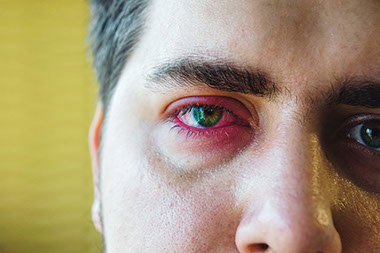
    *  Red and swollen eyelids

    *  Dry eyes

    *  Crusting of the eyelids

    *  Itching

    *  Blurry vision

    Self-care

    Most people can manage blepharitis with self-care at home. Here’s how:

    *  Wash your hands. Then apply a warm, moist compress to each eyelid twice a day. Use a clean cloth for each eye.

    *  Gently scrub the eyelids with water and baby shampoo or a gentle eyelid cleanser.

    *  Rinse thoroughly with clean, warm water and dry with a clean towel.

    *  If you have dandruff, wash your hair with anti-dandruff shampoo on a regular basis.

    *  Avoid using eye makeup or wearing contact lenses until blepharitis symptoms are gone.

    Is blepharitis dangerous?

    Blepharitis isn’t usually dangerous. But its symptoms can be painful or bothersome. Sometimes blepharitis can cause other eye problems, such as:

    *Stye:A red, painful bump on the eyelid caused by a blocked oil gland.

    *Chalazion:A red bump on the eyelid that doesn’t hurt.

    *Cornea damage:The cornea is the clear outer layer of the eye.

    If blepharitis doesn’t get better with self-care measures, contact your doctor. In some cases, you may need special eye drops or antibiotic ointment. Always ask your doctor before using any drops or other products in your eyes.

    Sources: American Academy of Ophthalmology, National Institutes of Health

    © American Institute for Preventive Medicine
  • Infertility: When To See A Doctor

    MEDICAL NEWS

    Young couple talking to doctor.

    It is not uncommon for some couples to have trouble conceiving. If a couple has been trying for one year without success, they are said to be dealing with infertility.

    While infertility may be common, it is not hopeless. Many effective treatments are available. Knowing when to talk to your doctor about fertility can help you get closer to your goal of getting pregnant.

    What causes infertility?

    Infertility is not just a woman’s issue. It can affect one or both partners.

    Men require healthy sperm to be fertile. Anything that impacts the number, shape, and movement of sperm may cause infertility. These may include:

    *  Unhealthy habits

    *  Trauma to the testes

    *  Certain medications or supplements

    *  Cancer treatment

    *  Medical conditions

    Women need functioning ovaries, fallopian tubes, and a uterus to get pregnant. A condition that affects any one of these organs can cause infertility issues. These may include:

    *  Polycystic ovary syndrome (PCOS)

    *  Diminished ovarian reserve

    *  Blocked fallopian tubes

    *  Menopause

    *  Abnormal uterine shape

    When to see a doctor

    Every couple should talk to their doctor to let them know they are trying to get pregnant. Your doctor may have specific recommendations and screenings that would be of benefit.

    Some couples may be at a higher risk of infertility. If you have any of the following risk factors, you should talk to your doctor right away when trying to conceive:

    *  Irregular or no menstrual periods

    *  Painful periods

    *  Endometriosis

    *  Pelvic inflammatory disease

    *  History of miscarriage

    *  Any suspected male factors, such as cancer treatment, history of teste trauma, etc.

    Women over the age of 30 may experience age-related declines in fertility. Once a woman is over 35, infertility becomes more common. While this doesn’t mean someone at that age will not be able to conceive, it does mean you should talk to your doctor sooner if you do not become pregnant.

    Any couple who has been trying to conceive for one year without success should talk to their doctor. Couples over the age of 35 should talk to their doctor after six months of trying.

    Your doctor may refer you to a reproductive endocrinologist who specializes in infertility. Never hesitate to talk with your doctor if you have any questions or concerns about yourself or your partner’s fertility.

    © American Institute for Preventive Medicine

  • Improve Your Home

    FINANCIAL HEALTH

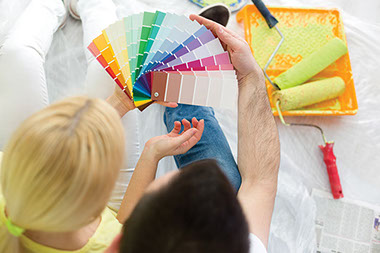
    Couple looking at paint swatches.

    Owning a home is a big investment. Regular maintenance and improvement projects help protect your asset and keep it in top condition. These home projects are the best bang for your buck.

    Freshen up the paint

    A new coat of paint, both inside and out, can make your home look up to date and appealing. It’s an inexpensive way to transform any room, and it’s easy to do yourself.

    Update fixtures

    Outlet covers, switch plates, light fixtures, and door knobs are simple to replace and make great finishing touches. These minor details really stand out.

    Kitchen cabinets

    Kitchen remodels are one of the priciest home upgrades.  If that is outside your budget, don’t worry. Instead, refresh your existing kitchen cabinets with a more modern paint color or stain.

    Install crown molding

    This task takes a bit of know-how, but it’s a simple cosmetic improvement that boosts the appearance of the interior. Crown molding makes rooms look pulled together and complete.

    Replace front door

    Your front door can make a big statement. If the door is worn out, old, or just plain boring, replace it with one that has a fresh, updated color.

    Clean up the landscaping

    The exterior of your home is the first thing people see. A well-cared-for yard and tidy landscaping set the tone for everything else. Keep planting beds free of weeds and well-mulched.

    © American Institute for Preventive Medicine
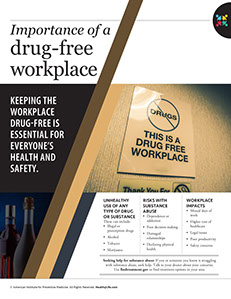
  • Importance Of A Drug-Free Workplace

    WORK LIFE

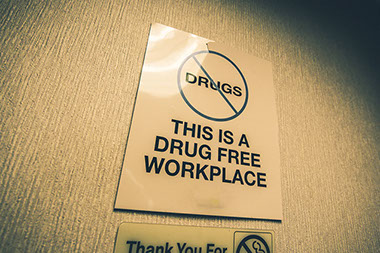
    sign that says "This is a drug free workplace."

    Keeping the workplace drug-free is essential for everyone’s health and safety.

    Unhealthy use of any type of drug or substance

    These can include:

    *  Illegal or prescription drugs

    *  Alcohol

    *  Tobacco

    *  Marijuana

    Risks with substance abuse

    *  Dependence or addiction

    *  Poor decision making

    *  Damaged relationships

    *  Declining physical health

    Workplace impacts

    *  Missed days of work

    *  Higher cost of healthcare

    *  Legal issues

    *  Poor productivity

    *  Safety concerns

    Seeking help for substance abuse: If you or someone you know is struggling with substance abuse, seek help. Talk to your doctor about your concerns. Usefindtreatment.govto find treatment options in your area.

    © American Institute for Preventive Medicine
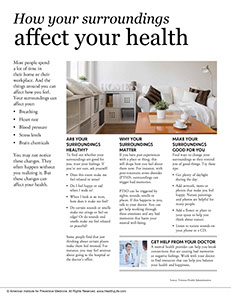
  • How Your Surroundings Affect Your Health

    WELL-BEING

    Clean organzied room.

    Most people spend a lot of time in their home or their workplace. And the things around you can affect how you feel. Your surroundings can affect your:

    *  Breathing

    *  Heart rate

    *  Blood pressure

    *  Stress levels

    *  Brain chemicals

    You may not notice these changes. They often happen without you realizing it. But these changes can affect your health.

    Are your surroundings healthy?

    To find out whether your surroundings are good for you, trust your feelings. If you’re not sure, ask yourself:

    *  Does this room make me feel relaxed or tense?

    *  Do I feel happy or sad when I walk in?

    *  When I look at an item, how does it make me feel?

    *  Do certain sounds or smells make me cringe or feel on edge? Or do sounds and smells make me feel relaxed or peaceful?

    Some people find that just thinking about certain places make them feel stressed. For instance, you may feel anxious about going to the hospital or the doctor’s office.

    Why your surroundings matter

    If you have past experiences with a place or thing, this will shape how you feel about them now. For instance, with post-traumatic stress disorder (PTSD), surroundings can trigger bad memories.

    PTSD can be triggered by sights, sounds, smells or places. If this happens to you, talk to your doctor. You can get help working through these emotions and any bad memories that harm your mental well-being.

    Make your surroundings good for you

    Find ways to change your surroundings so they remind you of good things. Try these tips:

    *  Get plenty of daylight during the day.

    *  Add artwork, items or photos that make you feel happy. Nature paintings and photos are helpful for many people.

    *  Add a flower or plant to your space to help you think about nature.

    *  Listen to nature sounds on your phone or a CD.

    Get help from your doctor

    A mental health provider can help you break connections that are causing bad memories or negative feelings. Work with your doctor to find resources that can help you balance your health and happiness.

    Source: Veterans Health Administration

    © American Institute for Preventive Medicine

  • How Walking Can Change Your Life

    BE FIT

    Image of couple and pet dog walking along beach.

    Many people don’t exercise because they believe it takes too much time or money. They may think they need to spend an hour at the gym each day to get healthier. These myths could be standing in the way of a healthier life.

    Exercise is a universal way to improve health. We know that physical activity can reduce the risk of heart disease, diabetes and even cancer. It also boosts energy levels and can help you sleep better. But there’s another benefit to exercise that many people may not know about: better mental health.

    If you are thinking about being more active, a walking program is a tried and true favorite form of physical activity. As an exercise, walking is easy to begin and maintain. Plus, it needs no special skills or expensive equipment, and can be done year-round, outdoors and indoors.

    For those who thought they didn’t have time to walk or exercise, there’s good health news. Even a small amount of exercise can help you feel better mentally by reducing feelings of depression and anxiety, and improving cognition.

    Getting a treadmill: Questions to ask

    Treadmills have been a mainstay in gyms for years. Many people also get one for their homes. They’re simple to use and can adjust to your fitness level. But should you buy one? Here’s what to consider:

    How much money do you want to spend?

    A new treadmill can cost hundreds – or even thousands – of dollars. But many people can get used treadmills for a fraction of the cost. If you buy a used one, make sure to test it first to be sure it works. Ask the seller if they have the instruction manual.

    Can you do other indoor exercise?

    You don’t need a treadmill to get a good workout inside. You can turn on music and dance or use a fitness video or interactive game. Consider how many days per year you would need the treadmill because of bad weather. Then, weigh that against the cost.

    Will it “work”  for you?

    Do your research before making the investment. Check out online reviews of the exact treadmill you’re considering. Find out if it’s good for running, walking or both. Will it work with your height? Taller people often need a longer treadmill belt.

    Source: Centers for Disease Control and Prevention

    © American Institute for Preventive Medicine

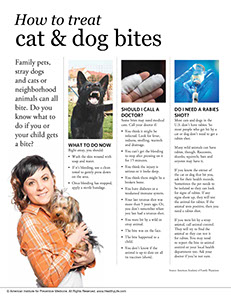
  • How To Treat Cat & Dog Bites

    SELF-CARE CORNER

    Aggrestive dog barking while owner is holding it back.

    Family pets, stray dogs and cats or neighborhood animals can all bite. Do you know what to do if you or your child gets a bite?

    What to do now

    Right away, you should:

    *  Wash the skin wound with soap and water.

    *  If it’s bleeding, use a clean towel to gently press down on the area.

    *  Once bleeding has stopped, apply a sterile bandage.

    Should I call a doctor?

    Some bites may need medical care. Call your doctor if:

    *  You think it might be infected. Look for fever, redness, swelling, warmth and drainage.

    *  You can’t get the bleeding to stop after pressing on it for 15 minutes.

    *  You think the injury is serious or it looks deep.

    *  You think there might be a broken bone.

    *  You have diabetes or a weakened immune system.

    *  Your last tetanus shot was more than 5 years ago. Or, you don’t remember when you last had a tetanus shot.

    *  You were bit by a wild or stray animal.

    *  The bite was on the face.

    *  The bite happened to a child.

    *  You don’t know if the animal is up to date on all its vaccines (shots).

    Do I need a rabies shot?

    Most cats and dogs in the U.S. don’t have rabies. So most people who get bit by a cat or dog don’t need to get a rabies shot. Many wild animals can have rabies, though. Raccoons, skunks, squirrels, bats and coyotes may have it.

    If you know the owner of the cat or dog that bit you, ask for their health records. Sometimes the pet needs to be isolated so they can look for signs of rabies. If any signs show up, they will test the animal for rabies. If the animal tests positive, then you need a rabies shot.

    If you were bit by a stray animal, call animal control. They will try to find the animal so they can test it for rabies. You may need to report the bite to animal control or your local health department too. Ask your doctor if you’re not sure.

    Source: American Academy of Family Physicians

    © American Institute for Preventive Medicine
  • How To Teach Children Gratitude

    FAMILY LIFE

    Young child hugging mother.

    Children may often want every new toy and thing they see. But you can help teach them gratitude with these tips:

    1.Make getting things a surprise.This helps kids see something as a gift, not an entitlement. For instance, “surprise” them with a trip to the park or their favorite dessert on special occasions.

    2.Be careful with choices.Allowing children to choose something big, such as a vacation destination, will make them think they can get whatever they want. Instead, the adults can choose the vacation plans and present it as a surprise.

    3.Talk about what made them happy each day.This teaches kids to be thankful for good things. It can be as simple as playing at recess, seeing a friend or enjoying what they ate for lunch.

    4.Serve others as a family.Community charity programs such as working at a food bank are a great way for kids to see how much they have. Also, do smaller things like bring meals to neighbors who are going through a hard time.

    5.Show them how to be positive.Being demanding, whiny or jealous quickly turns into being ungrateful for what they have. You can point out positives in nearly any situation to teach them how to find it themselves. “It’s really hot today, but I’m so glad we have cold water to drink” is a great example.

    6.Insist on saying “please” and “thank you.”Give them positive reinforcement every time they use these words. This helps to teach them the importance of showing  gratitude and respect for other people.

    7.Give them chores to do.Yes, kids are busy, but simple things like putting away their clothes, helping with dishes and picking up their toys are valuable lessons. Chores teach kids that it takes work to keep up a household and that they should contribute. Even five to 10 minutes of chores a day is helpful.

    8.Consider gifts of “experiences” instead of “things.”Not sure what to get them because they already have so much? How about tickets to a movie or show? Or a trip to a water park for a day? Chances are, they will remember those fun experiences far longer than any toy or gadget.

    Source: American Academy of Pediatrics

    © American Institute for Preventive Medicine