Blog

  • Ergonomics For The Home Office

    WORK LIFE

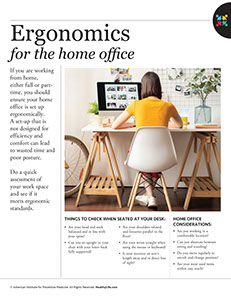
    Women sitting at desk working on computer.

    If you are working from home, either full or part-time, you should ensure your home office is set up ergonomically. A set-up that is not designed for efficiency and comfort can lead to wasted time and poor posture.

    Do a quick assessment of your work space and see if it meets ergonomic standards.

    Things to check when seated at your desk:

    *  Are your head and neck balanced and in line with your spine?

    *  Can you sit upright in your chair with your lower back fully supported?

    *  Are your shoulders relaxed and forearms parallel to the floor?

    *  Are your wrists straight when using the mouse or keyboard?

    *  Is your monitor an arm’s length away and in direct line of sight?

    Home office considerations:

    *  Are you working in a comfortable location?

    *  Can you alternate between sitting and standing?

    *  Do you move regularly to stretch and change position?

    *  Are your most used items within easy reach?

    © American Institute for Preventive Medicine

  • Erectile Dysfunction Facts

    MEDICAL NEWS

    Older couple cuddling with a blanket.

    Erectile dysfunction (ED) occurs when a man cannot get an erection or cannot keep an erection long enough to have sex. It can happen at any age but it is more common in men over the age of 75.

    While it may seem like a symptom of aging, erectile dysfunction is not caused by the aging process. Instead, it may be a symptom of another health condition.

    Causes

    *  Diabetes

    *  High blood pressure

    *  Some prescription medications

    *  Alcohol and tobacco use

    *  Atherosclerosis (hardening of the arteries)

    *  Fatigue

    *  Stress, anxiety, or depression

    *  Stroke

    *  Low testosterone

    *  Chronic kidney disease

    *  Multiple sclerosis

    *  Injury to the penis, bladder, prostate, or pelvis

    *  Being overweight

    *  Emotional or psychological factors

    Treatment

    Your doctor is the best resource to diagnose and treat ED. Proper treatment of ED depends on the exact cause. If a health condition causes ED, treatment to bring that condition under control may improve ED.

    In the absence of a medical cause, it may be beneficial to explore psychological or emotional issues. Working with a licensed therapist can help.

    Other treatment options include:

    *  Medication such as Viagra or Cialis

    *  Testosterone replacement

    *  Devices that assist in getting and maintaining an erection

    *  Surgery

    Prevention

    Some causes of ED are preventable. Protecting your overall health may decrease your chance of developing ED later in life.

    Healthy habits may improve health issues such as being overweight, diabetes, high blood pressure, and atherosclerosis. Your doctor may recommend some of these healthy habits to address or prevent ED.

    *  Stop smoking

    *  Avoid excess alcohol intake

    *  Eat a healthy, balanced diet

    *  Maintain a healthy weight

    *  Be physically active

    © American Institute for Preventive Medicine

  • Enjoying Winter Squash

    HEALTHY EATING

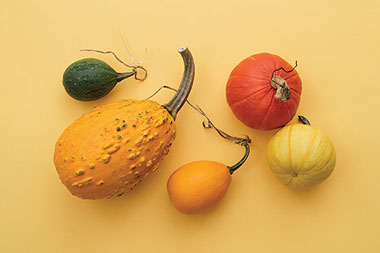
    Variety of winter squash.

    In the cooler months, winter squash is ripe and begins to appear at farmers’ markets and stores everywhere. These delicious vegetables come in a wide variety of colors, flavors, and textures. They provide a wealth of nutrients.

    Types of winter squash

    Compared to thin-skinned, tender summer squash, winter squash take longer to mature and develop thick skins that allow for longer storage. Each variety has a unique flavor. Try:

    *  Acorn

    *  Butternut

    *  Spaghetti

    *  Delicata

    *  Hubbard

    *  Pumpkin

    Health benefits

    *  High in fiber

    *  Excellent source of vitamins A and C

    *  Full of antioxidants and anti-inflammatory nutrients

    *  It may reduce the risk of heart disease, cancer, diabetes, and other chronic diseases.

    Preparing & cooking

    To bake:Cut squash in half and place both halves face down (or face up for some recipes) on a baking tray. Add a small amount of water to the tray and bake at 350º for 35-60 minutes.

    To boil or steam:Use a knife to carefully peel the outer skin. Cut squash in half and remove seeds. Cut into even cubes. Boil or steam for 7 to 10 minutes until desired softness is reached.

    © American Institute for Preventive Medicine

  • Enjoy Thanksgiving Without Weight Gain

    HEALTHY EATING

    Family and friends sitting around the table having dinner.

    Most of us think of Thanksgiving as a huge meal where we enjoy our favorite foods. But you don’t have to feel guilty afterward. You can truly enjoy your holiday meal and hang on to your healthy habits.

    Don’t “save your appetite”

    Many people think that they should skip breakfast and lunch so they can be extra hungry for Thanksgiving dinner. This usually leads to extreme hunger and  overeating. In fact, you’ll probably eat much more than you would have done if you had eaten lunch!

    Instead of skipping meals, focus on eating very healthy meals early in the day to avoid feeling too hungry. This helps you make smart choices and control portion sizes when you show up for dinner.

    Enjoy every bite

    Start with smaller portions, and eat slowly while smelling and tasting each bite. We often overeat when we gobble food down quickly. We don’t truly enjoy it and experience how delicious it is. You can get just as much satisfaction and enjoyment from eating smaller portions.

    Small, slow and steady is key

    The appearance of food makes a difference in how much we eat. If you use a big plate, you may be more tempted to fill it up and eat more. It helps to start with a smaller plate.

    Put down your fork and wait a few minutes before getting second helpings. Give your stomach time to tell your brain that it’s full. You may find that you don’t need more food after all.

    Focus on colorful fruits and vegetables

    The fall harvest can be a great way to enjoy the season. Make your dish “to pass” a healthy plate of winter squash or baked apples (without added sugar). Or try roasted broccoli or cauliflower.

    If you’re hosting the meal, make sure you have lots of vegetables and fruits on the menu. For example, appetizers can be cut-up veggies, rather than chips.

    Don’t put healthy habits on “hold”

    The holidays are busy, but a 15-minute walk will help lower stress levels and burn a few calories. Keep exercise and healthy habits in mind, even if you decide to indulge in a few treats.

    Remember that one holiday slip-up doesn’t mean you have to give up your healthy eating or exercise plan! Get back on track tomorrow.

    Sources: Academy of Nutrition and Dietetics, American Heart Association

    © American Institute for Preventive Medicine

  • Encourage Exercise In Others

    BE FIT

    Image of man and women doing pushups.

    Sticking to an exercise routine can be hard. But sometimes getting support from another person can help you get started. If you’ve been able to work out regularly, you can help a loved one do the same. Be a positive force in their life by supporting them, not forcing them. Try these strategies that can encourage them without pressure.

    *  Make it doable. Don’t suggest signing up for difficult classes or workouts right away. A walk in the evening or doing push-ups while watching TV can be less overwhelming.

    *  Try something new. A new walking route, different stretches or a fun strength program may help them get motivated. Get away from the same old routine that may not have worked in the past.

    *  Let them pick. See if they are interested in any local exercise classes or programs – and go with them.

    *  Plan a meetup time. Many people find exercising right after work is helpful. This may be easier than trying to go back out after you’ve come home to relax. Some people are able to stick to a lunchtime walk if they work in the same place.

    *  Be consistent. Try to make your exercise routine a regular part of your week. For instance, two times each week is a doable but consistent way to start.

    *  Be an early riser. If the person lives with you, see if you both can get up 30 minutes earlier for a walk first thing in the morning.

    *  Ditch the car when you can. If the store or coffee shop is close by, you can walk or bike there together.

    *  See things from their point of view. It’s hard to get started with exercise. Try to understand how challenging it can be. Ask them how you can best support them.

    A positive mindset

    When it comes to exercise, the mind is as important as the body. When starting a new healthy habit or helping someone else, remember to:

    *  Celebrate small efforts. Be happy about seeing an improvement – no matter how small – in strength or fitness level.

    *  Don’t let setbacks take over. If you miss a week or even two, get back to it. Tell the person you’re not giving up, and help them try again.

    Remember that every little bit of exercise is a step in the right direction!

    Source: U.S. Department of Health and Human Services

    © American Institute for Preventive Medicine

  • Email – Use It Wisely

    WORK LIFE

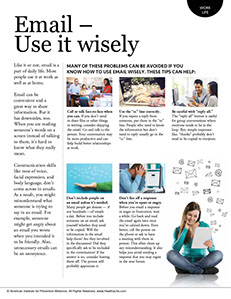
    Hands typing on keyboard of laptop with mail concept icons floating.

    Like it or not, email is a part of daily life. Most people use it at work as well as at home.

    Email can be convenient and a great way to share information. But it has downsides, too. When you are reading someone’s words on a screen instead of talking to them, it’s hard to know what they really mean.

    Communication skills like tone of voice, facial expression, and body language, don’t come across in emails. As a result, you might misunderstand what someone is trying to say in an email. For example, someone might get angry about an email you wrote when you intended it to be friendly. Also, unnecessary emails can be an annoyance.

    Many of these problems can be avoided if you know how to use email wisely. These tips can help:

    *Call or talk face-to-face when you can.If you don’t need to share files or other things in writing, consider skipping the email. Go and talk to the person. Your conversation may be more productive and can help build better relationships at work.

    *Use the “cc” line correctly.If you expect a reply from someone, put them in the “to” line. People who need to know the information but don’t need to reply usually go in the “cc” line.

    *Be careful with “reply all.”The “reply all” button is useful for group conversations where everyone needs to be in the loop. But, simple responses like, “thanks” probably don’t need to be copied to everyone.

    *Don’t include people on an email unless it’s needed.Many people get dozens – if not hundreds -of emails a day. Before you include someone on an email, ask yourself whether they need to be copied. Will the information in the email help them? Are they involved in the discussion? Did they specifically ask to be included in the conversation? If the answer is no, consider leaving them off. The person will probably appreciate it.

    *Don’t fire off a response when you’re upset or angry.Before you email a response in anger or frustration, wait a while. Go back and read the email again later once you’ve calmed down. Even better, call the person on the phone or ask to have a meeting with them in person. This often clears up any misunderstanding. It also helps you avoid sending a response that you may regret in the near future.

    © American Institute for Preventive Medicine

  • Eating To Enhance Gut Health

    HEALTHY EATING

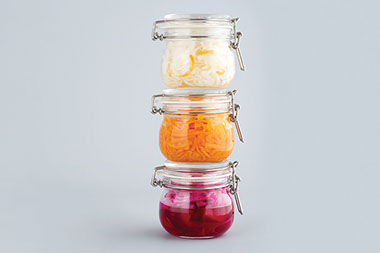
    Three stacked jars with picked carrots, beets and onion.

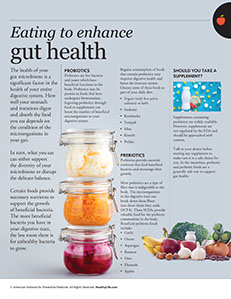
    The health of your gut microbiome is a significant factor in the health of your entire digestive system. How well your stomach and intestines digest and absorb the food you eat depends on the condition of the microorganisms in your gut.

    In turn, what you eat can either support the diversity of your microbiome or disrupt the delicate balance.

    Certain foods provide necessary nutrients to support the growth of beneficial bacteria. The more beneficial bacteria you have in your digestive tract, the less room there is for unhealthy bacteria to grow.

    Probiotics

    Probiotics are live bacteria and yeasts which have beneficial functions in the body. Probiotics may be present in foods that have undergone fermentation. Ingesting probiotics through food or supplements can boost the number of beneficial microorganisms in your digestive system.

    Regular consumption of foods that contain probiotics may improve digestive health and boost the immune system. Choose some of these foods as part of your daily diet:

    *  Yogurt (with live active cultures) or kefir

    *  Saukraut

    *  Kombucha

    *  Tempah

    *  Miso

    *  Kimchi

    *  Pickles

    Prebiotics

    Prebiotics provide essential nutrients that feed beneficial bacteria and encourage their growth.

    Most prebiotics are a type of fiber that is indigestible to the body. The microorganisms in the digestive tract can break down these fibers into short-chain fatty acids (SCFA). These SCFAs provide valuable food for the probiotic communities in the body. Beneficial prebiotic foods include:

    *  Garlic

    *  Onion

    *  Asparagus

    *  Bananas

    *  Oats

    *  Flaxseeds

    *  Apples

    Should you take a supplement?

    Supplements containing probiotics are widely available. However, supplements are not regulated by the FDA and should be approached with caution.

    Talk to your doctor before starting any supplement to make sure it is a safe choice for you. In the meantime, probiotic and prebiotic foods are a generally safe way to support gut health.

    © American Institute for Preventive Medicine

  • Eating Right With Gout

    SELF-CARE CORNER

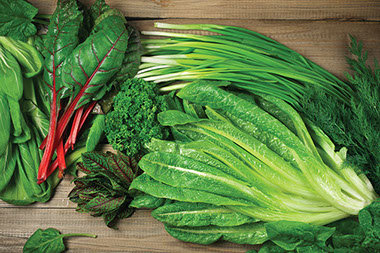
    Variety of leaft greens.

    Gout is a type of arthritis. It can develop if a person has high levels of a substance called uric acid in their blood. Uric acid can form sharp crystals in the joints. This can cause severe pain, redness, warmth and swelling. Gout often affects the big toe, but it can affect other joints.

    Sometimes gout doesn’t cause any pain for a while. Then, a person may get severe pain in the affected joint. This is called a gout attack. When a gout attack happens, uric acid levels go up or the crystals in the joint cause irritation. A gout attack is very painful.

    In addition to pain, gout can cause heart problems. People who have gout may be more likely to have heart failure, a heart attack or stroke. Eating certain foods can help keep uric acid levels low. This can help a person prevent gout attacks.

    What to eat with gout

    If you have gout, you may want to eat more of the following foods:

    *  Leafy green vegetables

    *  Other green vegetables like green beans and peas

    *  Legumes like beans and lentils

    *  Tofu

    *  Low-fat or fat-free milk and dairy products

    *  Whole grain breads and cereals

    *  Vegetable oils like olive oil

    *  Coffee (if you already drink it)

    *  Citrus fruits like grapefruit and oranges

    *  Pineapple

    *  Strawberries

    *  Cherries

    In addition, drink at least eight glasses of water a day.

    Skip these foods & drinks

    Certain foods and beverages can trigger gout attacks. Avoid the following:

    *  Beer (alcoholic and  non-alcoholic)

    *  Alcoholic drinks

    *  Soda, fruit juice, and foods with high-fructose corn syrup

    *  Organ meats like liver and sweetbreads

    *  Cold water fish like tuna, salmon and trout

    *  Shellfish like mussels, scallops, squid, shrimp, oysters, crab and lobster

    Eating a healthy diet is a great way to manage gout and help avoid attacks. It also helps to get regular exercise. Be sure to see your doctor as recommended. Your doctor may prescribe gout medication if needed and will discuss your heart disease risk.

    Sources: American Heart Association, Arthritis Foundation

    © American Institute for Preventive Medicine

  • Eat Your Vitamins For Good Health

    HEALTHY EATING

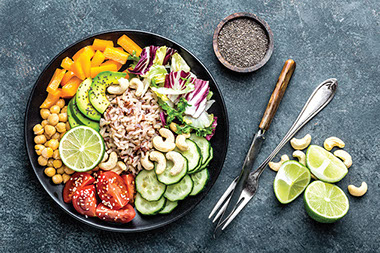
    Bowl of vegetables with rice and chickpeas.

    Vitamins play a powerful role in supporting the immune system. These three vitamins are some of the best for immune system support:

    *  Vitamin D: Eat foods like fortified milk, cereal and fatty fish, like salmon. Spend 15 minutes a day in the sun to get a good dose of vitamin D. Or take a daily 1,000-4,000 IU supplement.

    *  Vitamin C: Eat citrus fruits, tomatoes, potatoes, strawberries, peppers, broccoli, Brussels sprouts and kiwifruit.

    *  Zinc: Eat red meat, poultry, fortified cereal, whole grains, beans and nuts.

    Dietary supplements can also be a good option, but be sure you talk to your doctor first. Dietary supplements can cause undesirable side effects, especially if taken with other medications or if taken in large doses.

    © American Institute for Preventive Medicine

  • Eat Your Greens

    HEALTHY EATING

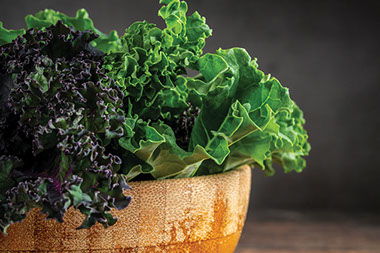
    Variety of greens.

    Spring is fresh greens season. Lettuce, kale, arugula, swiss chard, and spinach are among the first fruits of the garden due to their cold tolerance and rapid growth.

    While they are easy to grow, their delicate leaves and short shelf life mean they won’t last long in your fridge. How you clean and store them will determine whether you get a crisp salad or a bitter bite.

    When properly handled and prepared, spring greens are a healthy source of vitamins A and K, plus calcium, potassium, and a wealth of phytochemicals.

    Here is what you need to know to get the most out of your spring greens:

    Plan to eat the greens within a day or two:

    *  Separate the leaves and soak them in an ice-water bath once you get them home. The ice-cold water will keep them crisp and help prevent nutrient loss.

    *  Pat the leaves dry or spin in a salad spinner to remove excess moisture.

    *  Store clean, dry greens in a sealed container or bag.

    *  Eat within a few days.

    Plan to hold the greens for several days before eating:

    *  Wait to wash them until you are ready to eat them.

    *  Rinse with water, or soak in an ice water bath to refresh the leaves.

    *  Pat dry or spin in a salad spinner to remove excess moisture.

    *  Gently tear leaves into bite-sized pieces and use immediately.

    © American Institute for Preventive Medicine