Blog

  • Relaxation Reflex 2

    Healthylife® QuitWell™

    Part 4

    Image of several people doing yoga.

    This skill involves relaxing 4 basic muscle groups. Tightening and releasing the muscles produces a soothing effect which helps you relax. Taking slow deep breaths and dropping the head and shoulders forward add to the effect.

    Practice every day for about 5-10 minutes. Divide the body into 4 muscle groups. Tense each group for 5-10 seconds, then release.

    *Arms and Hands– Lift arms, bend wrists and elbows, make fists, tighten upper arms.

    *Face and Neck– Squinch eyes, nose, cheeks, and brows, stretch mouth and grit teeth, point chin down toward chest.

    *Middle Torso– Push shoulders back, tighten stomach and small of back.

    *Legs and Feet– Lift legs off floor, hold straight out, point toes toward face, tighten thighs.

    When I will try this?

    (After) How did your body feel after this activity?

    (After) How did your stress level change after this activity?

    Practice this strategy regularly. It may not help you the first time you try it, but the next time it might. As you get better at it, it may become even more helpful to you.

    © American Institute for Preventive Medicine

  • Relapse Rehearsal

    Healthylife® QuitWell™

    Part 5

    Image of gears with 'Relapse' and 'Recovery' imprinted.

    Choose three events from that could cause you to return to your old habit. Choose situations that you are almost sure you will come across after you have quit. Think about your plan for these times. These plans can include thoughts and actions. They may include someone else’s help. Use the tools learned in this program to write a short plan.

    Event:

    Response Plan:

    Event:

    Response Plan:

    Event:

    Response Plan:

    You may need to update your plan or improve it over time, after you have gone through the situation.

    © American Institute for Preventive Medicine

  • Reflect On Your Past Change Attempts

    Healthylife® QuitWell™

    Part 2

    Profile image of man, sitting thinking.

    This may be your first time thinking about quitting or trying to quit. If you are like many, though, this is not your first rodeo. Think about the times you thought about quitting in the past.

    If you have never tried to quit before, think about another major change you have made in the past. It doesn’t have to be health-related. The point is to identify strengths from your experience-and see what tripped you up.

    *  What motivated you then? How important was it for you to change?

    *  How did you try to make this change?

    *  What went well? What did not go well?

    *  What will you do the same this time?

    *  What will you do differently this time?

    With your experiences, you probably have ideas of what might work for you. Use the strategies in this guide to build on what you already know helps you succeed.

    © American Institute for Preventive Medicine

  • Recovery Signals

    Healthylife® QuitWell™

    Part 4

    Image of a couple dining out.

    Quitting may cause certain changes in your body due to the withdrawal of the many toxins found in tobacco. Some of these changes you may enjoy-food tastes and smells better. Some changes may be a little unpleasant. Everyone will have a different reaction. However, most people will only have a few signals, and these usually last less than a week.

    Some of these signals, of course, may be related to a health issue or illness. If you are concerned about how long a recovery signal is lasting or it feels more serious, contact your physician right away. You may be feeling that way because of something other than quitting.

    Increased Hunger

    The taste buds in the mouth become more keen when you quit and food tastes better.  You may find yourself eating more, which could add up to weight gain. Be mindful to increase physical activity, avoid emotional eating, and avoid snacks high in sugar and saturated fat. Choose crunchy vegetables or a high-protein snack instead.

    Irritability and anxiety

    Studies offer two reasons for this signal:

    1. Smoking, chewing, and other tobacco behaviors serve as a mild calming agent for some. Take it away and the body is very tense until it adjusts.

    2. Your whole life has been disrupted by quitting. Try a relaxation tool, take a hot shower, or call a close friend.

    Coughing

    The hair-like fibers (cilia) that line the bronchial tubes are starting to work to get rid of the mucus that tobacco produced. As the mucus loosens, you cough.

    Sweating

    One way the toxins leave the body is through the skin’s pores. This may show up as sweat. If this affects you, it should only last 3 to 4 days.

    Frequent Urination

    This may happen because of the extra liquids you’re drinking.

    Constipation

    The toxins in tobacco cause the release of the hormone adrenaline. For some, this helps in moving the bowels, so not smoking can lead to constipation. Eat high fiber foods, fruits, vegetables, bran, and whole grains. Drink plenty of water as well.

    Loss of Sleep

    Quitting may cause you to be restless at night. Increase your daytime activity to make you feel more tired. Try drinking a warm glass of milk before bed.

    Sleepiness

    For many people, tobacco provides a “lift.” Take that away and you feel more sleepy. Try to get as much sleep as you need.

    Dizziness

    With carbon monoxide no longer in the blood and the bronchial tubes clearing up, more oxygen may be entering the body. The result could be dizziness. Sit down and rest until it passes.

    Mouth Sores or Bad Taste

    Sores or bad tastes in the mouth may be due to the body chemicals that used to counteract the effects of the toxins in tobacco. Use an oral pain reliever for sores or see a doctor or dentist. Use mouthwash or breath mints for a fresher taste.

    Lack of Focus

    Turning your life around by quitting may make it harder for you to focus. A short walk is helpful.

    Dreaming of Using Tobacco

    Many people find they dream about using as they are trying to quit.

    Sense of Loss

    Quitting an activity that has been a major part of your life can make you feel very sad. There may be a feeling of missing something. This sense of loss will pass with time.

    Headache

    Your blood vessels open up due to withdrawal from nicotine. This could produce headaches during the first few days of quitting. Deep natural breathing, getting fresh air, and making sure you are eating healthy foods regularly can help.

    Notice the unpleasant recovery symptoms-and make sure they are going away over time (otherwise, see a doctor). Try not to focus on the unpleasant recovery symptoms. You might overlook the good recovery signals that are taking place. Blame all the unpleasant changes on tobacco/nicotine. Focus on the good changes that have happened because you no longer use this addictive, body-damaging product. Keep in mind, no one ever died from quitting.

    *  If you have quit, which of these recovery signals have you noticed so far? Have they started to go away yet?

    *  If you are still thinking about quitting, imagine welcoming these changes as a sign that positive changes are happening in your body.

    *  If you are cutting back (but haven’t quit yet), do you have any of these recovery signals already? While there is no healthy level of tobacco use, your body may begin to heal as you get close to quitting completely.

    © American Institute for Preventive Medicine

  • I’M Ready To Plan To Quit

    Healthylife® QuitWell™

    Part 1

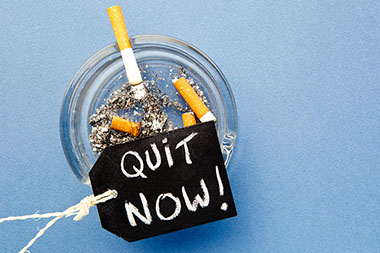
    Image of quit now tag cigarettes in ashtray.

    Planning can help you feel more ready for this big change and help you navigate life changes.

    What has helped you move from ‘maybe’ to ‘being ready’ to make a plan? Has anything changed in your life? In your mind?

    Part of your plan should be to work through each section of this book. While it may feel like thinking about your motivation and support team is not the exciting “action” you are looking for, these steps will help the action phase work much better for you.

    Our goal is to help you feel confident and prepared. It can be easy to get discouraged if you stumble early on. Making a plan and thinking through the problems that may come up can help you avoid stumbling or help you get up more quickly if you do.

    On a scale of 1 to 10, how confident are you that you will be successful with quitting?

    What do you think is going to help you be successful?

    This program is full of tools that will help you get there! Keep an eye out for small wins you can achieve from the beginning. These will help keep you motivated.

    © American Institute for Preventive Medicine

  • Practice Relaxation Techniques 2

    Healthylife® QuitWell™

    Part 4

    Image of man relaxing while reading a book.

    Use relaxation techniques to manage daily stressors.

    Plan Relaxation Time

    Plan time during the day to relax. You can also do relaxation exercises as needed during the day. Practice these techniques before, during, or after trigger activities (like eating or talking on the phone).

    Relaxation techniques can help reduce stress-related health problems, such as high blood pressure, headaches, and pain. These tools also help you to have greater physical and mental control. This helps you get through times when you may have had a cigarette or other form of tobacco/nicotine in the past.

    How the mind can control the body:

    *  It can slow brain wave patterns.

    *  It can reduce heart and breathing rates.

    *  It can increase blood flow to the limbs.

    *  It can relax muscles.

    Think about the rest of today. When can you spend 10 minutes relaxing? Here are a few ideas of times you can practice relaxation:

    *  Break times when you would usually be on your phone, checking apps or scrolling mindlessly

    *  While drinking your morning coffee

    *  Winding down for bed in the evening

    *  Walking the dog or playing with your pet

    © American Institute for Preventive Medicine

  • Practice Change

    Healthylife® QuitWell™

    Part 4

    Image of hand refusing a cigarette.

    There are many ways to practice quitting before getting all the way there. You can improve your health even before you feel “all in”.

    *  Leave your pack, can, or vape pen home when you go out for short errands. Try leaving products home when you go to work one day.

    *  If you are a smoker, put a certain number of cigarettes in a pack for the day. Try to put one or two less in the pack than you’d normally smoke. If you usually smoke a full pack, take a few out at the beginning of the day so “finishing the pack” means smoking 18 instead of 20 cigarettes. After a few days, cut out one or two more.

    *  Put your cigarettes, can, or vape pen out of reach in your car. Maybe keep them in the trunk of your car, or in the backseat. When you want to have one, you will need to pull over to the side of the road to safely get it. When you do, just take one. This makes your habit a lot less convenient. Practice working through an urge while you are deciding if you want to pull over or keep going.

    What are some other ways you can practice change?

    © American Institute for Preventive Medicine

  • Positive Reinforcement

    Healthylife® QuitWell™

    Part 4

    Image of money in a jar.

    Anytime you are given a reward for something you do, chances are you will do it again. For example: If a person popped out and handed you a $100 bill each time you walked around the block, you would take a lot of walks.

    The more rewards you get for quitting (from yourself and others), the more likely you will be successful.

    Ciggy Bank

    Take a jar and place it next to your “Butt Bottle.” Each day put the amount of money you would have used to buy tobacco in the jar. Write a reward you might buy with the money. Past QuitWell™ participants have taken vacations with their family, bought tickets to sporting events and concerts, and even bought a boat with the savings from quitting.

    The Little Things

    Give yourself a reward each day that you are successful. Choose things and activities that bring you joy. They don’t have to cost money.

    *  Buy or pick flowers

    *  Picnic in the park

    *  Call an old friend

    *  Take your car to the carwash

    *  Rent or stream a movie

    © American Institute for Preventive Medicine

  • Plan Problem-Solving 2

    Healthylife® QuitWell™

    Part 2

    Image of smiling women at desk.

    Your worries and concerns take up time in your day. Many issues cannot simply be ignored or brushed aside. To avoid letting these thoughts trigger smoking or chewing habits, plan time to address them.

    Steps to Address Your Worries

    1. Write a worry at the top of a piece of paper. It may seem old-fashioned to write this down on paper, when so much is done on the computer or a smartphone. However, writing things down can be powerful.

    2. Divide the paper into three columns:

    a. What I can’t do. Recognize what is out of your control.

    b. What I can do. List possible actions that are within your control. Write things you know how to do and that are realistic actions for you to take.

    c. What I will do and when. Decide which action you are ready to take first. This action may not solve every part of the problem, but it is a small step toward a solution. Write when you will do this.

    3. After you have taken an action towards a solution, repeat this process the next day or when you are ready to take another step.

    © American Institute for Preventive Medicine

  • Maintaining Your Course

    Healthylife® QuitWell™

    Part 6

    Variety of ice cream cones.

    This section will help you stay quit. If you haven’t quit yet, you can still read through this part. Continue to use the tools and thought guides in Parts 1-5 of this guide to get to your first tobacco/nicotine-free day.  If you are practicing quitting, read ahead to help you get through your practice days. Practice days can turn into weeks!

    Once you have quit, your task will be staying quit. You can expect future urges to be shorter and milder. They will happen, so get ready for them.

    This section will help you stay on course.

    There are 14 maintenance messages that follow, one a day for two weeks. Read only one message per day. You can read your daily message any time-first thing in the morning, on a break, last thing at night, or with the first urge of the day (if you have one).

    HealthyLife® QuitWell™

    QUICK LINKS: PART 6

    Day 1: Mirror Talk

    Day 2: Unscramble Slowly

    Day 3: Note Positive Changes & Celebrate Success

    Day 4: One Day at a Time

    Day 5: Stay Accountable

    Day 6: Embrace the Ripple Effect

    Day 7: Post-Quitting Depression

    Day 8: Shake a Stale Feeling

    Day 9: Banish the Bully in Your Head

    Day 10: Put Off Starting Again

    Day 11: Do Things a Different Way

    Day 12: Now Awareness

    Day 13: Cautious Optimism

    Day 14: A Day to Remember

    Tobacco Scorecard & Action Planning

    © American Institute for Preventive Medicine