Blog

  • Eat Soup To Satisfy

    HEALTHY EATING

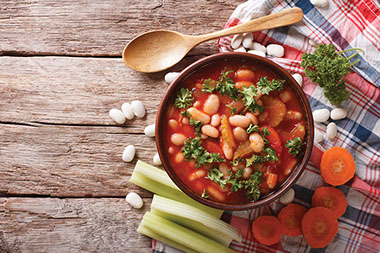
    A bowl of soup.

    Healthy foods like vegetables and fruits have lots of nutrients and fewer calories. Eating a diet with plenty of vegetables and fruit can help you lose weight.

    Soup is a comforting way to enjoy vegetables (and sometimes fruit) of the season. It’s warm, easy to eat and may help you fill up. In fact, some evidence suggests that eating soup before a meal can help you eat less.

    You’ll need to make sure your soup is lower in calories if you want to lose weight. It helps to use lots of vegetables and some fruits, and avoid high-calorie ingredients like cream and sugar.

    © American Institute for Preventive Medicine

  • Easy Food Swaps For A Healthy Heart

    HEALTHY EATING

    Image of a healthy vegetable wrap.

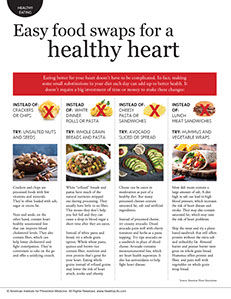
    Eating better for your heart doesn’t have to be complicated. In fact, making some small substitutions in your diet each day can add up to better health. It doesn’t require a big investment of time or money to make these changes:

    Instead of: Crackers or chips

    Try: Unsalted nuts and seeds

    Crackers and chips are processed foods with few vitamins and minerals. They’re often loaded with salt, sugar or excess fat.

    Nuts and seeds, on the other hand, contain heart healthy unsaturated fats that can improve blood cholesterol levels. They also contain fiber, which can help lower cholesterol and fight constipation. They’re convenient to take on the go and offer a satisfying crunch.

    Instead of:  White dinner rolls or pasta

    Try: Whole grain breads and pasta

    White “refined” breads and pastas have much of the natural nutrients stripped out during processing. They usually have little to no fiber. This means they don’t help you feel full and they can cause a drop in blood sugar a short time after they are eaten.

    Instead of white pasta and bread, try a whole grain option. Whole wheat pasta, quinoa and brown rice contain fiber, nutrients and even protein that’s great for your heart. Eating whole grains instead of refined grains may lower the risk of heart attack, stroke and obesity.

    Instead of: Cheesy pasta or sandwiches

    Try: Avocado sliced or spread

    Cheese can be eaten in moderation as part of a healthy diet. But many processed cheeses contain saturated fat, salt and artificial ingredients.

    Instead of processed cheese, try creamy avocado. Diced avocado pairs well with cherry tomatoes and herbs as a pasta topping. Try ripe avocado on a sandwich in place of sliced cheese. Avocado contains monounsaturated fats, which are heart health superstars. It also has antioxidants to help fight heart disease.

    Instead of:  Lunch meat sandwiches

    Try: Hummus and vegetable wraps

    Most deli meats contain a large amount of salt. A diet high in salt can lead to high blood pressure, which increases the risk of heart disease and stroke. They may also contain saturated fat, which may raise the risk of heart problems.

    Skip the meat and try a plant-based sandwich that still offers protein without the extra salt and unhealthy fat. Almond butter and peanut butter taste great on whole grain bread. Hummus offers protein and fiber, and pairs well with vegetables on whole grain wrap bread.

    Source: American Heart Association

    © American Institute for Preventive Medicine

  • E-Cigarettes: Are They Safer?

    MEDICAL NEWS

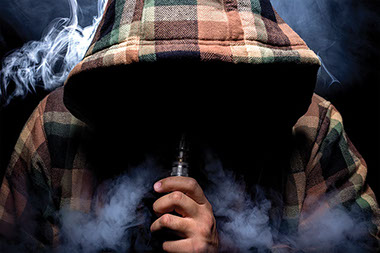
    Man with hoodie vaping.

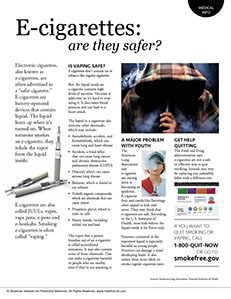
    Electronic cigarettes, also known as e-cigarettes, are often advertised as a “safer cigarette.” E-cigarettes are battery-operated devices that contain liquid. The liquid heats up when it’s turned on. When someone smokes an e-cigarette, they inhale the vapor from the liquid inside.

    E-cigarettes are also called JUULs, vapes, vape pens, e-pens and e-hookahs. Smoking e-cigarettes is often called “vaping.”

    Is vaping safe?

    E-cigarettes don’t contain tar or tobacco like regular cigarettes.

    But, the liquid inside an e-cigarette contains high levels of nicotine. Nicotine is addictive, so it’s hard to stop using it. It also raises blood pressure and can lead to a heart attack.

    The liquid in e-cigarettes also contains other chemicals, which may include:

    *  Acetaldehyde, acrolein, and formaldehyde, which can cause lung and heart disease

    *  Acrolein, a weed killer that can cause lung cancer and chronic obstructive pulmonary disease (COPD)

    *  Diacetyl, which can cause serious lung disease

    *  Benzene, which is found in car exhaust

    *  Volatile organic compounds, which are chemicals that can cause cancer

    *  Propylene glycol, which is toxic to cells

    *  Heavy metals, including nickel, tin and lead

    The vapor that a person breathes out of an e-cigarette is called secondhand emissions. It may also contain some of these chemicals. This can make e-cigarettes harmful to people who are nearby, even if they’re not smoking it.

    A major problem with youth

    The American Lung Association says e-cigarette use among teens is becoming an epidemic. E-cigarette fruit and candy-like flavorings often appeal to kids and teens. They may think that e-cigarettes are safe. According to the U.S. Institutes of Health, most kids believe the liquid inside is for flavor only.

    Nicotine contained in the vaporized liquid is especially harmful to young people. Nicotine can damage a teens’ developing brain. It also makes them more likely to smoke regular cigarettes later.

    Get help quitting

    The Food and Drug administration says e-cigarettes are not a safe or effective way to quit smoking. Instead, you may be replacing one unhealthy habit with a different one.

    If you want to quit smoking or vaping, call 1-800-QUIT-NOW or go tosmokefree.gov

    Sources: American Lung Association, National Institutes of Health
    © American Institute for Preventive Medicine

  • Drowsy Driving: Know The Signs

    WELL-BEING

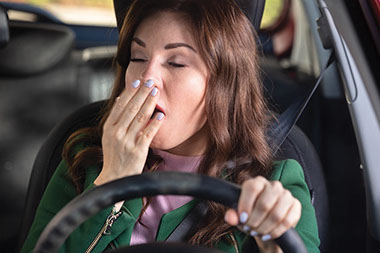
    Women yawning while driving.

    Drowsy driving is the combination of driving a vehicle and being overly tired. It might happen if you didn’t sleep well the night before. It can also happen if you take medicines that make you tired. Sometimes people who work long shifts or the night shift are drowsy when they drive home from work.

    What’s the big deal?

    Experts believe drowsy driving causes tens of thousands of car crashes each year.

    Driving when you’re drowsy is a lot like driving drunk. Drowsy driving can:

    *  Make you less aware and less attentive

    *  Slow down your reaction time

    *  Make it hard for you to make decisions while you’re  on the road

    How do I know if I’m drowsy?

    Signs of being too tired to drive include:

    *  Yawning or blinking a lot

    *  Not being able to remember some of your trip

    *  Missing your turn or exit

    *  Drifting out of your lane or off the road

    *  Hitting rumble strips

    What to do

    If you think you’re driving while drowsy, pull over in a safe place. If you can, get some coffee or a caffeinated drink. Then lock the doors and take a 15- to 20-minute nap in your vehicle. The caffeine and nap combination may help you be more alert.

    Opening the windows and loud music don’t help you stay awake. When your body needs sleep, it will do almost anything to get it.

    Prevent drowsy driving

    The best way to prevent crashes from drowsy driving is to:

    1. Get enough sleep. If you can’t get the sleep you need, have someone else drive you to your destination.

    2. See your doctor if you think you might have a sleep disorder.

    3. Never drink alcohol before driving.

    4. Never take medicines that make you drowsy before driving.

    Sources: Centers for Disease Control and Prevention, National Sleep Foundation

    © American Institute for Preventive Medicine

  • Don’t Let Fomo Hold You Hostage

    SUCCESS OVER STRESS

    Man on phone late into the night.

    Social media has many potential benefits. It can foster connection, share information, and build social networks. However, the WAY you use social media can determine if it has a good or bad influence on you.

    If you feel that you are spending too much time on social media or that your time on social media leaves you feeling unhappy or anxious, this could be a sign that you are experiencing FOMO.

    What is FOMO?

    FOMO, or fear of missing out, is a common negative side effect of too much social media. FOMO occurs when you consciously or unconsciously worry things are happening on social media that you will miss if you are absent.

    This fear of missing out can lead you to spend too much time on social media. You might check it frequently throughout the day and think about what might be happening when you are not present.

    The problem with FOMO

    The truth is, FOMO doesn’t make you feel good. It may create a state of anxiety where you are constantly distracted. You are always wondering what new information might be available on social media.

    If you experience a compulsive need to check your social media accounts multiple times a day, it may interfere with other aspects of your life.

    Other side effects may include:

    *  Trouble sleeping

    *  Emotional tension

    *  A decline in physical  well-being

    *  Difficulty with emotional control

    Ways to manage

    Be honest with yourself. Pay close attention when you are tempted to reach for your device to log on and scroll. Ask yourself some questions:

    *  Why do I need to get on at this moment?

    *  How many times a day am I checking?

    *  What do I feel like when I engage on social media?

    Set limits.It’s easy to fall into the rhythm of checking your social media accounts any time you have a free moment. Instead, plan specific times of the day to check in. Once in the morning and once in the evening might be enough to get the benefits social media can provide without letting it take over too much.

    Turn off notifications.Once you set a limit on how often you check in, turn off social media’s power to trigger your FOMO. All the information will be there waiting when you do log in.

    Choose one social media platform.As you re-evaluate your social media use, you may find you really aren’t missing out on much. In fact, narrowing down your social media to just one account could help you feel free and less worried about what you might miss.

    © American Institute for Preventive Medicine

  • Don’t Get Scammed

    FINANCIAL HEALTH

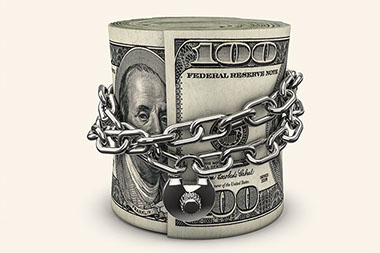
    Money locked in chains.

    Banks, government and companies will not ask you to pay a bill on the phone. Don’t send money or give out personal information over the phone or by text.

    Scammers can put up fake caller ID information. It may look like it’s from someone you know when it’s not. Don’t believe caller ID.

    These methods of payment don’t provide fraud protection. Real companies won’t ask you to do this. Know the risks of wiring money and gift cards.

    © American Institute for Preventive Medicine

  • Don’t Be A Distracted Walker

    BE FIT

    Women walking and talking on the phone.

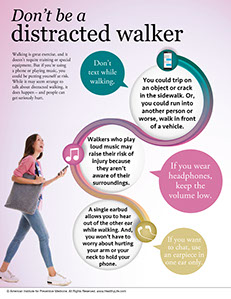
    Walking is great exercise, and it doesn’t require training or special equipment. But if you’re using a phone or playing music, you could be putting yourself at risk. While it may seem strange to talk about distracted walking, it does happen – and people can get seriously hurt.

    Don’t text while walking.

    You could trip on an object or crack in the sidewalk. Or, you could run into another person or worse, walk in front of a vehicle.

    If you wear headphones, keep the volume low.

    Walkers who play loud music may raise their risk of injury because they aren’t aware of their surroundings.

    If you want to chat, use an earpiece in one ear only.

    A single earbud allows you to hear out of the other ear while walking. And, you won’t have to worry about hurting your arm or your neck to hold your phone.

    © American Institute for Preventive Medicine

  • Does Tea Make You Healthier?

    HEALTHY EATING

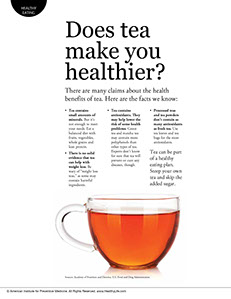
    A cup of tea.

    There are many claims about the health benefits of tea. Here are the facts we know:

    *  Tea contains small amounts of minerals. But it’s not enough to meet your needs. Eat a balanced diet with fruits, vegetables, whole grains and lean protein.

    *  There is no solid evidence that tea can help with weight loss. Be wary of “weight loss teas,” as some may contain harmful ingredients.

    *  Tea contains antioxidants. They may help lower the risk of some health problems. Green tea and matcha tea may contain more polyphenols than other types of tea. Experts don’t know for sure that tea will prevent or cure any diseases, though.

    *  Processed teas and tea powders don’t contain as many antioxidants as fresh tea. Use tea leaves and tea bags for the most antioxidants.

    Tea can be part of a healthy eating plan. Steep your own tea and skip the added sugar.

    Sources: Academy of Nutrition and Dietetics, U.S. Food and Drug Administration

    © American Institute for Preventive Medicine

  • Do You Live With A Sleepwalker?

    SELF-CARE CORNER

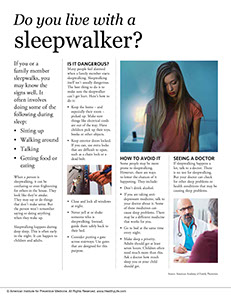
    Young women sleepwalking.

    If you or a family member sleepwalks, you may know the signs well. It often involves doing some of the following during sleep:

    *  Sitting up

    *  Walking around

    *  Talking

    *  Getting food or eating

    When a person is sleepwalking, it can be confusing or even frightening for others in the house. They look like they’re awake. They may say or do things that don’t make sense. But the person won’t remember saying or doing anything when they wake up.

    Sleepwalking happens during deep sleep. This is often early in the night. It can happen to children and adults.

    Is it dangerous?

    Many people feel alarmed when a family member starts sleepwalking. Sleepwalking itself isn’t usually dangerous. The best thing to do is to make sure the sleepwalker can’t get hurt. Here’s how to do it:

    *  Keep the home – and especially their room – picked up. Make sure things like electrical cords are out of the way. Have children pick up their toys, books or other objects.

    *  Keep exterior doors locked. If you can, use extra locks that are difficult to open, such as a chain lock or a dead bolt.

    *  Close and lock all windows at night.

    *  Never yell at or shake someone who is sleepwalking. Instead, guide them safely back to their bed.

    *  Consider putting a gate across stairways. Use gates that are designed for this purpose.

    How to avoid it

    Some people may be more prone to sleepwalking. However, there are ways to lower the chances of it happening. They include:

    *  Don’t drink alcohol.

    *  If you are taking anti-depressant medicine, talk to your doctor about it. Some of these medicines can cause sleep problems. There may be a different medicine that works for you.

    *  Go to bed at the same time every night.

    *  Make sleep a priority. Adults should get at least seven hours. Children often need much more than this. Ask a doctor how much sleep you or your child should get.

    Seeing a doctor

    If sleepwalking happens a lot, talk to a doctor. There is no test for sleepwalking. But your doctor can check for other sleep problems or health conditions that may be causing sleep problems.

    Source: American Academy of Family Physicians

    © American Institute for Preventive Medicine

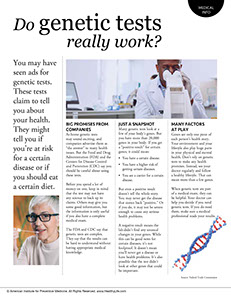
  • Do Genetic Tests Really Work?

    MEDICAL NEWS

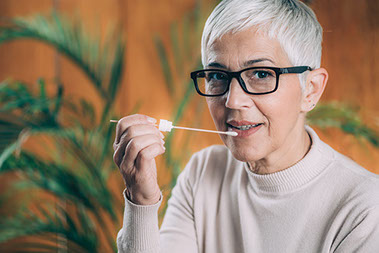
    Women holding a swab near her mouth.

    You may have seen ads for genetic tests. These tests claim to tell you about your health. They might tell you if you’re at risk for a certain disease or if you should eat a certain diet.

    Big promises from companies

    At-home genetic tests may sound exciting, and companies advertise them as “the answer” to many health issues. But the Food and Drug Administration (FDA) and the Centers for Disease Control and Prevention (CDC) say you should be careful about using these tests.

    Before you spend a lot of money on one, keep in mind that the test may not have any science to back up its claims. Others may give you some good information, but the information is only useful if you also have a complete medical exam.

    The FDA and CDC say that genetic tests are complex. They say that the results can be hard to understand without having appropriate medical knowledge.

    Just a snapshot

    Many genetic tests look at a few of your body’s genes. But you have more than 20,000 genes in your body. If you get a “positive result” for certain genes, it could mean:

    *  You have a certain disease.

    *  You have a higher risk of getting certain diseases.

    *  You are a carrier for a certain disease.

    But even a positive result doesn’t tell the whole story. You may never get the disease that comes back “positive.” Or if you do, it may not be severe enough to cause any serious health problems.

    A negative result means the lab didn’t find any unusual changes in your genes. While this can be good news for certain diseases, it’s not foolproof. It doesn’t mean you’ll never get a disease or have health problems. It’s also possible that the test didn’t look at other genes that could be important.

    Many factors at play

    Genes are only one piece of each person’s health story. Your environment and your lifestyle also play huge parts in your physical and mental health. Don’t rely on genetic tests to make any health promises. Instead, see your doctor regularly and follow a healthy lifestyle. That can mean more than a few genes.

    When genetic tests are part of a medical exam, they can be helpful. Your doctor can help you decide if you need genetic tests. If you do need them, make sure a medical professional reads your results.

    Source: Federal Trade Commission

    © American Institute for Preventive Medicine