Blog

  • Do Detox Diets Work?

    HEALTHY EATING

    Two different detox drinks.

    Detox or cleansing diets are a popular way to make a change and cut calories quickly. But, do they really work?

    How do detox diets work?

    Detox diets use a variety of techniques in an attempt to “cleanse” the body. These include:

    *  Fasting

    *  Juicing

    *  Herbs

    *  Supplements

    *  Colon cleanses such as enemas or laxatives

    *  Saunas

    *  Food restrictions

    The idea is that these techniques cleanse and purify the body of toxins by encouraging increased elimination and digestive rest. Some diets even claim to remove toxins and metals from the bloodstream.

    Is there evidence detox diets work?

    Currently, there is no evidence that these methods to “detoxify” have any impact on human health. Your body already has ongoing processes to purify the blood and remove waste products. For example, your liver and digestive tract are two of the organ systems responsible for protecting you from harmful toxins.

    While some people report feeling better or losing weight on a detox diet, this effect may be the result of removing unhealthy foods from the diet and cutting back on calories. You could likely achieve the same results by eating a healthier, balanced diet in general.

    Are detox diets safe?

    Some of these diets can be unsafe and use false advertising to promote their claims. Many products used in detoxes or cleanses are unregulated by the FDA and could potentially cause harmful side effects.

    In addition, detox diets are often unbalanced, either by avoiding most foods or encouraging a high intake of specific foods or drinks. This could lead to problems with hydration or electrolyte balance, as well as cause digestive problems.

    Other things to consider include any health conditions or medications you currently take. You should talk to your doctor before trying any type of detoxing or cleansing.

    Are there alternatives to detoxing?

    If you are interested in cleaning up your diet but want to avoid the quick fixes promised by detox diets, there are other great options. Improving your health is a lifelong journey. Small changes over time can make a big difference.

    Consider these ideas:

    *  Cut out soda, juices, and other beverages, and let water be your drink of choice.

    *  Limit added sugars in your diet.

    *  Increase your intake of fruits and vegetables to at least 5 servings a day.

    *  Avoid late-night eating.

    *  Limit or remove alcohol from your diet.
    © American Institute for Preventive Medicine

  • Do Cell Phones Cause Cancer?

    WELL-BEING

    Women holding cell phone with head phones on.

    Many people have their phones in pockets or purses all the time.

    Is this safe?

    Cell phones and RF waves

    When they are turned on, cell phones give off radiofrequency (RF) waves. When a person holds a cell phone up to their ear, they are exposed to the RF waves from the phone.

    At very high levels, RF waves can cause heat. This is how microwave ovens heat food. But the energy given off by a cell phone isn’t enough to cause a person’s body to heat up.

    Most stuides say “NO”

    Studies on rats have found that exposing their entire bodies to RF waves for long periods of time may increase the risk of a certain type of tumor. The levels used in this study were much higher than what a person would experience from normal everyday cell phone use.

    Most studies on humans have found that people who have brain tumors do not use cell phones more than people who don’t have tumors. Other human studies have found that brain tumors don’t happen more on the side of the head where people hold their cell phones. Both results seem to suggest that cell phones do not cause brain tumors.

    But a few studies have found an increased tumor risk on the side of the head where a person usually holds their cell phone.

    Researchers believe we need more studies to find out for sure whether cell phones could be linked to cancer.

    What should I do?

    The American Cancer Society says RF waves are not as strong as different types of radiation like x-rays and UV light. X-rays and UV light can damage DNA. RF waves from cell phones are much weaker and don’t cause DNA damage. This means they would not make changes that could cause a tumor to form.

    But, if you want to avoid exposure to RF waves, you can:

    *  Keep your phone away from your body. Don’t keep it in your pocket when it’s turned on.

    *  Use the speaker function or an earpiece when talking on the phone.

    Source: American Cancer Society

    © American Institute for Preventive Medicine
  • Disinfecting Your Home Safely

    WELL-BEING

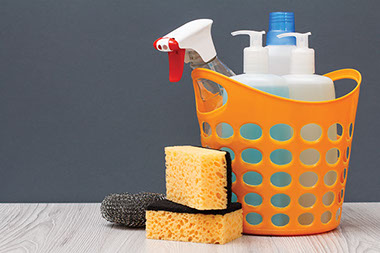
    Bucket with cleaning supplies.

    It’s a good idea to regularly disinfect surfaces in your home. This can help prevent you or others from getting sick. Here’s how to do it safely:

    *  Check that your disinfectant is EPA-approved. Look for an EPA registration number on the product.

    *  Read all the directions and warnings on the package.

    *  Use soap and water first if the surface is dirty. Then apply your disinfectant.

    *  Let it sit for the “contact time” listed on the package. Make sure the surface stays wet for the whole time.

    *  Wear disposable gloves when using disinfectants. Throw them away after each use.

    *  Wash your hands when you’re done.

    *  Keep all disinfectants out of reach of children and pets.

    Source: Environmental Protection Agency

    © American Institute for Preventive Medicine
  • Disappearing Hair: Know About Alopecia

    SELF-CARE CORNER

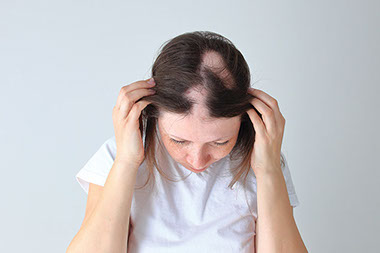
    Women showing hair loss.

    Hair loss is a normal part of life and aging. The average person loses 100 strands of hair from their scalp every day. Usually, these hairs grow back as part of a hair follicle’s lifecycle.

    However, as people get older, hair loss usually outpaces hair regrowth. In addition, some people may be susceptible to losing their hair early in life.

    Alopecia, another name for hair loss, can be frustrating, embarrassing, and tough to manage. But, there may be options available to slow, halt, or reduce the appearance of thinning hair.

    Causes of alopecia

    There are many different types of alopecia, each with a different cause.

    For example, androgenetic alopecia, commonly known as pattern baldness, is linked to your genetics. If your dad or mom experienced pattern baldness, the likelihood is you will too.

    Other causes include:

    *  Aging

    *  Genetics

    *  Hormones

    *  Stress

    *  Thyroid dysfunction

    *  Medications

    *  Chemical hair treatments

    *  Autoimmune reactions

    Treatment options

    The best way to manage hair loss depends on the cause. While some forms of alopecia may be slowed or halted, others are irreversible. Your medical doctor or dermatologist is your best resource when exploring treatments for alopecia.

    Options may include:

    *  Topical medications or shampoos

    *  Oral medications

    *  Corticosteroid injections

    *  Hair transplant

    *  Wigs or hairpieces

    Caring for your hair

    How you treat your hair may contribute to alopecia in some cases. The better care you take of the hair you have, the healthier it will be.

    *  Use a gentle shampoo that won’t remove moisture from your hair.

    *  Apply conditioner after every shampoo.

    *  Limit how long and how often you blow-dry your hair.

    *  Avoid wearing your hair in a tight bun, ponytail, or braid.

    *  Brush or comb your hair gently. Avoid tugging.

    If you are dealing with alopecia, talk to your doctor to find out the cause and discuss the best treatment options for you.

    © American Institute for Preventive Medicine
  • Digging Into Detox Diets

    HEALTHY EATING

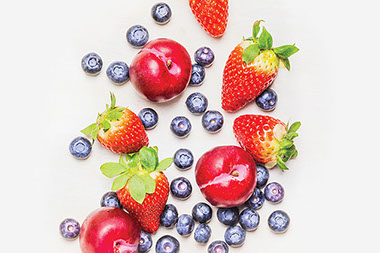
    Image of different berries.

    The word “detox” is a popular term in diets today. Many detox diets and plans promise to help your body flush out toxins and get you healthier.

    Some detox diets follow extreme guidelines like:

    *  Fasting (not eating) for long periods

    *  Drinking only special detox drinks or juices

    *  Using supplements or products that claim to detox your body

    *  Using laxatives, enemas or other products to empty the colon

    Safety concerns

    Many detox plans haven’t been proven to be safe. Supplements and extreme diets can cause health problems. The Food and Drug Administration (FDA) has taken action against detox products that are dangerous or contain illegal ingredients.

    Don’t assume that a “natural” detox plan is safe. It may be risky because:

    *  Drinking large quantities of juice can be dangerous for people with kidney disease.

    *  Drinking juices that are “raw” or unpasteurized can cause serious illnesses from bacteria.

    *  People with diabetes often need to eat a healthy diet and need to eat at regular times. Fasting or drinking juice instead of meals can cause dangerous blood sugar levels.

    *  Using too many laxatives can cause dehydration, severe diarrhea and an imbalance in minerals and vitamins.

    *  Fasting for long periods can cause headaches, dehydration and fainting.

    Your body’s own detox

    The human body is already designed to get rid of toxins. Most of this is done by the liver, which processes and removes chemicals, toxins and other unwanted things.

    Supporting your liver is a healthy and safe way to “detox” without extreme or dangerous diets. You can support your liver by:

    *  Eating a healthy diet rich in fruits, vegetables, lean protein and whole grains

    *  Working toward a healthy weight if you’re overweight

    *  Avoiding or limiting processed foods

    *  Drinking plenty of water

    *  Avoiding or limiting alcoholic drinks

    *  Getting exercise regularly

    *  Following directions on medicines and take medicines as your doctor prescribes

    *  Getting vaccines for hepatitis A and B, which are diseases that affect the liver

    Not all diets are safe. Before you start any detox or diet plan, ask your doctor.

    Sources: American Liver Foundation, National Center for Complementary and Integrative Health

    © American Institute for Preventive Medicine
  • Different Shoes For Different Sports

    BE FIT

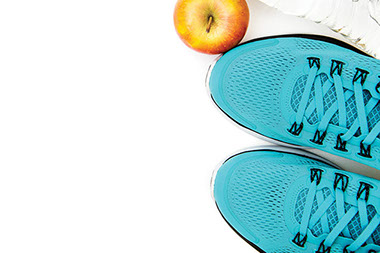
    Pair of shoes with apple and water bottle.

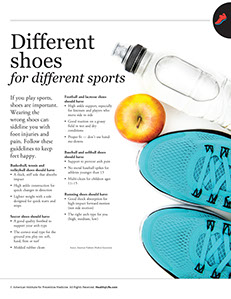
    If you play sports, shoes are important. Wearing the wrong shoes can sideline you with foot injuries and pain. Follow these guidelines to keep feet happy.

    Basketball, tennis and volleyball shoes should have:

    *  A thick, stiff sole that absorbs impact

    *  High ankle construction for quick changes in direction

    *  Lighter weight with a sole designed for quick starts and stops

    Soccer shoes should have:

    *  A good quality footbed to support your arch type

    *  The correct stud type for the ground you play on: soft, hard, firm or turf

    *  Molded rubber cleats

    Football and lacrosse shoes should have:

    *  High ankle support, especially for linemen and players who move side to side

    *  Good traction on a grassy field in wet and dry conditions

    *  Proper fit – don’t use hand-me-downs

    Baseball and softball shoes should have:

    *  Support to prevent arch pain

    *  No metal baseball spikes for athletes younger than 13

    *  Multi-cleats for children ages 11-15

    Running shoes should have:

    *  Good shock absorption for high-impact forward motion (not side motion)

    *  The right arch type for you (high, medium, low)

    Source: American Podiatric Medical Association

    © American Institute for Preventive Medicine
  • Diet Changes: Simple And Doable

    HEALTHY EATING

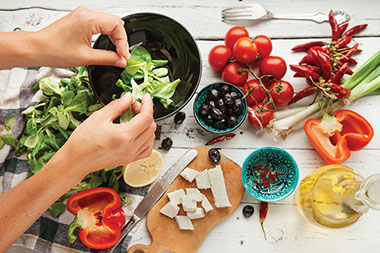
    Hand over table with bowls of different, healthy ingredients.

    If you try a complete diet overhaul at once, you may get overwhelmed. You can make it easier by not doing too much at once. Focus on one or two things you want to change and stick with those.

    Keep comfort foods, but tweak them

    Many people think they must give up all their favorite foods to be healthy. But if you have comfort foods you enjoy, this can cause even more stress. Here’s how to keep them while eating healthy:

    *Eat them less often.Aim to eat your comfort food once a week, rather than every day. Come up with healthier options to replace the comfort food.

    *Take a smaller portion.Put a smaller portion on your plate and eat it slowly. Enjoy the smell and taste of each bite, truly savoring it.

    *Modify the recipe.Switch out high fat and high calorie ingredients in your recipes. Use low-fat or fat-free dairy products instead of whole milk and cream. Use vegetable noodles instead of white pasta. All those little changes add up.

    Keep it simple

    If you’re already under stress, following an extreme diet plan could backfire. It could cause more stress, which could lead to frustration and more stress.

    Instead, celebrate one or two small victories each day. Write down when you snacked on fresh carrots instead of potato chips. Or you had a glass of water instead of soda. Whatever you did to make your diet a little bit better is a step in the right direction.

    Looking at the positive things you have accomplished may be the boost you need during times of stress. When you have slip-ups or bad days, don’t view it as a “failure.” It doesn’t mean all your healthy eating plans are over. Instead, forgive the mistake and look forward to a better and healthier day tomorrow.

    Source: Centers for Disease Control and Prevention

    © American Institute for Preventive Medicine
  • Diet & Fertility

    HEALTHY EATING

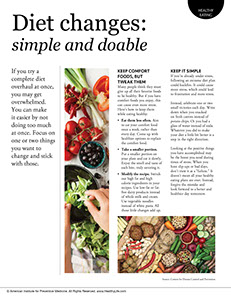
    Couple in kitchen cooking together.

    While many factors that affect fertility are beyond your control, lifestyle habits are something you can change for the better when trying to conceive.

    Eating a nutritious diet and maintaining a healthy weight put your body in the right condition for reproduction. Choosing a quality diet is an essential part of the process.

    What to eat

    There are still gaps in our understanding of the best diet to promote fertility. However, we do know a healthy diet is beneficial in all stages of life. Here are some general guidelines that have been shown to support fertility:

    *Choose healthy fats.These include monounsaturated and omega 3 fats. Olive oil, avocados, fatty fish, nuts, and seeds are good sources of these fats.

    *Up your plant intake.Fruits, vegetables, whole grains, beans, legumes, and nuts and seeds should feature heavily in your diet.

    *Women should consume foods high in iron.Plant sources of iron include beans, lentils, leafy greens, fortified cereals, and whole grains. For better absorption, include vitamin C-rich foods such as citrus, berries, and peppers.

    *Women should take a daily prenatal multivitamin.It should include 400 micrograms of folic acid.

    What to avoid

    The eating pattern considered beneficial for fertility also includes foods to limit when trying to conceive.

    *Trans fats.These less healthy fats are found in some processed foods. Choosing a whole food diet will naturally eliminate many unhealthy trans fats.

    *Less animal protein.Small quantities of beef, chicken, pork, and fish are OK, but most people benefit from cutting back, especially red meat.

    *Junk food.Processed foods high in sugar, salt, and fat don’t support reproductive health.

    *Overeating.Men or women who are overweight or obese may benefit from gradual, healthy weight loss to boost fertility.

    *Fad diets.Avoid following fads as these diets are often imbalanced or can lead to rapid, unhealthy weight loss which may interfere with fertility.

    © American Institute for Preventive Medicine
  • Debt-To-Income Ratio: Faqs

    FINANCIAL HEALTH

    Young couple looking over bills together.

    A healthy debt-to-income ratio is an indicator of financial stability. Just as the term implies, this ratio compares the amount of money you pay toward debt against your income.

    A stable debt-to-income ratio is anything 43% and lower. Someone with a higher percentage may struggle to make ends meet and keep up with their payments.

    When applying for a mortgage, lenders will use this number as a determining factor, so it’s essential to know where you stand. In most cases, you must have a debt-to-income ratio under 43% to get a qualified mortgage when buying a home.

    Calculate debt-to-income ratio

    The equation looks like this: Total monthly debt payments ÷ monthly gross income (before taxes) = debt-to-income ratio

    Here’s an example: Let’s say you make $6000 each month before taxes, and you have an $1800 mortgage, $300 car payment, $150 student loans, and $50 credit card payment.

    ($1800 + $300 + $150 + $50) ÷ $6000 = debt-to-income ratio

    $2300 ÷ $6000 = 0.38

    Your debt to income ratio is 38%.

    Bills as debt

    *  Monthly rent or house payment

    *  Auto, student, or other monthly loan payments

    *  Monthly alimony or child support

    *  Monthly credit card payment

    *  Any other debt

    © American Institute for Preventive Medicine