Blog

  • Why You Should Floss

    WELL-BEING

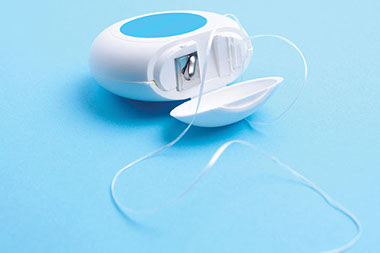
    Image of floss.

    According to a survey by the American Dental Association, only 4 in 10 Americans floss at least once a day. And, 20 percent of Americans don’t do it at all.

    Most dentists agree that everyone should floss daily. There are places between teeth that a brush simply can’t reach. If you’re wondering if it’s worth spending the small amount of time each day, consider these benefits of flossing:

    *Less scraping at the dentist.At your next checkup, the hygienist may spend less time removing tartar between your teeth and at the gum line. Flossing removes it from these hard-to-reach areas before it hardens on your teeth.

    *A lower risk of gum disease and cavities.By removing plaque between your teeth, you remove bacteria that can lead to tooth decay and gum disease.

    *Fresher breath.Small particles of food between the teeth, even if you can’t see them, can make breath smell unpleasant.

    The American Dental Association says you can floss any time of day. Pick the time when you’re more likely to stick with it, whether it’s morning, after lunch or before bed.

    © American Institute for Preventive Medicine

  • Why Memories Change

    MEDICAL NEWS

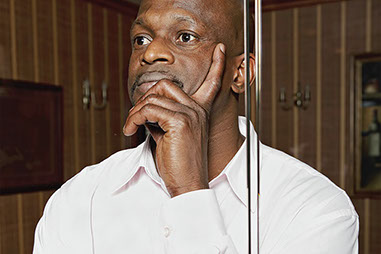
    Image of older man looking out a window thinking.

    Memory is like the old telephone game, according to researchers at Northwestern University School of Medicine. You remember when kids took turns whispering a message into the ear of the next person in line? By the time the last person spoke it out loud, the message had radically changed. It’s been altered with each retelling.

    Every time you remember an event from the past, your brain networks change in ways that can alter the later recall of the event. Thus, the next time you remember it, you might recall not the original event but what you remembered the previous time. The Northwestern study is the first to show this.

    “A memory is not simply an image produced by time traveling back to the original event-it can be an image that is somewhat distorted because of the prior times you remembered it,” said Donna Bridge, lead author of the study published in the Journal of Neuroscience. “Your memory of an event can grow less precise even to the point of being totally false with each retrieval.”

    The reason for the distortion, Bridge said, is the fact that human memories are always adapting. Take note, lawyers and eyewitnesses.

    © American Institute for Preventive Medicine

  • Why Do Mosquitoes Always Bite Me?

    MEDICAL NEWS

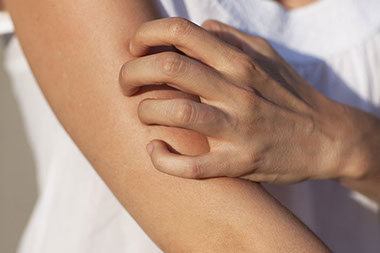
    Close up image of person itching arm.

    It has to do with how you smell, but scientists still don’t know why some breeds are attracted to different smells, said Jason Pitts, professor of biological sciences at Vanderbilt University.

    The source of the aromatic compounds that produce body odor are bacterial colonies that exist on human skin, particularly in dark, moist areas such as the armpits and between the toes. Pitts and his colleagues have discovered that mosquito antennae are filled with hundreds of tiny odor receptors, which are individually tuned to detect specific odors.

    Just as mosquitoes may love you, they may not love natural repellants such as clove oil, citronella, lemon grass, eucalyptus, castor oil, peppermint, lavender, and cedar oil. But almost all of these are less effective than the synthetic repellant DEET, and they need to be reapplied more frequently.

    Bet you didn’t know these pesky insects have a long-range system that allows them to track down potential prey from more than 100 yards away. The mosquitoes do so, in part, by sensing the carbon dioxide in human breath. When we exhale, our breath contains more carbon dioxide than the surrounding air, and mosquitoes can detect this difference-especially if you’ve had a beer or other alcoholic drink.

    To avoid mosquito bites, CDC gives the following advice:

    *  Use an insect repellant when you go outdoors. The FDA approves ones with DEET, picaridin. IR3535, and oil of lemon eucalyptus. Follow the product label’s directions.

    *  As much as possible, wear long sleeves, long pants, and socks. For extra protection, spray clothes, not your skin, with repellant that contains permethrin.

    *  Avoid outdoor activities from dusk to dawn or take extra care to use insect repellant and protective clothing during these times.

    *  Keep mosquitoes outside the house. Use screens on windows and doors or use air conditioning.

    *  On a regular basis, empty water that collects in outdoor buckets, flowerpots, pool covers and bird baths. Mosquitoes like stationary water.

    © American Institute for Preventive Medicine

  • Why Afib Matters

    MEDICAL NEWS

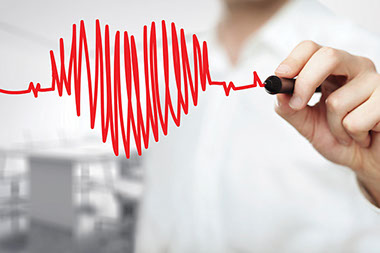
    Close up image of a doctor's hand drawing a heart with heart beats.

    Atrial fibrillation, or “AFib,” is an irregular or rapid heartbeat. It happens when the upper chambers of the heart don’t pump as they should. The American Heart Association says many people don’t realize that AFib can be an extremely dangerous condition. In fact, if AFib isn’t treated, it can lead to dangerous blood clots and stroke. It can also make the heart get weaker and enlarged, causing congestive heart failure.

    Symptoms of AFib

    It can be hard to know whether you have AFib, because symptoms can be different for each person.

    *  Heartbeat that feels fast, irregular, “thumping,” or fluttering

    *  Feeling tired, weak or dizzy

    *  Shortness of breath and/or anxiety

    *  Sweating

    *  Feeling very fatigued during exercise

    *  Confusion

    *  Chest pain or pressure: This is also a sign of heart attack. Call 9-1-1 if you notice this symptom. If you think you could be having a heart attack, don’t wait. Get emergency medical help immediately.

    It’s important to talk to your doctor about your AFib symptoms and how to manage them. Some conditions like diabetes and heart disease, or having a family history of AFib, mean you could be at higher risk for AFib.

    Preventing AFib

    Like many heart conditions, the risk of AFib can be lowered by following a healthy lifestyle. This may include:

    *  Regular exercise

    *  A healthy diet low in saturated and trans fats, sodium (salt), and cholesterol

    *  Not smoking: if you smoke, get help quitting atwww.smokefree.gov

    *  Getting checked for – and treating – high blood pressure (hypertension)

    *  Keeping cholesterol under control and getting regular cholesterol checks

    *  Working toward a healthy weight, if weight loss is needed

    *  Avoiding high amounts of alcohol and caffeine

    *  Treating obstructive sleep apnea, a sleep disorder that increases the risk of AFib.

    Treating AFib

    Treatment for AFib will depend on a person’s health history and how severe the AFib is. Some people may need medications, such as blood thinners and drugs that reduce clotting. Some people can keep AFib under control with blood pressure medicine.

    A procedure known as electrical cardioversion may be performed when medications aren’t suitable. This is a non-surgical procedure that helps “reset” the heart’s rhythm. Other non-surgical procedures may also be discussed. In some cases, surgery may be needed. Only you and your doctor can determine what treatment is best for you.
    © American Institute for Preventive Medicine

  • Who’s In Your Kitchen Cabinet?

    WORK LIFE

    Illustration of cabinets inside a human's head.

    Seeking out opinions, expertise, and advice from others is a sign of strong leadership, according to author Dan Quiggle who has written about President Ronald Reagan’s advisory kitchen cabinet. Whether it’s politics or business (or life decisions), you can follow these 7 suggestions for putting yours together.

    1.Get over your desire to be right.Reagan chose to fill his kitchen cabinet with trusted advisors who were accomplished in their own rights, and whom he knew would be tough with him when necessary-not yes-men.

    2.Stock your cabinet with a variety of viewpoints.Find people with a variety of different viewpoints and knowledge sets. Include people who disagree with you (but won’t undermine you).

    3.Keep it small.Start with only two to five people whom you trust and admire. Smaller groups can be more effective, and there’s less chance individual egos will take over.

    4.Don’t over formalize things.No formal invitation, no procedure, just sit and share advice and insight.

    5.Keep in mind that you may need more than one brain trust.You may need to assemble different brain trusts for different tasks.

    6.Hear everyone out and take their advice to heart.If a majority isn’t in favor of something, you might want to rethink.

    7.Make sure everyone shares your success-oriented vision.Make sure everyone shares your success-oriented vision. After all, responsibility for making sure your kitchen cabinet shares a vision falls on your shoulders.

    © American Institute for Preventive Medicine

  • White Chicken Chili

    HEALTHY EATING

    Image of a bowl of white chicken chili.

    Ingredients

    4 cups white beans (cooked or low-sodium canned)

    1 tablespoon olive oil

    2 red peppers (chopped)

    1 large onion (chopped)

    1 chopped green chili (adjust to taste)

    3 cloves garlic (minced)

    1 tablespoon chili powder

    1 teaspoon cumin

    1 teaspoon oregano

    2 cups low-sodium chicken broth

    2 cups low-fat milk

    1/4 cup chopped, fresh cilantro (flat-leaf parsley)

    3/4 pounds chicken (cooked and cubed)

    6 corn tortillas (toasted and cut into 1-inch squares)

    Directions

    1. Sauté peppers and onion in olive oil.

    2. Add green chili, garlic, spices and chicken broth. Simmer for 20 minutes.

    3. Add low-fat milk, cooked beans, and cooked chicken. Allow to thicken before adding cilantro. Heat through.

    4. Top chili with crisp tortillas before serving.

    If using canned white beans, rinse and drain them to lower sodium. You can use any vegetable oil in place of olive oil and fresh parsley in place of fresh cilantro. In place of chili powder, you can use a mix of other spices such as cayenne pepper, cumin, or oregano. In place of oregano, you can use Italian mixed herbs/seasonings, basil, or thyme.

    Serves 10. Per serving: Calories: 210; Total fat: 5 g; Saturated fat: 1 g; Sodium: 150 mg; Total carbohydrate: 25 g; Fiber: 5 g; Protein: 18 g

    Source: USDA Healthy Eating on a Budget Cookbook

    © American Institute for Preventive Medicine

  • Where Does The Money Go?

    FINANCIAL HEALTH

    Image of scale with bills on one side and a piggy bank on the other side.

    Regular expenses are a necessary part of life. In your household, you probably have a certain amount of money coming in and a different amount going out.

    Even if you have a rough idea of how much you spend, tracking your monthly expenses can help you find out a lot about your money. Small amounts here and there can quickly add up. For one month, write down everything you spend on bills, food, gas, clothes, and any other purchases – even your morning latte. Then, you can look for ways to cut back on unnecessary costs. Money you have left at the end of the month can be saved for an emergency fund or for future needs.

    © American Institute for Preventive Medicine

  • When You Don’t Like Your Spouse’s Friends

    FAMILY LIFE

    Image of 2 couples having lunch.

    If you don’t like your significant other’s friends, it can add tension to your relationship. If you find you don’t get along with some – or all – of them, take a calm approach:

    *  Get to know them better. Sometimes, first impressions are misleading. Try not to form a solid opinion of your partner’s friends until you’ve spent more time with them. You may start to like them if you form your own relationship with them.

    *  Focus on behaviors, not people. Think about what the person has done that you are upset about. If they are doing something irresponsible or illegal, for instance, this should be discussed with your spouse. But, if you just don’t like their sense of humor or love of football, you may have to accept your differences.

    *  Be open, but kind. You should be able to talk to your partner about things that are bothering you. Bring up specific behaviors of their friend that bother you and tell them why you are upset. Try not to insult your partner’s friend or accuse them. Together, with your partner, discuss ways to avoid future problems with the friend.

    Focus on keeping your own relationship healthy, even when you must have tough conversations about their friends.

    Friends are good for you

    It feels good to talk to a friend and share a few laughs. But having friends may have more benefits than smiles and memories. Research has shown that a good network of support from friends may lower your risk of some health problems. Some evidence suggests that people who have social connections may be less likely to have a heart attack. In addition, people who give support to others can help lower their blood pressure.

    Source: Current Opinion in Psychiatry. 2008;21(2):201-205.

    © American Institute for Preventive Medicine

  • When To Brush Your Teeth

    SELF-CARE CORNER

    Image of soda in a glass.

    Consuming acidic foods and beverages, such as sports and energy drinks, citrus fruits, wine, and tomatoes, can erode tooth enamel-the glossy outer layer of the tooth. Brushing your teeth too soon after eating and drinking these items can cause more damage because you are essentially brushing the acid into the teeth, not getting rid of it, say experts at the Academy of General Dentistry. Instead, you should rinse your mouth with water after consuming acidic foods and beverages and wait at least 30 minutes before brushing your pearly whites!

    © American Institute for Preventive Medicine

  • When The Wind Blows

    WELL-BEING

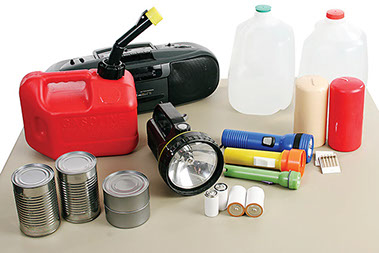
    Image of emergency items, such as flash lights.

    When a winter blizzard (or any natural disaster) leaves you without power, are you prepared to weather the storm?

    Know these facts from the University of Nebraska Extension service:

    *  Keep the refrigerator and freezer doors closed as much as possible to maintain the cold temperature. Once the power goes off, the refrigerator will keep food safely cold for about 4 hours if it’s unopened. A full freezer will hold the temperature for about 48 hours (24 hours if it’s half full) if the door remains closed.

    *  Keep an insulated cooler on hand and gel packs or water-filled and frozen milk cartons in the freezer to cool perishable items. Outside sub-freezing temps will also preserve frozen food if the power stays out for days.

    Stock one gallon of drinking water per person per day. Also stock up on staples that don’t need to be refrigerated such as canned foods (and a hand-held can opener), soups, dried or smoked meats, dried fruits and vegetables, powdered or evaporated milk, peanut butter, trail mix, granola bars, pet food, and ready-to-eat cereals.

    © American Institute for Preventive Medicine