Blog

  • When Petting Pets Causes Disease

    SELF-CARE CORNER

    Image of women with her dog.

    Salmonella, E. coli, and roundworms are among the nearly 20 different diseases that people most commonly get from their pets, said Jason Stull, assistant professor of veterinary preventive medicine at Ohio State. Infants, the elderly, pregnant women, and people with limited immune function are most at risk for animal-borne, or zoonotic, diseases.

    Since different species of pets-dogs, cats, rodents, birds, fish, reptiles, and amphibians-carry different types of diseases and at different stages of life, Stull and his colleagues suggest that families talk to both their doctor and veterinarian about what pet is the safest choice for their family.

    Here are some safe tips for pet ownership:

    *  Wear protective gloves to clean aquariums and cages and to remove feces.

    *  Wash hands after pet contact.

    *  Don’t let your pets lick your face.

    *  Cover playground sandboxes when not in use (cats love them).

    *  Avoid contact with higher risk animals such as reptiles, amphibians, and exotic animals.

    *  Regularly clean and disinfect animal cages, feeding areas, and bedding.

    *  Put litter boxes away from areas where food is eaten and prepared.

    *  Schedule regular veterinary visits.

    © American Institute for Preventive Medicine

  • When Can My Child By Home Alone?

    FAMILY LIFE

    Image of smiling family.

    As kids grow older, many parents wonder when they can safely leave their child home alone. There is no one right answer for everyone, as each child has a different personality and maturity level. To help you make the decision, the Child Welfare Information Gateway says parents should ask themselves these questions:

    *  Do state and local laws say my child is old enough to be left home alone? If you’re not sure, check with your local child protective services agency. To find yours, visitchildhelp.org.

    *  Is my child comfortable being left home alone?

    *  Can my child care for himself while I’m gone? (This may include getting food or drink, staying away from hazards, obeying house rules, and making good decisions.)

    *  Do I have neighbors or trusted adults nearby who could help if needed?

    *  Does my child know what to do if someone comes to the door?

    *  Can my child easily contact me if there’s an emergency?

    *  Does my child know his full name, my full name, his home address, and phone number?

    If you answered “yes” to these questions, and you and your child feel ready, try leaving him/her alone for a short time while you’re close by. Check in with your child while you’re gone and talk about the experience when you get back. If it was a positive experience for you and your child, consider leaving him/her alone for a longer period next time. Together, you and your child can make a smart decision about being home alone.

    © American Institute for Preventive Medicine

  • When Buying A Home, Check Out The Neighborhood Too

    FAMILY LIFE

    Image of family in front of their new house.

    Choosing the right neighborhood is just as important as the actual home. A great neighborhood should have the features you need and also be extremely safe. The biggest mistake many homebuyers make is not realizing they’re investing in a good neighborhood, as much as in a good home.

    The team at AlarmSystemReport.com, an alarm review site of top companies, has put together a list of tips to help buyers find out if a neighborhood will suit their needs.

    *  Search, online, for crime data for particular areas and neighborhoods.

    *  Contact the local law enforcement agency. Learn about criminal activity in the area. Find out if the neighborhood has a community watch program and other safety measures.

    *  Drive and walk around the neighborhood to feel how safe it is. If it seems abandoned, dirty or has a lot of bars on windows, it’s probably not a safe choice. Look for signs of outdoor activity, such as families and people outside. It’s also more likely that homes that are well-kept are going to mean a safer neighborhood, since the neighbors take pride in their home and the surrounding area.

    *  Check out the neighborhood school. Does it have a good reputation? Ask teachers.

    *  Research if property values have improved over the last 5 or 10 years. Ask your real estate agent if property taxes have increased (a good sign).

    © American Institute for Preventive Medicine

  • When Allergies Get Real Serious

    MEDICAL NEWS

    Image of candy bar with warning "Not suitable for Nut allergy sufferers."

    A severe allergic reaction can be life threatening. It’s called anaphylaxis. The symptoms begin within minutes of eating a trigger food or after a bee sting or touching poison ivy. Some drugs can cause these serious reactions too. The Asthma and Allergy Foundation of America offers this safety advice:

    *  Know the symptoms: flushed skin, rash, tissue swelling, stuffy nose, sweating, panting, nausea, stomach cramps, rapid pulse, wheezing, convulsions, or fainting.

    *  Know what you’re allergic to: check food labels and ingredients. Ask at restaurants if you’re unsure if a menu item contains something you’re allergic to. Skin or blood tests done by a specialist can confirm that you’re sensitive to certain substances that can cause a severe reaction.

    *  Carry an auto-injectable epinephrine device that allows you to use a rescue medication until emergency help arrives.

    *  Wear a medical alert bracelet to let others know of your allergy.

    *  Anaphylaxis is a 9-1-1 medical emergency.

    © American Institute for Preventive Medicine

  • What’s Waking You Up?

    WELL-BEING

    Image of older man sitting up in bed.

    Dr. Michael Huckabee, professor at the University of Nebraska Medical Center, offers 3 not-so-well-known possible causes:

    Night cramps

    A sudden, intense pain in the calf from a muscle spasm can awake you from a dead sleep. Night cramps may occur once a year or less often, but some people have several a night.

    Dehydration, electrolyte imbalance, nerve or muscle disorders and medication side effects can cause night cramps. So can working the muscles hard earlier in the day. If you can find out the cause, treatment might be as simple as drinking plenty of water or stretching your legs before you go to bed. If leg cramps disturb your sleep often, visit your doctor for help.

    Restless legs

    Do you get a powerful urge to move your legs? Do they feel uncomfortable when you sit or lie down? They may also have a creeping, crawling, tingling, or burning sensation. These can be symptoms of restless leg syndrome (RLS).

    Sometimes, RLS is due to a health condition, such as anemia or to a side effect of some medications. In most cases, though, there is no known cause and it tends to run in families. Daytime exercise, relaxation techniques and other lifestyle changes can help. See your doctor for proper diagnosis and treatment.

    Sleep paralysis

    While fading off to sleep or waking up, you may experience a complete paralysis, unable to move or speak. You could also have a vivid nightmare or hallucination when your consciousness is drifting  between sleep and waking.

    The exact cause of sleep paralysis is unknown but it may be related to an imbalance or overlapping of the stages of sleep. Stress, erratic sleep schedules and some medications may also be factors, and there is likely a genetic component. Despite how frightening it is, there are no serious health problems with sleep paralysis. A variety of treatments, from simple home exercises to prescription medications, have been shown to be effective.

    © American Institute for Preventive Medicine

  • What’s Parked In Your Garage?

    WELL-BEING

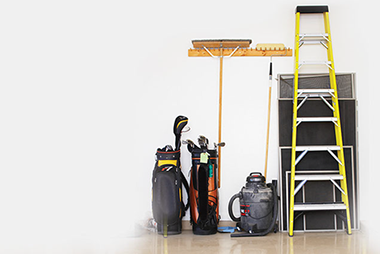
    Image of items stored in a garage, such as a ladder.

    Gasoline and other poison hazards may be stored unsafely in your garage. The Home Safety Council and the American Association of Poison Control Centers promote safe practices around hazardous products in the garage and storage areas:

    *  In homes with young children, see that child-resistant caps are on all dangerous products. These include charcoal lighter fluid, paint thinner, antifreeze, and turpentine. Store the products out of sight and reach-or better yet, locked up.

    *  Store only a small amount of gasoline and always in an approved container designed and labeled for gasoline. Never bring gasoline indoors.

    *  Keep all products in original containers with original labels.

    *  Never transfer dangerous products to glass jars, soft drink bottles, or other containers.  Harmful products could look like common drinks and be taken by mistake. Also, containers may leak or break. It is easy to forget what product was placed in which container.

    *  Use a siphon hose if you must transfer gasoline. Never try to siphon gasoline or other fuels by mouth.

    Every Poison Control Center in the country can be reached by calling the nationwide hotline at (800) 222-1222. Post the hotline near home phones and on your cell phone.

    © American Institute for Preventive Medicine

  • What’s America’s Favorite Vegetable?

    HEALTHY EATING

    Image of tomatos.

    The potato (sadly in the form of French fries) is number one. But when you look at non-starchy veggies, the tomato comes out on top.

    Eating canned tomatoes provides the greatest source of antioxidants to Americans’ diets-more than any other non-starchy vegetable. People who eat diets rich in fruits and vegetables tend to have a decreased risk of cancer and heart disease, report researchers from the Academy of Nutrition and Dietetics.

    Experts have not identified exactly what it is about fruits and vegetables that confer the health benefits, but it is known that fruits and vegetables contribute antioxidants to the diet. Tomatoes are a good option for those who want to increase their intake of antioxidants.

    Canned tomatoes (used in spaghetti sauce and chili, for example) are available year round providing a convenient and cost-effective way to increase antioxidant intake during any season.

    © American Institute for Preventive Medicine