Blog

  • What To Know About Whooping Cough

    SELF-CARE CORNER

    Image of man coughing.

    Pertussis, or whooping cough, is more than just an annoying cough. It is a serious and highly contagious disease. The coughing is so severe it causes those affected to gasp for air in between coughs, which make a “whooping” sound that can last for weeks or months. The cough may cause a person to stop breathing temporarily, turn blue, and even vomit. Many people are unable to eat or sleep due to the severe coughing spells. It can lead to complications, such as pneumonia, cracked ribs, and seizures. It can also be life-threatening.

    Whooping cough is on the rise in the U.S. Here’s what you should know to protect yourself and those around you.

    You can spread it before you even know you have it.

    Whooping cough may feel like you have a cold at first. This stage lasts one to two weeks. It often includes a runny nose, sneezing, low-grade fever, and a mild cough. Unfortunately, many people don’t realize they have whooping cough during this stage and can spread it to others.

    Infants under 6 months of age are the most likely to die from pertussis.

    Babies are given whooping cough vaccine at two, four and six months of age. Until they have had all these vaccines, they are more likely to catch whooping cough. The Immunization Action Coalition says babies under six months of age are the most vulnerable because they don’t yet have strong immunity to protect against it.

    Adults are the most likely to pass the infection to young infants.

    The National Foundation for Infectious Diseases (NFID) says adults are the most common source of whooping cough infection in babies.

    Even if you already had a whooping cough vaccine, you might need another one.

    Vaccines aren’t just for babies and kids. Recommendations for whooping cough vaccination have changed in recent years.

    The NFID says the following adults should be vaccinated:

    *  All adults age 19 and older need a whooping cough booster. This is called a Tdap vaccine. It also protects against tetanus and diphtheria.

    *  Pregnant women need a Tdap vaccine during the third trimester (between 27 and 36 weeks of every pregnancy).

    *  Adults of any age who may be in close contact with babies younger than 1 year of age should get a Tdap vaccine. It should be given at least two weeks before being around the baby, if possible.

    *  Health care employees in hospitals and health centers should get the Tdap.

    *  After getting the Tdap vaccine, all other adults should get the Td (tetanus and diphtheria) booster every 10 years.

    © American Institute for Preventive Medicine

  • What To Do With Holiday Leftovers

    HEALTHY EATING

    Image of a turkey wrap.

    Make a game plan for leftovers to avoid overeating, say experts from The University of Texas MD Anderson Cancer Center. You can turn holiday leftovers into new healthy dishes by reusing the following foods:

    White turkey meat

    *  Whip up your favorite chili recipe, but use turkey instead of ground beef.

    *  Wrap turkey, spinach leaves, and 2 tablespoons of cranberry sauce in a whole wheat tortilla.

    Mashed potatoes

    *  Mix in a healthy helping of cooked vegetables for a new twist on this side dish. Try cauliflower, broccoli, green beans, or carrots.

    Sweet potatoes

    *  Make a protein-packed sandwich spread or veggie dip by pureeing one-half cup sweet potatoes with one-half cup chickpeas. Eat only 1 or 2 tablespoons at a time.

    © American Institute for Preventive Medicine

  • What To Do Whenkids Say No

    FAMILY LIFE

    Image of little girl sitting in a time out.

    When a child says no to a request, sits and does nothing when expected to do something, and continues a behavior that the child has been asked to stop, that’s defiance, according to Dr. Daniel Waschbusch of the Pennsylvania Psychiatric Institute and professor, Penn State College of Medicine. Here are some strategies for dealing with defiance:

    *  Address the issue before it gets worse.

    *  Establish rules. Have house rules that are very clear about the things that are most likely to lead to conflicts or to noncompliance. Kids will know that’s the rule and that battle won’t have to be fought over and over again.

    *  Give clear commands. Rather than saying “Would you mind going up to your room and picking up your toys sometime?” say “Go to your room and pick up your toys right now.” Be clear and concise, and give a specific time frame.

    *  Give instruction when you’re sure you have their attention. Don’t give an instruction while the child is playing video games. Chances are they’re going to be attending to the video game and not to you.

    *  Give them warning. It’s better to warn a child in advance that they are going to bed soon rather than waiting and telling them it’s time to go right now. Any warning can make a big difference.

    *  Reward the positive.

    *  Have a game plan. Prevent a situation from escalating by preparing strategies in advance. Doing this removes thinking on the spot and relying on emotions. Avoid intensifying a conflict by having your playbook ready.

    *  Think long term. Think about it as an ongoing process. Keep at it. Improvements will be seen over time but don’t expect everything to get better by a certain date. Behavior doesn’t change overnight. And remember, sometimes it gets worse before it gets better.

    © American Institute for Preventive Medicine

  • What Really Are Antioxidants?

    HEALTHY EATING

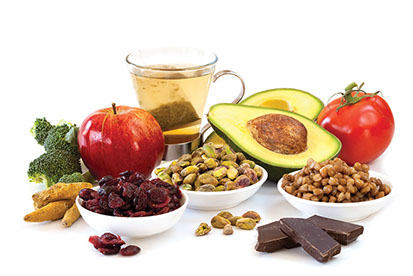
    Image of different sources of antioxidants.

    Antioxidants play an important role in overall health. They are natural compounds found in some foods that help neutralize free radicals in our bodies.

    Free radicals are substances that occur naturally in our bodies but attack the fats, protein, and the DNA in our cells, which can cause different types of diseases and accelerate the aging process, according to Claudia Fajardo-Lira, professor of food science and nutrition at California State University-Northridge.

    The best antioxidant sources are fruits and vegetables, as well as products derived from plants. Some good choices include blueberries, raspberries, apples, broccoli, cabbage, spinach, eggplant, and legumes like red kidney beans or black beans.

    They’re also found in green tea, black tea, red wine, and dark chocolate. Usually, the presence of color indicates there is a specific antioxidant in that food.

    The keyword here is variety. Try to get as many fruits and vegetables with different colors when you plan your meals and go to the grocery store. An array of color in your diet will give you the widest range of helpful antioxidants.

    Antioxidants added to foods are as effective as those that occur naturally. Vitamins such as C, A, and E can be added to foods-and they often are, such as in orange juice.

    It’s important not to overdo it on vitamin supplements because there can be too much of a good thing. With food alone, it would be extremely difficult to consume too many antioxidants.

    The MyPlate tool based on the Dietary Guidelines for Americans recommends that you make half your plate fruits and vegetables. If you aim to do that at most meals, you can be sure to get the antioxidants you need, recommends the Institute of Food Technologists.

    © American Institute for Preventive Medicine

  • What Our Aging Parents Fear Most

    FAMILY LIFE

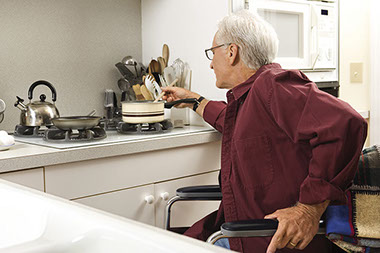
    Image of eldery man in wheel chair cooking at his stove.

    Seniors fear moving into a nursing home and losing their independence more than death, according to a new research study, Aging in Place in America, commissioned by Clarity and  The EAR Foundation.

    The study looked at the attitudes and anxieties of the nation’s elderly. The children of seniors also fear for their parents, with particular concern about their emotional and physical well-being should they have to enter a nursing home.

    One of the most significant findings of the study is that, when asked what they fear most, seniors rated loss of independence (26%) and moving out of their homes into a nursing home (13%) as their greatest fears. These two possibilities are a much higher concern than death, which was the greatest fear for only 3% of seniors surveyed.

    Other key findings include these:

    *  Most seniors want to age in place. That means they want to grow older without having to move from their homes. More than half are concerned about their ability to do so.

    *  Seniors cited three primary concerns that could jeopardize their ability to live independently: health problems, memory problems and inability to drive or get around.

    *  Many seniors said they are open to or would like to use new technologies that enable independence. More than half would consider the use of technology in their homes-specifically, sensors-to monitor their health and safety.

    *  Most Baby Boomers fear their parents will be mistreated in a nursing home and fear they will be sad. Almost two-thirds of Boomers provide some kind of help or support for their aging parents.

    “These findings tell us that, above all else, older Americans value their ability to live independently,” said Peter Bell, president of National Aging in Place Council. “As a society, we must find ways to help our parents and grandparents live their latter years at home.”

    © American Institute for Preventive Medicine

  • What Makes Your Head Hurt?

    MEDICAL NEWS

    Image of women with a headache.

    Headaches are one of the most common health complaints.

    About 95% of headaches are primary headaches, meaning they are not caused by some other medical condition. Most people can relieve headache pain by making lifestyle changes, learning how to relax, and taking pain relievers. Your doctor may have more suggestions.

    Here are the 3 main types of headaches, according to the National Institutes of Health:

    *Tension headachescan be treated with over-the-counter pain relievers. Stress management, relaxation exercises, or a hot shower may  also help.

    *Migraine headachescan be treated with over-the-counter or prescription drugs. Migraines often happen again and again but may be prevented with prescription drugs. Avoid food and drinks that can trigger migraines, such as caffeine, alcohol, and processed meats. Relaxation practices may reduce the number and severity.

    *Cluster headachescan be treated or prevented with prescription drugs. Nasal sprays that numb the nose and nostrils may help. Doctors also recommend avoiding alcohol.

    © American Institute for Preventive Medicine

  • What Is Marriage Counseling?

    FAMILY LIFE

    Image of a couple with a marriage counselor.

    Marriage and relationships take lots of work. When a couple has a problem, they may wonder whether marriage therapy or couples counseling could help.

    Counseling usually includes talk therapy. This means you talk to a professional counselor about your issues. But, therapy isn’t just about talking. Your counselor may help one or both partners address mental health problems that can interfere with the relationship. For example, issues such as depression or anxiety may need treatment. This can go hand-in-hand with the couples counseling.

    When a couple goes to counseling, they can get “tools” to use in daily life that help them with their communications. For instance, therapy can give you new ways to look at challenges or problems. This can help you address issues before they become too big to handle. You may also learn ways to talk to each other so you can work out arguments in positive and constructive ways.

    However, if the marriage involves physical or emotional abuse, couples counseling is not going to be the answer. Instead, the person who is abusing their partner should seek treatment for their problems. The victim of abuse should speak privately with their doctor about how they can get away from the abuse.

    Help for resolving arguments

    If you need to talk something out with your spouse, try these tips:

    *  Listen first. Rather than tell your side, calmly listen to what your partner has to say. When he or she is done, then take your turn to speak.

    *  Don’t interrupt, and don’t yell.

    *  Be honest, but don’t insult. Talk about the behavior or incident that upset you. For instance: “When you did X, I felt like you didn’t care about my feelings.” Avoid name-calling.

    Sources: American Academy of Family Physicians, National Domestic Violence Hotline

    © American Institute for Preventive Medicine

  • What Is Antibiotic Resistance?

    MEDICAL NEWS

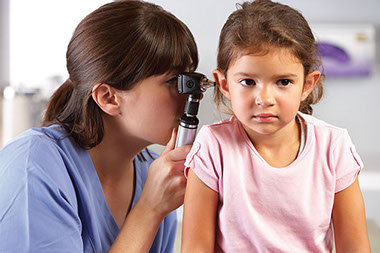
    Image of doctor with child patient.

    Antibiotic resistance happens when bacteria change in a way that the antibiotics that used to treat them are less effective or not effective at all. As a result, stronger, more expensive antibiotics are needed to kill the same bacteria. People who develop antibiotic-resistant infections are more likely to need treatment in a hospital and are at increased risk for death. Using antibiotics the wrong way contributes to the rise in antibiotic-resistant infections.

    How do I use antibiotics the right way?

    Antibiotics treat infections caused by bacteria, not viruses. Do not ask for antibiotics for symptoms of colds and flu. These illnesses are caused by viruses. Often, antibiotics are not needed for ear infections, sore throats, and sinus infections because these can be viral infections, too.

    If your doctor does prescribe an antibiotic, take it as prescribed. Do not skip doses. Take the entire course to make sure that no pesky bacteria linger because this can lead to a more serious infection.

    Source: Association for Professionals in Infection Control and Epidemiology. Read more at www.cdc.gov/getsmart.

    © American Institute for Preventive Medicine

  • What Is A Serving Size, Anyway?

    HEALTHY EATING

    Image of family eating dinner.

    Even if you know you need to eat smaller portions, that’s only part of the battle. You’ll need to learn how to recognize serving sizes of foods so you can put the right amount on your plate each day. Here’s a list of food group servings to help:

    Vegetables

    Fresh, frozen or canned: 5 servings per day

    Leafy greens: 1 cup

    Cut-up vegetables: ½ cup

    Cooked beans or peas: ½ cup

    100% vegetable juice: ¼ cup

    Fruits

    Fresh, frozen, canned, or dried: 4 servings per day

    Whole fruit: 1 medium fruit

    Cut-up fruit: ½ cup

    100% fruit juice: ¼ cup

    Dried fruit: ¼ cup

    Grains

    6 servings per day

    Bread: 1 slice (a 2-slice sandwich is 2 servings of grains)

    Pasta or rice uncooked: 1 oz (⅛ cup)

    Cooked rice, pasta, or cereal: ½ cup

    Popcorn: 1 oz. (⅛ cup) uncooked

    At least half should be whole grain and high in fiber.

    Dairy

    (or non-dairy milks with added calcium and vitamin D): 3 servings per day

    1 cup milk or yogurt

    1.5 oz. cheese (size varies depending on the type of cheese)

    Meat & poultry

    8 to 9 servings per week

    3 oz. cooked meat or poultry, about the size of a deck of cards

    1 egg or 2 egg whites

    Choose lean meats with skin and fat removed.

    Nuts, seeds, beans & legumes

    5 servings per week

    Nut butter: 1 Tbsp.

    Nuts or seeds: 2 Tbsp.

    Seafood/fish

    2-3 servings a week

    3 oz. cooked seafood, about the size of a checkbook

    Choose fish that provides omega-3 fatty acids. Pregnant women should ask their doctors about safe types of fish to eat.

    Fats & oils

    3 servings per day

    Vegetable oil, margarine, dressing: 1 Tbsp.

    To help with portion sizes, you may wish to find out how many calories you should be eating. Use the National Institutes of Health Body Weight Planner atwww.supertracker.usda.gov. Keep this number in mind as you eat throughout the day.

    Source: American Heart Association

    © American Institute for Preventive Medicine