Blog

  • What Do You Know About Organ Donation?

    SELF-CARE CORNER

    Image of male doctor.

    Every year, thousands of Americans die waiting for a lifesaving organ transplant because there just aren’t enough organ donors. What do you know about donating organs? The Organ Transplantation experts at New York-Presbyterian Hospital give some facts:

    *  Very few medical conditions disqualify you from donating organs and tissues. It may turn out that while certain organs are not suitable for transplant, other organs and tissues are fine.

    *  It is possible to donate to someone who is not a relative and to someone from another racial or ethnic group. But transplant success rates increase when organs are matched between members of the same ethnic background.

    *  There are no costs directly related to donation.

    *  Although it is important to join a donor registry and indicate that you are an organ donor on your driver’s license, it is equally important to make your family, friends, and doctors aware of your wishes.

    *  The organ transplant waiting list is blind to wealth and celebrity status. People receive organs based on the severity of the illness, time spent on the waiting list, and blood type.

    *  For more information, go to the United Network of Organ Sharing (www.unos.org).

    © American Institute for Preventive Medicine

  • What Do You Do 100 Times A Day?

    WELL-BEING

    Image of man on his smart phone.

    You check your smartphone 100 times a day, or spend 2 or more hours every day on a digital device, says The Vision Council. The result: digital eye strain.

    Digital eye strain-experienced by a majority of American adults-is characterized as temporary physical discomfort such as redness, irritation or dry eyes, blurred vision, eye fatigue, back and neck pain, and headaches.

    Several environmental factors can contribute to the condition, including the size of the text on screens, time spent at devices, posture, computer setup, existing vision issues, and the blue light emitted from digital screens and lighting.

    Relieve digital eye strain this way:

    *  Remember the 20/20/20 rule: every 20 minutes, take a 20-second break and look at something 20 feet away.

    *  Build an optimal workspace to lessen stressors-this includes adjusting lighting, computer screen height, and your posture.

    *  Increase the text size on your devices to better define the content on your screen.

    *  Visit an eye care provider to learn more about computer eyewear and lens options that can help reduce symptoms of digital eye strain and improve vision

    © American Institute for Preventive Medicine

  • What Are Healthy Fats?

    HEALTHY EATING

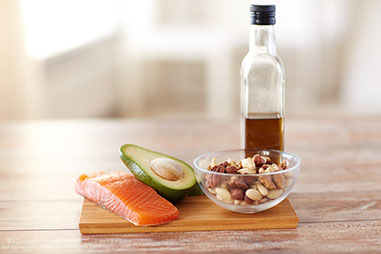
    Image of healthy fats.

    Low-fat diets and low-fat foods have been around for years. But should we really be avoiding fat for better health?

    The answer isn’t simple. Although quantity of fat does matter, quality is also very important. Your body needs some fat to function and stay healthy. So, eating the right kinds of fats can have health benefits.

    The different kinds of fats

    The American Heart Association recommends no more than 35 percent of your total calories from fats. And most, if not all, should be from healthy sources.

    *Saturated fatcomes mostly from animal products, such as meat and full-fat dairy. Saturated fat may raise cholesterol. So limit it to 6 percent of your total daily calories.

    *Trans fatsare found in some processed foods. If the ingredients list partially hydrogenated oil, the food contains trans fats. These fats raise “bad” LDL cholesterol and lower your “good” HDL cholesterol. Avoid trans fats as often as possible.

    *Monounsaturated and polyunsaturated fatsare healthy fats that can improve cholesterol and decrease the risk of heart disease. They should be used in place of saturated fats and trans fats.

    What to eat for healthy fats

    These foods contain healthy fats. But, stay within your calorie limits to avoid weight gain.

    Omega-3 is a polyunsaturated fat that is considered heart healthy. Good sources of omega-3 include:

    *  Fatty fish, such as salmon, albacore tuna and sardines – Enjoy fish up to twice per week.

    *  Canola oil – Use canola in place of butter, margarine or other cooking oils.

    *  Eggs – Some companies feed their chickens a diet high in omega-3s, which leads to more of this fat in the eggs. Check for omega-3 content on the label.

    *  Walnuts – Try walnuts in breads and on salads.

    *  Flaxseeds – Look for ground (not whole) flaxseeds and add them to cereal, yogurt and smoothies.

    Monounsaturated fats can be a healthy addition to your diet, especially if you eliminate saturated and trans fats. Foods that have monounsaturated fats include:

    *  Nuts – Because nuts are high in calories, keep portion sizes small. Love peanut butter? Avoid those with added sugar, salt or hydrogenated oil.

    *  Avocados – Use them in dips, smoothies, salads, sandwiches and pasta.

    *  Olive oil – Use it in salad dressings and stir frys and as a dip for whole grain bread.

    Food labels will tell you what the saturated and trans fat content is, so check this before you buy.

    Sources: American Heart Association, Academy of Nutrition and Dietetics

    © American Institute for Preventive Medicine
  • Wellness Gifts

    FAMILY LIFE

    Image of soccer ball with ribbon around it.

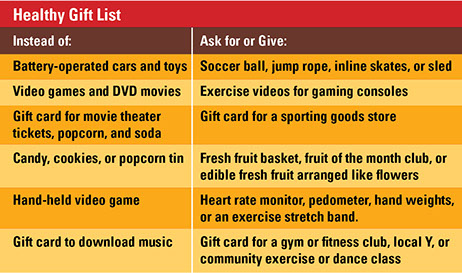
    Give presents that promote a healthy lifestyle. Keep health in mind when making your list and checking it twice.

    Ask for or give “Gift of Time Coupons” for shoveling snow, cooking a healthy meal, cleaning the house, and doing other active household chores throughout the year.

    © American Institute for Preventive Medicine

  • Ways To Improve Heart Health

    HEALTHY EATING

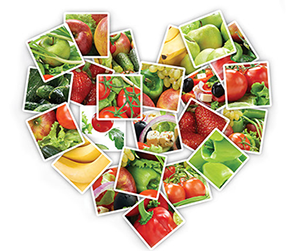
    Images of fruits and vegetables shaped into a heart.

    (With ingredients in the foods you already eat)

    Poor diet increases the risk of high blood pressure, high cholesterol, and poor circulation-3 major factors that affect overall heart health. Know which nutrients and foods in your diet may decrease risk for heart disease-the number one cause of death in the U.S.

    Phytosterols:Compounds similar to cholesterol that are found in all edible plants. They help reduce low density lipoprotein (LDL) cholesterol, which is a main risk factor for heart disease.

    Cocoa flavanols:Can help maintain the elasticity of blood vessels, which contributes to normal blood flow. Quite simply: dark chocolate.

    Omega-3 fatty acids:Primarily found in fish. Have been shown to decrease triglyceride levels, potentially lowering blood pressure.

    Hydroxytyrosol:An antioxidant found in olive oil, protects blood lipids (fats) from oxidative damage.

    Blueberries: May reduce high blood pressure.

    Oat beta-glucan:Daily consumption of at least 3 grams (your morning cereal) effectively lowers cholesterol.

    Grape seed extract:Shown to support blood pressure within a normal range. This is ground up seeds from red wine grapes.

    Vitamin K:Helps to keep excess calcium out of blood vessel walls and improve cardiovascular health. Found in green leafy vegetables.

    Dairy:Daily consumption of low-fat milk products decreases the risk of high blood pressure.

    Almonds:Improves serum fatty acid profiles and decreases the overall risk of heart disease (a handful a day).

    Walnuts:Good source of omega-3 fatty acids and alpha linolenic acid (ALA) which help your heart by preventing dangerous heart rhythms that can lead to heart attacks.

    © American Institute for Preventive Medicine

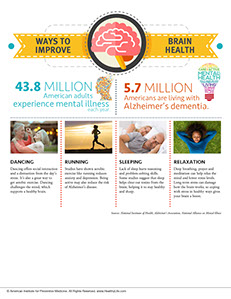
  • Ways To Improve Brain Health

    MEDICAL NEWS

    Image of older couple dancing.

    Dancing

    Dancing offers social interaction and a distraction from the day’s stress. It’s also a great way to get aerobic exercise. Dancing challenges the mind, which supports a healthy brain.

    Running

    Studies have shown aerobic exercise like running reduces anxiety and depression. Being active may also reduce the risk of Alzheimer’s disease.

    Sleeping

    Lack of sleep hurts reasoning and problem-solving skills. Some studies suggest that sleep helps clear out toxins from the brain, helping it to stay healthy and sharp.

    Relaxation

    Deep breathing, prayer and meditation can help relax the mind and lower stress levels. Long-term stress can damage how the brain works, so coping with stress in healthy ways gives your brain a boost.

    Sources: National Institutes of Health, Alzheimer’s Association, National Alliance on Mental Illness

    © American Institute for Preventive Medicine
  • Ways To Cope With People You Don’t Like -Especially When You Have To

    SUCCESS OVER STRESS

    Image of a group of co-workers.

    Can’t stand your in-laws? Work with someone you despise? People are often forced to deal with others they dislike either in a family- or work-related situation. A University of Missouri-Columbia communication professor looked at what people will do to distance themselves from those they dislike.

    *  Interact with the person only in a group setting.

    *  Avoid asking the other person questions.

    *  Treat the other person as eccentric in some way and merely tolerate his or her behavior.

    *  Fail to acknowledge the other person’s presence.

    *  Actively reject a person from a conversation.

    *  Avoid jokes and light-hearted conversation.

    *  Speed up interactions and get it over with as quickly as possible.

    Successful work and social life depends on our ability to maintain relationships, even with people who dislike each other, said Jon Hess, whose study appears in Human Communication Research.

    © American Institute for Preventive Medicine

  • Watermelon Feta Salad

    HEALTHY EATING

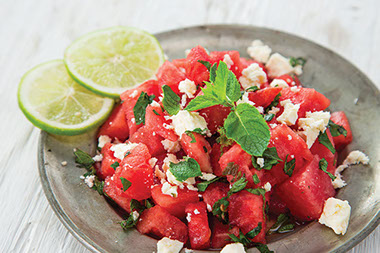
    Image of a watermelon feta salad.

    Ingredients

    7-8 lb. seedless watermelon, chilled

    1/2 cup extra virgin olive oil

    3 limes, juiced

    1/2 cup fresh mint leaves

    1-1/2 tsp salt

    3/4 tsp pepper

    1 cup crumbled feta cheese

    Directions

    Cut off watermelon rind and chop fruit into 1-inch chunks. Place chunks in a colander to drain. Chop up mint. Toss with the watermelon chunks and dressing (see recipe below). Sprinkle feta cheese on top. Serve immediately.

    To make the dressing:

    In a small bowl, whisk together olive oil, fresh lime juice, salt and pepper.

    Serves 8: Per serving: Calories: 233; Total Fat: 18 g; Saturated Fat: 5 g; Sodium: 211 mg; Total Carbohydrate: 18 g; Dietary Fiber: 1.5 g; Protein: 4 g

    © American Institute for Preventive Medicine
  • Water Safety Tips You Need To Know

    SELF-CARE CORNER

    Image of mother and young child in the pool.

    When the summer sun beats down, many people flock to water for cooling relief and fun. Swimming, boating and water activities are a favorite pastime for many Americans. But, it’s important to know the dangers of water and how to keep yourself and your loved ones safe.

    The Centers for Disease Control and Prevention says more than 3,500 people DROWN in the U.S.  each year in swimming (non-boating) related accidents.

    Most of these are children under the age of 14.

    And according to the U.S. Coast Guard,

    hundreds more die in boating-related accidents

    each year – and the majority of them are DUE TO DROWNING.

    Most drownings are preventable –

    so here’s what you should do any time you’re around water:

    *Keep pools gated and locked.Home pools should be enclosed with a locked fence that’s at least 4 feet high.

    *Always supervise.Children drown within seconds, not minutes. And, there’s typically no screaming, splashing, or other noise. Keep your eyes on children in the water at all times. Don’t turn your back, even for “just a minute.”

    *Wear life jackets.Many boating-related deaths could be avoided if all passengers wore U.S. Coast Guard-approved life jackets. Children should also wear them when swimming.

    *Consider swimming lessons.Children and adults can benefit from knowing how to swim, and it can reduce the risk of drowning.

    *Learn CPR.Giving cardiopulmonary resuscitation (CPR) can save lives if given quickly after a water accident.

    *Stay sober.Alcohol and water don’t mix – so don’t drink if you’re boating, swimming or supervising children in the water.

    *Watch the weather.If there’s a chance of strong winds or a thunderstorm, stay out of the water.

    *Watch for rip currents in natural bodies of water.A rip current is a powerful current that you can’t see, but can quickly take even a grown adult underwater. If you feel one pull you down, swim parallel to the shore until you get free. Don’t try to fight it or swim toward the shore.

    *Know the boating laws.There are state and federal laws that boaters must follow. Learn about them atwww.uscgboating.org. You can also look into boating safety courses and safety checks for your boat on this website.

    © American Institute for Preventive Medicine

  • Watch List For Winter Weather Activities

    BE FIT

    Image of women with skis.

    Winter weather doesn’t have to derail your exercise routine, says a Saint Louis University exercise expert. As you adjust to darker days, colder temperatures, and slippery surfaces, it’s important to be mindful of safety issues that come with the territory of winter workouts.

    “A change in weather should bring a change to your mindset. As temperatures get colder, it’s important for athletes to adjust their routines,” said Dr. Tony Breitbach, director of athletic training education.

    Dr. Breitbach offers the following tips to avoid injury during winter months:

    *Watch what you wear.Dress in layers for outside exercise. Next to your skin, wear a  breathable wicking material, not cotton because it retains sweat. Next, add a thermal layer of fleece or cotton to keep in heat. Use a third, outer layer as a cover. As you start to heat up, you’ll be able to peel off layers to manage your comfort level.

    *Watch for pain.Your furthest extremities are the first to be affected by the cold. If you get pain or tingling in your ears, fingers, or toes, it’s time to go inside to warm up.

    *Watch your hydration.Staying well-hydrated is another concern during cold winter months due to dry air and indoor heat. Drink plenty of fluids, but be sure to avoid caffeine and alcohol-based beverages, which also lead to dehydration.

    *Watch for hazards.Use caution when running after dark. Wear light-colored, reflective clothing so drivers can see you.

    *Watch out for overuse.Winter weather can limit outdoor exercise options such as running in the park, golfing, and swimming. So be careful to avoid over-doing it with one activity. Working out on hard, unforgiving surfaces like gym floors or concrete can worsen any over-use issues you have. Think outside the gym. Be creative; try ice-skating, cross-country skiing, or a yoga class.

    © American Institute for Preventive Medicine