Blog

  • Wash That Lettuce

    HEALTHY EATING

    Close up image of hands washing lettuce.

    While it is important to thoroughly wash most fresh fruits and vegetables, if packaged greens are labeled “ready-to-eat,” “washed,” or “triple washed,” then the product does NOT need to be washed at home.

    Pre-washed greens have been through a cleaning process immediately before going into the bag. Re-washing and handling the greens creates opportunities for contamination.

    Always handle pre-washed greens with clean hands and make sure cutting boards, utensils, and countertops are clean, according to the Partnership for Food Safety Education.

    © American Institute for Preventive Medicine

  • Wash Away The 5 Most Common Handwashing Myths

    WELL-BEING

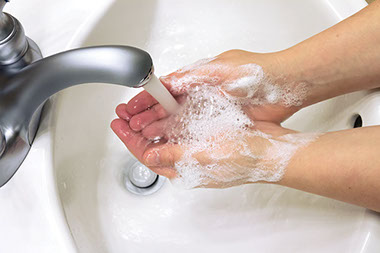
    Image of hands being washed with water and soup.

    Think you know how to wash your hands? Think again. A 2013 study in the Journal of Environmental Health showed that only 5% of people properly wash their hands on a daily basis. Cintas Corporation and Henry the Hand Foundation have teamed up to dispel the  5 most common handwashing myths.

    Keeping hands clean is one of the most important ways to avoid getting sick and spreading germs. Researchers at the NIH found that people touch their faces on average 3.6 times per hour. So handwashing is the answer. Test your knowledge about the best way to clean your hands.

    1. It doesn’t matter how long I wash my hands as long as I use soap – FALSE

    The next time you’re in the restroom and washing your hands, think of the chorus of your favorite song. Studies show that you should scrub your hands with soap for a minimum of 15-30 seconds in order to effectively remove germs.

    2. Hand sanitizers can replace washing your hands with soap and water – FALSE

    Washing hands with soap and water is the best and most effective way to reduce the number of microbes and germs on hands. Although alcohol-based (at least 60%) hand sanitizers can quickly reduce the number of germs on hands in some situations, they are not as effective as soap and water when it comes to removing and inactivating dangerous gastrointestinal illness-causing germs.

    3. The hotter the water you use for handwashing, the better – FALSE

    Studies show that water temperature does not affect germ removal. In fact, there is no research to prove that higher temperatures improve handwashing at all. Hotter water can also dry out skin, which leaves your skin more susceptible to germs and can make handwashing painful. It is best to wash your hands with the temperature that you find comfortable.

    4. You don’t have to dry your hands after washing them – FALSE

    Studies show that germs can be more easily transferred to and from wet hands, which is why drying hands is essential to staving off bacteria after handwashing.

    5. Hand dryers are more hygienic than paper towels – FALSE

    Researchers found that paper towels are superior to air dryers and can help remove bacteria, unlike air dryers, which can increase bacteria counts. Because air dryers have been shown to spread bacteria between 3 and 6 feet from the device, paper towels are also far less likely to contaminate other restroom users.

    © American Institute for Preventive Medicine

  • Wash And Eat

    HEALTHY EATING

    Image of man holding a bowl of fruit.

    Pesticides are compounds that help to protect crops from devastating pests and weeds. Whether conventional or organic, farmers safely and carefully use pesticides as necessary to control insects, weeds, and fungus (organic farming does permit the use of certain pesticides), says the International Food Information Council.

    Pesticide residues are tiny amounts of chemicals that may remain on food from their application to crops while being grown on the farm. Some crops are less susceptible to pesticide residues, such as those with a husk (corn), shell (peanuts), or skin (bananas). However, even those without an outer layer are safe to eat, and simply washing raw fruits and vegetables before eating them removes most traces of pesticide residues.

    © American Institute for Preventive Medicine

  • Warning Sign For Fragile Bones

    MEDICAL NEWS

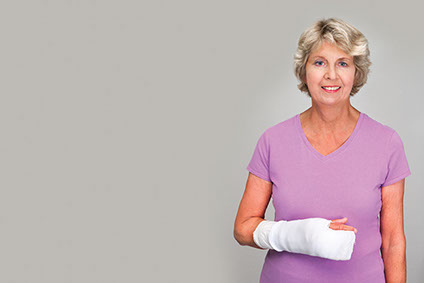
    Image of older women with a broken arm.

    A broken wrist is a warning sign, according to the International Osteoporosis Foundation. If you’re an adult age 50 or over and have broken your wrist, get tested for osteoporosis, they urge.

    Osteoporosis is a chronic “silent” disease that causes bones to weaken and become more fragile and breakable. At age 50, up to 1 in 2 women and 1 in 5 men will go on to suffer a brittleness fracture in their lifetimes. Fractures can result in pain, disability, loss of quality of life and independence, or even early death.

    Consider these facts from the IOF:

    *  A first fracture doubles the risk for future fractures.

    *  One in 4 women who suffer a vertebral (spinal) fracture will experience another fracture within one year.

    *  50% of all hip fractures come from 16% of the postmenopausal women with a history of fracture, including wrist fractures.

    *  Despite the fact that a first fracture is a clear warning sign, only 2 in 10 patients with initial bone breaks get a follow-up test for osteoporosis or risk of falls.

    *  Osteoporosis can be treated and bones can become stronger.

    © American Institute for Preventive Medicine

  • Want To Quit? Start Here

    WELL-BEING

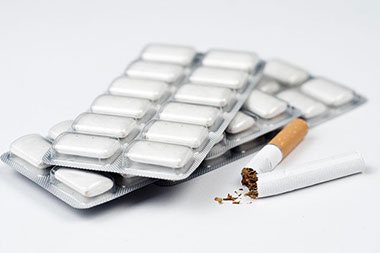
    Image of broken cigarette and nicotine gum.

    There’s no one right way to quit smoking. Some people find that they just quit on their own. Others use medical treatments to help. If you’re thinking about quitting, you have several options:

    *  Attend support groups or counseling

    *  Get your doctor’s advice and support

    *  Choose medicines that contain nicotine and help with nicotine addiction, including patches, gum, lozenges, inhalers and nasal spray. Some are available in stores and others need a prescription.

    *  Find a prescription medicine that doesn’t contain nicotine and still helps a person quit smoking.

    *  Go cold turkey: stop completely, all at once, without any help.

    *  Slowly decrease the amount of cigarettes smoked each day until you stop altogether.

    Counseling and medicine together may be more helpful than using just one method. Sometimes, you may need to try a few different approaches to find the one that works for you.

    Get free quitting help by phone

    If you’d like to talk with someone about quitting, call 1-800-QUIT-NOW (1-800-784-8669). This service is FREE and may include support and advice, a quit plan, free or discounted medications and other resources.

    Free quitting help online

    For those with a computer or tablet, help with quitting is just a few clicks away. Smokefree.gov offers a number of resources to help people quit smoking. There are tools and tips, information and support throughout the process of quitting.

    Source: Centers for Disease Control and Prevention, National Institutes of Health

    Reasons to quit smoking

    Quitting smoking isn’t easy. But, it means you will start to become healthier within just minutes of quitting. Take a look at the benefits of quitting:

    *  20 minutes after quitting: Blood pressure and heart rate gets lower.

    *  12 hours after quitting: Carbon monoxide levels in the blood go back to normal.

    *  2 weeks to 3 months after quitting: Lungs start to work better and blood circulation gets better.

    *  1 to 9 months after quitting: Lungs can handle mucus and recover from infections more easily. This means less coughing and shortness of breath.

    *  1 year after quitting: The risk of a heart attack drops dramatically. The increased risk of heart disease is cut in half.

    *  2 to 5 years after quitting: Risk of a stroke is now the same as a non-smoker.

    *  5 years after quitting: Risk of several cancers is slashed in half. This includes cancers of the bladder, mouth, throat and esophagus.

    *  10 years after quitting: Risk of lung cancer decreases by half. Risk of cancer of the voice box and pancreas drop.

    *  15 years after quitting: The risk of heart disease drops to that of a non-smoker.

    Don’t forget about benefits to your appearance. Yellowed teeth and fingers can become a thing of the past, as well as bad breath and smoke odors on clothes and in hair. Tobacco also causes wrinkling of the skin and tooth loss, so quitting can mean better skin and a brighter smile.

    It’s never too late to quit. Quitting at any age can extend a person’s life, reduce or eliminate health problems, and lower the risk of dying from smoking-related diseases.

    Source: American Cancer Society

    © American Institute for Preventive Medicine

  • Want To Eat Healthier?

    HEALTHY EATING

    Image of family eating dinner at the kitchen table.

    Then cook meals at home

    People who frequently cook meals at home eat healthier and consume fewer calories than those who cook less, according to Johns Hopkins Bloomberg School of Public Health research.

    “When people cook most of their meals at home, they consume fewer carbohydrates, less sugar and less fat than those who cook less or not at all-even if they are not trying to lose weight,” according to a study in Public Health Nutrition.

    © American Institute for Preventive Medicine

  • Wallet-Friendly Workouts

    BE FIT

    Image of bike in the field.

    Finances are one of the biggest reasons people don’t join a gym. A monthly gym membership fee can take a big bite out of a budget, but that doesn’t mean you should throw in the towel on exercise.

    You can get all of the benefits of exercise at little to no cost with these tips:

    *  Use home items as workout tools. Instead of buying weights, use canned goods or fill used gallon jugs with water or sand.

    *  Put gravity to work for you. Many resistance exercises use only your body weight and gravity to help you get stronger. Think push-ups, squats, crunches, leg lifts, and arm raises.

    *  Use the stairs in your home for a step training workout. Or, use a low, sturdy step stool. Play music while stepping.

    *  Borrow fitness DVDs from your library, or look for used ones at garage sales.

    *  Utilize community resources. Some fitness centers, senior centers, and community programs offer free or low-cost fitness classes. Local hotels or schools may have a minimal fee to swim in the pool at select times. Walk a local walking path or step through a scenic park for fresh air and fitness.

    *  Consider used items. Many people will sell their used bikes, weight machines, treadmills, and other equipment at a fraction of the cost of a new item. Stop by local yard sales or look for local “yard sale” groups on social media.

    *  Try just shoes and an app. If you already have a smart phone, there are many free or low-cost fitness apps available to keep you motivated. Lace up your walking shoes and start tracking your progress with the app to keep you motivated and on track. YouTube also offers a variety of workout programs that allow you to exercise at home.

    © American Institute for Preventive Medicine

  • Walking Off The Midway Munchies

    BE FIT

    Image of couple walking at a state fair with cotton candy.

    How far will you need to walk to burn off the calories of some of your favorite state fair foods? University of Nebraska Extension has it all calculated:

    *  Corn dog, large: 4.5 miles

    *  Cotton candy: 1.5 miles

    *  Fried candy bar on a stick: 4.5 miles

    *  Funnel cake, 6-inch diameter: 3 miles

    *  Soft drink, 32 oz.: 2.5 miles

    *  Sno-cone: 2.5 miles

    *  Soft pretzel: 3 miles

    So wear comfortable shoes and plan to walk off what you eat. But be prudent. Choose a small soft drink or bring along bottled water. Save your calories for the splurges. Split a funnel cake among friends; share that fried candy bar so everyone gets a bite. Limit yourself to one treat.

    © American Institute for Preventive Medicine

  • Walk Off Stress, Naturally

    SUCCESS OVER STRESS

    Image of an older Asian couple walking.

    At work, at home, even in the car, stress is a constant struggle for many people. Unmanaged stress can lead to serious health conditions such as high blood pressure, heart disease, obesity, and diabetes.

    “The American lifestyle is fast-paced and productive, but can be extremely stressful. If that stress it not addressed, our bodies and minds can suffer,” said Dr. Aaron Michelfelder, professor of family medicine at Loyola University Chicago Stritch School of Medicine.

    Our bodies need sleep to rejuvenate, and if we are uptight and stressed, we aren’t able to get the rest we need. This can lead to serious physical and mental health issues, which is why it’s extremely important to wind down, both body and mind, after a stressful day.

    According to Dr. Michelfelder, one of the best ways to wind down and reconnect after a stressful day is by taking a walk. Though any walking is good, walking in the woods or in nature has been proven to be even better at reducing stress and improving your health.

    “When we get to nature, our health improves,” he said. “Our stress hormones rise all day long in our bloodstream and taking even a few moments while walking to reconnect with our inner thoughts and to check in with our body will lower those damaging stress hormones. Walking with our family or friends is also a great way to lower our blood pressure and make us happier.”

    Research out of Japan shows that walking in the woods also may play a role in fighting cancer. Plants emit a chemical called phytoncides that protects them from rotting and insects. When people breathe it in, there is an increase in the level of “natural killer” cells, which are part of a person’s immune response to cancer.

    “When we walk in a forest or park, our levels of white blood cells increase and it also lowers our pulse rate, blood pressure and level of the stress hormone cortisol,” Dr. Michelfelder said.

    He also suggests reading, writing, meditating or reflecting to help calm the mind after a long day. To help calm the body, yoga and breathing exercises also are good.

    “If you want to wind down, stay away from electronic screens as they activate the mind. Electronic devices stimulate brain activity and someone’s post on Facebook or a story on the evening news might cause more stress,” he said.

    © American Institute for Preventive Medicine