Blog

  • Vitamin D-What You Need To Know

    SELF-CARE CORNER

    Image of sun rising behind green hills.

    Without vitamin D, your bones may not grow strong at any age. Why? Because for your bones to make the best use of calcium, they need  vitamin D, says Robert P. Heaney, MD, researcher and professor in the Osteoporosis Research Center at Creighton University.

    But did you know that even mild shortages of vitamin D can contribute to diabetes, some cancers, high blood pressure, heart disease, and pregnancy problems? “Asking the body to deal with these disorders without adequate vitamin D is like asking a fighter to enter battle with one hand tied behind his back,” said Dr. Heaney. Vitamin D is a chemical that our body’s tissues use to produce biochemical products required for daily life. It’s less important to understand the process. It’s more important to know where to get vitamin D and how much you need.

    Some Facts

    *  Your skin produces vitamin D when you are exposed to certain rays of the sun. If you never get sunshine on your skin, you will not get enough ultraviolet radiation for your skin to make vitamin D.

    *  Sunlight in winter in most of the U.S. is so weak, it does not allow you to produce enough vitamin D, even if you’re outside in winter during midday.

    *  During summer months, a light-skinned person wearing a bathing suit will make about 15,000 IU of vitamin D in 15 to 20 minutes. Darker-skinned people can do the same, but it will take twice as long.

    *  Sunscreen blocks the radiation and prevents your skin from making vitamin D. Brief sun exposure, said Dr. Heaney, is not enough to cause skin cancer. He suggested you apply sunscreen after the first 15 minutes in the sun.

    *  Some food has vitamin D but not much. Vitamin D is added to many foods such as milk, some yogurts and orange juices, cheese, and breakfast cereals. Read the labels to see how much.

    *  Because most of us do not get enough sun exposure (or choose not to) or enough vitamin D in food, Dr. Heaney suggests taking supplements of vitamin D3, the natural form. The label should say cholecalciferol (vitamin D3) or ask the pharmacist which supplement is best.

    *  Vitamin D is safe to take. You may take supplements daily, weekly, or monthly. The important point is that you need to maintain a high enough blood level of vitamin D. This is measured by a blood test.

    *  Dr. Heaney recommends, based on his research, that adults take supplements providing from 1,000 to 3,000 IU per day. This number is higher than the 600 to 800 IU Recommended Dietary Allowance per day. Follow your doctor’s advice for vitamin D.

    *  Talk with your doctor about testing your blood level and discussing how much supplementation you may need in both summer and winter.

    © American Institute for Preventive Medicine
  • Vinegar Can Be Tasty – And Healthy

    HEALTHY EATING

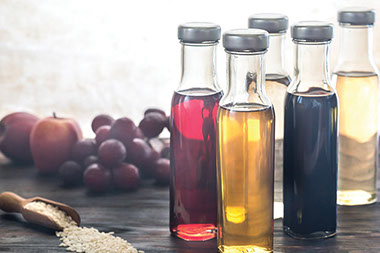
    Image of a varity of different vinegars.

    White vinegar has a number of household uses. Some people use it for cleaning, laundry and flushing out the coffee maker. It’s also been used for centuries to preserve food, especially vegetables.

    But don’t let the strong vinegar odor turn you off from all vinegars. In fact, there are many different types that are both healthful and delicious. Many of them have a mild, pleasing taste that pairs well with a variety of foods. Some are even naturally sweet enough to dress up fruits and healthy desserts.

    Vinegar is made when a liquid that contains starch and sugar is fermented. It comes from the French words “vin” and “aigre” which mean “sour wine.” The liquid ferments into alcohol, then ferments again into vinegar. It is believed that vinegar was made by chance thousands of years ago when some wine was left too long in its cask.

    The right vinegar can add flavor without adding sodium, calories, fat or unhealthy additives. It can add acidity to soups and stews, or works well for marinating meat and vegetables.

    Go beyond the standard vinegar and oil combination and check out these delicious vinegars in your next cooking experiment. There are dozens of types of vinegars, and some can be difficult to find except in specialty stores. The following types are generally easy to find in most stores.

    Distilled white vinegar

    The most common type seen in stores, it is made from fermented alcohol. White vinegar has a strong taste and odor and is great for making pickles, poached eggs and buttermilk.

    Balsamic

    Made from fermented grapes, balsamic becomes sweeter and almost like syrup the longer it ages. It adds flavor to pasta and vegetarian dishes and pairs well with fruit.

    Apple cider vinegar

    Made from fermented apples, apple cider vinegar is very versatile. It adds zest and subtle sweetness to salad dressings and slaws, as well as meat marinades.

    Malt vinegar

    This light brown vinegar, made from barley, is commonly used on french fries and fish and chips. Use it on healthier choices like baked potatoes and grilled chicken for a kick that’s not too overwhelming.

    Red wine vinegar

    This lively, strong tasting vinegar is ideal for meat marinades and dark sauces.

    White wine vinegar

    Don’t confuse this with distilled white vinegar. It is also much milder than red wine vinegar. White wine vinegar is great for those who want a subtle taste or who don’t want to change the color of their food.

    Rice vinegar

    Plain rice vinegar is mild and clean-tasting. It works well with most recipes that require vinegar without a strong taste, especially stir-fries and salad dressings.

    © American Institute for Preventive Medicine

  • Vietnamese Fresh Spring Rolls

    HEALTHY EATING

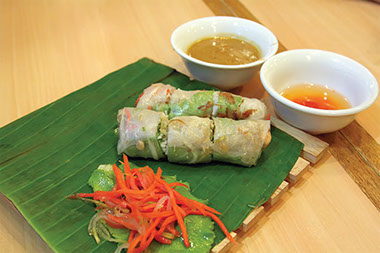
    Image of Vietnamese spring rolls.

    Ingredients

    1 cup carrots, cut into long, thin strips

    2 cups bean sprouts

    2 cups cucumber, seeded and cut into long, thin strips

    1 cup minced scallions/green onions

    1/2 cup chopped fresh cilantro

    1/4 cup chopped fresh mint

    8 rice paper wrappers (ask at your supermarket)

    Directions

    Toss first 6 ingredients in a large bowl. Soak one rice paper wrapper in warm water until soft (1 to 2 minutes). Shake off excess water. Place vegetable filling off-center on rice paper and fold like an egg roll (tuck sides to keep filling inside). Repeat with remaining vegetable filling and wrappers. Serve immediately.

    Makes 8 servings. Per serving (1 roll): 70 calories, 1 g fat, 28 mg sodium, 2 g fiber, 3 g protein, 16 g carbohydrates

    From the NIH Your Health Is Golden! Heart Health Promotion Activities for Vietnamese Communities

    © American Institute for Preventive Medicine
  • Video Warfare

    FAMILY LIFE

    Image of two kids playing video games.

    Children learn from video games, say Iowa State University psychology professors. So parents may want to shop smart when choosing games for their children. Even if the content is unrealistic or cartoonish, kids learn good behaviors (playing drums) or bad behaviors (aggressive tactics) by practicing.

    Professors Craig Anderson and Doug Gentile-leading experts on the effects of video games on young people and authors of the book Violent Video Game Effects on Children and Adolescents, say, “Parents and researchers initially believed that what mattered most about violent games was how realistic and bloody they were. Our research now suggests that what matters most is whether you have to harm other characters to advance in the game.”

    Follow their advice to parents before making a video game purchase for children:

    *  Play the game, have someone else demonstrate it for you, or look at clips from the game on the game’s website.

    *  Then ask yourself the following questions: Does the game involve some characters trying to harm others? Does this happen frequently, more than once or twice in 30 minutes? Is the harm rewarded in any way? Is the harm portrayed as humorous? Are nonviolent solutions absent or less “fun” than the violent ones? Are realistic consequences of violence absent from the game?

    Two or more yes answers should cause parents to think carefully about the lessons being taught before purchasing that game for children. Some sports and fun music games may be better choices than warfare games.

    © American Institute for Preventive Medicine

  • Veggie Barley Salad With Orange Vinaigrette

    HEALTHY EATING

    Image of veggie barley salad with orange vinaigrette.

    Ingredients:

    1 cup pearl barley

    1 medium tomato (chopped)

    2 medium carrots (shredded)

    1 medium red, orange or yellow bell pepper (seeded and chopped)

    2 cups fresh spinach (chopped)

    1-1/2 ounces orange juice

    3 tablespoons olive or canola oil

    2 tablespoons apple cider vinegar  (or any other mild vinegar)

    1 teaspoon honey

    Salt and freshly ground black pepper

    Directions:

    1. Bring a large pot of water to a boil. Add barley and cook, uncovered, until tender, about 40 minutes. Transfer to a large bowl.

    2. Add the tomato, carrots, bell pepper and spinach, and stir to combine.

    3. In a small bowl, whisk together the orange juice, olive or canola oil, vinegar, honey, salt and pepper. Pour the vinaigrette over the barley salad and mix thoroughly.

    4. Refrigerate overnight for best results.

    Servings: 4.

    Calories: 294, Total Fat: 11 g, Saturated Fat: 2 g, Sodium: 81 mg, Total Carbohydrate: 44 g, Dietary Fiber: 8 g, Protein: 5 g

    Source: USDA Mixing Bowl

    © American Institute for Preventive Medicine

  • Vegetarian Spaghetti Sauce

    HEALTHY EATING

    Image of spaghetti with vegetarian sauce.

    Ingredients:

    2 Tbsp olive oil

    2 small onions, chopped

    3 cloves garlic, chopped

    1-1/4 cups zucchini, sliced

    1 Tbsp oregano, dried

    1 Tbsp basil, dried

    1 8 oz can tomato sauce

    1 6 oz can tomato paste*

    2 medium tomatoes, chopped

    1 cup water

    Directions

    1. In a medium skillet, heat oil. Sauté onions, garlic, and zucchini in oil for 5 minutes on medium heat.

    2. Add remaining ingredients and simmer covered for 45 minutes. Serve over spaghetti.

    Makes 6 servings; 3/4 cup each. Per Serving: 105 calories, 5 g fat, 0 mg cholesterol, 479 mg sodium*, 15 g carbohydrate, 4 g fiber, 3 g protein. *To reduce sodium, use a 6-oz can of low-sodium tomato paste. New sodium content for each serving is 253 mg.

    Source: National Heart, Lung, and Blood Institute, YOUR GUIDE TO Lowering Your Blood Pressure With DASH – Recipes for Heart Health

    © American Institute for Preventive Medicine

  • Vaccinations For Adults

    SELF-CARE CORNER

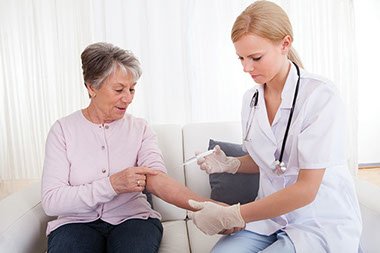
    Image of nurse giving a patient a shot.

    Do you think shots are only for kids? Actually, there are several important vaccines you need as an adult.

    Vaccinations protect yourself from disease, but also protect people around you. Young babies who aren’t yet vaccinated or people with weak immune systems can benefit from your vaccination. You will be less likely to spread an illness, such as whooping cough, to someone who is more likely to get sick.

    Don’t wait until it’s too late. Ask your doctor about which vaccines you may need at your next well visit.

    Adults may get shots for a variety of reasons:

    *  You need to be vaccinated for something that affects adults, such as the flu.

    *  You need boosters of vaccines you got as a child. This is because many vaccines start to lose their protection over time.

    *  You didn’t receive the complete set of vaccines in your youth and want to be protected now.

    The CDC says that all adults should get:

    *Influenza vaccine.This helps prevent influenza, or the flu. You get this every year.

    *Td vaccine.This protects you from tetanus and you should get one every 10 years.

    *Tdap vaccine instead of Td vaccine (one time only).This protects against tetanus and diphtheria plus whooping cough (pertussis). Pregnant women should get the Tdap vaccine during each pregnancy.

    *Pneumonia vaccine.This helps prevent certain bacteria that can cause pneumonia. Ask your doctor when you should get this vaccine.

    *Shingles vaccine.This can prevent shingles, a painful rash that can develop from a previous chickenpox infection.

    Other shots may also be recommended for you. Not every adult needs the same vaccines. Some will depend on your past vaccines, your age, lifestyle and health. Talk with your doctor about whether you need other shots.

    © American Institute for Preventive Medicine
  • Using This Credit Card May Be Bad For Your Health

    WELL-BEING

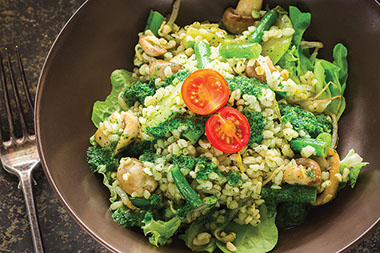
    Image of young women cutting up a credit card.

    High levels of credit card debt and the stress of having debt may be bad for your health, a study in Social Science & Medicine suggests. People who reported higher levels of stress about their debt showed higher levels of physical impairment and reported worse health than those with lower levels of debt.

    In the study, researchers asked people to rate their own health on a scale of very poor to very good. They rated how much they worried about their total debt. Researchers also asked how difficult it was for survey participants to do everyday activities such as climbing stairs and carrying groceries. Participants also reported how many credit cards they have and whether they carry a balance from month to month.

    But it didn’t matter how many credit cards a person had, the big stress factor related to health was the ratio of credit card debt to their total family income-in other words, how much you owe compared with what you earn.

    “The stress of owing money, and knowledge that we’re paying high interest rates, may lead to increased stress resulting in worsening health,” said the director of Ohio State’s Center for Survey Research. Credit counseling is one way to reverse debt-stress.

    © American Institute for Preventive Medicine

  • Use Spirituality To Boost Wellness

    WELL-BEING

    Image of women sitting in open field reading a book.

    Good physical health involves eating right, exercise and getting enough sleep. But many medical experts believe good health goes beyond physical things. There is some evidence to suggest that healthy spirituality can be linked to overall well-being.

    First, think about what spirituality is to you. It is something that connects your mind and spirit to something bigger than yourself. It can be your religion, morals, or something you’re passionate about, such as music, art or nature. Spirituality differs for everyone.

    An important part of overall health

    The American Academy of Family Physicians says a person’s spirituality can play a role in how they feel physically. Things like positive thinking, religious beliefs, prayer, meditation and other mindful activities can help you feel better and even help prevent some health problems.

    Spirituality may also help you cope better with stressful events and illnesses. While spirituality alone cannot heal illnesses or injuries, it may help in supporting a person’s overall health.

    How to improve spiritual health

    Anyone can work to improve their spiritual health. Think about things in your life that help you feel peaceful, comforted, joyful or connected. Make time regularly to do the things that fulfill you spiritually:

    *  Go to a religious meeting or service

    *  Take a meditation or yoga class

    *  Play your favorite sport

    *  Read a book

    *  Take a walk in a peaceful place

    *  Listen to relaxing or inspiring music

    Good spiritual health can help you live a healthier life. When you have a healthy spirit, you may be able to deal with challenges, such as a chronic illness or stressful events. Though it can’t solve all of life’s problems, spiritual practices can help you feel better and manage some of life’s struggles.

    © American Institute for Preventive Medicine
  • Use “Planned-Overs” Creatively

    HEALTHY EATING

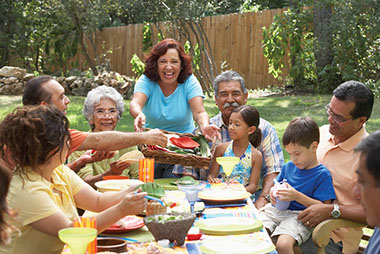
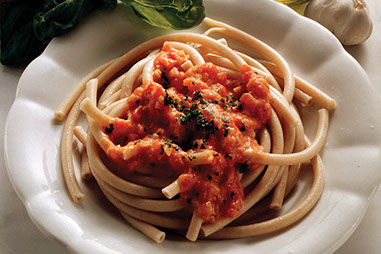
    Image of multi-generational family having dinner in the back yard.

    Making family-sized recipes can provide you with leftovers (or “planned-overs”) for future meals. Freeze the remaining food in meal-sized containers. Be sure to label the containers with the contents and date to avoid “surprise meals” later.

    Try using planned-overs in completely different recipes. For example, add leftover fruit to muffin, quick bread, or pancake batter. Freeze planned-over vegetables and use in stews, soups, and casseroles. Use extra bread to make French toast, bread pudding, or stuffing. Use planned-over meat in tacos, soup or stir-fry, or on salads.

    Suggestions from the University of Nebraska-Lincoln Extension Service.

    © American Institute for Preventive Medicine