Blog

  • Use Mindfulness At Work

    WORK LIFE

    Concept image of co-workers with graphics above them.

    With mindfulness-being focused and fully present in the here and now-you can replace multitasking habits with more directed practices to reduce stress and increase productivity,” said Dr. Romie Mushtaq, a neurologist with expertise in mind-body medicine. The result? You’ll be sharper, more efficient, and more creative.

    To clear away distractions and live in the moment, Dr. Mushtaq offers these tips for practicing mindfulness in a multitasking business:

    Focus on a single task for an allotted amount of time.

    You might say, “For 15 minutes, I’m going to read through my emails, and then for one hour, I’m going to make my phone calls.” If your job comes with constant interruptions that demand your attention, take several deep breaths and then prioritize them. Resist the urge to answer the phone every time it rings-unless it’s your boss. If someone asks you to drop what you’re doing to help with a problem, it’s okay to say, “I’ll be finished with what I’m doing in 10 minutes, then I’m all yours.”

    When you get “stuck” in a task, change your physical environment to stimulate your senses.

    Sometimes we bounce from one task to another because we just don’t have the words to begin writing that strategic plan, or we’re staring at a problem and have no ideas for solutions. That’s the time to get up, take a walk outside and look at the flowers and the birds or turn on relaxing music. Offering your senses pleasant and different stimulation rewires your brain for relaxation and reduces the effects of stress hormones, which helps to unfreeze your creativity center.

    Delegate!

    We often have little control over the external stresses in our life, particularly on the job. Have compassion for yourself, and reach out for help. If you can assign a task to somebody else who’s capable of handling it, do so. If you need to ask a colleague to help you out, ask.

    © American Institute for Preventive Medicine
  • Using Decongestants Safely

    SELF-CARE CORNER

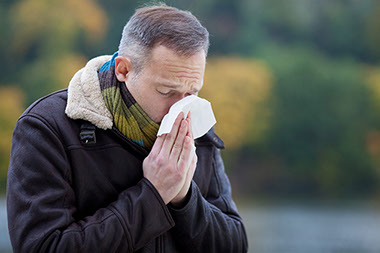
    Image of man sneezing into a tissue.

    As we approach the peak season for colds and flu, many people turn to over-the-counter medicines for relief. And if you have a stuffy nose (known as nasal congestion), you may be thinking about taking a decongestant.

    What are decongestants?

    Decongestants are medicines designed to relieve stuffiness and pressure in the nose and sinuses. The two over-the-counter decongestants available are phenylephrine (i.e., Sudafed PE) and pseudoephedrine. Pseudoephedrine are stocked behind a pharmacy counter, but you don’t need a prescription. Both medicines work by shrinking blood vessels in the nose, allowing air to pass through more easily.

    Are decongestants safe?

    Decongestants are safe when they are used properly. Here’s what to know before you take one:

    *  Read the label and be sure you understand how much you can take and how often to take it. If you’re not sure, ask your pharmacist or doctor.

    *  Know the active ingredients. Many cold and flu products contain several active ingredients. They are listed on the drug facts label at the top. Be sure you don’t accidentally take too much of one ingredient. For instance, many cold products contain acetaminophen, a pain reliever that can be toxic in high doses. If you’ve already taken a pain reliever with acetaminophen and you take the cold medicine too, you could take too much acetaminophen.

    *  Talk to your doctor before taking a decongestant if you have diabetes, heart conditions, high blood pressure, glaucoma, prostate problems or thyroid disease.

    *  If you take other over-the-counter or prescription medicines, ask your doctor if decongestants can be safely taken with your other medicines.

    *  Do not give decongestants or any cough or cold product to kids under 4 years of age. Ask your child’s pediatrician before giving them any medicines.

    *  Talk to your doctor if you need to take a decongestant for longer than a week.

    What about nasal sprays?

    Saline nasal sprays with no medicine in them are safe to use daily, as often as needed. These can help flush out allergens and mucus so you can breathe easier. Not sure if it’s just saline? Look at the drug facts label and be sure it contains only sodium chloride as the active ingredient.

    But, decongestant sprays that contain active ingredients are not safe to take for more than three days in a row. This is because your body can become dependent on them. When this happens, your nose may become even stuffier over time, and you’ll have to use more and more spray to get relief.

    Medicines can help you cope with bothersome cold and flu symptoms. But, be safe and savvy before you take them – and keep them in a locked cabinet out of children’s reach!

    Sources: American Academy of Family Physicians, Food and Drug Administration

    © American Institute for Preventive Medicine

  • Use Antibiotics Wisely

    MEDICAL NEWS

    Image of mother with sick child in bed.

    Antibiotics do not fight infections caused by viruses such as colds, flu, most sore throats, bronchitis, and many sinus and ear infections. Instead, symptom relief might be the best treatment option for viral infections, advises the CDC.

    Get smart about when antibiotics are needed-to fight bacterial infections. When you use antibiotics appropriately, you do the best for your health, your family’s health, and the health of those around you.

    Know that antibiotics

    *  Will not cure a viral infection

    *  Will not keep other people from getting sick

    *  Will not help you or your child feel better

    *  May cause unnecessary and harmful side effects

    *  May contribute to antibiotic resistance, which is when bacteria are able to resist the effects of an antibiotic and continue to cause harm

    Rest, fluids, and over-the-counter products may be your or your child’s best treatment option against viral infections.

    © American Institute for Preventive Medicine

  • Unexpected Ways To Be Happy (And Healthy)

    WELL-BEING

    Image of a couple jumping in a puddle while it's raining.

    *It’s easy being green.Make vegetables a central part of your diet. Dark green foods provide essential vitamins and nutrients to your body that protect you from many of life’s worst diseases. The FDA recommends 3 to 5 servings a day for pristine health. This is not as hard to accomplish as it sounds. Examples of one serving include 2 broccoli spears, 3 tablespoons of green beans, or 3 sticks of celery.

    *Brush your teeth.Brushing and flossing your teeth not only prevents tooth decay but gum disease, which has been linked to heart attacks and strokes. Healthy gums are one more way to keep that heart pumping strong.

    *Hear ye, hear ye!Pick up your local newspaper once in a while. There is more information out there than you can imagine. Sift through the bounty of news because when it comes to your health and health care, no one is more responsible than you are. Take time to understand what’s going on in the world.

    *Be a small fry.Order smaller portions. Even the small fries at fast food drive-throughs.

    *Give yourself a break.Not only are vacations an important part of maintaining your sanity, but there are many other positives about getting away. Studies  have shown that employees come back  to work post-vacation more creative and more productive.

    *Scrub a dub dub.The easiest way to avoid infectious diseases-a common cold, the flu-is by washing your hands often.

    *Then lend a hand.A study at Vanderbilt University found that volunteer work was good for both mental and physical health. People of all ages who volunteered were happier and had better physical health and less depression. Think about something you like to do in your spare time and find a match atwww.volunteermatch.org.

    © American Institute for Preventive Medicine

  • Understanding Your Gallbladder

    MEDICAL NEWS

    Image of man talking to his doctor.

    The hardest working digestive helper might well be your gallbladder, a pear-sized organ that sits just under the liver and next to the pancreas.

    The gallbladder stores bile, a thick liquid that’s produced by the liver to help digest fat. When you eat, the gallbladder’s thin, muscular lining squeezes bile into the small intestine through the main bile duct. The more fat you eat, the more bile the gallbladder injects into the digestive tract.

    Bile has a delicate chemical balance. It’s full of soluble cholesterol produced by the liver. This is a different type of cholesterol than the kind related to cardiovascular disease. If the chemical balance of bile gets slightly off, the cholesterol can crystalize and stick to the wall of the gallbladder. Over time, these crystals can combine and form gallstones.

    Gallstones can range from the size of a grain of sand to that of a golf ball. When the gallbladder injects bile into the small intestine, the main bile duct can become blocked by these stones. That may cause pressure, pain, and nausea, especially after eating meals.

    Gallstones can cause sudden pain in the upper-right abdomen, called a gallbladder attack. In most cases, though, people with gallstones don’t realize they have them.

    The causes of gallstones are unclear, but you’re more likely to have gallstone problems if you have too much body fat, especially around your waist, or if you’re losing weight very quickly.

    If left untreated, a blocked main bile duct and gallbladder can become infected and lead to a life-threatening situation. A surgeon can remove the gallbladder. You can live normally without it.

    Symptoms of a gallstone attack

    Talk with your doctor if you have:

    *  Severe pain in the upper-right side of the abdomen that starts suddenly and lasts from 30 minutes to many hours

    *  Pain under the right shoulder or in the right shoulder blade

    *  Indigestion after eating foods high in fat or protein, including desserts and fried foods

    Seek help right away if you have these signs of a serious attack:

    *  Abdominal pain that lasts more than 5 hours

    *  Nausea and vomiting

    *  Fever or chills

    *  Yellowish color of the skin or the whites of the eyes

    *  Dark urine or light-colored stools

    © American Institute for Preventive Medicine

  • Understanding Psoriasis – A Misunderstood Skin Condition

    MEDICAL NEWS

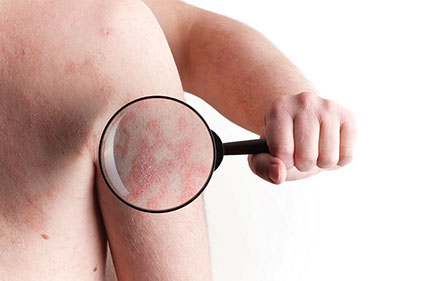
    Close up image of psoriasis on arm.

    Psoriasis is a chronic, genetic skin disease that’s not contagious. It results when faulty signals in the immune system prompt skin cells to redevelop too quickly, causing red, scaly areas that crack and bleed. It often affects the elbows, knees, scalp, and torso but can appear anywhere on the body.

    Psoriasis affects far more than the skin. It can have serious physical and emotional effects. Research shows that psoriasis can cause as much disability as other major diseases. Some people with psoriasis develop a type of arthritis.

    Often, people with psoriasis wear long sleeves and clothing that can cover the itchy and painful patches of skin to avoid embarrassment.

    There’s no cure but treatment with medications from a dermatologist can help.

    The National Psoriasis Foundation (www.psoriasis.org) is leading the drive to educate others about this condition that affects more than 7 million Americans.

    © American Institute for Preventive Medicine

  • Understanding Enlarged Prostate

    MEDICAL NEWS

    Image of older male smiling.

    Benign prostatic hyperplasia, sometimes called BPH or enlarged prostate, is a condition where a man’s prostate gland gets larger. It is the most common prostate problem for men older than age 50. And, up to 90 percent of men over age 80 have it.

    An enlarged prostate is not cancer, and for many men, it’s not serious. But, it can cause some symptoms that are bothersome, such as urinating too frequently, trouble starting or stopping urinating and incontinence. This happens when the prostate gets too large and blocks the urethra, which lets urine out of the body. Or, it can stress the bladder as it tries to force urine past the blockage.

    In rare cases, an enlarged prostate can cause serious problems such as kidney damage. That’s why it’s important to talk with a doctor about enlarged prostate and to follow your doctor’s recommendations.

    Don’t ignore these signs

    Enlarged prostate is usually not serious. But, some symptoms could signal a more serious problem. Get medical care right away if you notice any of these signs:

    *  Complete inability to urinate

    *  Fever and chills along with frequent and painful urination

    *  Blood in urine

    *  Severe pain in lower belly and/or urinary tract

    How enlarged prostate is treated

    Treatment is based on symptoms and lifestyle. Many men who have mild symptoms find that lifestyle changes can help. Some recommendations include:

    *  Drink less fluids, especially before bedtime or when you won’t be near a bathroom.

    *  Avoid caffeine and/or alcohol. These can irritate the bladder and increase urination, which can worsen symptoms of an enlarged prostate.

    *  Avoid medications that can cause urination problems, including cold medicines with decongestants, antihistamines for allergies, diuretics and some antidepressants.

    *  Train your bladder, which means to gradually hold urine for longer periods.

    *  Exercises to strengthen muscles in the pelvic floor region of your body.

    *  Prevent and/or treat constipation, which can irritate a stressed bladder.

    Lifestyle changes usually help improve quality of life for men with an enlarged prostate. But if they don’t, your doctor may discuss medications or minimally invasive procedures. Surgery is usually not needed, but it is an option for severe cases.

    Fortunately, this common health issue can be managed and treated. Get regular checkups with your doctor or urologist to keep symptoms under control.

    Sources: National Institutes of Health, National Institute of Diabetes and Digestive and Kidney Diseases

    © American Institute for Preventive Medicine

  • Understanding Carbs

    HEALTHY EATING

    Image of different type of breads.

    Carbohydrates (or carbs) are one of the main types of nutrients in our diets. Fats and protein are other nutrients.

    Carbs with a simple chemical structure are called sugars. Sugars are found naturally in foods such as fruits, vegetables, and milk products. They’re also added to many foods and drinks.

    Complex carbs, such as starches and fiber, are found in whole-grain breads and cereals and in starchy vegetables such as potatoes.

    Your digestive system changes the carbs you eat into glucose, a type of sugar that your body uses for energy.

    Simple carbs are more quickly digested and absorbed than complex carbs, so simple carbs can raise your blood glucose levels faster and higher. If you have diabetes, you need to manage your blood glucose levels. High blood glucose can damage your tissues and organs.

    It makes sense to eat more complex carbs, according to researchers at NIH. And not just people with diabetes, but everyone. Complex carbs are more gradually absorbed and help control blood sugar levels.

    Whole foods with complex carbs will give you more minerals and vitamins too and are usually good sources of fiber.

    Make Wise Carb Choices

    *  Try different kinds of beans and lentils.

    *  Choose cereals high in fiber (5 or more grams per serving, read the label for this information).

    *  Switch to whole grains. Look for whole-grain bread, whole-wheat pasta, brown or wild rice, barley, quinoa, and bulgur.

    *  Eat more fresh fruits and vegetables and drink less juice.

    *  Snack on fruit and small portions of nuts and seeds.

    *  Limit candy.

    © American Institute for Preventive Medicine

  • Under Pressure: What To Know About Glaucoma

    MEDICAL NEWS

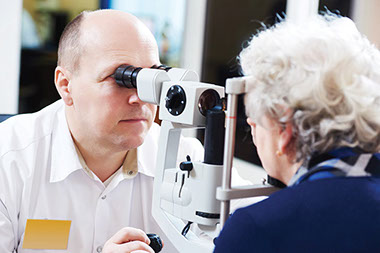
    Image of eldery women getting her eyes checked.

    Glaucoma is a leading cause of blindness for people over 60, so it’s important to know what you can do about it.

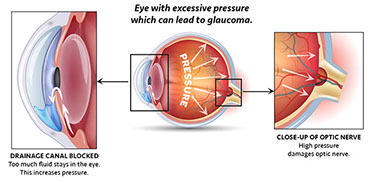
    Glaucoma happens when too much fluid builds up in the eye. This extra fluid causes pressure that damages the optic nerve. This damage cannot be undone once it happens. It can lead to loss of all or part of your vision. But, glaucoma can be managed and the damage to vision can be decreased with proper medical care.

    People at highest risk for glaucoma

    Anyone can get glaucoma. But certain groups of people may be more likely to get it, including:

    *  People with a family history of glaucoma

    *  African Americans over age 40

    *  Anyone over age 60, but Mexican Americans are especially at risk

    *  People who have high eye pressure, thin corneas or optic nerve problems

    *  People with high blood pressure that’s not well controlled

    Signs and symptoms

    Glaucoma often doesn’t have early signs and symptoms until damage has already been done. That’s why getting regular eye exams is so important. For many people, the first sign of glaucoma is loss of their peripheral (side) vision.

    Don’t assume you don’t have glaucoma because your eyes “feel fine.” Many people develop glaucoma without any symptoms.

    Illustration of eye with excessive pressure which can lead to glaucoma.

    What can you do about glaucoma?

    Glaucoma has no cure, but there are things you can do to slow it down and save your vision:

    *  If you have glaucoma, take your medicines every day. Ask your eye doctor how often you need to be seen, and stick to your appointments.

    *  Get a complete eye exam at least every 2 years or as often as recommended. This includes a dilated eye exam.

    *  Even if you don’t have glaucoma, ask your eye doctor about your risk. This includes telling your doctor about any family history of glaucoma.

    People with certain risk factors for glaucoma may be given special eye drops. These drops can lower the risk of getting glaucoma but they must be used regularly to be effective.

    If you are diagnosed with glaucoma, you and your doctor will discuss what treatment is best for you. It may depend on what type of glaucoma you have and how severe it is. Treatments may include:

    *  Eye drops that lower pressure in the eye

    *  Surgery done with a laser that helps the eye drain fluid better

    *  Traditional surgery that may include placing a new drainage tube in the eye

    Save your sight – see your eye doctor to get checked for glaucoma!

    Sources: American Academy of Ophthalmology, National Eye Institute

    © American Institute for Preventive Medicine
  • Ulcers Not Caused By Stress

    MEDICAL NEWS

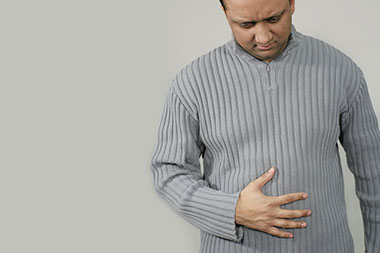
    Image of man holding this stomach.

    The lining of your stomach makes acid and enzymes that help break down food into the nutrients you need. The lining protects itself from acid damage by releasing mucus. But sometimes the lining gets inflamed and starts making less acid, enzymes, and mucus. This type of inflammation is called gastritis.

    You may have gastritis if you have pain or an uncomfortable feeling in your upper stomach. You could have nausea or vomiting. Or you may have no symptoms at all.

    Untreated, some types of gastritis can lead to ulcers. These are sores in the stomach lining.

    Some people think ulcers are caused by stress and spicy foods. But according to the NIH in Health, bacteria called H. pylori are often to blame. These bacteria break down the inner protective coating in the stomach and can cause inflammation.

    H. pylori can spread by passing from person to person or through contaminated food or water. Infections can be treated with antibiotics.

    One type of gastritis, called erosive gastritis, wears away the stomach lining. The most common cause of erosive gastritis is long-term use of medications called non-steroidal anti-inflammatory drugs. These include aspirin and ibuprofen. Stop taking these pain relievers and the gastritis usually clears up.

    Less common causes of gastritis include digestive disorders (such as Crohn’s disease) and autoimmune disorders in which the body’s protective immune cells attack healthy cells in the stomach lining.

    Gastritis can be diagnosed with an endoscope. A thin tube with a tiny camera on the end is inserted through the patient’s mouth or nose and into the stomach. The doctor looks at the stomach lining and may remove some tissue samples for testing. Treatment will depend on the type of gastritis found.

    Although stress and spicy foods don’t cause gastritis and ulcers, they can make symptoms worse. Milk might provide brief relief, but it also increases stomach acid, which can worsen symptoms. Your doctor may advise taking antacids or other drugs to  reduce acid in the stomach.

    Gastritis can lead to ulcers over time. Symptoms of ulcers include pain between the belly button and breastbone that starts between meals or during the night. It briefly stops if you eat or take antacids, lasts for minutes to hours, and comes and goes for several days or weeks.

    Contact your doctor right away if you have sudden sharp stomach pain that doesn’t go away, black or bloody stools, or vomit that is bloody or looks like coffee grounds.

    © American Institute for Preventive Medicine