
Blog

  • Don’t Fall For Health Fraud Scams

    SELF-CARE CORNER

    Image of middle-aged man thinking.

    The FDA offers some tip-offs to help you identify health fraud rip-offs.

    One product does it all.Be suspicious of products that claim to cure a wide range of diseases.

    Personal testimonials.Success stories, such as “It cured my diabetes” or “My tumors are gone,” are easy to make up and are not a substitute for scientific evidence.

    Quick fixes.Few diseases or conditions can be treated quickly, even with legitimate products. Beware of language such as “Lose 30 pounds in 30 days” or “Eliminates skin cancer in days.”

    “All natural.”Some plants found in nature (such as poisonous mushrooms) can kill when consumed even though they are perfectly “natural.” Also, FDA has found numerous products promoted as “all natural” but that contain hidden and dangerously high doses of prescription drug ingredients or even untested active artificial ingredients.

    “Miracle cure.”Alarms should go off when you see this claim or others like it such as “new discovery,” “scientific breakthrough,” or “secret ingredient.” If a real cure for a serious disease were discovered, it would be widely reported through the media and prescribed by health professionals-not buried in print ads, TV infomercials, or on Internet sites.

    Conspiracy theories.Claims like “The pharmaceutical industry and the government are working together to hide information about a miracle cure” are always untrue and unfounded. These statements are used to distract you from the obvious, common-sense questions about the so-called miracle cure.

    Even with these tips, fraudulent health products are not always easy to spot. If you’re tempted to buy an unproven product or one with questionable claims, check with your doctor or other health care professional first. You can file a complaint with the FDA at its website:www.fda.gov.

    © American Institute for Preventive Medicine
  • Tiny Blood Suckers

    SELF-CARE CORNER

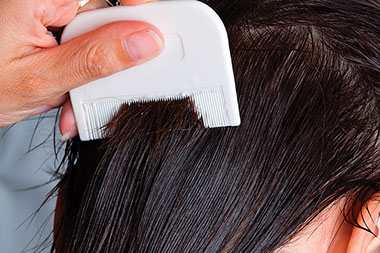
    Image of a person using a lice comb.

    Lice aren’t vampires, but they hold onto hair and bite into your scalp (or more likely into your children’s scalps) and feed on blood, according to Dr. Andrew Bonwit, a pediatric infectious disease expert at Loyola University. Usually, bites aren’t painful, he says, but they may itch.

    According to the CDC, an estimated 6 to 12 million lice cases occur each year among children 3 to 11 years old.

    “Parents and school staff may become understandably upset by outbreaks of head lice, but it is important to remember that if the problem occurs, it is treatable, although repeat applications of medicine are usually needed,” said Dr. Bonwit.

    Contrary to what you may think: Anyone can get head lice. It’s not a sign of uncleanliness. Pets don’t carry lice or spread them to you. And although you don’t want to use anyone else’s hairbrush, lice seem to be transmitted from head-to-head contact from one person to another. Lice don’t carry serious diseases, and kids with lice at school should see a doctor for treatment with shampoos.

    © American Institute for Preventive Medicine

  • Timing Is Everything: When To Exercise

    BE FIT

    Image of older couple brisk walking.

    Some people swear by a 6 a.m. run each day. Others are night-owls and hit the gym after dinner. Still others might go to a yoga class on their lunch hour. When is the right time of day to work out?

    Experts say there is no big difference in the time of day – as long as you stick with it. The key is to find a time that works for you and your schedule, according to the American Heart Association.

    Workout partners

    Studies show that people who have an exercise buddy are more likely to exercise regularly. If you can meet a friend at the gym or walk together, find a time that works for both of you.

    Think about sleep

    If you already have trouble falling asleep at night, a late-night workout probably won’t help. Exercise can make you feel more energetic and alert, instead of allowing you to wind down for rest. Schedule your workout at least two hours before you plan to go to sleep.

    Morning means consistency

    If you have a busy schedule, it may be easier to fit your workout into the early morning hours. People who exercise before work or other commitments find that they can get it done and “out of the way” before other things can interfere.

    Make it work for you

    If you dread going to the gym, you’re less likely to do it. Try different times of day and different routines to see which ones suit you best. Make it as fun as you can, and do it at a time of day when you feel your best. It can take two weeks or longer to build a habit, so give it a chance – and don’t give up if it’s difficult at first. You may find that over time, you have more energy and start to look forward to your exercise routine.

    Another reason to get moving

    During exercise, your body releases endorphins, which are special chemicals in the brain that reduce stress, relieve pain, and help you sleep better.

    Source: Anxiety and Depression Association of America

    © American Institute for Preventive Medicine

  • Timeout-And Other Effective Ways To Discipline Your Child

    FAMILY LIFE

    Image of young boy in a time out.

    As a parent, one of your jobs is to teach your child to behave. While this can take time, try not to get frustrated when your child does not behave. Instead, learn effective ways to discipline your child.

    When your child does not listen, the American Academy of Pediatrics says to try these techniques:

    *Natural consequences.It’s hard (for you), but let your child see what will happen if she does not behave (as long as it does not place her in danger). For example, if she throws and breaks her toy, she will not be able to play with it. It won’t be long before she learns to play carefully with her toys.

    *Logical consequences.These are the times when you will need to step in and create a consequence. For example, tell your child that if he does not pick up his toys, you will put them away for the rest of the day. Mean what you say. Be prepared to follow through right away. Be firm and respond calmly.

    *Withholding privileges.Tell your child that if she does not cooperate, she will have to give something up she likes. But never take away something your child needs, such as a meal. Choose something your child values that is related to the misbehavior. And take the item or privilege away right away if the child is younger than 6 or 7.

    *Timeout.Works well when a specific rule has been broken. Is best for children 2 to 5 years old, but can be used throughout childhood. Set the rules ahead of time. Choose a timeout spot (a boring place such as a chair but not a bathroom or bedroom). Do not discuss or negotiate. Set a time limit (1 minute for every year of age).

    © American Institute for Preventive Medicine

  • Time Bomb In A Bun

    HEALTHY EATING

    Image of breakfast sandwich.

    Eat a breakfast sandwich and your body will be feeling the ill effects well before lunch-now that’s fast food!

    High-fat diets are associated with developing atherosclerosis (narrowing of the arteries) over a lifetime. But how quickly can damage start?

    Just one day of eating a fat-laden breakfast sandwich of processed cheese and meat on a bun and “your blood vessels become unhappy,” says Heart and Stroke Foundation researcher Dr. Todd Anderson.

    Atherosclerosis can eventually lead to serious problems including heart disease, stroke, or even death. That high-fiber breakfast cereal is sounding better all the time.

    © American Institute for Preventive Medicine

  • Ticked Off

    MEDICAL NEWS

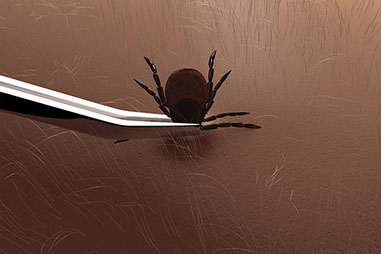
    Close up image of a tick being removed from a person's skin.

    Act fast to lower your risk for problems related to Lyme disease caused by tick bites, urges Time for Lyme, Inc.

    Have I been bitten? Lyme disease can only be transmitted from a bite by an infected deer tick, not from another person or animal, although pets commonly bring ticks into the home. All family members and pets should be inspected immediately and carefully after exposure to tick environments. You’ve been bitten if you find a tick attached to the skin. The longer it has been attached, the greater the risk of disease.

    How should I remove the tick? The proper way to remove a tick is with a set of fine-point tweezers. Do not attempt to burn the tick or use your fingers or soap or any other substance on it, as these may irritate the tick and cause it to inject bodily fluids into the wound.

    Using fine-point tweezers, grasp the tick as close to the skin surface as possible, near the head of the tick. Pull backward gently but firmly, using an even, steady pressure. Do not jerk or twist. Do not squeeze, crush, or puncture the body of the tick, as this may cause transmission of infection-causing organisms. If any mouth parts of the tick remain in the skin, leave them alone; they will come out naturally.

    If the tick is found crawling, a good way to remove it is by using a piece of tape: stick the tape to the tick and then suffocate it by sealing it into the tape. Otherwise, you can dispose of it in alcohol or flush it down the toilet. After removing the tick, wash your skin and hands thoroughly with soap and water.

    Monitor any bite site for redness that might mean a rash of Lyme disease. A bull’s-eye pattern might develop. Other typical symptoms that may develop within a few days of being bitten include headache, stiff neck, swollen glands, fatigue, dizziness, and pains that come and go.

    See your doctor if you have symptoms or concerns. Early Lyme disease is treated with antibiotics. For more information, go towww.LymeResearchAlliance.org.

    © American Institute for Preventive Medicine

  • Thinking About Getting Pregnant?

    WELL-BEING

    Image of couple looking at the results of a pregnancy test.

    A healthy pregnancy starts with these steps, according to the CDC:

    *  Take a vitamin with 400 micrograms (mcg) folic acid every day. Read the label.

    *  Avoid alcohol, tobacco, and street drugs.

    *  Keep hands clean by washing them often with soap and water to prevent infections.

    *  See a health care professional regularly. Talk about any medical problems (such as obesity, diabetes, seizures) and medicine use (both prescription and over-the-counter).

    *  Ask about avoiding any substances at work or at home that might be harmful to a developing baby.

    *  Eat a healthy, balanced diet.

    *  Avoid unpasteurized (raw) milk and foods made from it.

    *  Avoid eating raw or undercooked meat.

    *  While pregnant, get early prenatal care and go to every appointment.

    © American Institute for Preventive Medicine

  • Thinking About Changing

    WELL-BEING

    Image of young man working at a warehouse.

    Do you want to lose weight, quit smoking, eat healthier, get fit, manage stress, drink less alcohol? First, ask yourself:  Are you ready to change?

    Meg Baker, director of Employee Wellness at the University of Alabama at Birmingham, says while the focus on self-improvement is good, you must be ready to make a change in order to actually do so. To help prepare for any lifestyle change, Baker offers some tips:

    *  Develop small, short-term goals that will fit into your schedule. Make them realistic.

    *  Consider the benefits and reasons for the change.

    *  Talk to a family member, friend, or coworker about goals. Sharing your goals with others will increase the likelihood of your staying committed to a new gym regimen or stop smoking plan, and they may want to join you.

    “If the new behavior has lost its luster, switch things up,” Baker said. “Variety is the key to life and can keep you from getting burned out. Spice things up by changing your normal exercise routine, finding new healthy recipes online, or joining a new exercise class.”

    © American Institute for Preventive Medicine

  • Thinking About A New Job?

    WORK LIFE

    Concept image of women writing a career outline.

    Boredom. Anxiety. Restlessness. If these terms describe your feelings at work, don’t be afraid to make a change, said Amy Gregor, coordinator of career services at Indiana University.

    “Career change is a natural life progression. Most studies show that the average job seeker will change careers-not just jobs-several times over the course of his or her lifetime,” she said.

    But before you turn in your resignation, take some time to carefully assess the situation. It is very difficult to find satisfaction if you don’t know what you need. Gregor offers the following suggestions:

    *  Take a hard look. Start with a self-assessment of likes and dislikes about your current position. Are there certain aspects that you do enjoy? Get specific about your list of grievances. Are the hours too long? Are you bored? Is the pay too low? Do you wish you had a healthier balance between work and family life? You might find that some of the negatives can be addressed within your current position. “It is possible that your boss has no idea you are unhappy and would be perfectly willing to change things if you propose a new plan,”  Gregor said.

    *  Bad habits? Certain habits tend to make people unhappy at their jobs regardless of the circumstances. “If you never take a lunch, have poor time management skills, and never use your vacation time, most people will burn out. If you bring that approach to another job or career you may continue to have the same levels of dissatisfaction,” she said.

    *  Don’t put it off. Once you’re certain you need to leave, start taking steps to transition as soon as possible, Gregor said. “Don’t wait until you are at the point where you are so frustrated you’re willing to burn bridges,” she said.

    *  Rediscover your passion. Think of times when you felt most successful. Ask yourself what you really love to do. What do you do for fun? Answering these questions can help you get a sense of what career path to pursue.

    *  Still not sure? “If you’ve analyzed your likes and dislikes, but you’re still not sure what career path to take, consider taking a career assessment. The key is investing in the time to rediscover yourself, and using your self-assessment to steer your new career search,” Gregor said.

    *  Network. Don’t just dive into the help wanted ads. Test the waters by talking with people who work in various career fields. Talk about your dreams. “During this time it may be helpful to talk about your plan with the people you trust most, such as your family, friends, alumni contacts, pastor, trusted counselor, financial advisors, and maybe even your doctor,” Gregor said. “It will be important to gain support during any times of transition.”

    © American Institute for Preventive Medicine
  • The “Truth” About Tv Drug Ads

    MEDICAL NEWS

    Image of "As Seen On TV" logo.

    Be wary when watching those ads for drugs on TV because 6 out of 10 claims could potentially mislead you, say researchers in an article in the Journal of General Internal Medicine.

    False claims are illegal, but some claims were misleading, left out important information, exaggerated facts, provided opinions, or made meaningless links with lifestyle, the researchers found in reviewing TV drug commercials. Their findings also included problems with ads for over-the-counter drugs as well as prescription medication.

    Don’t believe everything you see on TV, and when it comes to making medication decisions, your doctor and pharmacist are your best sources.

    © American Institute for Preventive Medicine