Blog

  • Talking To Teens About Alcohol

    FAMILY LIFE

    Image of mother talking to her teen daughter.

    It’s not always easy, but it’s important to talk to your teenage children about the dangers of underage drinking. It can result in violence, sexual assault, brain development problems and even serious injury or death.

    According to the National Institute on Alcohol Abuse and Alcoholism, 35 percent of 15-year-olds have had at least one drink in their lives. Even if your child has never tried alcohol, many teens deal with peer pressure and need to know how to say no. Talking with your child may help prepare them to deal with these situations.

    The National Institutes of Health recommends the following tips for talking with your teen about drinking:

    *  Have open conversations about alcohol. Remain calm and answer questions honestly.

    *  Anytime the subject of alcohol comes up, use it as a chance to talk about it again. The message to avoid alcohol needs to be repeated.

    *  Tell your child about the dangers of alcohol. These include harming the body and brain and putting them in dangerous situations. Tell them underage drinking is against the law.

    *  Try “what if” situations. Ask them, “What if James asks you to try just a sip of beer?” Have them practice their response.

    *  Stress they should never get in a car with a person who has been drinking, even if they “just had one drink.” Alcohol affects teens differently than adults.

    © American Institute for Preventive Medicine

  • Talk To Your Child About Abuse

    FAMILY LIFE

    Image of parents talking to their child.

    Parents generally teach their children about “stranger danger” from an early age. They are told not to talk to, walk with or take gifts or candy from strangers. But statistics show danger often lurks closer to home.

    According to the National Association of Adult Survivors of Child Sexual Abuse, the vast majority of children who are sexually abused are abused by someone they know-most often a family member, an adult the family trusts or, in some instances, another child.

    Parents can help protect their children from sexual abuse by talking frankly to them about abuse, starting at a young age with age-appropriate information, advises Kay Knaff, clinical services program manager for Youth Villages.

    How to talk to your child (starting about age 3 or 4) about sexual abuse:

    *  Tell your child about good touch-a hug or a pat on the back-and bad touch, when someone is touching private areas.

    *  Tell your child nobody-no family member, teacher, other child or adult-is allowed to touch him or her in the areas covered by a bathing suit because these are private areas. Exceptions are a parent bathing a young child or helping the child with using the bathroom, as well as a doctor or nurse when examining the child.

    *  Tell your child he or she has permission to tell any adult who touches them in their private areas, “No!”

    Tell your child that if anyone ever touches him or her in any way in their private areas, he or she should tell mom, dad and or grandma/grandpa or another trusted person about it immediately.

    Get help immediately. If you suspect your child has been abused, act immediately. Either call your local police, your local rape crisis center, child protective services or the Childhelp National Child Abuse Hotline at 1-800-4-A-CHILD (1-800-422-4453), then push 1 to talk to a hotline counselor.

    © American Institute for Preventive Medicine

  • Talk Smart About Finances

    FINANCIAL HEALTH

    Image of young couple with laptop and piggy bank.

    Economic flux hurts more than our wallets. Financial woes can lead to emotionally damaging arguments among couples and put unnecessary strain on the family, said Josh Klapow, PhD, a clinical psychologist and professor at the University of Alabama at Birmingham. Dr. Klapow is the author of Living Smart:  5 Essential Skills to Change Your Health Habits Forever.

    He said financial discussions, and even disagreements, can have a positive impact on families struggling through uncertainty. The key is to make those discussions productive, not destructive. Dr. Klapow offers 5 talking tips:

    1.Keep a cool head.When your emotions are high-be it anger, sadness, frustration-thoughts get cloudy. Relax, breathe, wait 2-10 minutes, then start to talk.

    2.Start easy.Arguments often start because of a critical remark or an angry tone. Try to bring up problems and mistakes gently and without blame.

    3.Don’t assume.Talk about your feelings, not what you think your spouse or partner is feeling. Describe your feelings in first person with “I” and explain why.

    4.Think then speak.The goal of the conversation should be to problem-solve, not to win. Remember, once the words are out, you cannot take them back.

    5.Repair and recover.Don’t let the discussion get out of control. End on a positive, or at least neutral, note. Lean on patience, change the topic, or offer a positive comment to let the other person know you’re part of the same team.

    © American Institute for Preventive Medicine

  • Taking Some “Ouch” Out Of Baby’s Shots

    SELF-CARE CORNER

    Image of doctor giving a baby a shot.

    Vaccines are a crucial part of keeping your baby healthy. But, it can be difficult to watch your baby feel the pain of a shot. Don’t put off or skip vaccines that your baby needs. Instead, follow these tips from the Centers for Disease Control and Prevention (CDC):

    *Bring along a favorite item.Does your baby have a “lovey,” a favorite blanket, or a pacifier? When it’s time for the shot, give them the item.

    *Remain calm.Babies can sense stress in your voice and actions. Remember, the pain only lasts a few seconds. It’s well worth it for the many years of protection from disease.

    *Breastfeed if you can.If your doctor gives you the go-ahead, you may be able to nurse baby during the shot itself or immediately after. This is often very comforting to babies.

    *Consider juice or sugar.If your baby is over six months, a drink of juice or pacifier dipped in sugar can help calm them. Ask your pediatrician if this is okay. Avoid overdoing this for other stressful situations.

    © American Institute for Preventive Medicine

  • Take These Small Steps To Manage Diabetes

    MEDICAL NEWS

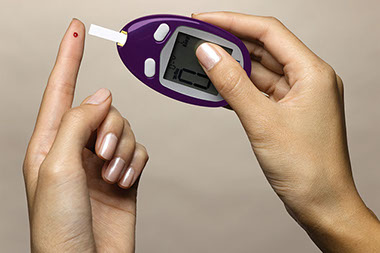
    Close up image of female hands taking a sugar glucose reading.

    Nearly 26 million Americans have diabetes, and more than a quarter of them do not know it. Left untreated, diabetes can lead to serious problems such as heart disease, stroke, kidney disease, blindness, and loss of limbs.

    An estimated 79 million adults have pre-diabetes, a condition that places them at increased risk for developing type 2 diabetes and heart disease.

    Even if you know what to do to improve your health, figuring out how to do it and fitting it into your daily routine can be a big challenge. Making changes in how you care for your health is a matter of trying and learning.

    The National Diabetes Education Program suggests you make a plan and take small, but important steps to help you reach your goal:

    *  Think about what is important to you and your health.

    *  What changes are you willing and able to make (such as testing your blood glucose, exercising, planning diabetes-friendly meals and snacks)?

    *  Decide what steps will help you reach your health goals (such as talking with your doctor about your blood glucose goal, taking a tour of the grocery store with a diabetes educator, learning how to make healthier meals).

    *  Choose one goal to work on first. Start this week. Pick one change you can start to make right now.

    *  Don’t give up. It’s common to run into some problems along the way. If things don’t go as planned, think about other ways to reach your goal.

    © American Institute for Preventive Medicine

  • Take The Hectic Out Of Mornings

    WELL-BEING

    Image of family enjoying breakfast and the morning paper.

    Do you find your mornings feel rushed and stressful? There are some things you can do to make them better. A few simple steps can help your mornings go more smoothly.

    Get up at the same time each day.

    Having a regular wake-up time sets your body’s internal clock. This helps you fall asleep on time and get up feeling refreshed. Even if you don’t have to be up that early on the weekends, it’s good to set your alarm and get up anyway. This will keep your sleep routine consistent.

    Stretch your muscles.

    Stretches are relaxing and can be energizing. Stretching for just 15 minutes a day can improve your sleep by up to 30 percent.

    Eat right in the morning.

    A healthy breakfast gives you more energy. It may also help you set the tone for healthy habits throughout your day. Up to 500 milligrams of caffeine (about four cups of coffee) is okay for most people, but don’t exceed this amount. Too much caffeine makes it hard to fall asleep at bedtime, setting you up for a sleepy morning.

    Move your body.

    Just 30 minutes of exercise can help boost your energy and improve your sleep. This sets you up for a more restful night and a better morning. People who exercise in the morning may have less trouble falling asleep.

    Sources: National Sleep Foundation; Produce for Better Health Foundation

    © American Institute for Preventive Medicine

  • Take Mowing Seriously

    WELL-BEING

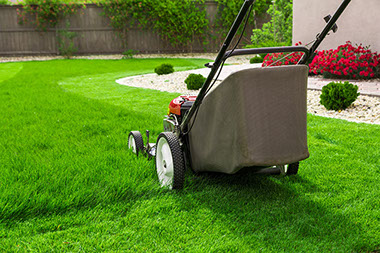
    Image of mower, cutting grass.

    More than 37,000 Americans are injured by power lawn mowers each year. Even a minor cut can become a problem if it gets infected. And, it’s possible to get severe injuries and even lose a toe if proper safety steps aren’t followed. Avoid getting hurt with these tips:

    *  Don’t mow when the grass is wet. Wet grass can be very slippery, leading to falls and injuries.

    *  Never mow barefoot. Wear heavy shoes or work boots when mowing.

    *  Don’t mow up and down hills. Mow them side to side to keep control of the mower.

    *  Keep children and pets away from running lawn mowers.

    *  Use a mower that turns off when you let go of the handle. Never pull the mower backward while it’s running.

    *  Keep the clippings bag attached to prevent injuries from flying sticks and other debris.

    Source: American College of Foot and Ankle Surgeons

    © American Institute for Preventive Medicine
  • Take Golf Injuries Seriously

    BE FIT

    Image of man playing golf.

    Golf doesn’t hold the same kind of injury risk as high-impact sports such as football or hockey. But the repetitive motion and twisting of the spine can set the stage for potential injuries that may be underestimated for this low-impact lifetime sport.

    Mike Markee, instructor of physical therapy and athletic training at Saint Louis University, has spent time on the senior PGA tour and developed exercise and fitness programs for golfers.

    “It is possible to avoid injury and improve performance, especially through muscle strength and proper form,” Markee said. “The great thing is that the same things that help you avoid injury also will improve your game.”

    It comes down to these 3 tips:

    1.Warm up and keep moving.There can be a lot of down time in golf, so it takes deliberate focus to keep moving. Stretch before, during, and after the game. If you’re able to walk and the course allows, skip the cart and get a few miles under your belt by the end of the game.

    2.Strengthen your core.Golfers use the muscles closest to the spine, including hip and shoulder muscles. This is where the power comes from in your golf swing. A weakness in your core can lead to an unbalanced swing, with some muscles compensating for others. You can develop more power by training the right muscles. Now we know that strength training and flexibility aren’t polar opposites and, in fact, core strength training can actually improve your performance.

    3.Develop good body mechanics.Golf’s main injury risk comes from the repeated motions of the swing. Working with a pro to learn to swing properly can help you reduce forces on the spine due to twisting and rotating and ensure that you aren’t developing bad habits that can take their toll on your back, shoulder and elbow.

    © American Institute for Preventive Medicine

  • Swimming Pool Myths & Truths

    WELL-BEING

    Image of girl swimming under water.

    Myth: When it comes to pool water, clarity means cleanliness.

    Truth:Even when swimming pool water is clear, microorganisms too small to be seen with the naked eye can be present. While chlorine destroys bacteria that could put swimmers at risk for disease, it takes time to work. Most germs are killed within seconds in a properly treated pool, but some (such as Cryptosporidium) can survive for days and require more aggressive treatment.

    Myth: Swimming is not good for people with asthma.

    Truth:Medical experts say swimming in a healthy, well-maintained pool is an excellent physical outlet for swimmers with asthma. The CDC and World Health Organization and other public health experts have asserted that swimming in a well-maintained pool is a healthy form of exercise for people with asthma.

    Myth: Chlorine turns hair green.

    Truth:A survey by the Water Quality and Health Council discovered that nearly half of respondents believe that chorine is responsible for turning hair green. In fact, the presence of copper in swimming pool water is to blame. Copper may be introduced to pool water in several ways, including metal plumbing, or algaecide.

    Myth: Swimmer “red eye” is caused by too much chlorine in the pool.

    Truth:In reality, when nitrogen, found in urine and sweat, is combined with chlorine, irritants called chloramines are formed. It is these chloramines, not the chlorine itself, that irritate the eyes, skin and respiratory system. In this case, more chlorine may actually need to be added to pool water in order to reduce the formation of chloramines.

    Myth: The strong odor of chemicals indicates a clean, well-treated pool.

    Truth:A faint smell is expected, but a strong scent of chemicals could mean trouble. When irritating chloramines are formed by the mixture of chlorine and pool contaminants, such as urine, body oils and other substances brought into the pool by swimmers, a strong smell is released. A healthy pool is one with little to no odor.

    © American Institute for Preventive Medicine

  • Sweet Potato Custard

    HEALTHY EATING

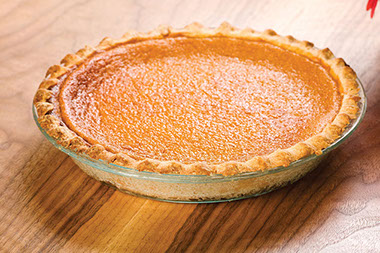
    Image of sweet potato custard.

    Ingredients

    1 cup sweet potato, cooked, mashed

    1/2 cup banana (about 2 small), mashed

    1 cup evaporated skim milk

    2 tablespoons packed brown sugar

    2 egg yolks (or 1/3 cup egg substitute*), beaten

    1/2 teaspoon salt

    1/4 cup raisins

    1 tablespoon sugar

    1 teaspoon ground cinnamon

    As needed, nonstick cooking spray

    Directions

    1. In medium bowl, stir sweet potato and banana. Add milk, blending well.

    2. Add brown sugar, egg yolks, and salt, mixing thoroughly.

    3. Spray 1-quart casserole with nonstick cooking spray. Transfer sweet potato mixture to casserole dish.

    4. Combine raisins, sugar, and cinnamon. Sprinkle over top of sweet potato mixture.

    5. Bake in preheated 325º F oven for 40-45 minutes, or until knife inserted near center comes out clean.

    Makes 6 (1/2 cup) servings. Per serving: 160 calories, 2 g total fat, 1 g saturated fat, 32 g carbohydrate, 5 g protein, 2 g dietary fiber, 255 mg sodium

    *If using egg substitute, cholesterol will be lower.

    Source: NIH The Heart Truth Publication

    © American Institute for Preventive Medicine