Blog

  • Stranded In A Storm?

    WELL-BEING

    Image of young women looking out the car window.

    Whether you’re stuck in your car or at home or elsewhere, know how to extend your cell phone’s battery life, advises the Auto Club Group.

    In an emergency, do this:

    *  Turn the phone off. Only turn it on when you are expecting or making a call.

    *  If you’re in an area with no reception, turn off the phone to prevent it from constantly searching for service. Even with automatic power-save features, this function can take up to 30 minutes and it is depleting your battery.

    *  Limit use of the vibrate function on your phone. Use a ring tone because it uses less of the battery’s power.

    *  Don’t use extra features such as the Internet, WiFi, GPS, a camera, and a hands-free device.

    © American Institute for Preventive Medicine

  • Store Picnic Food Safely

    HEALTHY EATING

    Image of teens at the beach with a cooler.

    A picnic in the park can be great fun for everyone, but it’s important to assure your food arrives safely along with your family and guests. Follow smart food packing guidelines, say the experts at the Institute of Food Technologists. Keep meats, including lunch meats and raw meats, cheeses, and condiments cold in insulated, soft-sided bags or coolers with freezer gel packs.

    Food needs to be stored at 40ºF or colder to reduce the risk of germ growth, so limit the number of times you open the cooler. Never allow food to sit for more than 2 hours at temperatures below 90ºF, and no more than an hour when temperatures exceed 90ºF outside. Throw away food that’s been sitting out too long.

    Securely package raw meat, seafood and poultry to ensure the juices don’t contaminate other foods. Pack only the amount of perishable food that you think will be eaten. Beverages and perishable foods should travel in separate containers and coolers, especially if you’ll be transporting raw meat.

    When it’s time to go home, don’t reuse packaging material that has contacted raw meats or meat juices. Make sure perishable leftovers stay cold on the trip home. Avoid taking home uncooked leftovers.

    © American Institute for Preventive Medicine

  • Stop! Thief

    FINANCIAL HEALTH

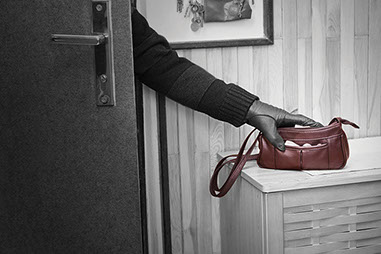
    Image of arm sneaking in from a door grabbing a purse on the counter.

    When your purse or wallet is lost or stolen, do you know the 8 steps you need to take right away because the thief is already cashing in on your loss? Act fast, advises the Federal Trade Commission:

    1. File a report with the police immediately. Get a copy in case your bank, credit card company, or insurance  company needs proof of the crime.

    2. Report the loss to your bank. Cancel checking and savings accounts. Open new ones, and stop payments on outstanding checks. Cancel each credit and charge card. Get new cards with new account numbers. Get a new ATM card, account number, and PIN or password.

    3. Call your utility companies. Tell them that someone may try  to get new service using your identification.

    4. Report your missing driver’s license to the department of  motor vehicles.

    5. Report missing cards to the major credit reporting agencies and place a fraud alert on your accounts: Equifax: 1-800-525-6285, Experian: 1-888-397-3742, TransUnion: 1-800-680-7289.

    6. Change the locks on your home and car if the keys were taken.

    7. Contact the Social Security Administration.    Call: 1-800-772-1213.

    8. Contact your insurance companies. Make sure no one tries to add someone to your policies.

    © American Institute for Preventive Medicine

  • Stop The Spending Cycle

    WELL-BEING

    Image of colorful shopping bags.

    Going overboard on one shopping trip, especially around the holidays, does not mean you have a shopping addiction. It’s normal to overdo it once in a while. And, everyone buys things that aren’t truly needed at times.

    But, if you think you or a loved one might have a shopping addiction, there is help. Often times, a shopping addiction is the result of another health issue like depression. Talk with your doctor about your feelings and symptoms. Antidepressants or other medications may be helpful.

    Or, you may wish to talk with a counselor about things that are bothering you. Sometimes, emotional burdens or troubles can make you look for happiness in things like shopping. If you are able to deal with those problems, you may not feel the need to shop as much.

    There are also support groups for people with a variety of addictions. Debtors Anonymous can help people who have gone into debt from too much spending.

    Don’t be afraid to seek help. The sooner you can address the problem, the sooner you can get your life back on track.

    © American Institute for Preventive Medicine

  • Stis And Infertility:Get The Facts

    MEDICAL NEWS

    Image of couple looking out a window.

    Millions of people in the U.S. contract sexually transmitted infections (STIs) each year. In fact, the CDC reports that in 2014, a staggering 2.86 million new cases of chlamydia and 820,000 cases of gonorrhea were reported.

    Many of these cases occurred in teenagers or young adults. In addition, thousands of people have chlamydia or gonorrhea and don’t know it. If these diseases go untreated, a woman can get pelvic inflammatory disease (PID). This is an infection in a woman’s reproductive organs that can become serious. Not only can it cause pain, fever, bleeding, and other issues, but women with PID may not be able to get pregnant.

    Fortunately, PID can be treated with antibiotics if caught early. But waiting too long to get treatment can lead to permanent damage.

    All sexually active men and women should talk to their doctors about their risk for STIs, and get tested and treated for these infections as needed.

    Early treatment for STIs could save your fertility and your health.

    © American Institute for Preventive Medicine

  • Still No Flu Shot? It’s Not Too Late

    SELF-CARE CORNER

    Image of fingers crossed with smiling faces drawn in them.

    The flu causes hundreds of thousands of hospitalizations and thousands of deaths each year, according to the Centers for Disease Control and Prevention (CDC). It’s a serious disease that is especially dangerous for babies, the elderly and those with health conditions, such as heart disease.

    Get your flu shot if you haven’t done so yet. You may be wondering if getting a shot now will be helpful, and the answer is “yes!” Here’s why:

    *  Getting the shot now means you could be protected before the peak of the holiday season. It takes about 2 weeks to get the full immunity from a flu shot.

    *  Flu season usually continues until March or even April of each year. Getting the shot now means months of protection!

    *  As long as the flu keeps spreading, the flu shot can keep you from getting sick.

    *  If you do get sick, your illness will probably be much milder.

    *  No one likes to have a fever, chills, cough, headache, sore throat, body aches, nausea or vomiting. Getting the flu shot now means you reduce your risk of getting all these symptoms from the flu this season. The flu is much more serious than a cold.

    Top flu shot myths busted

    Many people have heard myths about the flu shot and may wonder if it’s safe and effective. Check out these common misconceptions and the truth about the flu shot:

    Myth: You can get sick from the flu shot.

    Fact:The flu shot cannot make you sick with the flu. It contains inactivated (killed) viruses. Some people have mild side effects that last only a day or so that include aches, soreness and a low fever. These side effects are much shorter and milder than getting the flu.

    Myth: I got the flu shot last year, so I don’t need a new one.

    Fact:The flu shot changes each year based on what flu viruses are going around. Experts choose several viruses that are most likely to make people sick and include them in the vaccine. Last year’s vaccine may not offer protection against this year’s viruses.

    Myth: It’s better to just get the flu and get immunity that way.

    Fact:While most healthy people will recover from the flu without problems, this is a dangerous risk to take. Anyone who gets the flu can be at risk of having serious problems. And, there is a high risk of spreading it to loved ones, especially babies, the elderly and people with weakened immune systems.

    © American Institute for Preventive Medicine

  • Stepping Into The Stepparent Role

    FAMILY LIFE

    Image of husband and wife and two children.

    Stepfamilies face unique challenges and situations, especially when the family is newly blended. If you’re just getting to know your new stepfamily, it may take some time for everyone to feel comfortable with the new situation, says the National Stepfamily Resource Center. The organization offers this advice for new stepparents:

    *Understand that bonding takes time.Children of any age may need to get used to their new family. Try not to get discouraged if things don’t go smoothly right away.

    *Communication is key.All families need good communication. This means listening to each other and addressing problems and arguments calmly and directly.

    *Show interest in your stepchildren.Attend their activities, listen to their opinions, and ask them specific questions about their day. Try new family activities together such as walks in the park, bike rides, or something everyone will enjoy.

    *Use compromise to solve problems.Don’t use a “my way or the highway” approach, or the stepchild may become distant or show difficult behavior.

    *See a family counselor or therapistif you need extra help.

    © American Institute for Preventive Medicine

  • Staying Active With A Disability

    BE FIT

    Image of disabled man on treadmill.

    Most of us know that exercise is great for our health. But, if you or someone in your family has a disability, exercise can feel like a difficult task. Not only do you have to find time and energy to do it, but you need to worry about accessibility, too.

    Make sure your doctor gives you the okay before you begin any exercise program.

    It can be frustrating when your favorite activity doesn’t seem to work for you. But, some extra research may be worth the effort. These tips can help you get started:

    *  Check into races. There are many 5K, 10K and longer races that are accessible to people with many types of disabilities. And, many of them raise money for charitable causes. This may also help motivate your family to get out and train for a race and have fun together. Be sure to ask in advance about accessibility to be sure it will work for you.

    *  Get outside and do what you love. Have outside time a few times a week. This can be as simple as throwing a ball in the yard, going to an accessible playground, gardening or playing with the hose or sprinkler on a hot day.

    *  Ditch the car for short trips. If you live near a town, consider walking to the store for an errand. If this isn’t realistic, get some miles in at a mall or shopping center. Park at one end and visit the shops all the way at the other end.

    *  Modify your sports. Many sports can be fun and challenging with some minor changes. Walking instead of running for soccer, using a larger or softer ball for volleyball, or omitting the net in tennis may make the game work for you.

    *  Try low impact activities. Joining an aquatic exercise program or using rowing machines are two great activities for those who have joint limitations.

    Activities for people with disabilities

    Check with the following organizations to see who offers adaptive programs and activities:

    *  Your city or county recreation department

    *  Local YMCA or YWCA

    *  Boy Scouts or Girl Scouts councils

    *  Nearby high schools, colleges and universities

    *  Chamber of Commerce

    *  Center for Independent Living (CIL)

    *  National and State parks (many have paved hiking trails)

    Finally, talk with your doctor or health care provider about your desire to get active. They may have resources to help you get started. Join support groups with people who have disabilities like yours and use the power of community to find out about fun and active things you can do.

    Sources: The National Center on Health, Physical Activity and Disability (NCHPAD), U.S. Department of Health and Human Services
    © American Institute for Preventive Medicine

  • Staying Active When School’s Out

    BE FIT

    Image of little girl playing tennis.

    When summer arrives, kids often want to spend time in front of the TV or on their computer and digital devices. But, exercise is important year-round. In fact, most kids need at least an hour of vigorous exercise each day. How can you get your kids to exercise during the summer?

    *  Get them together with friends. Older kids may enjoy a bike ride or walking the dog if they have a buddy alongside them. When friends come over, make all screens off-limits.

    *  Find summer camps. If your child likes a sport, many programs offer camps that give them social time as well as exercise. Also, there may be programs for dance, gymnastics, swimming and other activities.

    *  Talk to your sitter about rules. If you have a babysitter during the summer, make your screen-time limits clear. Have the babysitter take them outside or to the local park, if possible. Choose a sitter who is willing to play with them outside and encourage them to be active.

    Source: U.S. National Library of Medicine

    Why kids need exercise

    Kids of all sizes, shapes and ages need exercise every day. Exercise helps kids:

    *  Learn and grow in school

    *  Build healthy bones, muscles and joints

    *  Get better sleep, which is important for their overall health and mental well-being

    *  Develop a healthy habit that is important throughout life

    *  Feel more confident and happier

    *  Deal with stress

    If your child isn’t active, it’s never too late to start. Find an activity they like and help them get moving.

    © American Institute for Preventive Medicine

  • Stay Warm, Save Money

    FINANCIAL HEALTH

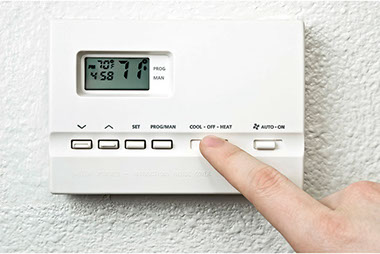
    Image of thermostat being set at 71 degrees.

    When temperatures drop, energy bills are higher. Duke Energy offers some simple energy (and money) saving tips:

    *  Check your heating system’s ductwork to ensure that it is well insulated and completely covered. Ductwork should be properly sealed and not allowed to hang loose under the house.

    *  Keep your thermostat at a comfortable setting. If you are going to be away for several days, turn the thermostat to a lower setting, but not off.

    *  Have your heating or cooling system checked each season by a qualified technician to make sure it is operating properly. Heating and cooling account for at least half of your energy bill.

    *  Check insulation, seal cracks, and weather-strips between heated and unheated areas such as garages, basements, and attics.

    *  If you have a window air conditioning unit, remove it for the winter months to prevent heat from escaping through and around the unit. If it cannot be moved, cover it to prevent drafts.

    *  Always make sure the fireplace damper seals tightly and remains closed except when a fire is burning or smoldering in the fireplace.

    *  Insulate your water heater with at least R-6 insulation. The water heater is the second-largest energy user in your home. You can save enough money in energy bills to pay back the cost of materials within months and then keep on saving.

    *  Ceiling fans help keep you comfortable in the summer and winter. Reversing the direction of the blades pushes warm air down into the room. Fans should turn counter-clockwise in the summer and clockwise in the winter.

    *  On sunny days, leave the draperies open to allow the sun’s rays to warm your house.

    © American Institute for Preventive Medicine