Blog

  • Stay Safe When Holiday Shopping

    FINANCIAL HEALTH

    Image of female on laptop with credit card in hand.

    The holidays are often a time for celebrations, get-togethers, and lots of shopping for gifts. Unfortunately, theft can happen any time of year, including during the holiday season. To keep yourself and loved ones safe when holiday shopping, consider these tips from the National Crime Prevention Council (NCPC):

    At malls and stores:

    *  To keep your money safe, carry your purse close to your body. Wallets are better kept in a front pocket, where they are harder to pickpocket.

    *  Have your keys ready when walking to your vehicle. Glance at the back seat and be aware of your surroundings before getting in.

    *  Don’t leave packages or valuables in your car where they can be seen. Take them home immediately, if possible, or keep them in the trunk.

    *  When shopping with children, teach them to go to a meeting place in case you get separated. Talk to them about finding store security guards or employees to help, if needed.

    When online shopping:

    *  Be sure you update anti-virus and anti-spyware software on your computer. Visitwww.bytecrime.org.

    *  Never give out your password or credit card information in response to emails. Valid companies will never ask for this type of information.

    *  Make sure the website is secure: look for a locked padlock at the bottom of the screen or “https” in the address at the top.

    *  Use secure payment methods, such as PayPal or Apple Pay, whenever possible. If using a credit card, check your transactions regularly and alert your bank if you notice anything suspicious.

    *  Check reviews of online stores to ensure the company is credible.

    Warm-up thefts are in season

    During the winter months, many people start their cars and let them warm up while they wait inside. This can be a prime opportunity for someone to steal your vehicle or items inside it, according to the NCPC. Here’s how to avoid these situations:

    *  Never leave your car running or keys in the ignition if you’re not in it, even for a minute.

    *  Always keep your car locked, and use anti-theft or alarm devices if you have them.

    *  Keep valuables out of sight (and preferably out of your car), such as phones, purses and electronics.

    © American Institute for Preventive Medicine

  • Stay In The Game

    SELF-CARE CORNER

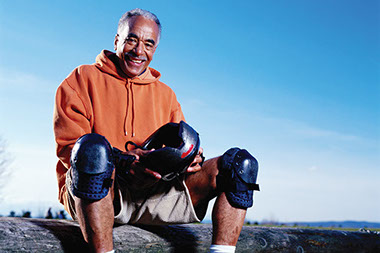
    Image of older man wearing knee pads while holding a helmet.

    Although many athletes understand the importance of keeping their muscles and bones healthy, it’s also important for them to take care of their skin. Sports equipment, especially protective helmets and pads, creates a warm, moist and dark environment for the germs that can cause skin infections to grow.

    “Athletes are at an increased risk of skin infection, which can have serious consequences and may take them-and their teammates-out of the game for days, weeks or months,” said dermatologist Jeffrey V. Benabio. “If athletes notice anything on their skin that itches, burns or may be infected, they should see a board-certified dermatologist or sports medicine doctor.”

    To help prevent skin infections, Dr. Benabio recommends that coaches, athletes, and athletic trainers follow these tips:

    *  Keep cuts and scrapes clean and covered with a bandage until healed. A cut or scrape weakens the skin’s defense and allows germs that cause infections to enter.

    *  Prevent blisters to reduce infections. Apply a pad, gel or spray to areas that routinely blister. To help prevent blisters on the feet, ankles and hands, consider using specialized gloves and socks or wearing two pairs of socks. Athletes should also make sure that their footwear fits properly.

    *  Wear moisture-wicking clothes. This helps keep the athlete’s skin dry and prevents germs from growing.

    *  Wear sandals in the locker room. Wearing sandals or other shoes helps reduce infections on the feet.

    *  Shower after every practice and game. In addition, athletes should use an antimicrobial soap and wash their entire body.

    *  Do not share personal care items. Athletes should always use a clean towel after showering and use their own towels, soaps, razors and other personal care items.

    *  Wash clothes and towels after each use. Sports bags should also be washed, as germs that cause infections can remain in the bags and grow.

    *  Disinfect equipment, including protective gear, daily. For proper disinfection, follow the manufacturers’ instructions.

    *  Perform regular skin checks. Athletes should check their skin daily, especially those in high-risk sports, such as wrestling. Look for any changes, such as cuts, sores, redness, swelling and pus, and report any changes to an athletic trainer or doctor.

    © American Institute for Preventive Medicine

  • Stay Healthy When Swimming

    WELL-BEING

    Image of beach ball in swimming pool.

    Did you know you can get sick from swimming? Whether it’s a pool, hot tub, water park, fountain, lake, river or ocean, some water can have germs or chemicals in it that cause recreational water illness (RWI). And, the number of RWI outbreaks have increased steadily in the last 30 years.

    RWIs can ruin summer fun

    RWIs most often cause diarrhea, but they can make you sick in other ways too. They can also cause nausea and vomiting, skin rashes, and infections of the eyes, ears, skin and respiratory system.

    Most healthy people will recover from RWIs, but they can be dangerous to pregnant women, young children, and people with weakened immune systems.

    Healthy swimming guidelines

    Many times, the water may look clean and safe when it contains dangerous germs or unsafe chemicals. Though proper chlorine levels are important, some germs are not killed by chlorine. Some water may be treated with too much chlorine or an improper balance that can make people sick. So what can you do to enjoy the water this summer and stay healthy?

    *  Don’t swim when you have diarrhea or you’ve been vomiting. Even a tiny, invisible amount of germs can get in the water and make others sick.

    *  Never get swimming water in your mouth. Keep your mouth closed when underwater.

    *  Shower with soap before you swim and wash your hands after using the toilet or changing diapers. Have your children wash their hands as well.

    *  Don’t allow kids to play in fountains that haven’t been treated with chlorine.

    *  Stop swimming at least once every hour for bathroom breaks and/or diaper changes. Use swim diapers on kids who aren’t potty trained. Many kids will have “accidents” in the water if they don’t get out to use the bathroom.

    *  Don’t change diapers near the swimming area. Do it in a bathroom or away from the water.

    *  If you own a pool, check chlorine levels regularly. Use pool test strips to check for proper pH levels and chemical balances.

    *  Ask to see the last pool inspection report before swimming in a public pool or water park.

    The germ that survives chlorine

    Cryptosporidium, commonly called crypto, is a bacteria that can be spread in swimming water. Chlorine won’t kill crypto, and people with weakened immune systems can get very sick from it. It can cause severe watery diarrhea and is a leading cause of RWIs. To avoid getting or spreading crypto, follow the healthy swimming guidelines on this page. It is not killed by hand sanitizer, so washing hands with soap and water is critical.

    © American Institute for Preventive Medicine

  • State Fair Food. How Unhealthy?

    HEALTHY EATING

    Image of state fair food booths.

    State fair food booths are famous for deep-frying most anything-even butter. It’s not unusual for a single serving to hit 500 or even 1,000 calories, with dozens of grams of fat.

    As unlikely as it may sound, it is possible to get a taste of a state fair without overindulging, says Dr. Donald Hensrud, a Mayo Clinic specialist in nutrition and preventive medicine.

    *  Give yourself a good start and eat something healthy before you go. Have some fruit to start the day or a salad before you go in the afternoon.

    *  Work off the extra calories through walking, which is easy to do at the fair.

    *  Burn off extra calories by getting in an extra workout or two, before or after the fair.

    *  Decide ahead of time how much and what you’ll indulge in. If you have a plan, you’re less likely to overeat. Turkey legs on the midway or dairy barn homemade ice cream? Pick one and plan ahead.

    *  Split portions with family or friends. This will not only help decrease calorie intake, but also lets you enjoy more tastes and may help to save money.

    *  Drink plenty of water to stay hydrated and aid the digestive process. Stay away from non-diet soda. It’s loaded with calories and sugar and has no nutritional benefit. Drink water instead.

    *  Don’t panic if you overindulge. Return to your normal eating routine the next day.

    © American Institute for Preventive Medicine

  • Start A Conversation About Domestic Violence

    FAMILY LIFE

    Image of female looking downwards.

    Everyone knows a victim of domestic violence, but most people don’t know what to do to help.

    “If someone comes to you and tells you they’re a victim of domestic violence, the most important thing you can do is offer your support without judgment,” said Vicky Dinges, vice president of corporate responsibility at Allstate. “There are 1,300 deaths and two million injuries related to domestic violence each year. Odds are we all know someone who’s in an abusive relationship. Knowing how to help might just save a life.”

    Here are some easy ways to start a conversation:

    *Offer support without judgment or criticism.There are a lot of reasons why victims may stay in an abusive relationship, and many reasons why they may also leave and return to the relationship multiple times. Let them know it’s not their fault and that they are not alone.

    *Don’t be afraid to tell them that you’re concerned for their safety.Help your friend or family member recognize the abuse while acknowledging that they are in a very difficult and dangerous situation.

    *Avoid confrontations.There are many reasons why people experiencing abuse don’t reach out to family and friends. It’s important to recognize when they are ready to talk about their experiences while still offering support.

    *Encourage them to get help.Suggest ways they can get additional support. Help them look into available resources, such as the National Domestic Violence Hotline number – 800-799-SAFE (7233) or website atwww.thehotline.org. This resource also finds local support groups and provides information on staying safe.

    © American Institute for Preventive Medicine

  • Spring Clean Your Diet With Green Eating

    HEALTHY EATING

    Image of kale.

    Bright emerald green is symbolic of spring and food bursting with flavor and nutrients. Spring “clean” your diet, suggests Kari Kooi, a registered dietitian at The Methodist Hospital in Houston. She recommends these 5 green powerhouse foods:

    *Asparagus:These green spears offer a bounty of nutrients. Asparagus is high in an antioxidant that can help reduce skin damage from the sun. Also, asparagus contains the most folate of any vegetable. Folate plays a vital role in heart health and the prevention of birth defects.

    *Avocado:Add some thin slices of smooth avocado to your sandwich or salad without feeling guilty. The monounsaturated fat in avocado is what’s mostly responsible for avocado’s super-food status. This type of happy fat can help drive down levels of bad cholesterol.

    *Brussels sprouts:These baby cabbages are loaded with antioxidants and filling fiber. A cruciferous vegetable, Brussels sprouts contain powerful cancer-fighting sulfur compounds that are responsible for their pungent aroma. These green vegetables take on a whole new flavor and crispy texture when roasted in the oven.

    *Kale:This beautiful ruffled green is being called “the queen of greens.” Kale is brimming with eye-nourishing phytochemicals that have been shown to prevent macular degeneration (vision loss) and cataracts. Kale is a better source of calcium than spinach.

    *Kiwifruit:Rich in vitamin C, potassium, and fiber, kiwis make a perfect portable snack. Just slice a kiwifruit in half and scoop out the emerald sweet and tart flesh with a spoon.

    © American Institute for Preventive Medicine

  • Spring Break Savvy: Secure Your Home

    WELL-BEING

    Image of a house shaped keychain and key.

    Many people pack their bags and head to a sunny vacation spot for spring break. But before you leave your home behind, take some simple steps to ensure it is safe from fire and break-ins. The Better Business Bureau recommends the following steps:

    1.Don’t broadcast your plans.Sharing your vacation on social media isn’t advised. Wait and share your photos after you get home. Tell only trusted family members or neighbors that you’re leaving. Putting your plans online or telling strangers could increase the chance a break-in will occur while you’re gone.

    2.Stop your mail and newspaper deliveries.Potential thieves and vandals often look for piles of mail or papers; a sign that no one is home.

    3.Make it look like you’re home.Put timers on indoor and outdoor lights to help deter burglaries. If you live in a snowy area, ask a friend or neighbor to periodically drive onto your driveway to make tire tracks. Ask or hire someone to shovel your driveway. During warmer months, get someone to mow your lawn if needed.

    4.Check smoke and carbon monoxide detectors.Make sure these alarms are working so a neighbor could call for help if needed. Consider having a home security system.

    5.Unplug gadgets.Only keep the necessities plugged in, such as your refrigerator. Computers, televisions, coffee makers, and similar items should be unplugged. This lowers your electric bill and the risk of a fire.

    6.Lock up.To put your mind at ease, check each window and door one last time before you leave.

    With a few simple precautions, you can have a relaxing vacation and come home to a secure, safe home.

    Tips for safe & sane travel

    See your doctor first.Make sure you and your family are up-to-date on vaccines if traveling abroad. If you need prescription medicines, get enough filled to last throughout your trip. Be sure to pack emergency supplies, such as asthma inhalers or epinephrine for severe allergies.

    Check your vehicle.If you’re using your own vehicle to travel, make sure it has been recently serviced. This may include an oil change, fluid check, brake check, and addressing any problems.

    Review airline rules.If you don’t fly often, research your airline’s regulations before you pack. Check carry-on bag size limits and any other restrictions. Good resources include your airline’s company website,  the Federal Aviation Administration (faa.gov), and the Transportation Security Administration (tsa.gov).

    Be safe with your wallet.Carry only necessary items in your purse or wallet, such as the credit cards you need and some cash. Consider leaving other items at home, such as excessive amounts of cash and credit cards you won’t be using. Keep your wallet safely on your body. Consider using an anti-theft bag or put it in a front pocket where it’s in your view. Never leave it unattended.

    © American Institute for Preventive Medicine

  • Sprains, Strains, And Injuries: The Rice Fix

    BE FIT

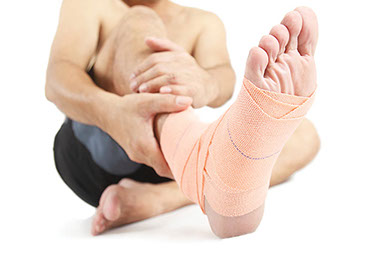
    Image of sprained foot.

    Whether you’re headed off the trail or staying on track, kicking a ball or throwing one, you’ll likely need to know about the RICE fix when you sprain, strain, or injure something.

    Dr. William Levine, chief of sports medicine at NewYork-Presbyterian Hospital/Columbia University Medical Center, recommends RICE, a first-aid technique that can be applied to most sprains, strains and joint injuries.

    *Rest:If you are injured during any activity, stop the activity immediately and rest the injured area. Do not try to work through the pain.

    *Ice:For the first 24 to 48 hours, apply ice packs to the injured area every 2 hours for 15 minutes. Make sure that the ice (a handy bag of frozen peas works well) is not in direct contact with the skin; a cotton handkerchief covering is helpful.

    *Compress:Bandage the area firmly, extending the wrapping above and below the injury. This pressure will stop any bleeding and reduce any swelling of the injured area.

    *Elevate:Whenever possible, elevate the injured area above the level of your heart. Elevation and compression are typically used for acute injuries such as a twisted ankle.

    © American Institute for Preventive Medicine

  • Spooky And Not-So-Spooky Halloween Treats

    HEALTHY EATING

    Image of a brother and sister dressed for Halloween.

    Worst

    *  Chewy/sticky sweets, such as gummy candies, taffy, and even dried fruit can be difficult for children and adults to resist, and even more difficult to remove from teeth. They get stuck in the crevices between teeth, making it nearly impossible for saliva to wash them away.

    *  Sour candies are highly acidic and can break down tooth enamel quickly. The good news: Saliva slowly helps to restore the natural balance of the acid in the mouth. Wait 30 minutes to brush your teeth after consuming sour/acidic candies; otherwise, you are brushing the acid onto more tooth surfaces and increasing the risk of enamel erosion.

    *  Sugary snacks, including candy corn, cookies, and cake, all contain high amounts of sugar, which can cause tooth decay.

    Best

    *  Sugar-free lollipops stimulate saliva, which can help prevent dry mouth that leads to tooth decay.

    *  Sugar-free gum can actually prevent cavities as it not only dislodges food particles from between the teeth but also increases saliva-which works to neutralize the acids of the mouth and prevent tooth decay.

    *  Dark chocolate and its antioxidants can be good for the heart and may even lower blood pressure.

    As always, monitor your children’s candy intake this Halloween and all year round. Kids should be brushing their teeth twice a day for 2 minutes, the Academy recommends.

    © American Institute for Preventive Medicine

  • Spice Up Your Life

    HEALTHY EATING

    Image of different spices.

    If you’re cutting back on salt to control blood pressure, the Spice Islands Test Kitchen has developed 5 tips to boost flavor in food:

    *Increase the amount of herbs when reducing salt.For a great flavor punch, increase your spice and herbs by 25% when reducing or eliminating salt in a recipe.

    *Crush herbs to release all flavor.For leafy herbs such as rosemary and leaf oregano, lightly crush the herbs to bring out maximum flavor.

    *For soups and stews, reduce the salt and add spices last.For long-cooking soups and stews, reduce the salt. Save about a fourth of the spices called for and add them at the end of cooking. This will give a more intense flavor to the dish.

    *Add herbs early in no-cook meals.For salad dressings, fruit dishes, or other no-cook foods, add herbs and spices several hours before serving so flavors can develop and blend. For salad dressings, add seasonings to the vinegar and let stand before adding the oil.

    *Give dried spices a boost.If a recipe calls for fresh herbs and you have dried on hand, simply use a third to a half as much dry for fresh.

    © American Institute for Preventive Medicine