Blog

  • Simple Steps To Prevent Diabetes

    MEDICAL NEWS

    Image of man with bicycle along the beach.

    The good news is that many cases of type 2 diabetes, which account for between 90 and 95% of all adult cases of the disease, can be prevented by leading a healthy lifestyle, according to the CDC. So whether you’re flirting with pre-diabetes or just want to lower your risk, the American Diabetes Association suggests eating a balanced diet and getting regular exercise.

    Follow these tips on how to fit healthy eating and exercise into your busy day.

    *Sneak some exercise into your day.Being physically fit can lower blood sugar, blood pressure, and cholesterol by helping insulin work better. All of these factors help reduce your risk for diabetes, heart disease, and stroke. Plus, being in shape helps you feel better both physically and mentally.

    *Add exercise to your daily routine.If you don’t currently exercise on a regular basis, start with small amounts of physical activity. For instance, take a brisk 15-minute walk in the morning. Have a walking meeting with co-workers instead of meeting in a conference room.

    *Make exercise fun.Any kind of physical activity is exercise. This includes doing yard work, dancing, or walking the dog. Choose a few activities you enjoy, and take steps to fit them into your schedule. Find a workout buddy to do a few laps around the neighborhood after dinner. Make bike riding or hiking regular family activities.

    *Choose foods with a low glycemic index.The glycemic index is a measure of the effects of carbohydrates on blood sugar levels. These foods include white pasta, cookies, and crackers. They are typically made with processed white flour. When we eat these foods, it causes a spike in blood sugar. Eating these foods also tends to result in weight gain since they are often high in calories. Plus, they are often high in sodium and not very nutritious. Most Americans eat foods with a high glycemic index.

    *Cut back on your sugar intake.If you eat a lot of sugar in your diet, try to reduce sugary foods and beverages. For example, instead of soda and juice, try seltzer or water. When the craving for a cookie or piece of cake hits, try a piece of fruit instead. Some studies have shown that the natural sugar in fruit can help decrease sugar cravings.

    *Incorporate more fresh fruits and vegetables into your diet.Eating more fruits and vegetables keeps your blood pressure stable and gives you much-needed nutrients and fiber. Plus, most fruits and vegetables are low in fat and calories.

    *Choose healthy snacks.Before having a high-sugar or high-fat snack, reach for a handful of nuts, some low-fat popcorn, or whole-wheat crackers. Keep healthy snacks on hand whether you are at home, at work or on the go.

    *Remember these tips when eating out.Think of your plate as a pie chart. You should fill up half of your plate with vegetables, a fourth with protein, and a fourth with a starch or carbohydrate.

    © American Institute for Preventive Medicine

  • Simple Sore Throat Remedies (To Try First)

    SELF-CARE CORNER

    Image of a cup of tea with honey and lemon.

    If that scratchy throat hurts when you swallow, you can try some simple home remedies, suggests the NIH News in Health.

    *  Drink hot tea with lemon or hot soup.

    *  Keep your throat moist with lozenges or hard candies (not for children age 5 and younger).

    *  Gargle with warm salt water.

    *  Cold liquids, ice chips, or popsicles can numb the pain. Throat sprays and over-the-counter pain relievers can help too.

    *  Use a humidifier or vaporizer, especially in the bedroom when sleeping, to keep air from getting too dry.

    But if your sore throat is severe, if you have a fever or swollen glands, you might have strep throat, a common bacterial infection. Contact your doctor.

    © American Institute for Preventive Medicine

  • Do You Know The  Signs Of A Drinking Problem?

    MEDICAL NEWS

    Image of a group of friends drinking.

    According to the National Institute on Alcohol Abuse and Alcoholism, more than 15 million adults have an alcohol use disorder (AUD). This means they cannot stop or control their drinking.

    It can be hard to admit that you or someone you love has AUD. Plus, someone with AUD can’t just decide to stop drinking. AUD is a health condition that requires treatment and support. Knowing the signs can help a person seek medical help.

    Alcohol abuse is defined as:

    *  A woman who has more than 7 drinks per week or more than 3 drinks per sitting.

    *  A man who has more than 14 drinks per week or more than 4 drinks per sitting.

    *  A person older than 65 who has more than 7 drinks per week or more than 3 drinks per sitting.

    Questions to ask about alcohol abuse

    If you’re not sure whether your drinking is a problem, ask yourself:

    *  Have I tried to stop drinking, but keep slipping up?

    *  Do I feel that once I start drinking, I can’t stop?

    *  Have I been told by others that my drinking is a problem?

    *  Do I drink in the morning to “get my day started”?

    *  Have I ever hurt myself or others because of my drinking?

    *  Do I ever hide my drinking from others or lie about how much I’ve had?

    *  Do I have “blackouts” or memory lapses  after drinking?

    *  Is drinking interfering with my relationships?

    *  Is my alcohol use getting in the way of success at work?

    If you answered “yes” to any of these questions, you may have AUD. Talk to your doctor about treatment that may help you.

    Preventing alcohol abuse

    Alcohol problems can run in families. If you have a close family member with AUD, you may have to work harder than others to avoid alcohol problems. But, preventing alcohol abuse is possible. Follow these tips to help:

    *  Be extra cautious about signs of AUD and ask yourself the questions in this article on a regular basis.

    *  If you decide to drink, stop after one drink and switch to non-alcoholic beverages.

    *  Get regular checkups with your doctor. Follow any recommended treatment for health conditions.

    *  Avoid people who drink too much or abuse alcohol.

    *  Consider joining a support group.

    Did you know?

    As adults grow older, our bodies are less capable of tolerating addictive substances like alcohol, and are more susceptible to their negative effects.

    Source: American Academy of Family Physicians

    © American Institute for Preventive Medicine

  • Sick Kid?

    FAMILY LIFE

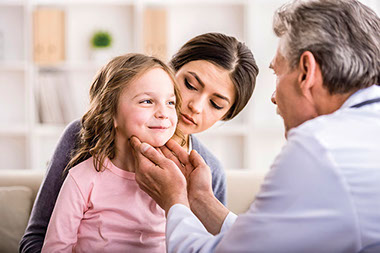
    Image of mother and child at the doctor's office.

    For many reasons, a child being home from school while sick can be stressful. Parents worry about the severity of their child’s illness and about the child missing school, all while trying to shuffle work schedules to be home.

    But when should kids stay home from school? Dr. Hannah Chow-Johnson, pediatrician at Loyola University Health System, gives some guidelines to help parents make that decision.

    Pinkeye.

    Extremely contagious and is usually caused by a virus. One of the first signs of pinkeye is discomfort. Other symptoms include a sticky discharge that can cause the eyelids to stick together, and the area around the eye can look red and swollen. Stay home until the redness is gone.

    Stomach problems.

    Gastroenteritis or the stomach flu can cause vomiting and diarrhea. Most often, it is caused by a virus. A child needs to rest and take gradual fluids to recover. Stay home until the vomiting and diarrhea are gone for 24 hours.

    Fevers.

    Most schools have a policy that a child can’t attend if they have a fever higher than 100 degrees F and the child needs to be fever-free for 24 hours before returning to school. Stay home and rest.

    Coughing.

    If a child has a steady cough, a hacking cough, or coughing fits, he or she should stay home. It’s also important for children and adults to be vaccinated against pertussis (whooping cough). Go back to school with a minor cough, but practice good coughing skills such as coughing into a tissue or elbow and washing hands often.

    Sore throat.

    Many parents think sore throat means strep throat, but in 70% of the cases the pain is caused by a virus. Symptoms of strep also include headache, stomachache, and fever. Sometimes there is a sunburn-like rash on the throat. Stay home if the doctor has given an antibiotic and the child has been on it for 24 hours. If the sore throat is viral, return to school when the child feels better.

    Lice.

    Unfortunately those stubborn bugs mean no school for kids. They can quickly spread through a classroom. Children need lice treatment and combing to remove all nits.

    © American Institute for Preventive Medicine

  • Sick Days: When To Stay Home

    WORK LIFE

    Image of young women in bed sick.

    You’re feeling under the weather, but you don’t want to miss work. What should you do? In some cases, it may be okay to go to work when you’re not feeling 100 percent. But other times, you should make your wellness a priority. These guidelines can help you decide if you’re well enough to work:

    Fever:

    The CDC recommends you stay home for 24 hours after your fever is gone. This helps minimize the spread of illness to others. You should also skip social gatherings, shopping, and other outings.

    Sniffles and sneezing:

    Many people simply can’t miss work every time they have a minor cold. Let your symptoms be your guide. If you’re feeling well enough to work and don’t have other symptoms, such as a fever or body aches, you can go to work if necessary. But, if you have fatigue or feel that you won’t be able to safely do your job, consider using sick time.

    Vomiting or diarrhea:

    Stomach-related illnesses such as norovirus are highly contagious. Even after you stop vomiting, you could get other people sick. If you serve or prepare food as part of your job, the CDC says you should stay home for at least 48 hours after your symptoms stop.

    Remember that staying home from work may help you to recover more quickly, as your body needs rest to fight an illness. In addition, staying home will help avoid spreading illness to co-workers, customers, and others you encounter.

    Choosing to stay home may also depend on your employer’s sick day policies. Make sure you are familiar with these and abide by them.

    © American Institute for Preventive Medicine
  • Should Kids Have Caffeine

    FAMILY LIFE

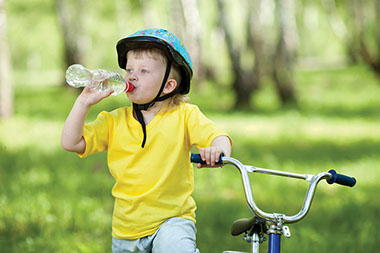
    Image of boy drinking water standing next to his bike.

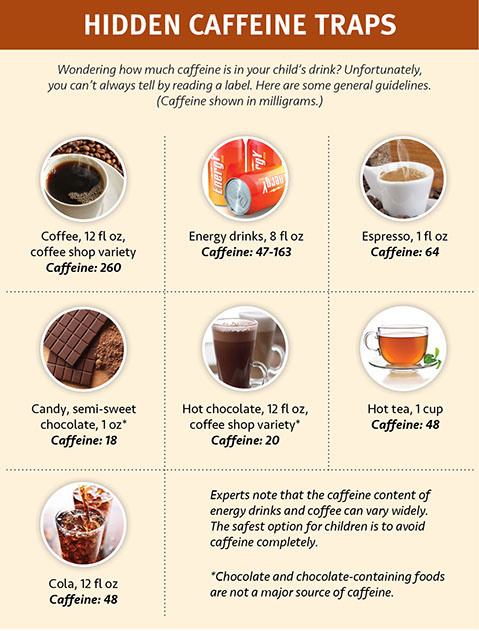
    Many kids love the sugary sweet taste of soda, sports drinks and energy drinks. And, many of these drinks also contain various amounts of caffeine. Is it okay for your child to consume these drinks?

    No, says the American Academy of Pediatrics (AAP). Because these drinks can actually be harmful, the AAP says children and teens should avoid them. Here’s why:

    *  Caffeine can be harmful to a child’s developing brain and heart, according to the AAP.

    *  Soda contains extra sugar and calories that can lead to weight gain and tooth decay.

    *  Energy drinks contain caffeine and other stimulants which can be harmful to children. Often, the caffeine content is not listed and can be higher than a cup of coffee.

    *  Water is a better option for kids playing sports. Sports drinks are usually not needed and often contain extra calories. Only children who exercise very hard for long periods may need a sports drink to replenish lost electrolytes, such as sodium and potassium.

    The Academy of Nutrition and Dietetics (AND) agrees. Caffeine can interfere with a child’s sleep. The AND adds that caffeine can lead to a cycle of lack of sleep and consuming more caffeine to get through the day. If your child is low on energy, the AND recommends a short nap or getting to bed earlier at night.

    © American Institute for Preventive Medicine

  • Should I Exercise If I’M Sick?

    BE FIT

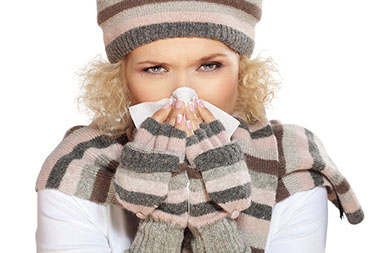
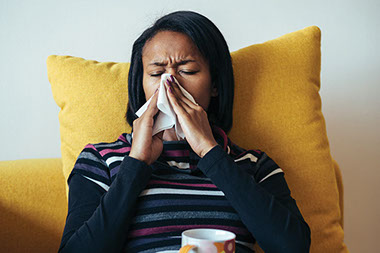
    Image of women blowing her nose.

    Although you may be coughing, your body aching, and your nose running like a faucet, it can be difficult to decide if you should exercise or take a temporary break.

    “We all know that exercise is key to good health, but there are times that your body may need a break,” said Dr. Keith Veselik, director of primary care at Loyola University Health System. “Having to slow down when you’re sick is Mother Nature’s way of saying don’t push it and it’s reasonable to pay attention to that.”

    As a general rule, it’s okay to exercise if your symptoms are above the neck, such as a sore throat or runny nose. But it could be dangerous to exercise if you have the following symptoms: fever, shortness of breath, chest congestion, body aches, diarrhea, vomiting or dizziness.

    When you’re sick, your body is already battling against an illness and that takes energy.

    For instance, adding the extra stress of exercising while sick can be dangerous for someone with a heart condition. A person with diabetes may need to monitor blood glucose levels more often because being ill may raise glucose levels and exercise may lower them.

    If you do have a medical condition and are not sure if you should exercise while sick, call your doctor.

    © American Institute for Preventive Medicine
  • Should I Be Gluten-Free?

    HEALTHY EATING

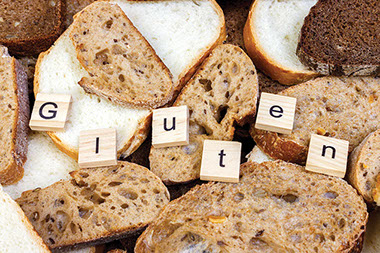
    Image of bread with the word 'Gluten' on wooden blocks.

    If you’ve seen the term “gluten-free” on food items and at restaurants, you may be wondering if you should be avoiding gluten.

    Gluten is a protein found in wheat, rye and barley. Many breads, pastas and cereals contain gluten. But, other products you wouldn’t suspect also have gluten like sauces, beer and malt beverages, and   pre-seasoned meats.

    Most people can eat gluten without any problems. But, people who have celiac disease have an immune system reaction to gluten. When they eat gluten, the immune system attacks the small intestine. This causes damage to the intestine, and it can’t work like it’s supposed to. This means the body can’t absorb the nutrients it needs.

    Symptoms of celiac disease

    In babies and children:

    *  Stomach aches, bloating, constipation, vomiting and/or diarrhea

    *  Foul-smelling or pale-colored stools

    *  Lack of proper weight gain

    *  Fatigue

    *  Being irritable or having behavior problems

    *  Attention deficit hyperactivity disorder (ADHD)

    *  Short stature

    *  Damage to tooth enamel

    In adults:

    *  Diarrhea or constipation

    *  Bone or joint pain

    *  Fatigue and weight loss

    *  Irregular menstrual periods

    *  Itchy, blistery skin rash

    *  Anxiety, depression or mood changes

    *  Bone loss (osteoporosis)

    *  Iron-deficiency anemia

    A mysterious condition

    To add to the confusion, celiac disease may come on unexpectedly. Some people have celiac disease for a while without symptoms. Then, something triggers the immune response and symptoms appear.

    To find out if someone has celiac disease, doctors usually do a blood test. If the blood test shows celiac disease as a possibility, another test must be done to confirm it. This is usually a biopsy (taking a small sample) of the inside of the intestine. If you are getting a blood test, don’t stop eating gluten beforehand. If you do, the test may not show an accurate result.

    Treatment for celiac disease

    People with celiac disease must follow a strict gluten-free diet for life. They will have to read food labels and get to know which foods may have gluten.

    People who are newly diagnosed with  celiac disease should work with a doctor and/or dietitian to learn how they can avoid eating and drinking all gluten-containing foods and beverages.

    Non-celiac gluten sensitivity

    Some people have health problems when they eat gluten but do not test positive for celiac disease. They find that when they stop eating gluten, the problems go away. This is known as non-celiac gluten/wheat sensitivity (NCGS).

    If you don’t have celiac disease or NCGS, experts say you should not avoid gluten. Gluten can be part of a healthy diet and eating “gluten-free” doesn’t mean it’s healthier for you.

    Sources: American Academy of Family Physicians, Celiac Disease Foundation, National Institute of Diabetes and Digestive and Kidney Diseases

    © American Institute for Preventive Medicine