Blog

  • Shopping Online Safely

    FINANCIAL HEALTH

    Image of couple shopping online.

    Using your computer, tablet or smartphone to shop can be quick and convenient. But, the internet is full of websites that aren’t trusted places to shop. To keep your personal information and money safe, follow these steps before you shop online:

    *Use major companies that you know.Look for a company address, phone number, and email. Read online reviews before buying.

    *Research the return policy.Can you get a full refund if you aren’t satisfied? What does it cost to send it back?

    *Know what shipping will cost.Be sure you know what the cost will be before you place the order. Shipping costs should be clearly listed on the website.

    *Never use cash.If you pay by credit card, your purchase is protected by the Fair Credit Billing Act. This means you can dispute charges you didn’t make. You may also be protected from having to pay for unauthorized charges if your card number is stolen.

    *Compare your credit card statement and your online receipt.Be sure the costs match.

    *Don’t use email for sending financial information.Email isn’t secure and someone could steal your information this way.

    Beware of fake online reviews

    You see a product online that has hundreds of glowing reviews. It must be great, right? Not necessarily. In fact, some companies have been sued by the FTC for providing fake online reviews. Some companies even pay people to write great reviews for their products, or delete negative reviews on their site.

    Take any online reviews with a grain of salt. If they seem too good to be true, they probably are. Almost any product will have some positive, neutral and negative opinions. If it doesn’t, this may be a red flag for a scam.

    Source: Federal Trade Commission

    © American Institute for Preventive Medicine

  • Shopping Cart Spills Can Be Prevented

    FAMILY LIFE

    Image of mother with toddler sitting in a shopping cart.

    Kids dangling over shopping carts reaching for candy, standing up, and riding underneath. Every 22 minutes a child goes to the ER with a shopping cart-related injury. A study in Clinical Pediatrics found that falls from a shopping cart accounted for the majority of injuries for children up to 4 years old, followed by running into/falling over the cart, cart tipovers, and entrapment of arms, legs, and fingers in the cart. The kids suffered concussions and other head injuries.

    Dr. Gary Smith, director of the Center for Injury Research and Policy at Nationwide Children’s Hospital, said parents need to understand the dangers. He suggests these strategies:

    *  Always use the shopping cart safety straps. Be sure your child is snugly secured in the straps and that the child’s legs are placed through the leg openings. If parts of the cart restraint system are missing or are not working, choose another cart.

    *  Use a cart that has a child seat that is low to the ground, if one is available.

    *  Make sure your child remains seated. Stay with the cart and your child at all times.

    *  Avoid placing infant carriers on top of shopping carts. If your child is not old enough to sit upright in the shopping cart seat, consider other options such as leaving your child at home with another adult while you are at the store, using in-store child care areas, using a front- or back-pack carrier, or using a stroller.

    © American Institute for Preventive Medicine

  • Shingles (And We’re Not Talking About Your Roof)

    SELF-CARE CORNER

    Image of shingles the rash on a person's back.

    Shingles is a painful viral infection that affects 30% of Americans every year. It is caused by Varicella Zoster virus, the same virus that causes chicken pox.

    The outbreak occurs mostly in people 50 years of age and older. The virus can lie dormant in the nerve tissue of the body for many years, then becomes activated and causes shingles later in life.

    According to the Centers for Disease Control and Prevention, shingles is not passed from one person to another. However, the virus that causes shingles can spread from a person with active shingles to another person who has never had chicken pox. In such cases, the person exposed to the virus might develop chickenpox, not shingles.

    “If you are diagnosed with shingles, you are contagious as long as you have blisters and ulcers. It is important to cover your rash and wash your hands frequently. It also is important to avoid people who have not received the chicken pox vaccine, pregnant women and anyone with a weak immune system,” said Dr. Khalilah Babino, physician at Loyola University Health System and assistant professor in the Department of Family Medicine at Loyola University Chicago Stritch School of Medicine.

    A shingles outbreak can last several weeks. Before the rash appears, the following symptoms may occur:

    *  Fatigue

    *  Headache

    *  Tingling

    *  Itching

    *  Burning Pain

    After a few days, a blistering rash in clusters appears. The shingles rash is always located along the involved nerve pattern called a dermatome, typically in a band on one side of the body. Most often, the rash is on the chest and/or back, but can occur on other body parts.

    “If you develop shingles on your face, especially near your eye, you should seek immediate medical care as this type may result in loss of vision,” Dr. Babino said. The blisters that form will pop in a few days and become open sores, which are contagious. Usually, these ulcers scab over within 7 to 10 days and the rash goes away within 4 weeks.

    “Fortunately, there is antiviral medication to help slow the virus and speed recovery. The earlier the medication is started, the more effective it is against the virus. I recommend starting these medications within 72 hours of the onset of rash. Since shingles can be very painful, you might also need prescription pain medication,” Dr. Babino said.

    Most people with shingles do not suffer any complications. Still, there is a 10% chance of developing a painful condition called post-herpetic neuralgia after the rash has gone away. The pain can last from a few months to a year.

    You can decrease your risk of developing shingles and its complications by getting the shingles vaccine. One dose of shingles vaccine is advised for adults age 60 years and older, but can be given between the ages of 50 and 59.

    “People who have had shingles previously can still receive the vaccine. If you are above the age of 50 years old, you should talk to your health care provider about the shingles vaccine,” Dr. Babino said.

    © American Institute for Preventive Medicine

  • Shin Splints Can Sidetrack Your Running Routine

    BE FIT

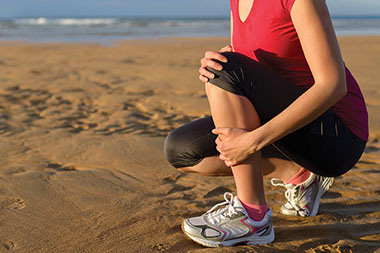
    Image of women holding her shin.

    If shin splints are keeping you from making the most of your runs this spring, you’re not alone. Shin splints-pain in the front of the lower legs-is common among those who exercise regularly. This ailment especially affects runners.

    According to Dr. Matthew Silvis, associate professor of family medicine and orthopedics at Penn State Hershey, shin splints are among the most common complaints in spring for people back on the road or trail after a long winter.

    The term shin splints generally refers to pain and soreness along the shinbone, or tibia, the largest bone of the lower leg. The pain comes from overuse of the muscles and tendons around the bone. Added or unusual stress on and around the shinbone causes it to become inflamed and sore.

    If you’re already dealing with shin splints, icing the area can help. So can taking an over-the-counter anti-inflammatory medicine if needed for pain. Wait to return to your activity until you’re pain-free for 2 weeks.

    The fix

    Give the body time to adjust when changing an exercise routine. Doing too much too soon can bring on shin splints. If untreated, a more serious injury-stress fracture-can result. Stress fractures-tiny cracks in the bone-usually come from overuse. To avoid this:

    *  Gradually increase the amount or intensity of a workout to avoid too much stress on the legs.

    *  Follow a regular, gentle stretching routine that includes the calves. Keeping the muscles around the shinbone flexible can help prevent  shin splints.

    *  Wear well-fitting, supportive athletic shoes. And replace them every 300 to 500 miles.

    *  Balance running workouts with other training that isn’t as stressful on the legs. Examples are cycling, cross-training, and swimming.

    © American Institute for Preventive Medicine

  • Sharing A Bathroom And The Dangers Of Tooth Brushing

    WELL-BEING

    Image of tooth brushes in a cup.

    Leaving your toothbrush out on the bathroom counter subjects it to picking up all kinds of yucky germs, not only your own but those from others, and we’re talking about fecal coliforms (you can guess what those are). Toilet flushing or just being around other people’s poor hygiene can contaminate the toothbrushes.

    Tooth brushes stored too close together promotes cross contamination of germs.

    A study presented to the American Society for Microbiology examined toothbrushes in group bathrooms at a college campus. Turns out the problem is not your own germs, but those from other people who share the bathroom space.

    Lesson learned-if you share a bathroom, don’t leave your toothbrush around. Even if you rinse it in hot water or mouthwash, it can still get contaminated. Putting it into a case is even worse because the environment inside the cover helps the nasty germs grow.

    Solution? Let the bristles dry out somewhere else, such as in your bedroom.

    © American Institute for Preventive Medicine

  • Shake Salt

    HEALTHY EATING

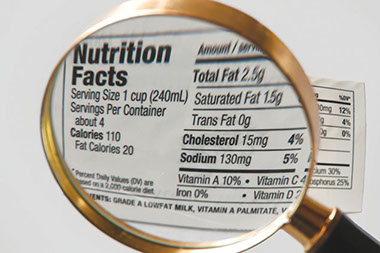
    Image of nutrition label.

    About 75% of the total sodium (salt) you get in your diet comes from sodium already in packaged and restaurant foods, not from the salt shaker, said an FDA deputy commissioner. That makes it very difficult for you to reduce your sodium intake because the foods you have available to you in the marketplace already have high levels in them.

    So what can you do? The FDA offers some advice:

    *  When shopping for food, read food labels and choose foods that are lower in sodium.

    *  Foods providing 5% (Percent Daily Value or %DV on the label) are considered low. And 20%DV is considered high (avoid these foods).

    *  The CDC identified 10 surprising foods as the greatest sources of sodium: breads and rolls; luncheon meat, such as deli ham or turkey; pizza; poultry, fresh and processed, much of the raw chicken bought from a store has been injected with a sodium solution; soups; cheeseburgers and other sandwiches; cheese, natural and processed; pasta dishes; meat dishes, such as meat loaf with gravy; and savory snack foods, such as potato chips, pretzels, and popcorn.

    © American Institute for Preventive Medicine

  • Set A Resolution That Works For You

    BE FIT

    Image of young women jogging in the winter.

    “What’s your New Year’s resolution?” It’s a question many people hear – and ask – when Jan. 1 approaches. But, after a couple of weeks of hard work, life often interferes and that resolution gets forgotten.

    But what if you could stick with that resolution this year? Try these tips from the American Diabetes Association:

    *Be realistic.Rather than push yourself to do several major things, pick just one – such as walking.

    *Be specific.For instance, write down how often you will work out (5 days a week for 30 minutes) or that you will eat fruit instead of sweets. Schedule it in your calendar so other things are less likely to interfere.

    *Get back on track after setbacks.If you slip up, forgive yourself and start new tomorrow. Don’t abandon your healthy goals because of one mistake.

    Good health is a great goal to work towards – at New Year’s or any time of the year.

    © American Institute for Preventive Medicine

  • Sepsis: Be Aware Of This Deadly Condition

    MEDICAL NEWS

    Image of sick women in bed.

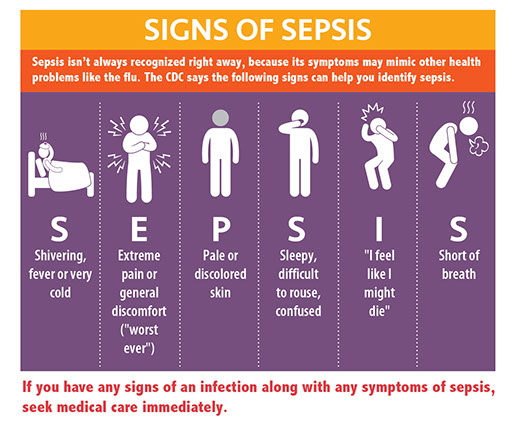
    Sepsis is among the top causes of disease-related death in our country, killing about 200,000 people each year. Actress Patty Duke’s recent death from sepsis brought more attention to this dangerous disease. It’s important to know the signs of sepsis so you can seek emergency medical care for this serious condition. Early treatment can save lives.

    Sepsis is a strong and harmful reaction of the body’s immune system. It can be triggered by common infections, such as pneumonia, a urinary tract infection, or even a minor infection like a cut or scrape, if it becomes infected and the infection spreads.

    Most of the time, these infections don’t cause sepsis. But when sepsis does occur, it can cause a dangerous drop in blood pressure, resulting in organ failure and death. It tends to affect the very young, the elderly or those with weakened immune systems.

    Influenza vaccines and pneumococcal vaccines may help prevent sepsis. Consider getting these vaccines to reduce your risk.

    © American Institute for Preventive Medicine

  • Sensational Six-Layer Dinner

    HEALTHY EATING

    Image of a person cutting carrots.

    Ingredients

    2 potatoes (medium, sliced)

    2 cups carrot (sliced)

    1/4 teaspoon black pepper

    1/2 cup onion (sliced)

    1 pound ground beef (browned & drained)

    1-1/2 cups green beans

    1 can tomato soup

    Directions

    Lightly oil or spray baking dish with cooking spray. Layer ingredients in the order given. Cover. Bake at 350ºF for 45 minutes or until tender and thoroughly heated. Uncover and bake 15 more minutes. For variation, use peas or corn instead of green beans. Use your favorite cream soup instead of tomato soup.

    Makes 6 servings: 260 calories, 6 g total fat, 25 g protein, 26 g carbs, 3 g fiber, 480 mg sodium*

    *To reduce sodium content, use reduced-sodium canned soups.

    From the US Department of Agriculture’s What’s Cooking Mixing Bowl.

    © American Institute for Preventive Medicine

  • Seeds 101

    HEALTHY EATING

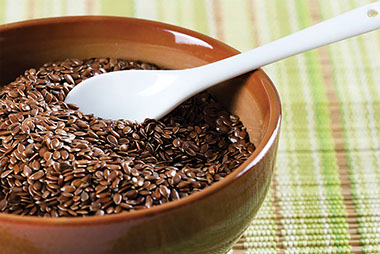
    Image of flax seeds in a bowl.

    Edible seeds can play an important part in the human diet, not only because they’re nutritious, but they can also add appearance, texture, and taste to a variety of foods. Experts at the Institute of Food Technologists provide a short lesson in popular seeds:

    Seed: Chia

    Origin:Mexico, Central America

    Taste:Mild, slightly nutty

    Uses:Cookies, salads, oatmeal, soups, yogurt, baked goods

    Nutritional Value:Contains the highest levels of total omega-3 fatty acids of any plant source, rich in fiber, protein, antioxidants, vitamins, and minerals

    Health Benefits:Helps control blood sugar levels, promotes satiety (feeling of fullness after eating), and slows the breakdown of carbohydrates

    Fun Fact:When added to water, chia seeds can swell to 12 times their weight in liquid and create a gel that could be used as an alternative to eggs and some oils in recipes.

    Seed: Quinoa

    Origin:South America

    Taste:Mild, slightly nutty

    Uses:Breakfast cereals, artisan-style breads, muffins, pizza crusts, bakery products, salads, meat-free burgers, vegan and vegetarian products

    Nutritional Value:Contains the highest protein levels of all the cereal grains, good source of magnesium, vitamin E, potassium and fiber

    Health Benefit:Provides all of the essential amino acids for optimal health

    Fun Fact:The United Nations has declared 2013 the “International Year of Quinoa.” Pronounced KEEN-wha.

    Seed: Flax

    Origin:Eastern Mediterranean to India

    Taste:Mild, nutty

    Uses:Soups, salads, stews, hamburgers, hot and cold cereals, chilies, sauces and dips, fruit smoothies, cookies, muffins and bread dough, dairy-free milk product for people with lactose-allergies

    Nutritional Value:Source of polyunsaturated fat, omega-3 fatty acids, essential amino acids, antioxidants, folate, vitamin B-6, magnesium potassium, and iron

    Health Benefit:Easily digestible

    Fun Fact:The seed was valued as both a food and a medicine in ancient Mesopotamia 10,000 years ago.

    Seed: Sunflower

    Origin:North America

    Taste:Mild

    Uses:Baked goods such as bagels, muffins, multigrain breads, and in trail mixes, hot breakfast cereals, coated in chocolate for confectionary applications, sprinkled in yogurt or on salads, and much more

    Nutritional Value:Contains polyunsaturated oil

    Health Benefit: Weight management

    Fun Fact:Used by Native Americans as a high-energy food source

    © American Institute for Preventive Medicine