Blog

  • Got Breakouts? Proven Tips For Clear Skin

    SELF-CARE CORNER

    Image of man looking at face in mirror.

    Acne can be an emotionally challenging condition for people of almost any age. The American Academy of Dermatology says acne affects up to 50 million people each year.

    Fortunately, there are a variety of products that can help you manage acne. If you or your child is dealing with acne, check out some of the most popular options to treat this condition.

    Salicylic acid

    What it does:Reduces redness and unclogs pores.

    Side effects:Minor redness, peeling or stinging.

    How to get it:Drugstore acne cleansers, toners, pads and creams. Dermatologists offer higher strength products and peels.

    Benzoyl peroxide

    What it does:Kills bacteria in the pores that causes acne.

    Side effects:Dryness, redness, peeling or stinging. May bleach hair or clothing.

    How to get it:Drugstore acne washes, creams and gels. Dermatologists offer products that combine benzoyl peroxide with other ingredients, such as an antibiotic.

    Retinoid

    What it does:Decreases the buildup of cells within pores.

    Side effects:Dryness, redness, peeling and burning that can be severe. Should not be used by pregnant or breastfeeding women or women who may become pregnant.

    How to get it:Only available from a dermatologist. Usually used for moderate to severe acne only.

    Antibiotics

    What it does:Kills acne bacteria on the skin.

    Side effects:Dryness and irritation. Some antibiotics can cause antibiotic resistance, especially if not used as directed by a doctor. This means the bacteria is no longer affected by the antibiotic and the medicine will no longer work correctly.

    How to get it:Only available from a dermatologist. Some antibiotics are applied to the skin. Others are taken as a pill.

    Getting breakouts under control can improve self-confidence and emotional well-being. If drugstore products don’t work for you, ask your doctor about stronger options. If your acne treatment is too drying, try a facial moisturizer labeled “non-comedogenic,” which means it won’t clog pores.

    © American Institute for Preventive Medicine

  • Protein – Find The Right Balance

    HEALTHY EATING

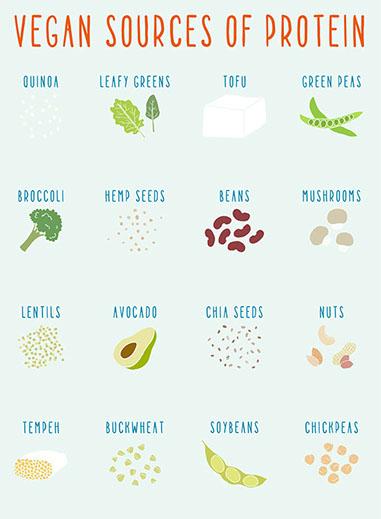
    Image of different protein sources.

    Protein is an essential part of any diet. Your body needs it to build tissues and cells.

    Some sources of protein are not as healthy as others. Animal sources, such as beef, pork and eggs, may contain saturated fat and/or cholesterol. The American Heart Association says saturated fats should make up less than 7 percent of your total daily calories. This means you should eat 16 grams or less of saturated fats if you eat 2,000 calories per day. Animal proteins also contain no fiber, and most Americans fall short of the recommended 25 to 35 grams of fiber needed per day.

    On the other hand, plant, nut and seed proteins often have little to no saturated fat and cholesterol and usually contain fiber and valuable nutrients. Check out this “Vegan Sources of Protein” diagram for a list of good non-animal protein sources. Try replacing some of your animal proteins with these vegan-friendly sources.

    Illustration of vegan sources of protein.

    © American Institute for Preventive Medicine
  • Protect Yourself From Medical Identity Fraud

    MEDICAL NEWS

    Image of money and a stethoscope.

    It’s America’s fastest growing identity crime. DHHS says health care data hacking has affected more than 34 million Americans. Stolen records provide information for tax and insurance fraud.

    “When someone steals your medical identity, they corrupt your individual health record, so the next time you receive care your doctor can be working off a file riddled with bad information,” say ID Experts, a medical software provider.

    Use these wise fraud protection tips.

    *  Protect your health insurance card as carefully as you would your Social Security or credit cards. Theft of these cards allows someone to assume your identity to receive care. Treat their loss as seriously as a missing credit card; notify your insurance company and include it on any police report you file.

    *  Never share your insurance with a friend or family member. When someone pretends to be you to receive health care, your lifetime medical records become compromised. This can lead to a future misdiagnosis, a prescription mistake, or other inappropriate treatment.

    *  Use strong passwords on patient portals and change them often.

    *  Be observant in medical offices. Don’t just fill out the HIPAA policy form and then assume your provider is being careful. Raise concerns, like medical records sitting open on desks or unattended and unlocked computer terminals.

    *  Do NOT provide your medical information to someone who calls or emails you about your “possible involvement in a recent breach.”

    © American Institute for Preventive Medicine

  • Protect Your Personal Information

    FINANCIAL HEALTH

    Image of laptop with shield and lock key.

    Identity theft is a serious crime. It happens when someone steals your personal information such as your social security number or credit card numbers and uses it without your permission. You may see mistakes or mystery charges on your bank, credit card, or other account statements. You may receive bills for products or services you never received. Protect your personal information, urges the Federal Trade Commission. Get detailed information online atwww.ftc.gov/idtheft.

    *Keep your important papers secure.Limit what you carry in your wallet or purse. Pick up new checks at the bank instead of having them mailed to your home. Take outgoing mail to a collection box or the post office. Don’t leave it in your mailbox. Shred sensitive documents, receipts, credit card offers, insurance forms, checks, bank statements, and similar documents.

    *Secure your social security number.Only give it out when necessary (and ask if you can use a different kind of identification).

    *Protect your computer and mobile devices.Use anti-virus software. Don’t open files or click on links sent by strangers. Remove the memory cards from mobile devices before recycling them.

    *Protect your data online.Keep your passwords private. Don’t over share on social networking sites. If you post too much information about yourself, an identity thief can use that information to answer challenging questions on your accounts (birthdays, mother’s name, pet names, high school).

    © American Institute for Preventive Medicine

  • Protect Your Bones

    SELF-CARE CORNER

    Image of women drinking a glass of milk.

    Bones feel solid, but the inside of a bone is actually filled with holes like a honeycomb. Bone tissues are broken down and rebuilt all the time. While some cells build new bone tissue, others dissolve bone and release the minerals inside, according to experts at NIH in Health.

    As we get older, we begin to lose more bone than we build. The tiny holes within bones get bigger, and the solid outer layer becomes thinner. In other words, our bones get less dense. Hard bones turn spongy, and spongy bones turn spongier. If this loss of bone density goes too far, it’s called osteoporosis. Over 10 million people nationwide are estimated to have osteoporosis.

    In bad accidents, it’s normal for bones to break. But if your bones are dense enough, they should be able to withstand most falls. Bones weakened by osteoporosis, though, are more likely to break.

    You can lower your risk of osteoporosis.

    Getting plenty of calcium, vitamin D, and exercise is a good start.

    *Calciumis a mineral that helps bones stay strong. It can come from the foods you eat-including milk and milk products, dark green leafy vegetables like kale and collard greens-or from dietary supplements.

    *Vitamin Dhelps your body absorb calcium. As you grow older, your body needs more vitamin D, which is made by your skin when you’re in the sun. You can also get vitamin D from dietary supplements and from certain foods, such as milk, egg yolks, saltwater fish, fortified milks and cereals, and cod liver oil.

    *Exercise,especially weight-bearing exercise, helps bones too. Weight-bearing exercises include jogging, walking, tennis, and dancing. The pull of muscles is a reminder to the cells in your bones that they need to keep the tissue dense.

    Smoking, in contrast, weakens bones. Heavy drinking does too-and makes people more likely to fall. Certain drugs may also increase the risk of osteoporosis. Having family members with osteoporosis can raise your risk for the condition as well.

    The good news

    Even if you already have osteoporosis, it’s not too late to start taking care of your bones. Since your bones are rebuilding themselves all the time, you can help push the balance toward more bone growth by giving them exercise, calcium, and vitamin D.

    © American Institute for Preventive Medicine

  • Protect Your Baby

    MEDICAL NEWS

    Image of mother and baby.

    Whooping cough (also known as pertussis) is a respiratory infection that can cause severe coughing or trouble breathing. When babies get it, they are often put in the hospital. And most of them get whooping cough from someone at home, such as a parent, sibling, or grandparent, or from childcare providers.

    Whooping cough can be prevented. Do it, urges the CDC.

    Babies and children get a series of five DTaP shots to protect them against diphtheria, tetanus and whopping cough. Babies get the first dose at two months, so until they are fully immunized, you need to keep them safe.

    Insist that everyone who comes in close contact with your newborn be up-to-date with whooping cough vaccination. Teens and adults need only one dose of Tdap vaccine, which came out in 2005. Tell grandparents they need to get this vaccine, too.

    © American Institute for Preventive Medicine
  • Preventing Falls In The Winter

    SELF-CARE CORNER

    Image of family walking outside in the snow.

    Most of us can recall a time when we slipped in the winter snow or on an icy sidewalk. You may have gotten away with just a bruise or a sore spot for a few days.

    But, slips and falls can be serious – especially for older adults and those with health problems. In fact, falls are the leading cause of injuries in older adults. Some falls can even be fatal.

    Colder temperatures mean slick surfaces –  and dangerous falls. Follow these suggestions to help avoid falls in the winter, and share them with the older adults in your life.

    Vehicle safety

    Getting in and out of a car is a prime time for slips and falls.

    *  Look at the surface before you step out of your car.

    *  Keep three or four “points of contact” when getting in and out. This means put both feet on the ground, and have one or two hands on a stable part of the car before you try to move.

    Walk safely

    People who have a high fall risk may need to avoid walking outdoors when it’s icy. But for those who can’t avoid walking in the winter weather, follow these tips:

    *  Get rid of old footwear. Shoes and boots that have worn soles are more likely to lose their grip and slip.

    *  Wear boots with deep cleats or use ice cleats on the outside of boots. These are available at most sporting goods stores.

    *  If you use a cane for walking, consider getting an ice grip that attaches to the tip of your cane.

    *  Wear warm gloves or mittens. Don’t keep hands in pockets, as this makes it harder to keep your balance.

    *  Keep hands free by using a backpack or cross-body purse in place of a handbag.

    *  When possible, choose surfaces that have been salted and that are in direct sunlight.

    *  Keep a small bag of kitty litter in your purse or pocket. If a surface looks icy, scatter some of the litter in front of you before walking.

    *  Don’t be afraid to go “off road.” If a sidewalk looks icy, consider walking on the grass next to it. This can work if you can see that the ground doesn’t have hazards like holes or uneven surfaces.

    *  Use ice melting salt or sand on your sidewalks and around entries to your home. Older adults may need a loved one or a neighbor to help apply this every time it snows or gets icy.

    Source: National Council on Aging

    © American Institute for Preventive Medicine

  • Prevent Vision Loss

    SELF-CARE CORNER

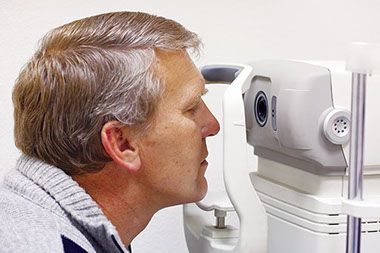
    Image of older man getting an eye exam.

    Glaucoma is a leading cause of irreversible blindness. When glaucoma is treated in its early stages, vision loss can be prevented. Yet studies show that more than half of people with glaucoma don’t use their medications properly.

    The American Academy of Ophthalmology offers this advice:

    *Be honest with your eye doctor about your medication difficulties.Missed a dose? It may not seem to matter much, but research shows that skipping doses can cause your glaucoma to become more severe. Ask about the best way to make up for a missed dose and how to manage your medications.

    *Use memory aids.The most common reason for not taking eye drops is forgetfulness. Try simple memory aids like linking your eye drop schedule to other things you do routinely such as brushing your teeth. Mark times you take your medication on a calendar. Set an alarm on your smartphone.

    *Perfect the “pocket.”Giving yourself eye drops can be challenging. In fact, research has shown that nearly 30% of people taking glaucoma medication are not properly applying their eye drops. Gently pull and pinch the lower lid to make a pocket to catch your drops. Once the drops are in, close your eyes (do not blink) and apply pressure to the point where the lids meet the nose for 2 to 3 minutes. Maybe a loved one can help you apply the drops at home.

    Who’s at risk for developing glaucoma?

    Risk factors include age, family history of glaucoma, African-American and Hispanic-American ancestry, diabetes, and past eye injuries. The American Academy of Ophthalmology recommends that all people get an eye exam by age 40, especially those who have a higher risk of glaucoma.

    © American Institute for Preventive Medicine

  • Prevent Kids From Choking

    FAMILY LIFE

    Image of father and daughter eating oranges.

    Food-not toys-are the most common culprit of choking accidents in kids under 5. The reasons have a lot to do with a child’s anatomy.

    “Young children have underdeveloped swallowing mechanisms, immature teeth and narrow airways, which put them at a higher risk for choking on food,” said Dr. Nina Shapiro, a professor of head and neck surgery at the UCLA School of Medicine. “Plus, the diameter of a child’s airway is about the size of their pinky, so high-risk foods can easily block their tiny airways and prevent their ability to breathe.”

    The list of high-risk foods for children under age 5 years includes many kid favorites:

    *  Cheese sticks

    *  Chewing gum

    *  Chunks of meat or cheese

    *  Chunks of peanut butter

    *  Chunks of raw vegetables

    *  Dried fruit

    *  Grapes

    *  Hard or sticky candy and lollipops

    *  Hot dogs

    *  Nuts

    *  Popcorn

    *  Seeds such as pumpkin seeds and sunflower seeds

    Here are some tips:

    *  Vegetables should be cooked and cut into small pieces.

    *  Hot dogs and cheese sticks should be cut lengthwise, then widthwise, and then into the shape of small moons.

    *  Grapes should be peeled and cut in half or quarters.

    *  Nut butters should be spread thinly onto crackers or bread.

    *  Young children should always be attended to by an adult when they eat and only eat developmentally appropriate foods.

    *  Children should sit up straight and not play or run while eating.

    If a child does choke and is unable to breathe, call 911 and perform the Heimlich maneuver. Even if the child seems to choke but then coughs and appears fine, the object may have become lodged, and the child should see a doctor.

    © American Institute for Preventive Medicine

  • Prevent Ear Infections

    FAMILY LIFE

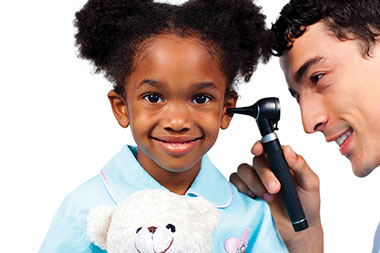
    Image of doctor looking into a child's ear.

    “Most children will have at least one ear infection by the time they are 2 years old,” said Dr. Heather Gomes of the Boys Town National Research Hospital. “For those children who have recurring ear infections, further evaluation and treatment by an ear, nose and throat physician is recommended to avoid delays in speech and language skills.”

    The top 5 tips to prevent ear infections –

    1. Protect your child from secondhand tobacco smoke.

    2. Reduce your child’s exposure to colds during the first 2 years of life as much as possible.

    3. Breast-feed your baby during the first 6 to 12 months of life.

    4. Bottle-feed your child by holding the bottle at a 45-degree angle.

    5. Discuss with your doctor any significant symptoms such as excessive spitting up or stomach pain because this is a risk factor.

    © American Institute for Preventive Medicine