
Blog

  • Prevent Diabetes

    SELF-CARE CORNER

    Image of home testing glucose machine surrounded by vegetables.

    Diabetes may run in your family, but you can avoid or delay its development.

    You can reduce your risk for type 2 diabetes by eating a healthy diet, getting plenty of physical activity, and losing  excess weight, according to NIH in Health. Type 2 diabetes occurs due to problems related to a hormone called insulin. When your body digests food, it’s broken down and converted to glucose and other molecules, which then travel through the bloodstream. Insulin signals cells to let glucose in for use as an energy source.

    In a person with type 2 diabetes, either the body’s cells have trouble using insulin or the body isn’t making enough insulin. As a result, glucose can build up to harmful levels in the blood. That’s why people with diabetes often have high blood glucose levels.

    These high levels raise your risk for heart disease, kidney problems, blindness, amputations, and other serious conditions.

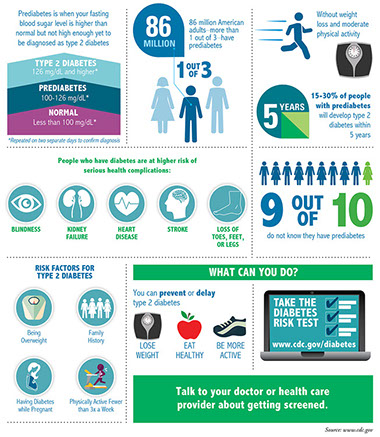
    Being overweight, obese, or inactive increases the risk to develop type 2 diabetes. You can change these risk factors. Losing just 5-10 percent of your weight and exercising 30 minutes a day on 5 days a week goes a long way to lower your risk.

    Steps to prevent diabetes

    *  Move more. It doesn’t matter what activity you do, as long as you enjoy it.

    *  Choose healthy foods. Eat fiber-rich fruits and vegetables.

    *  Maintain a healthy weight. With healthy eating and physical activity, you can drop pounds and keep them off.

    *  Set reasonable goals. Start with small changes, even walking 15 minutes a day. Add 5 minutes per day next week and so on. Goal: 30 minutes, 5 days a week.

    *  Record your progress. Keep a diary of what you eat and drink and the number of minutes you exercise to stay focused on your goal.

    *  Keep at it. Making even small changes is hard in the beginning. If you get off track, start again.

    © American Institute for Preventive Medicine
  • Prevent Clothes Dryer Fires

    WELL-BEING

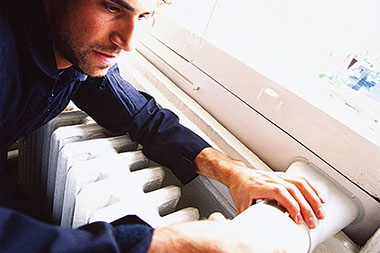
    Image of a man cleaning dryer duct.

    Built-up lint blocks air flow in your clothes dryer, which leads to high heat and a potential fire. Thousands of fires occur each year, according to the U.S. Fire Administration.

    Take these simple steps to keep your home safe:

    *  Clean the lint screen every time you use the dryer.

    *  If you use fabric softener, wash the screen in warm soapy water periodically to get rid of film build-up that restricts air flow.

    *  Make sure the lint screen has no tears (otherwise lint gets into the duct system and restricts air flow).

    *  Inspect the duct, dampers, and access covers for damage every 3 months. Clean all removable parts. Vacuum the duct to remove excess lint build-up.

    Don’t dry items that have been cleaned or soaked in gasoline, dry cleaning solvents, vegetable or cooking oil, machine oil, or other chemicals such as mop heads, which can be explosive when heated.

    © American Institute for Preventive Medicine

  • Prevent Carbon Monoxide Poisoning: You Can’t See It Or Smell It

    WELL-BEING

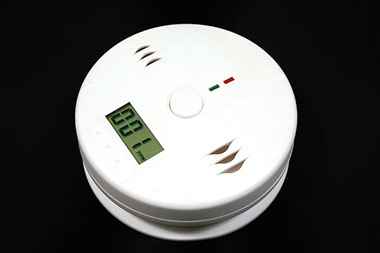
    Image of carbon monoxide detector.

    Every year, more than 400 people die in the U.S. from accidental carbon monoxide (CO) poisoning. CO is found in fumes produced by furnaces, portable generators, stoves, lanterns, and gas ranges, or by burning charcoal and wood. CO from these sources can build up in enclosed or partially enclosed spaces. People and animals in these spaces can be poisoned and can die from breathing CO.

    The most common symptoms of CO poisoning are headache, dizziness, weakness, nausea, vomiting, chest pain, and confusion. People who are sleeping or who have been drinking alcohol can die from CO poisoning before ever having symptoms.

    *  Never use a gas range or oven to heat a home.

    *  Never leave the motor running in a vehicle parked in an enclosed or partially enclosed space, such as a garage.

    *  Never run a motor vehicle, generator, pressure washer, or any gasoline-powered engine outside an open window, door, or vent where exhaust can vent into an enclosed area, or inside a basement, garage, or other enclosed structure, even if the doors or windows are open, unless the equipment is professionally installed and vented.

    *  Keep vents and flues free of debris, especially if winds are high. Flying debris can block ventilation lines.

    *  Never use a charcoal grill, hibachi, lantern, or portable camping stove inside a home, tent, or camper.

    *  If conditions are too hot or too cold, seek shelter with friends or at a community shelter.

    *  Install a CO alarm in your home and change the batteries often (just as you do with a smoke detector).

    If you smell gas . . .

    Escaping or uncontrolled natural gas may start on fire when it comes in contact with a spark or flame. If you smell gas, leave immediately. Don’t touch anything that could spark. Call your gas company or 911 from a safe distance. Do not re-enter the area until you have been advised that it is safe, warns MidAmerican Energy.

    © American Institute for Preventive Medicine
  • A Prescription For Exercise?

    BE FIT

    Image of couple walking through woods.

    Many doctors recommend exercise to help with weight loss, strength and well-being. But, an exercise program may do even more than that. Research shows that exercise can help with certain health conditions. In fact, many people are now getting a “prescription” for exercise from their doctor.

    Fibromyalgia:Several studies support using exercise as a treatment for fibromyalgia pain. Fibromyalgia can cause chronic pain and fatigue. These symptoms may improve when a person exercises regularly.

    Depression:Depression is one of the most common mental health disorders in the U.S. Some studies have found that getting regular exercise helps with mild to moderate depression. This may be because exercise releases the brain’s “feel-good” chemicals. Exercise may also help support other brain functions, which help with depression.

    Osteoporosis:Osteoporosis causes bones to become weaker or more brittle. But, regular exercise can help strengthen muscles and bones, which lowers the risk of breaking bones or falling. Often, people with osteoporosis get good results by doing a combination of aerobic and weight training exercises.

    Arthritis:Exercise is considered the best non-drug option for treating pain and stiffness from arthritis. Walking and water exercise are usually good choices. Plus, exercise can help you maintain a healthy weight which helps to reduce pressure on your weight-bearing joints.

    Hard work pays off

    It can be hard to get up and exercise when you have a health condition, especially one that causes pain or fatigue. But, the evidence shows that the extra effort may be well worth it!

    Always talk to your doctor before beginning any exercise program. Exercise alone may not be enough to treat some health problems. But, it may make you feel better and may be a good “natural” option to try. It can be used along with other treatments, such as medication or therapy.

    © American Institute for Preventive Medicine

  • Preparing For A Vacation From Work

    WORK LIFE

    Image of family looking out of an airport window.

    To help make the most of your time off, be sure you’ve prepared for your absence at work. These steps can help you get ready for your well-deserved break:

    *Give people advance notice.As soon as you have plans, tell your supervisor and colleagues. If you have key clients or customers, be sure to tell them too.

    *Set up an out-of-office reply and voicemail.These basics let everyone know when you’ll get back with them. If possible, list a colleague’s name and number for urgent needs, but ask them first if this is okay.

    *Make a list of important tasks to complete before you leave.Then, stick to the list and make sure you get it done. This will help your colleagues and you’ll be able to rest easier on vacation.

    *Decide how you can be reached and let people know.If you don’t want phone calls or emails, let co-workers know. Some people want to take a complete break from work, while others like checking in. Or, you may tell people to call only if it’s urgent. It may depend on your job responsibilities and your preference.

    Traveling and spending

    In 2016, people in the U.S. spent $836.6 billion on domestic travel. This made up 84 percent of all travel expenditures. The money spent on travel in the U.S. directly supported over 7 million American jobs.

    Travelers spent $248.5 billion on food services. This accounted for 25 percent of travel expenses. It surpassed lodging expenses, which were 21.3 percent, or $210.8 billion, of total travel expenses.

    Source: U.S. Travel Association

    © American Institute for Preventive Medicine

  • Prediabetes: Are You At Risk?

    MEDICAL NEWS

    Prediabetes infograph.

    © American Institute for Preventive Medicine

  • Practically Free Ways To Get Fit

    BE FIT

    Image of women listening to head phones while dancing.

    “Can’t afford to get fit” is one of the top excuses people give when asked why they don’t exercise. That’s about as logical as saying, “I can’t drive because I can’t afford a Mercedes.” Here are penny-wise ways to get fit from University of Alberta exercise experts:

    *  Walk. Most people walk 4,000 to 5,000 steps per day anyway. Aim to add more steps in your daily activities.

    *  Use a pedometer to help keep track of your steps. You can get one for about $10, but sometimes health fairs give them away free.

    *  Take the stairs every chance you get, even if it’s only one flight.

    *  Don’t use your children as an excuse not to exercise. Take them along for a walk or run in a stroller, wagon, or on a bike.

    *  Turn on your radio and dance up a storm for 20 to 30 minutes in the privacy of your own home.

    *  Use the lowest stair or stairs in your home and create your own step workout.

    *  Turn your canned goods into weights. Or pour sand or water into empty milk bottles to create weights.

    *  Grab a chair or the kitchen counter and do some push-ups, squats and leg lifts.

    *  Pair a favorite TV show with some sit-ups. Just hook your toes under the sofa. Stand up and jog during commercials.

    *  Got rope? Jump it for a total body workout.

    *  Check with your company wellness program, community league or local rec center for any exercise classes, walking clubs, or team sports you can join.

    *  Go for a walk or just stand by your workstation and stretch for 5 to 10 minutes every hour.

    © American Institute for Preventive Medicine

  • Power Down At Night

    FAMILY LIFE

    Image of family playing a game of chess.

    Make the hour before bed a no-electronics zone, said Dr. Jill Creighton, pediatrician at Stony Brook Children’s Hospital. Powering down makes bedtime easier because kids need to relax before going to sleep.

    Most school-age kids (ages 6 to 17) have at least one device; a smartphone, video games, iPad or computer in their bedrooms while sleeping, according to a National Sleep Foundation survey. And children who leave those devices on at night sleep less-up to one hour less on average per night. Dr. Creighton makes a few more observations for your kids (and maybe for you as well):

    *  Ban hand-held devices from the bedroom. “The burst of light from a phone (even if it’s just to check the time) can break a sleep cycle,” she said. “A regular alarm clock is best.”

    *  If your child has a slight addiction to technology and is resistant about turning off a device, try dialing down the screen time. “Reduce screen time by 30 minutes or more each week until you reach your goal,” said Dr. Creighton. “A good rule of thumb is try to limit recreational screen time to 60 minutes every day. And for every 30 minutes of screen time, make sure your kids get 30 minutes of physical activity.”

    *  Try to replace screen time with an activity. “It’s sometimes hard to get kids off the couch and get them moving,” said Dr. Creighton. “Parents, get creative and make moving fun for kids.” Some ideas: a 20-minute family walk, 20 minutes of shooting hoops outside, walking the dog, going bike riding and doing chores (with the promise of an allowance) such as vacuuming, putting away laundry, raking leaves, shoveling snow and helping with the garbage/recycling.

    © American Institute for Preventive Medicine

  • Pop The Cork, Not Your Eye

    WELL-BEING

    Image of cork popping from a champagne bottle.

    Americans will consume more than a billion glasses of champagne during holiday and New Year celebrations. According to the American Academy of Ophthalmology, the careless handling of champagne is one of the most common causes for holiday-related eye injuries. These injuries are often caused by improperly opening the bottle, as a champagne cork is just less than 90 pounds of pressure-3 times the pressure inside a car tire.

    The Korbel Champagne authorities offer this advice:

    *  The recommended way to properly open a bottle is to ease the cork out slowly, with the sound of a gentle sigh-not a pop, which wastes champagne.

    *  Make sure your champagne is chilled and unshaken. Chill the bottle for at least 4 hours in the refrigerator (a warm bottle is more likely to pop).

    *  Remove the foil cap covering the top of the bottle, exposing a wire hood.

    *  Undo the wire hood with 6 half-turns of the knob.

    *  Hold the bottle at a 45-degree angle while holding the cork firmly with one hand and the base of the bottle with the other. Be sure to point the bottle away from your guests.

    *  Do not twist the cork. Rather, turn the bottle slowly while letting the cork glide out gently, emitting a gentle sigh.

    *  In the did-you-know department: There are more than 50 million bubbles in a standard bottle of champagne.

    © American Institute for Preventive Medicine
  • Poor Behavior At Office Parties May Hurt Your Career

    WORK LIFE

    Image of a group of co-workers drinking after hours.

    Too many drinks combined with poor behavior at an office holiday party could signal the demise of employment for some employees, warned Lynne Richardson, dean of the Ball State University Miller College of Business. She said employees should be on their best behavior and treat the annual holiday office party as an extension of work. Supervisors can and will hold employees accountable for inappropriate actions at such events. Avoid excessive alcohol consumption, dress appropriately, abstain from discussing sensitive work-related issues and bring a date only if told it is proper.

    © American Institute for Preventive Medicine