Blog

  • Pap Smear Needed Even With Hpv Vaccine

    MEDICAL NEWS

    Image of women talking with her doctor.

    HPV (human papillomavirus) vaccines that are often recommended to help prevent infections related to cervical and other cancers should not discourage women from also getting a Pap smear, UT Southwestern Medical Center cancer experts said.

    “Women should continue to be screened even if they have undergone HPV vaccination. The vaccine does not target all types of HPV that cause cancer. It is intended to reduce the risk of cancer, but has not been proven to eliminate the need for screening,” explains Dr. Jayanthi Lea.

    Unless you have a history of precancerous lesions, cancer, immune deficiency, or other risks, testing every three years between ages 21 and 65 is sufficient, Dr. Lea said. “There is also the option of combining a Pap test with HPV testing for women over age 30. Screening this way is typically performed every five years.”

    © American Institute for Preventive Medicine

  • Paleo Diet: The Good And The Bad

    HEALTHY EATING

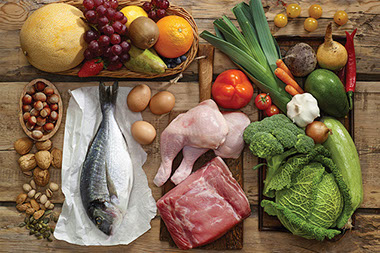
    Image of items that are apart of a Paleo diet.

    Fads come and go – and not just hairstyles and clothing choices. Diets go through fads, too – and one of the latest is the popular Paleo diet.

    The name “Paleo” refers to our Paleolithic ancestors, also known as “cavemen.” The creators of the Paleo Diet say the foods included are those that would have been eaten by our ancestors, long before humans had agriculture and modern-day processed foods.

    Although eating more whole foods can be a good thing, the American Academy of Nutrition and Dietetics says this diet isn’t in line with current healthy eating guidelines. Here’s the pros and cons to the Paleo diet:

    THE GOOD:Processed foods are out. Chips, crackers, and other unhealthy processed foods are not allowed.

    THE BAD:Eliminating all processed foods is difficult for most people. This could lead to frustration and diet failure.

    THE GOOD:No sugar is allowed.

    THE BAD:Because milk products contain natural sugar, no dairy is allowed with the exception of butter. Milk, cheese, and yogurt are good sources of calcium, and skipping them makes it difficult to get enough of this mineral in your daily diet.

    THE GOOD:Promotes vegetables.

    THE BAD:Only small amounts of fruit are allowed. Because of their natural sugar content, the Paleo diet doesn’t allow you to eat more than a small amount each day.

    THE GOOD:You’re encouraged to eat lean meats and fish.

    THE BAD:The Paleo diet suggests far more meat than the USDA advises. Diets heavy in animal fat and protein may increase your risk of heart disease due to their saturated fat content. Also, healthy vegetarian sources of protein such as beans and legumes are not allowed. These foods offer fiber and nutrients most people need in their diet and should eat regularly.

    BOTTOM LINE:

    The emphasis on vegetables and lean meats is a good concept that can offer health benefits. But, limiting or avoiding healthy foods such as dairy and fruit limits your intake of important nutrients. The USDA Guidelines, found atchoosemyplate.gov, offer a more varied – and heart-healthy – approach to eating.

    Talk with your physician before starting any diet program.

    © American Institute for Preventive Medicine

  • Pain, Pain, Go Away

    SELF-CARE CORNER

    Image of a man's back in pain.

    We’ve all experienced pain. But when pain doesn’t go away, it’s called chronic pain, and it can be tricky to treat, according to the NIH News in Health. Chronic pain can come from low-back problems, cancer, migraine, fibromyalgia, and other conditions. Long-term pain can affect your daily life and lead to depression.

    Some pain medications target inflammation, too, but come with side effects. NIH scientists are looking for ways to control pain. The following techniques may bring some relief:

    *  Keep your weight in check. Extra weight can slow healing or make some pain worse especially in the back, knees, hips, and feet.

    *  Exercise. If pain keeps you inactive, ask your doctor whether exercise might help.

    *  Get enough sleep. It will improve healing and your mood.

    *  Avoid tobacco, caffeine, and alcohol.

    *  Get the right medical help. If your regular doctor hasn’t found a helpful approach for your pain, see a pain specialist.

    *  Join a pain support group. Talk with others about how they deal with pain.

    © American Institute for Preventive Medicine

  • Packing A Lunch Punch

    HEALTHY EATING

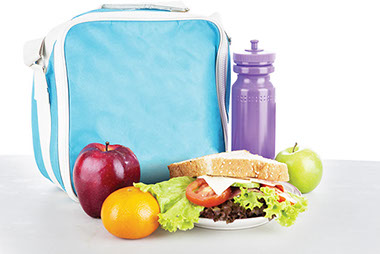
    Image of lunch bag with a water bottle, a sandwich, apples and orange.

    Plan ahead and first wash your hands before packing a school lunch (or your own).

    “Think about the perishability of the foods you’re making,” said Rutgers University professor Don Schaffner, a food scientist and spokesperson for the Institute of Food Technologists. “Perishable foods can remain at room temperature for no more than 2 hours. Properly refrigerated foods can last a long time, but most school children won’t have access to a refrigerator where they can store their lunchbox.”

    The Institute offers some guidance for parents as they pack lunches:

    *  Start each day with a clean box or bag. Insulated, vinyl lunch bags are popular and do better at keeping foods cool than paper bags or metal lunch boxes.

    *  Clean out lunch bags using warm soapy water and allow them to dry completely overnight before packing the next day. This helps deter the growth of bacteria in the bag.

    *  Choose secure packing materials, such as sealable, single-use sandwich bags that can be disposed of when used, or reusable plastic wear that is dishwasher safe.

    *  As much as possible, opt for foods that are not perishable, such as peanut butter and jelly sandwiches. (Follow the school’s policy on peanut butter. It may not be allowed due to peanut allergies.) PBJs will last from the time you prepare it in the morning until lunchtime. Single-serve fruits in prepackaged containers are also great options because they’re less perishable.

    *  Encourage older kids to assemble lunch on their own at school. Pack bread in one container and place fillings like meat or cheese separately with a cold pack. Having kids assemble the sandwich at lunchtime ensures the freshest possible results!

    *  Cold packs are designed to keep foods and drinks cold, not cool them down. If you start with room-temperature ingredients in the morning, it’s unlikely the cold pack will be able to cool them enough by lunchtime. Instead, refrigerate items the night before.

    *  Always use a cold pack when you are packing anything perishable, like cheese and meat slices or fresh-cut fruit with a yogurt-based dip. Place the perishable food right against the cold pack in the bag.

    *  For hot foods like chili, soup, or stew, use an insulated container. Before storing the food, fill the container with boiling water, let it stand for a few minutes, empty it, and then add the hot food.

    © American Institute for Preventive Medicine

  • Pack A Travel First Aid Kit

    WELL-BEING

    Illustration of an airplane and first aid kid.

    Traveling? Make a little room in your luggage for a travel first aid kit. It won’t cost much or take up much space. Once you reach your destination, you won’t need to reach any further than your suitcase to relieve those minor aches and pains that can put a major damper on your plans.

    A basic travel first aid kit should include a handful of over-the-counter remedies you can buy just about anywhere, said Caroline Sullivan, DNP, assistant professor at Columbia University School of Nursing.

    Here’s what should go in the kit:

    *  Tylenol or Advil to ease a headache or fever

    *  Cortisone 10 cream to soothe an itchy, swollen insect bite

    *  Antibiotic ointment like Neosporin or Bacitracin to prevent infection from minor cuts, scrapes, and burns

    *  Band-Aids to cover up blisters, or for those minor cuts and scrapes

    *  Pepto-Bismol tablets to relieve diarrhea, upset stomach, heartburn, indigestion, and nausea after too much food and drink. Note: This is for adults only. Pepto-Bismol has salicylates which have been linked to Reye’s syndrome.

    *  Benadryl to relieve allergies, and also to help you sleep

    *  Hand sanitizer that contains at least 60% alcohol

    *  Tissues to sneeze, dab cuts, and clean hands in a pinch

    *  Pack your prescription medicines in their original bottles in your carry-on bag.

    © American Institute for Preventive Medicine

  • Overwhelmed At Work? How To Handle It

    WORK LIFE

    Image of stressed women at work.

    No matter what your job, you’re bound to feel overwhelmed sometimes. Whether you have new responsibilities, are worried about a certain project, or just have too much on your plate, it’s normal to feel the pressure occasionally. Though you may not be able to change what’s causing these feelings, you can find ways to deal with these situations in a healthy way.

    Jot it down.

    If your mind is swimming with a list of to-dos, put it on paper. Sometimes seeing the list can help you come up with a plan to get it done. You can figure out what needs to be done first, and then you have a starting point.

    Take a break from work when you’re off-duty.

    If your life revolves around the buzzing of your phone with emails and work demands, try to take some time each day to turn it off. You may find you feel more relaxed and ready to focus when you return to work.

    Start with just one step.

    If a huge project feels too difficult to start, then just think about the first thing you need to do. It can be something minor, such as sending an email or writing down a task list. Every big project begins with one step. Consider what needs to be done right now, and do that first. Once you get started, it may be easier to keep going.

    Talk to your supervisor.

    If possible, bring up your main concerns to your boss. Be specific about your problem, and focus on what you can do to help solve it. For instance, if you have too many tasks, tell them what you are able to do in the time you have, and suggest alternate ways to get the rest done. Perhaps you can ask for more time to get a project done. Or, see if you can delegate the task to a co-worker.

    An organized desk gives you control

    If you’re feeling buried at work, look in front of you. A messy desk can create more stress and anxiety. Clean up your space by:

    *  Going through papers as you get them, rather than letting them pile up

    *  Creating a “pending” or “in progress” folder for things you need to do

    *  Clean up your space before you leave each day

    *  Put things back as soon as you’re done using them

    A tidy desk can brighten your outlook and boost your productivity.

    Source: American Psychological Association

    © American Institute for Preventive Medicine

  • Over-The-Counter Overdosing?

    SELF-CARE CORNER

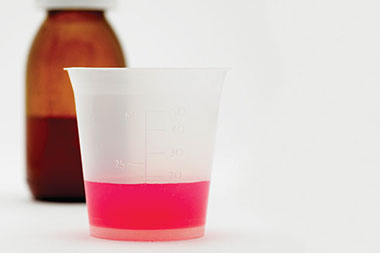
    Image of liquid medicine.

    For a medicine to work for you-you’ve got to take the right dose. Many over-the-counter liquid medicines-such as pain relievers, cold medicines, cough syrups, and digestion aids-come with spoons, cups, oral droppers, or syringes designed to help you measure the right dose. To avoid giving too much or too little of a medicine, use these 10 tips from the FDA:

    *Always follow the directions on the Drug Facts label.Read the label every time before you give the medicine.

    *Know the “active ingredient” in the medicine.This is what makes the medicine work and it is always listed at the top of the Drug Facts label. Make sure, if you’re taking more than one medicine such as to treat a cold and a headache, that both don’t have the same active ingredient. You could be giving two times the normal dose. If you’re confused, check with your doctor or pharmacist.

    *Give the right medicine, in the right amount.Medicines with the same brand name can be sold in different strengths, such as infant, children, and adult formulas. The dose and directions also vary for children of different ages or weights. Always use the right strength and follow the directions exactly.

    *Use the dosage delivery device that comes with the medicine, such as a dropper or a dosing cup.A different device, or a kitchen spoon, could hold the wrong amount of medicine. And never drink liquid medicine from the bottle.

    *Know the difference between a tablespoon (tbsp) and a teaspoon (tsp).A tablespoon holds 3 times as much medicine as a teaspoon.

    *Know your child’s weight.Dosage amounts for some medicines are based on weight. Never guess how much to give your child or try to figure it out using instructions for the adult dose.

    *Talk to your doctor, pharmacist, or nurse to find out what mixes well and what doesn’t.Some medicines should not be taken with other medicines, vitamins, supplements, foods, and beverages.

    *Prevent a poison emergency by always using a child-resistant cap.Relock the cap after each use. Be especially careful with any medicines that contain iron. They are the leading cause of poisoning deaths in young children.

    *Store all medicines in a safe place.Some are tasty, colorful, and many can be chewed. Store all medicines and vitamins out of your child’s (and your pet’s) sight and reach.

    *Check the medicine 3 times before using.First, check the outside packaging for cuts, slices, or tears. Second, once you’re at home, check the label on the inside package to be sure you have the right medicine and that the lid and seal are not broken. Third, check the color, shape, size, and smell. If you notice anything unusual, talk to a pharmacist before using.

    © American Institute for Preventive Medicine

  • Oven-Crusted Chicken Breast

    HEALTHY EATING

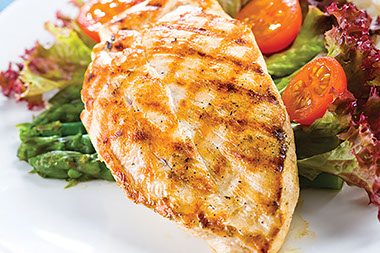
    Image of oven-crusted chicken breast.

    Ingredients for chicken:

    4 boneless, skinless chicken breasts (3 oz each)

    1 egg white (or substitute liquid egg white)

    1 cup fat-free evaporated milk

    1 cup breadcrumbs

    1/4 cup rolled oats, crushed; pulse a few times in the food processor

    1 cup whole-wheat flour

    2 Tbsp olive oil or vegetable oil

    Ingredients for salad:

    2 Tbsp lemon juice

    1/2 Tbsp olive oil

    4 cups red leaf lettuce, rinsed and dried

    1 cup cherry tomatoes, rinsed and halved

    1/4 tsp salt

    1/4 tsp ground black pepper

    Directions

    Preheat oven to 350ºF. Place chicken in a freezer bag with the air squeezed out and pound each breast down to one-half-inch thickness. Combine the egg white and evaporated milk in a bowl and mix well. In a separate bowl, combine the breadcrumbs and crushed oats and mix well. Coat the chicken breasts in flour and shake off the excess. Dip the chicken breasts in the egg and milk mixture and drain off excess. Then dip the chicken breasts in the breadcrumb mixture to coat. Discard leftover breading mixtures.

    Heat oil in a large sauté pan. Stir fry the chicken over medium-high heat on one side until golden brown (about 2-3 minutes). Turn carefully. Pan fry the second side for another 2-3 minutes or until golden brown. Remove from the pan and place on paper towels to soak up excess oil. Place on baking sheet and finish cooking in the oven for about 5-8 minutes (to an internal temp of 165ºF).

    For the salad, combine lemon juice and olive oil, and mix well to make a dressing. Toss the lettuce leaves and cherry tomatoes with the dressing, salt, and pepper.

    Makes 4 servings (1 chicken breast, 1 cup salad): 264 calories, 11 g total fat (2 g saturated fat), 49 mg cholesterol, 263 mg sodium, 3 g fiber, 18 g carbohydrates.

    From the National Heart, Lung, and Blood Institute’s cookbook Keep the Beat Recipes: Deliciously Healthy Dinners.

    © American Institute for Preventive Medicine

  • Ovarian Cancer: Know The Signs

    MEDICAL NEWS

    Image of women holding cancer patient.

    The ovaries are small, almond-shaped organs on either side of the uterus (womb). Because they are deep inside the abdomen, many women don’t feel or see symptoms of ovarian cancer. In fact, less than 20 percent of ovarian cancer cases are diagnosed in the early stages, when it is more treatable.

    Signs are hard to spot

    Symptoms of ovarian cancer can be confusing. They may seem like other illnesses. Sometimes, a woman has no symptoms at all. When signs do appear, they may include:

    *  Bloating

    *  Pelvic or stomach pain

    *  Appetite changes or feeling full without eating much

    *  Having to urinate more often or more urgently

    *  Feeling very tired

    *  Heartburn

    *  Nausea

    *  Constipation

    *  Back pain

    *  Pain during sex

    *  Menstrual changes

    Usually, these symptoms don’t mean a woman has ovarian cancer. They may be signs of a digestive problem, hormonal imbalance or another illness. But, if the symptoms don’t go away, it’s best to see a doctor.

    How is ovarian cancer detected?

    There is no single test to check for ovarian cancer. But, women who have symptoms or who are at high risk may need one or more of the following tests:

    *  Pelvic Exam: All women age 18 and up should have an annual pelvic exam from their primary care provider or gynecologist.

    *  Transvaginal ultrasound: An ultrasound wand is used to look at the ovaries and other organs.

    *  CA-125 blood test: A protein called CA-125 is produced by ovarian cancer cells. If a blood test shows higher levels of this protein, a woman may need more tests to check for cancer.

    Additional tests may include Computed Tomography (CT) scans or laproscopy, which uses a lighted tube inserted in a small incision. If there is a risk that cancer has spread, further testing is done.

    Unfortunately, there is no foolproof way to find ovarian cancer early. The key is to talk with your doctor, have regular checkups and be sure to discuss any symptoms you are having. If anyone in your family has had ovarian cancer – or any other cancer – be sure your doctor knows about this. Some cancer types can run in families.

    © American Institute for Preventive Medicine