Blog

  • Ouch! Arm And Shoulder Pain

    MEDICAL NEWS

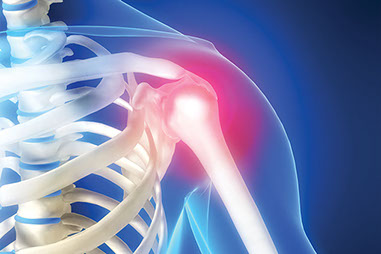
    Illustration of skeleton shoulder highlighted in red for pain.

    Any of these symptoms sound familiar?

    *  Sudden, sharp pain in the upper arm

    *  Popping or snapping you can hear in the shoulder or elbow

    *  Cramping of the biceps muscle with strenuous use of the arm

    *  Bruising from the middle of the upper arm down toward the elbow

    *  Pain or tenderness at the shoulder and the elbow

    *  Weakness in the shoulder and the elbow

    *  Difficulty turning the palm of the hand up or down

    Could be a torn or painful biceps muscle. And if you have that, you may also have a shoulder problem or a rotator cuff tear. Because a torn tendon can no longer keep the biceps muscles tight, a bulge in the upper arm above the elbow (“Popeye Muscle”) may appear, with a dent (signifying absence of muscle) closer to the shoulder.

    The first line of treatment for these types of injuries, according to orthopedic specialists, is a variety of nonsurgical options, such as rest, anti-inflammatory drugs, changing your activity, and physical therapy. Surgery can also be considered. But the best advice is to see your doctor, say experts at the American Academy of Orthopaedic Surgeons.

    © American Institute for Preventive Medicine
  • Osteoporosis Begins In The Teen Years

    SELF-CARE CORNER

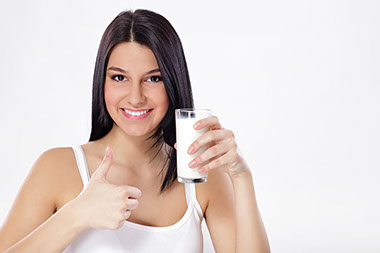
    Image of teen holding a glass of milk in one hand and thumbs up with the other hand.

    Girls achieve 42% of their total body bone mass between the ages of 12 and 18, yet 90% of girls do not get enough calcium. Beginning at age 9, children (particularly girls) should include 1,300 mg of calcium in their diet by drinking milk and eating calcium-fortified foods, according to the Office on Women’s Health.

    © American Institute for Preventive Medicine

  • Organic? Comparing Apples To Apples

    HEALTHY EATING

    Image of couple at grocery store picking out peppers.

    Should you spend the extra cents to buy organic produce? Is organic a healthier choice? New findings from Stanford University cast some doubt on the benefits of buying organic.

    “There isn’t much difference between organic and conventional foods, if you’re an adult and making a decision based solely on your health,” said Dr. Dena Bravata from Stanford’s Center for Health Policy. The study compares the nutrition of organic and non-organic foods and is published in the Annals of Internal Medicine.

    This is the broadest study to date comparing organic and conventional foods. The researchers did not find strong evidence that organic foods are more nutritious or carry fewer health risks than conventional options, though consumption of organic foods can reduce the risk of pesticide exposure.

    The popularity of organic products, which are generally grown without synthetic pesticides or fertilizers or routine use of antibiotics or growth hormones, is skyrocketing in the United States. Organic foods are often twice as expensive as their conventionally grown counterparts.

    Although there is a common perception-perhaps based on price alone-that organic foods are better for you than non-organic ones, it remains an open question as to the health benefits.

    The researchers found no consistent differences in the vitamin content of organic products, and only one nutrient-phosphorus-was significantly higher in organic versus conventionally grown produce (and the researchers note that because few people have phosphorous deficiency, this has little clinical significance).

    There was also no difference in protein or fat content between organic and conventional milk, though evidence from a limited number of studies suggested that organic milk may contain significantly higher levels of omega-3 fatty acids.

    The review yielded scant evidence that conventional foods posed greater health risks than organic products. While researchers found that organic produce is 30 percent less likely to be contaminated with pesticides than conventional fruits and vegetables, organic foods are not necessarily 100 percent free of pesticides. What’s more, as the researchers noted, the pesticide levels of all foods fell within the allowable safety limits.

    “If you look beyond health effects, there are plenty of other reasons to buy organic instead of conventional,” noted Dr. Bravata. She listed taste preferences and concerns about the effects of conventional farming practices on the environment and animal welfare as some of the reasons people choose organic products.

    © American Institute for Preventive Medicine

  • Opioid Addiction And Overdose

    MEDICAL NEWS

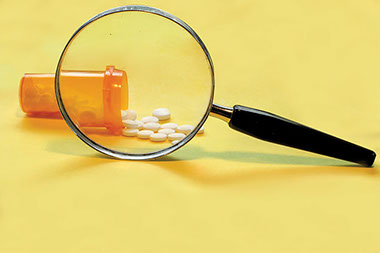
    Image of medication pills.

    Opioid misuse is one of the biggest health problems facing the U.S. today. The National Institutes of Health says about 2 million people in the U.S. have an opioid misuse disorder.

    Opioids are powerful medicines used to treat pain. They may be prescribed to people after they have surgery or get injured. Some of the most common prescription opioids are oxycodone (OxyContin®), hydrocodone (Vicodin®), codeine and morphine.

    Opioid medicines affect the brain and can make the user feel relaxed and happy. When used for short periods and as directed, they are considered safe. But sometimes, people can become addicted to them. They may also build up a tolerance over time, which means they need higher and higher doses of the medicine to feel its effects.

    If a person builds a tolerance and/or becomes addicted, they can overdose on opioids. This can lead to brain damage, coma and death. About 30,000 people die each year from opioid overdose in the U.S.

    Treating opioid use disorder

    Help is available for people who are addicted to opioids. Two medicines, buprenorphine and methadone, work to lower cravings and withdrawal symptoms. Another medicine, naltrexone, blocks opioids from working and can reduce cravings for the medicine.

    Behavioral therapy for addiction to prescription opioids can help, too. It works by changing people’s thoughts and behaviors about opioid use. Behavioral therapy is a proven treatment, especially when used with medicines.

    Emergency overdose treatment

    When someone overdoses on opioids, their breathing may slow down or stop. Their pupils may be small like pinpoints. A medicine called naloxone (Narcan®) can reverse an opioid overdose and save their life.

    Naloxone is a prescription drug that stops opioid overdose if given in time. Paramedics, emergency room doctors and other first responders have naloxone available to treat people with opioid overdose. In some states, you may need a prescription. Other states will sell naloxone without a prescription. It is available in nasal spray and a shot (injection).

    If you or a loved one has an opioid misuse disorder, don’t wait. Talk to a doctor today to get help.

    Sources: National Institute on Drug Abuse, World Health Organization

    © American Institute for Preventive Medicine

  • Open Wide

    SELF-CARE CORNER

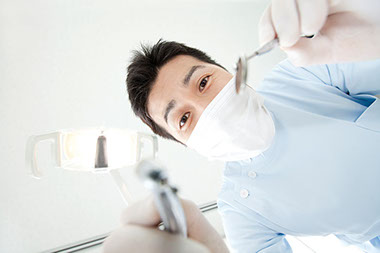
    Image of dentist.

    Your dentist and dental hygienist inspect your mouth for oral cancers when you show up for your regular dental cleanings. But between visits, take note of these early warning signs, and see your dental professional if they do not improve or disappear after 2 to 3 weeks:

    *  A sore, or soreness or irritation that doesn’t go away

    *  Red or white patches, or pain, tenderness, or numbness in your mouth or lips

    *  Lumps, thickening tissues, rough spots, crusty or eroded areas

    *  Difficulty chewing, swallowing, or moving your jaw or tongue

    *  A change in the way your teeth fit together when you close your mouth

    Always call your dental professional right away if you have any immediate concerns. Those at high risk of developing oral cancer have traditionally been heavy alcohol drinkers and smokers over age 50. But today, cancer is occurring in younger, nonsmokers. The sexually transmitted HPV is related to some cancers in younger people.

    © American Institute for Preventive Medicine
  • Olive Oil

    HEALTHY EATING

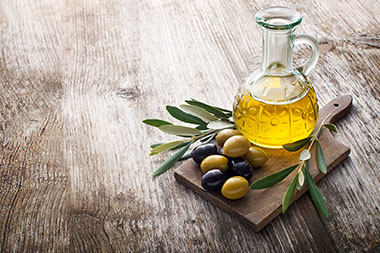
    Image of olives and olive oil.

    Olive oil is a more healthful choice than many other cooking fats. Using olive oil in place of saturated fats has been shown to help lower bad cholesterol and raise good cholesterol levels, which is why olive oil is heart healthy.

    Know these facts about olive oil, from the North American Olive Oil Association:

    *  Extra virgin olive oil is the most flavorful olive oil, with an unlimited range of flavors spanning from smooth and subtle to peppery and pungent. A finishing drizzle of extra virgin olive oil can enhance the texture, taste, and aroma of food.

    *  Olive oil, sometimes referred to as “classic” or “pure” olive oil, has a milder flavor with just a hint of fruitiness. The subtle flavor of olive oil makes it a perfect everyday cooking oil and easily adapts to a number of cooking methods such as grilling, sautéing, roasting, frying, and baking.

    *  Use bottled olive oil within 8 to 12 weeks of opening. Sealed packages can keep for up to 2 years.

    *  Dark bottles or tins are best at reducing potential damage from light.

    *  Avoid packages that show signs of improper handling or storage such as dust on the bottle, broken or loose seal on the cap, or an orange tint to the oil, which could indicate overexposure to fluorescent lighting or that heat has damaged the oil.

    *  Look for a country of origin statement, which is required by federal labeling laws and is typically found on the back label near the nutritional information.

    © American Institute for Preventive Medicine
  • Oh The Embarrassment

    WELL-BEING

    Close-up image of man's shoulder with dandruff.

    If you avoid wearing dark clothing because of those tell-tale dandruff flakes, know this.

    “Many people believe dandruff is caused by poor hygiene, but this simply isn’t true,” said Dr. Adam J. Friedman, professor and dermatologist at the Albert Einstein College of Medicine. “Rather than try to remedy dandruff by over-shampooing or over-brushing your hair, which can both be damaging to the hair, use dandruff shampoo and scalp treatments instead.”

    To get the best results from using dandruff shampoo, Dr. Friedman recommends the following tips:

    *Follow the instructions on the dandruff shampoo bottle.There are many different dandruff shampoos, and each contains different active ingredients for controlling symptoms. For example, some dandruff shampoos require that you lather the shampoo into the hair and onto the scalp and leave on for about 5 minutes before rinsing; others should not be left on the scalp.

    *If you are African-American, only shampoo once a week using a dandruff shampoo.See a dermatologist for the best product recommendation for your hair type.

    *If you are Caucasian or Asian, shampoo daily and use dandruff shampoo twice a week.If using one dandruff shampoo does not bring relief, try alternating between dandruff shampoos with different active ingredients.

    *Be careful when using a dandruff shampoo that contains coal tar.Tar shampoo can discolor blond, gray, or white hair, so if you have light-colored hair, you may want to choose a different dandruff shampoo. In addition, tar shampoo has the potential to make your scalp more sensitive to sunlight. If you use this type of dandruff shampoo, it’s important to protect your scalp from the sun by wearing a hat when outdoors and seeking shade whenever possible.

    “For most people, dandruff does not require medical attention,” said Dr. Friedman. “However, sometimes the flaking and itching that appears like dandruff is actually a medical condition, such as seborrheic dermatitis, psoriasis, fungal infections of the scalp, or eczema.” If you continue to have symptoms after using a dandruff shampoo, see your doctor.

    © American Institute for Preventive Medicine
  • Oatmeal: A Good Choice For A Power Breakfast

    HEALTHY EATING

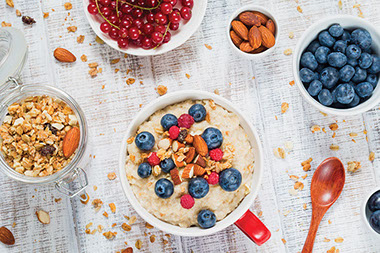
    Image of a bowl of oatmeal with berries and almonds.

    You probably already know that oatmeal is healthy, and perhaps you’ve been told it “sticks to your ribs.” But what’s the science behind oatmeal’s healthy history?

    Oatmeal can keep you full

    Avoid a mid-morning hunger attack, and you’ll be less tempted to pick up a donut. Oatmeal contains a special kind of fiber known as oat beta glucan. These beta glucans can increase levels of certain hormones that may help control appetite.

    Oatmeal helps digestion

    Oatmeal’s soluble fiber content is widely recommended to help keep bowels running smoothly. Regular intake of fiber-rich foods, like oatmeal, can help avoid bloating and uncomfortably hard stools.

    Oats can improve cholesterol

    High cholesterol is a major risk factor for heart disease. Studies have shown that eating oats regularly can lower “bad” LDL cholesterol due to its oat beta glucan fiber.

    Even if you eat a gluten-free diet, oats can be a healthy choice. They contain B vitamins and magnesium, which may be lacking in many people who don’t eat gluten. Look for oats labeled “gluten free” to avoid any gluten contamination that could happen during processing.

    Tips if you don’t like oatmeal

    Oatmeal can be eaten a variety of ways, so don’t rule it out if you haven’t enjoyed it in the past. Far beyond apple cinnamon and other sugary flavor packets often found in the supermarket, you can try it savory, add it to other foods, or even eat it for dinner!

    Consider these ideas:

    *  Add oats to turkey burgers or meatloaf to stretch your meat further and add health benefits

    *  Sprinkle oats over baked apples for a healthy “apple crisp”

    *  Use oats in casseroles or dinner rolls

    Sources: Oldways Whole Grains Council, Academy of Nutrition and Dietetics

    © American Institute for Preventive Medicine

  • Nutritional Treasure In The Trash

    HEALTHY EATING

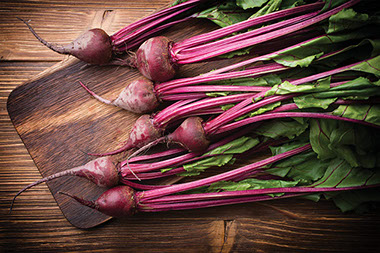
    Image of beets with the greens still attached.

    Sometimes the best parts of the vegetables get thrown in the trash. So next time you’re cooking up vegetables and are about to toss out those extra parts, stop. Many vegetable parts are perfectly edible and are packed with nutrients and flavor.

    Here are some tips from the American Institute for Cancer Research to make the most of your veggies:

    *  Roasted pumpkin seeds are a fall favorite, but you can roast seeds from any winter squash, including butternut, acorn, and spaghetti squash. Squash seeds are a great source of protein. To roast, scoop out seeds, rinse, and drain. Let them dry, spread flat on a baking pan and bake at 300ºF for about 20-30 minutes until golden brown.

    *  Using the whole cauliflower, including the stem, in cauliflower “steaks” is trendy right now. Cut all the way through a cauliflower head from the top to make cauliflower steaks, which can be broiled or pan roasted. Or instead of mashed potatoes, try mashing the whole cooked cauliflower including the stem.

    *  Use a vegetable peeler or large knife to remove the thick, tough outer layer of the broccoli stem (if you use a knife, make 4 lengthwise cuts along the 4 sides of the stem to make a long rectangle). Try making creamy broccoli soup, which includes both the broccoli stems and florets.

    *  Buy beets with the greens still attached and it’s like getting two vegetables in one. Beet greens contain loads of vitamin C and beta-carotene-nutrients linked to lower cancer risk. Separate the greens from the beets by cutting just above where the stem begins. They’re great sautéed in olive oil, with garlic, salt, and pepper to taste.

    © American Institute for Preventive Medicine
  • Numbers To Know: Your Blood Pressure

    MEDICAL NEWS

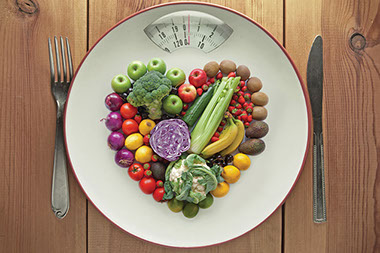
    Image of scale shaped as a plate with fruits shaped as a heart.

    High blood pressure is a common problem. About half of American adults have it. In fact, many people have dangerously high blood pressure and don’t even know it. This is because high blood pressure often has no symptoms and puts you at risk of having a heart attack, stroke or kidney failure.

    What is high blood pressure?

    When your heart beats, it pumps blood through the blood vessels. High blood pressure means the force of your blood against the blood vessels is too high. Over time, this strains the heart and damages blood vessels.

    What the numbers mean

    Blood pressure is measured in two numbers:

    *  Systolic blood pressure is the upper number. This measures how much pressure the blood is putting against blood vessels when the heart beats.

    *  Diastolic blood pressure is the lower number. This is how much pressure the blood is putting against blood vessels between heartbeats.

    Both numbers are important signs of heart health. Normal blood pressure is less than 120 (upper number) and less than 80 (lower number). If either one is higher, you may be diagnosed with high blood pressure.

    Can high blood pressure be avoided?

    In many cases, a healthy lifestyle and medical care can control or prevent high blood pressure. This can lower the risk of a heart attack, stroke or other problems.

    To keep blood pressure in check, follow these guidelines:

    *  Lose excess weight if needed.

    *  Don’t smoke.

    *  Eat a healthy diet with vegetables, fruits, whole grains and lean protein.

    *  Get exercise regularly. A minimum of 30 minutes, 5 days a week is best.

    *  Avoid too much salt in your diet.

    *  Avoid or limit alcohol.

    *  Manage stress and use relaxation methods if needed.

    *  Manage other health conditions like diabetes.

    You don’t have to do this alone. Your doctor can help you with a plan to lower blood pressure. He or she may help you find ways to lose weight, and may give you diet and exercise guidelines to follow.

    Sources: American Heart Association, American Academy of Family Physicians

    © American Institute for Preventive Medicine