Blog

  • Know The Signs Of Autism

    MEDICAL NEWS

    Image of father and young son.

    Autism affects about 1 in 68 children in our country today, according to the CDC. Autism is a developmental disability that can affect how a person interacts with others, learns, and behaves. For some people, the symptoms are severe. Others can lead fairly normal, independent lives.

    Although experts don’t know what causes autism in many cases, they do know that treating it early can help improve symptoms. Many children with autism show some signs between one and two years of age.

    Now is a great time to learn the early signs of autism and talk to your child’s physician if needed. Some signs to watch for are if your child:

    *  Doesn’t respond to his or her name

    *  Doesn’t point, wave, or gesture

    *  Doesn’t look people in the eye or respond to facial expressions

    *  Doesn’t like physical contact with others

    *  Repeats words or phrases over and over, often without knowing what they mean

    *  Performs repeated body movements such as rocking, spinning, or twirling hands or fingers

    *  Has obsessive interests in only a few activities

    *  Gets very upset with change or differences in routines

    *  Is very interested in organization, such as lining things up in a certain way

    *  Talks in a “robot-like” voice with no emotion or change in tone

    If your child has one of these signs or you notice any unusual behavior, it doesn’t mean your child has autism. But, you should talk with your child’s doctor if you are concerned or have questions about your child’s well-being.

    © American Institute for Preventive Medicine

  • Know The Facts About Alzheimer’s Disease

    MEDICAL NEWS

    Image of elderly man with hand on chin.

    According to the Alzheimer’s Association, more than 5 million Americans are living with Alzheimer’s today. It is the 6th leading cause of death in the U.S. When someone has trouble thinking, memory loss or behavioral changes, it can be devastating to the person and their family.

    Alzheimer’s starts with mild symptoms, but gets worse over time. A person may start to forget more and be less able to do things for themselves. In its later stages, a person often needs constant care and may be unable to do daily tasks, such as feeding themselves.

    Treating Alzheimer’s today

    Although there is no cure, there are treatments available that can improve the symptoms. Certain medicines can help someone with Alzheimer’s have more independence, dignity and comfort for a longer period of time. But, they don’t stop the disease.

    Because each person’s health is different, only a doctor can help you decide which medicine may be right for you or your loved one. Medicines are often started at the lowest dose and increased, if needed.

    Medical experts continue to research Alzheimer’s and hope to find a cure.

    Can it be prevented?

    Experts don’t know how to prevent Alzheimer’s, though they are trying to find out. Living a healthy lifestyle with exercise, a good diet, and not smoking definitely helps the body. They believe these things may help the brain stay healthy too. If you’re concerned about memory loss or signs of Alzheimer’s, talk to your doctor.

    © American Institute for Preventive Medicine

  • Know About Prostate Cancer

    MEDICAL NEWS

    Image of prostate cancer ribbon.

    Experts at Mount Sinai Medical Center offer this prostate cancer prevention advice:

    *Age is the strongest risk factor:Almost two-thirds of prostate cancers are found in men over the age of 65.

    *Family history can be important:Having a father or brother with prostate cancer more than doubles a man’s risk of developing this disease.

    *Race is a factor:Prostate cancer occurs more often in African-American men than in men of other races.

    *Follow a healthy diet:Eat more low-fat, high-fiber foods such as fruits and vegetables, and limit intake of red or processed meat.

    *Diagnose cancer early:Speak with your doctor about your risk for prostate cancer and the benefits of screening. For men at high risk, screening should be considered at age 40.

    Screening works

    Screenings consists of a PSA blood test, which measures the level of PSA, a protein that is produced by the prostate gland, and a digital rectal exam, which can uncover physical abnormalities of the prostate that may be a sign of cancer.

    NOTE:

    Prostate cancer screening guidelines vary with different health groups. Ask your doctor at what age you should discuss prostate cancer screening. Ask about the benefits and risks of PSA blood tests.

    © American Institute for Preventive Medicine

  • Kitchen Shortcuts For Faster Homemade Meals

    HEALTHY EATING

    Image of man prepping food in the kitchen.

    It’s hard to find time to get a home-cooked meal on the table when meal times come around. Many people are juggling work, responsibilities with family, housework and kids’ activities, to name a few.

    Plus, for those who aren’t experts in the kitchen, cooking dinner can seem like an impossible task. But, if you learn to take some shortcuts, it can be easier than you think. Try these tips to help you make a homemade meal with fewer hassles:

    *Purchase a few meals at once.If you can’t shop for a whole week, aim for three meals. Get the ingredients for those meals, and you’ll be ready for half of your week without any extra trips to the store.

    *Do a big chopping session.Clean and chop all veggies and fruits at once while you’ve got out your cutting board and knife. Then, put the ingredients in bags or containers with lids, and put them in the fridge or freezer. Once you’re ready to cook dinner, your chopped ingredients are ready to be cooked or thrown into the dish you’re preparing.

    *Freeze extra.Consider buying extra onions, carrots, green beans, or other veggies that frequently need to be chopped. Chop up more than you need, put the extras in freezer bags, and freeze until the next time you need them.

    *Make a big batch of rice or whole grains.When cooking rice, quinoa, or other grains, cook extra, place it in bags, and freeze. Simply thaw and microwave your grains when you’re ready to use them.

    *Plan ahead.Tackle the next meal before you go to bed the night before. Start thawing any frozen meats or other ingredients in the fridge. Make sure you have the ingredients and recipe you need for the next day.

    *Double up.Whenever possible, make a double recipe and freeze the extra. Soups, stews, meats and tomato-based sauces often freeze well. Frozen leftovers make a quick and nutritious meal on a busy night.

    *Check out make-ahead meals for the slow cooker.You can find slow cooker freezer meals online that allow you to make it ahead, throw the prepped meal in a bag, and freeze. Then, you have a meal that’s ready to put into the slow cooker in the morning to be ready for dinner time.

    Most successful meals come down to planning in advance. This means you may need to do the prep work the night before or on the weekend. Though it requires some effort to make a home-cooked meal, it’s worth the time and energy. You’ll be able to make a healthy meal for you and your family and may save some money, too.

    © American Institute for Preventive Medicine

  • Kids And Social Media:How To Keep Tabs

    FAMILY LIFE

    Image of mother and daughter sitting on the couch, while mother checks tablet.

    Today’s kids and teens are using the Internet, for better or worse. Although it can be a fun and useful tool, parents need to be aware of their kids’ online activities, especially social media like Facebook, Twitter, and Snapchat.

    Potential threats like cyber bullying and Internet predators are realities for kids today. And, with smartphones and other portable devices, kids can be targeted anywhere, at anytime. The American Academy of Pediatrics recommends the following tips to keep kids safe:

    Be connected with them.

    Talk with your kids about which social media outlets they use, and make sure you check these outlets too. Tell them the rule is that you will be “friends” with them on any sites they use. Talk with other parents about their kids’ social media sites and stay up to date on the latest ones.

    Have regular checks.

    If your child has a smartphone or tablet, check it once a week or more often to ensure they’re being safe and appropriate. Rather than keeping it a secret, be honest with them about these checks. It will be less like “spying” and more like regular, open monitoring. You want to keep good communication and trust with your child.

    Tell them about consequences.

    Any photo or message posted online can be shared with the world. If they wouldn’t announce it on national TV, they shouldn’t share it online either.

    Set time limits.

    Don’t let kids have their phones or devices in their rooms at night. Not only will it interfere with needed sleep, but it could be an opportunity for inappropriate social media usage. Consider capping their usage at two hours a day for total screen time.

    © American Institute for Preventive Medicine

  • Kids And Concussions: What To Know

    WELL-BEING

    Image of mom holding child with a bump on the head.

    Many kids get a bump or blow to the head while playing sports or other activities. If the hit is hard enough, a child can have a concussion, which is a type of traumatic brain injury. During a concussion, the brain bumps against the inside of the skull. This can cause changes in the way the brain works and can lead to long-term problems.

    How do I know if my child had a concussion?

    Many people mistakenly think that if the child doesn’t “black out,” then they’re okay. Although losing consciousness is a sign that a concussion is likely, it’s not the only way to know. A concussion can happen even if the child never loses consciousness. Look for:

    *  Nausea and vomiting

    *  Dizziness

    *  Blurred vision

    *  Sensitivity to light

    *  Tiredness

    Some kids don’t show symptoms right away. If your child suffered a hit to the head, look for these problems that can occur days or weeks after a concussion:

    *  Trouble concentrating or problems with schoolwork

    *  Headaches

    *  Memory problems

    *  Confusion or changes in behavior

    *  Changes in their movement, coordination or walking

    Anything that seems unusual after a blow to the head should be checked by a doctor.

    What to do after a concussion

    Right after the injury, the child should:

    *  Stop the sport or activity.

    *  Get medical help immediately.

    *  Lie down on back with head and shoulders slightly raised while waiting for help to arrive.

    Parents or adults should watch the child’s breathing and whether they stay awake. If the child isn’t breathing or doesn’t have a pulse, begin CPR.

    Returning to sports or activities

    The brain needs time to heal after a concussion. If the child starts activities too soon, they are more likely to have another concussion and to suffer more serious brain damage. Ask the child’s doctor when they can gradually begin physical and mental activities again.

    Preventing concussions

    To prevent a brain injury like a concussion, make sure your child:

    *  Wears a helmet during all contact sports, such as football, or in cases where a fall could happen, such as while biking, skating, horseback riding, and skiing.

    *  Wears a seatbelt and/or has the right car seat for riding in a vehicle.

    Concussions can happen to the best athletes with the most careful parents. If it happens to your child, remember to give the child’s brain plenty of time to rest and recover. This can help avoid long-term problems down the road.

    Source: National Institutes of Health

    © American Institute for Preventive Medicine

  • Kids And Cavities: What You Can Do

    WELL-BEING

    Image of toddler with tooth brush.

    Although children will lose many of their first teeth as they are replaced with permanent adult teeth, the “baby” teeth are still important. Cavities and decay, even in those first teeth, can lead to speech and eating problems and crooked adult teeth, says the American Dental Association (ADA). Follow these tips to keep your child’s teeth in the best possible condition:

    *  Don’t let baby go to bed with a bottle. Even milk contains natural sugars that can sit on the teeth and cause cavities.

    *  If you have an infant, gently wipe his or her teeth daily with a soft cloth or a toothbrush designed for babies. No toothpaste is necessary at this age.

    *  Toddlers will need help brushing with a small, soft toothbrush. Just water is fine – no toothpaste is needed yet.

    *  Once your child reaches age 3, they should be brushing twice daily with a pea-sized amount of fluoride toothpaste. You should supervise brushing until age 7 to ensure they are reaching all sides of the teeth.

    *  Teach your child to floss. There are easy-to-grip flossers designed for kids that may help them get used to the habit.

    *  Take your child to the dentist. The ADA recommends you start when your child is 1 year old, and every six months after that. This is a good time to discuss dental care, examine your child’s teeth, and get them familiar with seeing the dentist.

    Help your child adopt healthy habits now, and they’ll thank you with a beautiful smile that lasts a lifetime.

    © American Institute for Preventive Medicine

  • Kidney Stones Hurt

    MEDICAL NEWS

    Image of male doctor.

    Although they can be painful, kidney stones rarely cause permanent damage, and you may be able to prevent them, according to the National Institutes of Health. Back or side pain that won’t go away is the primary symptom of a kidney stone. You may also have pinkish or foul-smelling urine, a fever, or painful urination. Caucasians are more prone to kidney stones than African Americans, and men are more prone than women. Age is also a factor. The chance of getting a kidney stone rises as men enter their 40s and continues to rise into their 70s. For women, the risk peaks in their 50s.

    Each day, about 50 gallons of blood flows through your kidneys. The kidneys remove waste products including various minerals and other substances from the blood and transfer them into urine so your body can get rid of these waste products. In people who get stones, certain minerals in the urine combine with other waste products and start to form a stone.

    Kidney stones aren’t all the same. The most common type is made of the mineral calcium, combined with either oxalate or phosphate. Less common types of stones are made of uric acid or other chemicals, all of which are naturally found in the body. No one knows why these substances form kidney stones in some people but not in others, since we all have them in our urine.

    Most kidney stones eventually pass out of the body during urination. But some can grow large enough to begin blocking the flow of urine. That causes intense pain and may also put you at risk for infection. Most kidney stones that don’t pass on their own are treated in an outpatient setting. The most common procedure is called lithotripsy. Greek for “stone crushing,” this technique uses shock waves to reduce kidney stones into small fragments, which then easily flow away in urine.

    If you’ve had more than one kidney stone, you’re at higher risk for forming another. But there are ways to help prevent most types of kidney stones. First, your doctor needs to know what type of stone it is. If you pass a stone, try to catch it in a strainer. A laboratory analysis can help your doctor plan a strategy to prevent more stones. Other tests, which may include urine and blood tests, can help your doctor figure out why you had a kidney stone.

    Drinking more water may help prevent kidney stones. Depending on the type of stone you’re at risk for, your doctor may also advise you to avoid certain foods or drinks. For example, people prone to forming calcium oxalate stones should avoid spinach, peanuts, and chocolate. People prone to forming uric acid stones should cut back on meat. Doctors can also prescribe certain medications to help prevent these types of stones.

    Stone watch

    Call a doctor if you have any of the following signs of a kidney stone:

    *  Extreme pain in your back or side that won’t go away

    *  Blood in your urine (it will look pink)

    *  Fever and chills

    *  Vomiting

    *  Urine that smells bad or looks cloudy

    *  A burning feeling when you urinate

    © American Institute for Preventive Medicine

  • Kick Cigarettes Out Of Your House

    SELF-CARE CORNER

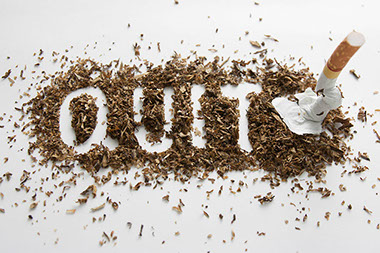
    Image of the word "Quit" spelled within a pile of tobacco with a crused cigarette.

    You know that smoking can cause health problems, including heart disease and cancer. But if you smoke inside your home, you could be hurting everyone who lives with you. Anyone who is around cigarette smoke is exposed to secondhand smoke.

    *  Secondhand smoke contains more than 4,000 chemicals. Many of these have been proven to cause cancer and irritate the lungs.

    *  Secondhand smoke can trigger asthma attacks and they happen more often and with more severity in children.

    *  Children whose parents smoke have more ear infections, bronchitis and pneumonia.

    You and your family can be healthier if you don’t allow any smoking in your home. And don’t allow guests to smoke in your home or around your children. If your children regularly visit another home, such as a child care provider, make sure no one smokes in that home.

    If you need help quitting, call 1-800-QUIT-NOW or visitsmokefree.govfor free resources.

    Source: Asthma and Allergy Foundation of America

    © American Institute for Preventive Medicine

  • Keeping Track Of Medicines

    WELL-BEING

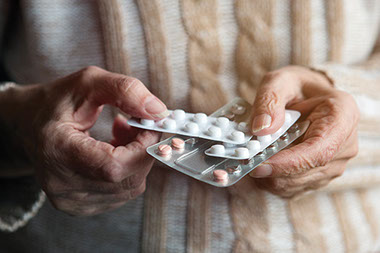
    Close up image of hands holding medications.

    Did I take my medicine? If you find yourself asking that question often, try these tips to help you keep track.

    *Keep them in an accessible spot.As long as they’re out of reach of children or pets, the best place for your medicine is a place you’ll see it.

    *Write it down.Purchase a small notebook and write down each medicine as you take it. Be sure to record the date, time, and what you have taken.

    *Use technology.Today’s smartphones have alarms you can use to remember your medicines. Set separate alarms for each medicine and have them repeat daily. Don’t have a smartphone? Check out “talking” pill boxes. Take the medicine as soon as the alarm goes off. Don’t wait – or you may forget!

    *Know what to do if you miss a dose.Some medicines should be “made up” at the next dose, but others should not. It may be dangerous if you forget certain life-saving medicines.

    Medicines we use the most

    The most frequently prescribed medicines in the U.S. are:

    *  Pain relievers

    *  Lipid-lowering medicines (to lower cholesterol or triglycerides)

    *  Antidepressant medicines

    © American Institute for Preventive Medicine