Blog

  • How To Train Teens Toparticipate Safely In Sports

    FAMILY LIFE

    Image of high school girl's basketball team playing.

    Increased participation in football, soccer, basketball, and other sports also leaves athletes more prone to injury, but certain good practices can help protect them from being sidelined, according to Dr. Scott Rodeo, an orthopedic surgeon at the Hospital for Special Surgery.

    *  Athletes need to stay hydrated. Water is adequate, but fluids with electrolytes are needed if athletes exercise more than 2 hours a day.

    *  Make sure young athletes warm up properly to slowly increase the heart and breathing rate by doing low-intensity versions of the activity and stretching.

    *  Any player who feels dizzy, light-headed, or short of breath needs to get out of the game. This is especially important if playing or practicing in hot and humid conditions.

    *  Athletes can push themselves during practice, but should not go to complete exhaustion.

    *  Athletes should talk to their parents or coaches if they feel they have been injured. There is no such thing as a mild concussion. Signs of a concussion include a headache, light sensitivity, appearing confused, and clumsiness. After a player is removed from a game, parents need to monitor their child at home to make sure symptoms aren’t worsening.

    *  Limit weekly training time, number of repetitions, and total distance to no more than a 10% increase each week.

    *  Ensure the use of proper equipment for each sport: protective equipment should be the correct size, fit well, and protect from top to bottom.

    *  Players should be educated on the rules of the game: make sure they understand their role and position, as well as where to be to avoid being in harm’s way.

    *  Serious injuries should be promptly evaluated and treated. Even injuries that may be considered minor should be promptly checked by a medical professional so they do not cause more serious problems later on.

    *  Parents should be vigilant to signs of burnout such as athlete’s fatigue, poor academic performance, and complaints of nonspecific muscle or joint problems.

    *  Keep it positive: emphasize that the focus of sports participation should be on fun, skill acquisition, sportsmanship and, above all else, safety.

    *  Nutrition is important for recovery. Consume a carbohydrate bar or carbohydrate drink immediately after practice, followed by a meal one to two hours after to help maintain strength and endurance.

    © American Institute for Preventive Medicine

  • How To Stretch The Right Way

    BE FIT

    Image of an older Asian couple stretching.

    Do you skip stretching after your workout because you don’t have time? This may be a mistake: stretching can have benefits for flexibility, range of motion, and blood flow to the muscles, according to the American Academy of Family Physicians. But to reap these rewards, stretching needs to be done correctly. Be sure you follow these tips:

    *Never stretch cold muscles.If you haven’t been moving, it’s not a good time to stretch. The best time is right after your workout, or at least after a 5-10 minute warm-up.

    *Don’t bounce.Use smooth, slow, controlled movements. Bouncing can actually harm muscles.

    *Breathe.Be sure you’re breathing in and out, and not holding your breath.

    *Hold it.A good stretch should last at least 30 seconds, and you may want to hold some for up to 60 seconds.

    *Stretch until you feel it, but don’t go too far.Stretching should feel good, not painful. If it hurts, back off the stretch until it’s comfortable, then hold.

    If you have a strained muscle, sprain, or other injury, talk with your doctor before stretching or starting any exercise. People with chronic conditions, such as diabetes, arthritis, and heart disease, should also seek their doctor’s advice on the safest exercises for them.

    © American Institute for Preventive Medicine

  • How To Stop Impulse Buying

    FINANCIAL HEALTH

    Image of women looking at jeans.

    Many people have bought something at the store that they didn’t plan to get. If you buy something simply because you see it and want it, this is called an impulse buy.

    Some estimates show that the average American spends a few thousand dollars a year on impulse buys. These purchases can add up to big spending.

    If you’re trying to save money, take a look at your buying habits. It’s possible that your unplanned impulse purchases are standing in the way of a healthy budget and your long-term financial goals.

    Try not to dwell on past impulse purchases. Instead, look to the future and decide that you will resist the urge to buy things you don’t need.

    Why we impulse buy

    Stores use certain tricks and techniques to make impulse buys happen. Plus, specific things happen in our brains while shopping that can lead to an impulse buy. Some of the reasons we buy things on impulse:

    1.  A love of shopping and new things. Shopping can release feel-good chemicals in the brain. Once we experience this kind of pleasure, it can become a habit that is hard to break.

    2.  Fear of missing a deal. Our desire to save money can lead to impulse buying. We see a deal on something and wonder if we will regret not buying it later.

    3.  Hope that having this item will make our life better. For example, someone may think that buying a new blender means they will make a vegetable smoothie every day. Or, if someone is feeling depressed or angry, they may think this new item will fix their problem.

    How to stop impulse purchases

    If you think impulse buying is affecting you, there are ways to stop. Keep these things in mind when you go shopping:

    *  Stop and think about the price. Ask yourself whether that item is truly worth what it costs. Think about how many hours you would have to work to pay off that item. Is it really worth buying?

    *  Bring a list. Make your shopping list in advance and buy only those items.

    *  Don’t use credit cards. If possible, only shop with cash or a debit card. This means you won’t have seemingly unlimited funds. If that’s not possible, picture next month’s bill with that item on it. That number on your statement may make the item less appealing.

    *  Don’t shop when you’re hungry, stressed, angry or sad. These emotions can prompt you to buy unwanted things.

    © American Institute for Preventive Medicine

  • How To Stop Emotional Eating

    HEALTHY EATING

    Image of young women with thumbs up.

    There’s no doubt that food can be comforting. Our favorite foods can make us feel happy and relaxed. Sometimes when people feel sad, lonely, stressed, or even bored, they may turn to food for comfort. This is known as emotional eating, and most people don’t realize they are doing it. As a result, people eat when their body isn’t truly hungry, and this can lead to weight gain and health problems.

    The University of Rochester Medical Center says emotional eating can be harmful. It can cause type 2 diabetes, high blood pressure, heart disease, and obesity. But, emotional eating can be a hard habit to break. Here are some tips to help you stop:

    Learn to listen to your body.

    Are you truly hungry? If so, your stomach may be grumbling. With emotional eating, people often crave one specific food, such as a cookie. But if you’re really hungry, you’ll be willing to eat something healthier, such as fruits or vegetables.

    Wait a little while.

    If you’re not sure if you’re hungry, tell yourself to wait 15 minutes. In the meantime, do something else. Take a walk, have a glass of water, or call a friend. See if the urge to eat passes.

    Keep unhealthy foods away.

    Stock nutritious foods in your house, and don’t buy the foods you eat when you’re stressed. It’s easier to avoid the temptation if the food isn’t available to you.

    Don’t worry about past mistakes.

    When you’re trying to break a habit, setbacks can happen. Forgive yourself if you end up eating too much or giving in to a craving. Tell yourself you’ll start fresh again tomorrow. Don’t give up.

    Find healthy ways to deal with stress.

    Go for a walk, listen to music, or do deep breathing exercises to help you deal with stress. Then you’re less likely to turn to food for comfort.

    If you have a problem with emotional eating, don’t be afraid to ask for help. Talk with your doctor about the problem. Ask about support groups and mental health experts who help people with emotional eating.

    © American Institute for Preventive Medicine

  • How To Stop A Nosebleed

    SELF-CARE CORNER

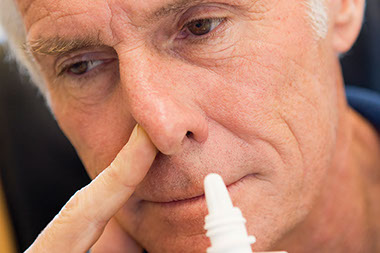
    Image of man using a nasal spray.

    When the furnace fires up and the humidity drops, the nose is most at risk. Nosebleeds can range from a simple, brief annoying amount of bleeding to life-threatening bleeding, according to Dr. Peter Shepard, an ear, nose, and throat expert.

    The nose has a collection of blood vessels called Kiesselbach’s plexus. This area is located at the front of the septum, the cartilage that divides the nose. Vessels from several different main trunks all meet in this spot and are very close to the surface. This is also the area of the nose that tends to dry out the most.

    If the surface cracks, the vessels will bleed. The size of the vessels determines how bad the bleeding is. People are more at risk if they have high blood pressure, take blood thinners, use oxygen, or have a deviated nasal septum.

    The best treatment for nosebleeds is avoiding them in the first place. Unless you can take an extended trip to Hawaii, you’ll want to work on improving the humidity inside your nose.

    Apply Vaseline at the front of your nostril twice a day. Saline spray can be kept with you and used throughout the day.

    If you do have a bleed, a few simple things will usually stop it.

    *  Apply pressure by squeezing the soft part of the nose between your thumb and index finger. Lean forward so you don’t swallow any blood (do not hold your head back, as some suggest).

    *  If that is not enough, oxymetazoline (Afrin) nasal spray can be a miracle drug for nosebleeds. It is a decongestant but works for nosebleeds since it causes blood vessels to tighten. Blow the blood out of the nose, spray twice, and then apply pressure for 15 minutes.

    *  If the bleeding won’t stop, go to the emergency room.

    © American Institute for Preventive Medicine
  • How To Steer Clear Ofoffice Gossip

    WORK LIFE

    Image of 3 co-workers whispering to each other while another is walking away.

    Do you know someone at work who loves to gossip? Perhaps they always have some “juicy” information about another person. If you’re just listening, and not talking, then no harm done, right?

    Not necessarily. According to the National Ethics Association, workplace gossip can damage employee relationships, decrease morale at work and even harm someone’s career. If you engage in the gossip, you may lose credibility with important people and create conflict. But how do you cut gossip out of your professional life?

    *  Identify the main source of gossip and avoid him or her. If you work in a larger office, you may be able to stay out of this person’s path. If your workplace is small, this may be more challenging. Try shutting your door when you know that person is around, or simply busy yourself with work. If approached, you can say, “I’m sorry, I can’t talk now. I have to get this project done right away.”

    *  If you get cornered and don’t know how to respond, it’s sometimes best to just be silent. If you don’t react or respond to the gossip, the other person will quickly get bored or learn you’re not interested.

    *  If these tactics don’t work and the person continues to try to pull you in, you may need to be more direct – but polite. Don’t accuse or start an argument. Instead, you could say, “I don’t think we should talk about this. I prefer to focus on my work, and not worry about other people.”

    *  If it’s you who tends to talk about others, adopt a personal policy to stop. Talking about others’ personal or professional business is almost always inappropriate, and does not help you or your co-workers. Think of the reverse: would you want someone gossiping about you? Find upbeat, interesting things to talk about around the water cooler, such as how each person’s family is doing, or what their plans are for the weekend.

    The first few times you have to stop office gossip can be hard. Stick to it, and over time, you will find that it gets easier. Eventually, you’ll stop being a magnet for the negative conversations. Your productivity at work will likely improve, and you may feel better about yourself and those you work with.

    © American Institute for Preventive Medicine
  • How To Set Up An Emergency Fund

    FINANCIAL HEALTH

    Image of money in savings jar.

    An emergency fund is a great way to save yourself from financial disaster. It gives you peace of mind when unexpected expenses come up. And, it may help keep you out of debt when you need extra money for an emergency. People who don’t have emergency funds may have to turn to high-interest loans or more credit card debt.

    It can be difficult to set money aside when it’s being used for other day-to-day things. But, it is possible to do with a little discipline and planning. Here’s how:

    *Make it automatic.Have some money automatically put in a separate account with each paycheck. Even if the amount is small, it can add up over time. An automatic transfer is more convenient than doing it yourself. You may find that after a while, you don’t miss that extra money. You learn to get by without it.

    *Make it a priority.Pay your emergency fund first, before you use your paycheck for non-necessary items. Make a budget that doesn’t include your emergency money. This will ensure your bills and other necessities get paid without skipping your emergency fund payment.

    *Use a bank or credit union savings account.These are easier to access in an emergency than savings bonds, mutual funds or certificates of deposit (CDs). But, don’t put it in your regular checking account, where you may be tempted to use it for a non-emergency.

    *Keep the account totally separate.Make sure that account is for emergencies only. Make it a savings account instead of checking. Be sure the account doesn’t include fees or penalties.

    *“Do I need this?”Cover your credit card with a savings message to reduce non-essential spending.

    Creative ways to save

    Think of little ways you can change your daily routine to save money. You’ll be surprised how much you can save!

    Put away $.50 a day in loose change.

    Monthly savings: $15

    Yearly savings: $180

    Skip the coffee out and bring your own from home.

    Monthly savings: $80

    Yearly savings: $960

    Bring your own lunch 3 days a week instead of eating out.

    Monthly savings: $96

    Yearly savings: $1,152

    Eat dinner at home 2 more times per month.

    Monthly savings: $40-80

    Yearly savings: $480-960

    Source: Consumer Federation of America

    © American Institute for Preventive Medicine

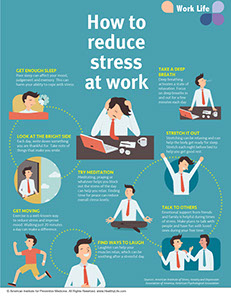
  • How To Reduce Stress At Work

    WORK LIFE

    Image of smiling employee.

    Get enough sleep:Poor sleep can affect your mood, judgement and memory. This can harm your ability to cope with stress.

    Look at the bright side:Each day, write down something you are thankful for. Take note of things that make you smile.

    Get moving:Exercise is a well-known way to reduce stress and improve mood. Walking just 20 minutes a day can make a difference.

    Try meditation:Meditating, praying or whatever helps you block out the stress of the day can help you relax. Finding time for peace can reduce overall stress levels.

    Find ways to laugh:Laughter can help your muscles relax, which can be soothing after a stressful day.

    Take a deep breath:Deep breathing activates a state of relaxation. Focus on deep breaths in and out for a few minutes each day.

    Stretch it out:Stretching can be relaxing and can help the body get ready for sleep. Stretch each night before bed to help you get good rest.

    Talk to others:Emotional support from friends and family is helpful during times of stress. Make plans to talk with people and have fun with loved ones during your free time.

    Sources: American Institute of Stress, Anxiety and Depression Association of America, American Psychological Association

    © American Institute for Preventive Medicine

  • How To Recognize And Report Abuse

    FAMILY LIFE

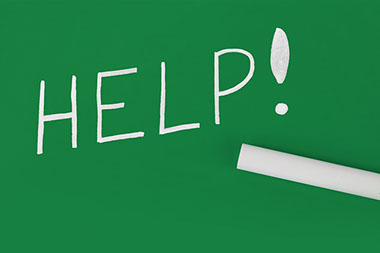
    Image of the word "Help" spelled out on a green chalk board.

    Child and elder abuse is a serious problem that affects people from all walks of life. One of the most important ways to protect victims from abuse is by making sure they get the help they need and by reporting cases to the authorities. Here’s how to recognize the different types of abuse and what to do in case you know someone who is a victim. This advice is from the General Services Administration of the U.S. government (www.USA.gov).

    Child Abuse

    Children who are victims of physical or emotional abuse often display mental and social development problems. In most cases, the abuse comes from their own parents or caretakers. Here are some of the signs of abuse:

    *Physical abuse:A child who suffers from physical abuse might have bruises, burn marks, broken bones and scars. They are often fearful of adults or certain people.

    *Sexual abuse:Victims of sexual abuse are forced to have sexual relations or engage in inappropriate physical contact with adults. Signs include feeling uncomfortable when changing clothes.

    *Emotional abuse:Children who experience emotional abuse are often victims of private or public humiliation and neglect. A child might show sudden changes in behavior and act violently.

    *Neglect:Children who are physically neglected show signs of lack of personal hygiene and bad health due to malnutrition, among other things.

    If you know or suspect that a child is a victim of abuse and is in immediate danger, call 911. To report a case of child abuse, call the National Child Abuse Hotline at 1-800-422-4453.

    Elder Abuse

    Elder abuse can occur in the victim’s home or at places such as assisted living facilities. People who abuse the elderly are usually people who know or take care of the victims. There are several types of abuse and all of them can have a profound negative impact on a person’s physical and mental health.

    *Physical abuse:As with child abuse, elders who suffer from physical abuse also might show bruises or other signs of injury on their bodies.

    *Sexual abuse:Elders who suffer from sexual abuse might become withdrawn.

    *Emotional abuse:This occurs when the victim is humiliated and treated with disrespect. The victim might feel useless or inferior and might suffer from depression.

    *Neglect:Elders show signs of physical neglect when caretakers fail to help them with their personal hygiene, food, clothing, and medications.

    *Financial abuse:Elders are often targets of financial fraud. This usually happens when people who take care of elders steal their retirement.

    If you know or suspect an elder is a victim of abuse and is in immediate danger, call 911. To report a case of elder abuse, call 1-800-677-1116 or visit the National Center on Elder Abuse atwww.ncea.aoa.gov.

    © American Institute for Preventive Medicine